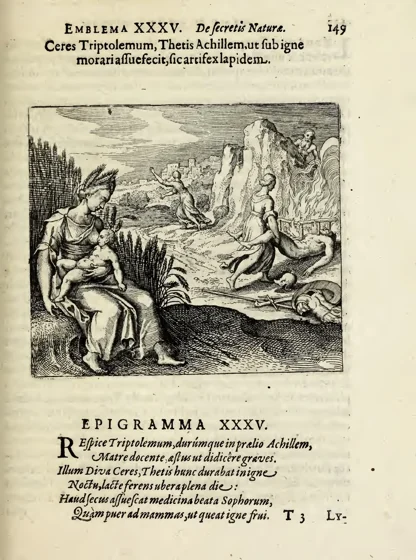
Ceres, Thetis and Alchemical Nurture
Maier pairs the nurture of Triptolemus and Achilles with the gradual strengthening of his philosophical stone.
Michael Maier, Atalanta Fugiens (1618)Browse by subject
Maier pairs the nurture of Triptolemus and Achilles with the gradual strengthening of his philosophical stone.
Michael Maier, Atalanta Fugiens (1618)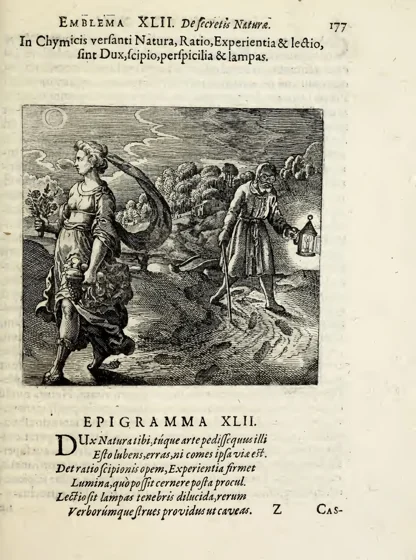
Nature, reason, experience and reading become a guide, staff, spectacles and lamp in Maier’s image of inquiry.
Michael Maier, Atalanta Fugiens (1618)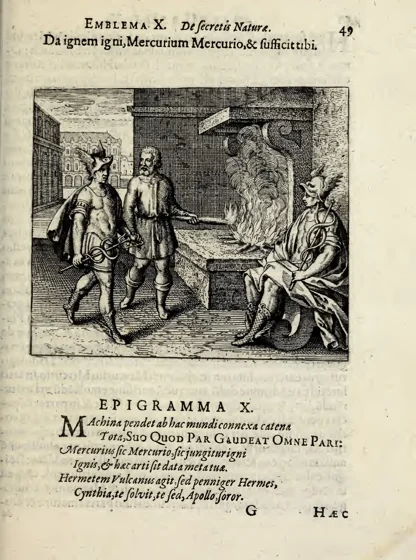
Two Mercuries and a furnace introduce Maier’s distinction between the subject’s inward qualities and the heat applied from outside.
Michael Maier, Atalanta Fugiens (1618)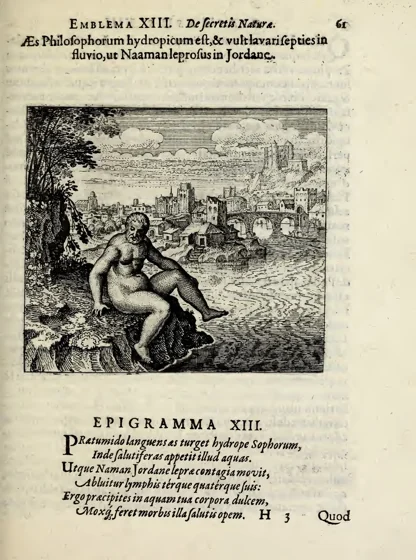
The biblical washing in Jordan becomes Maier’s analogy for the purification of the philosophers’ brass.
Michael Maier, Atalanta Fugiens (1618)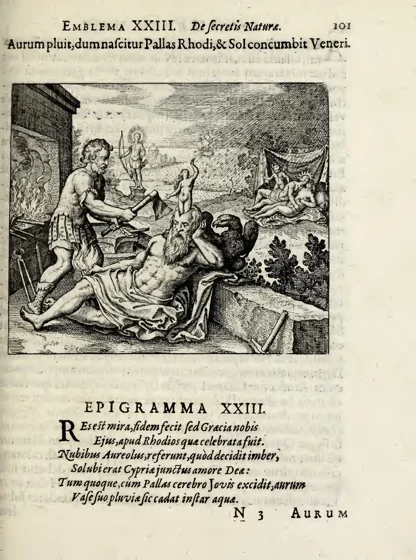
Pallas’s birth and a shower of gold at Rhodes become an explicitly allegorical reading of myth and alchemical wisdom.
Michael Maier, Atalanta Fugiens (1618)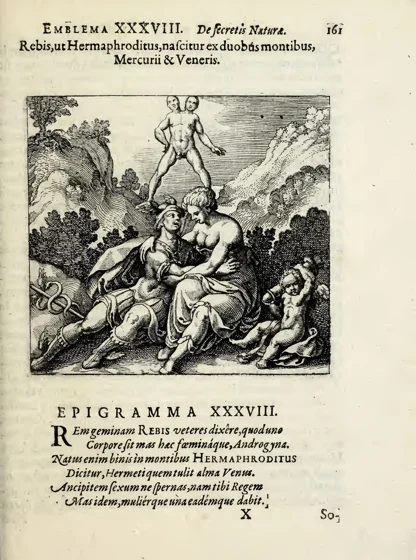
Mercury and Venus provide a double origin for the two-headed figure Maier calls Rebis.
Michael Maier, Atalanta Fugiens (1618)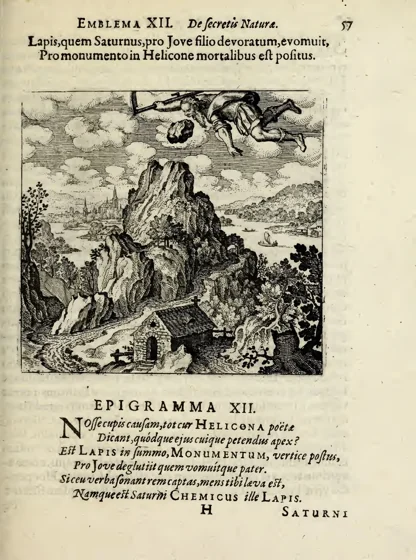
Maier reads Saturn’s swallowed stone through blackness, whiteness and redness in Emblem XII.
Michael Maier, Atalanta Fugiens (1618)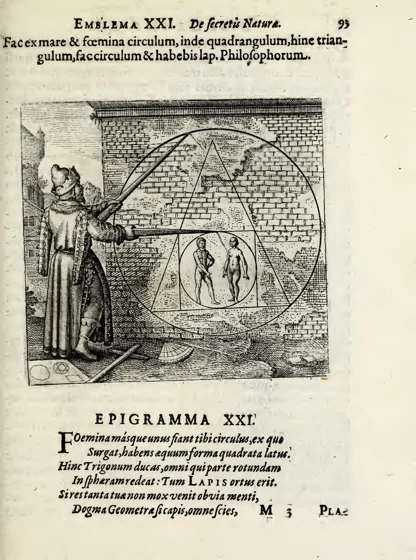
A circle, square and triangle explain the transformation of a divided body into a renewed unity in Emblem XXI.
Michael Maier, Atalanta Fugiens (1618) Source
Self-creation and the emancipation of the will within Hermetic transformation.
Éliphas Lévi, Transcendental Magic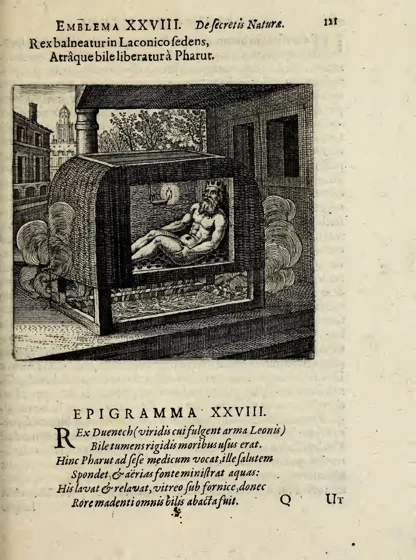
King Duenech’s enclosed bath connects an alchemical allegory with historical theories of digestion, sweat and purification.
Michael Maier, Atalanta Fugiens (1618)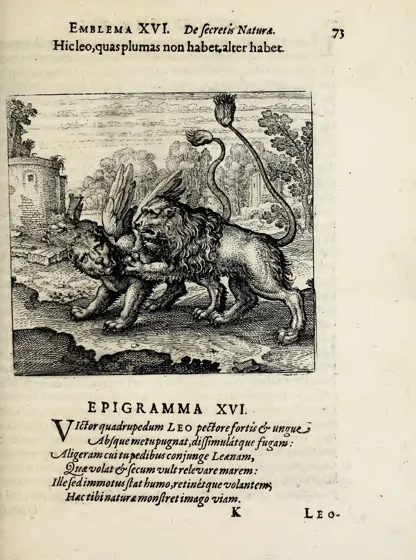
A fixed lion and flying lioness picture the difficult union of contrasting alchemical qualities.
Michael Maier, Atalanta Fugiens (1618)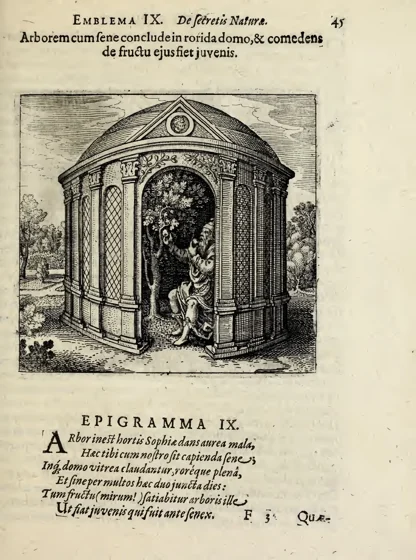
A tree, an enclosed house and an ageing man form Maier’s allegory of renewal in Emblem IX.
Michael Maier, Atalanta Fugiens (1618)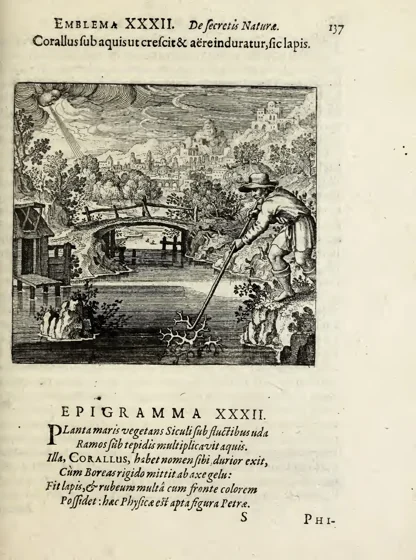
Coral supplies Maier with an image of growth, hardening and red colour in the philosophers’ stone.
Michael Maier, Atalanta Fugiens (1618)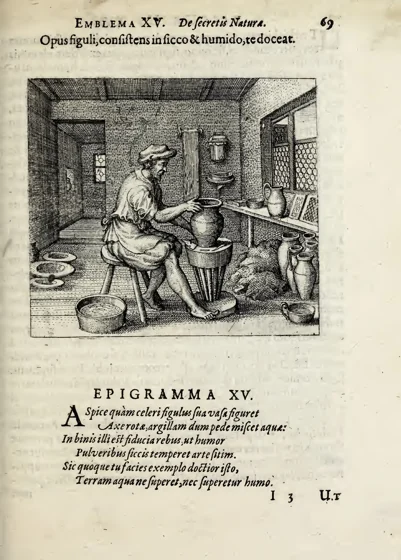
The potter’s handling of earth, water, air and fire becomes a model for Maier’s account of transformation.
Michael Maier, Atalanta Fugiens (1618)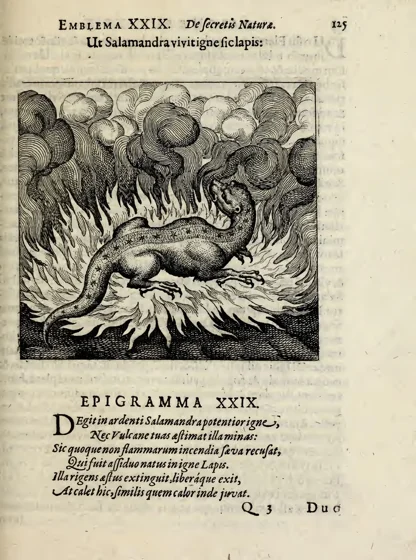
The salamander in the flames represents the resistance to fire that Maier calls fixation.
Michael Maier, Atalanta Fugiens (1618)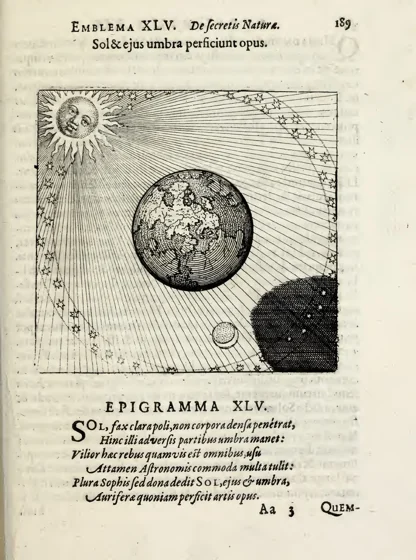
Light and shade work together in Maier’s forty-fifth emblem, linking an astronomical image with alchemical transformation.
Michael Maier, Atalanta Fugiens (1618)
Atalanta, Hippomenes and the delaying apple name the three musical roles printed beside Maier’s first fugue.
Michael Maier’s Atalanta Fugiens (1618)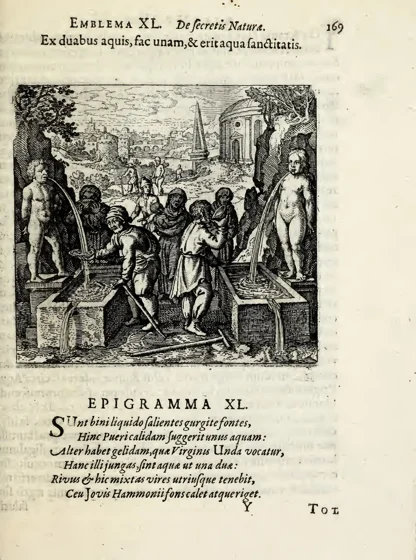
A hot fountain and a cold fountain picture Maier’s account of opposed qualities becoming one philosophical water.
Michael Maier, Atalanta Fugiens (1618)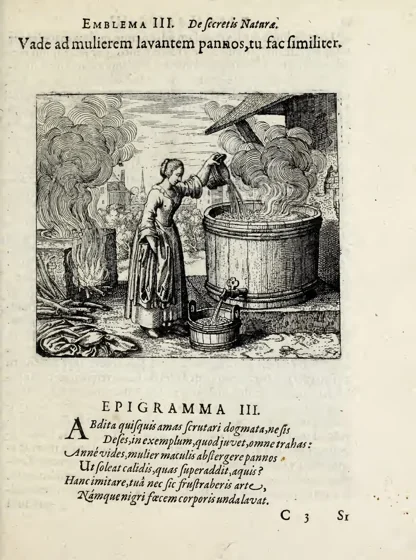
The household washing scene through which Maier connects cleansing with the varied operations of the chymist.
Michael Maier’s Atalanta Fugiens (1618)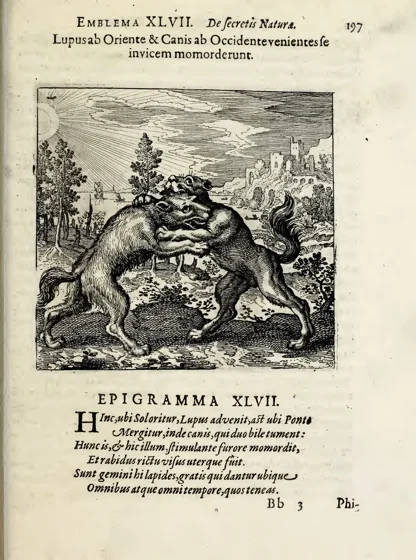
An eastern wolf and a western dog turn the opposed forces of sulphur and Mercury into a struggle of mutual dependence.
Michael Maier, Atalanta Fugiens (1618)Showing 20 of 20 entries