 Source
Aengus Óg
The youthful god associated with the enchanted palace of the Boyne.
Celtic fairy traditionsBrowse by subject
SourceThe youthful god associated with the enchanted palace of the Boyne.
Celtic fairy traditions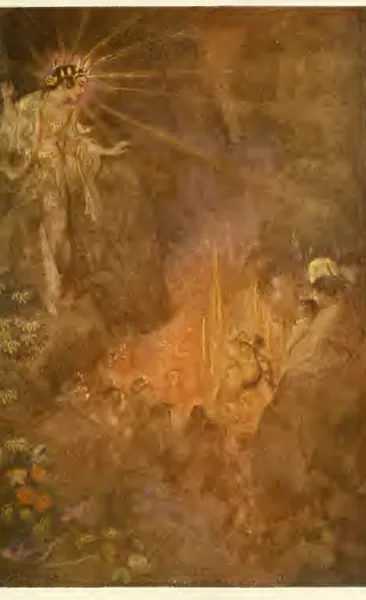
The Sun Goddess whose presence illuminates the world in Davis's retelling of Japanese mythology.
Japanese mythology, Davis retelling Source
Guardian of the mummy and guide into the judgment hall.
Egyptian funerary religion Source
The crowned king of Annwn whose white hounds meet Pwyll in the forest.
Welsh folklore, Wirt Sikes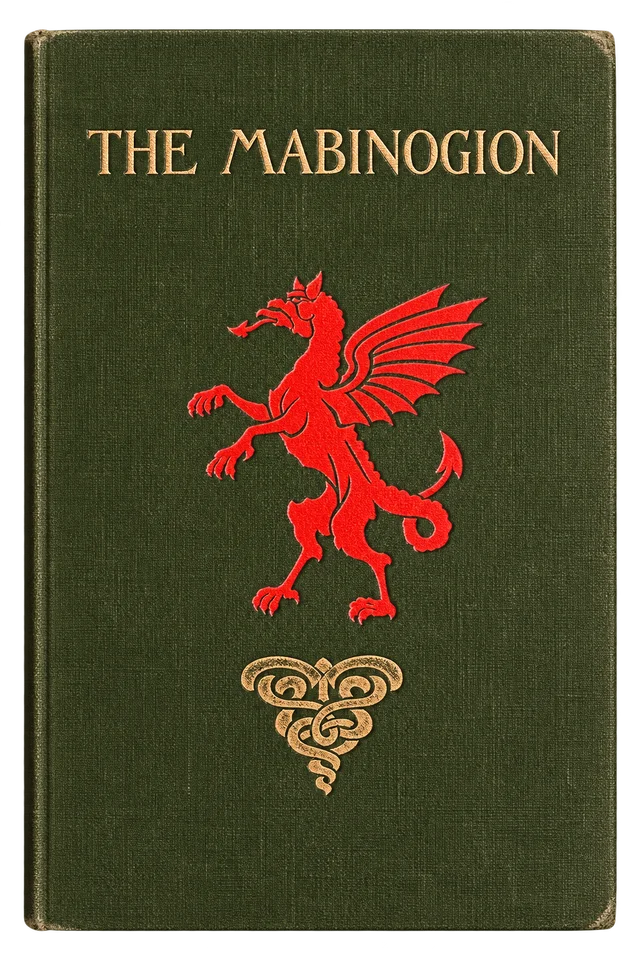 Source
The king of Annwvyn who exchanges kingdoms and appearances with Pwyll.
The Mabinogion, Guest’s 1877 edition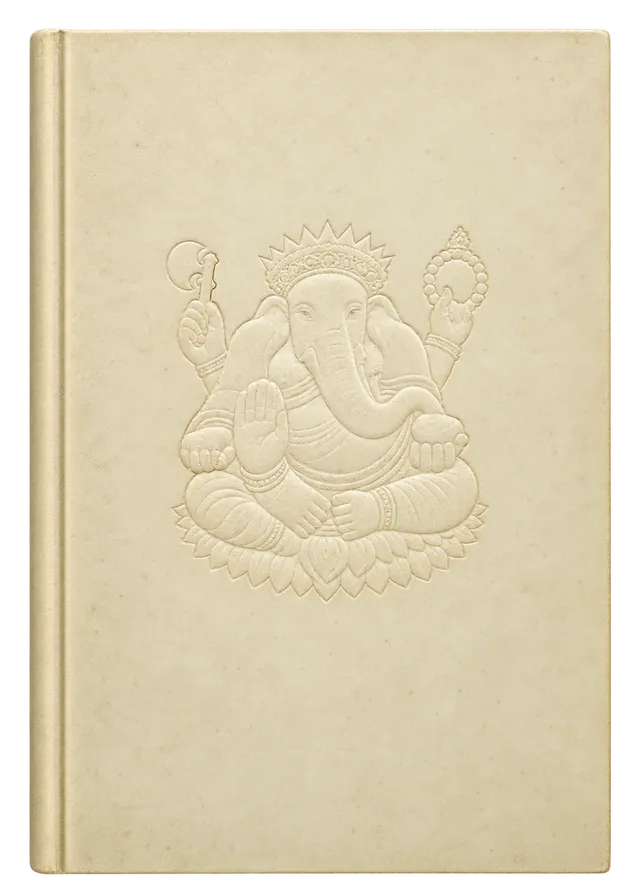 Source
The twin divine physicians whose gift of youth earns a place in the gods’ offerings.
Indian traditions, Nivedita and CoomaraswamySourceThe self-emerging creator called Tum by Tirard, rising from primordial water in the Heliopolitan creation account.
Egyptian funerary religionSourceKrishna’s brother, associated in the collection with the serpent Shesha.
Indian traditions, Nivedita and Coomaraswamy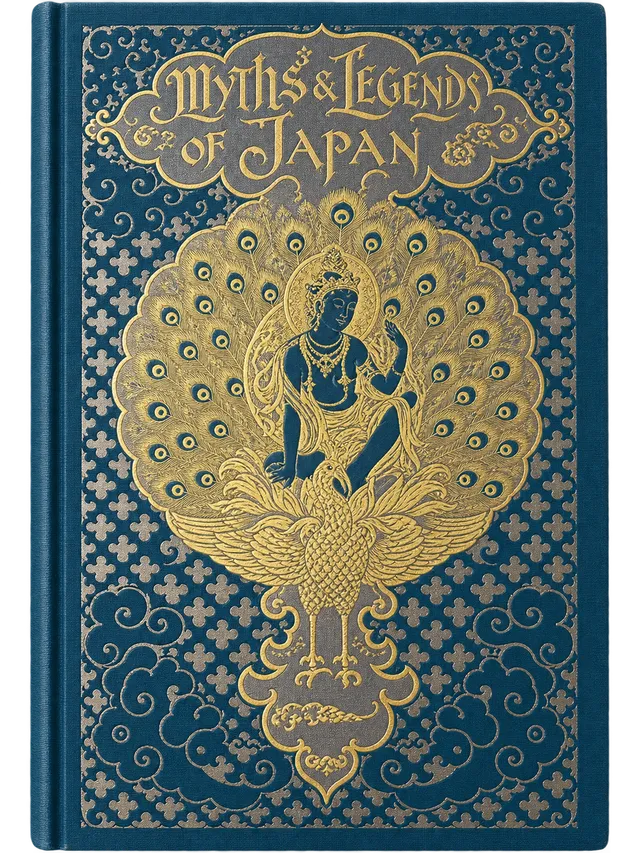 Source
A figure associated with love, beauty, eloquence and island shrines in Davis.
Japanese legends, Davis retelling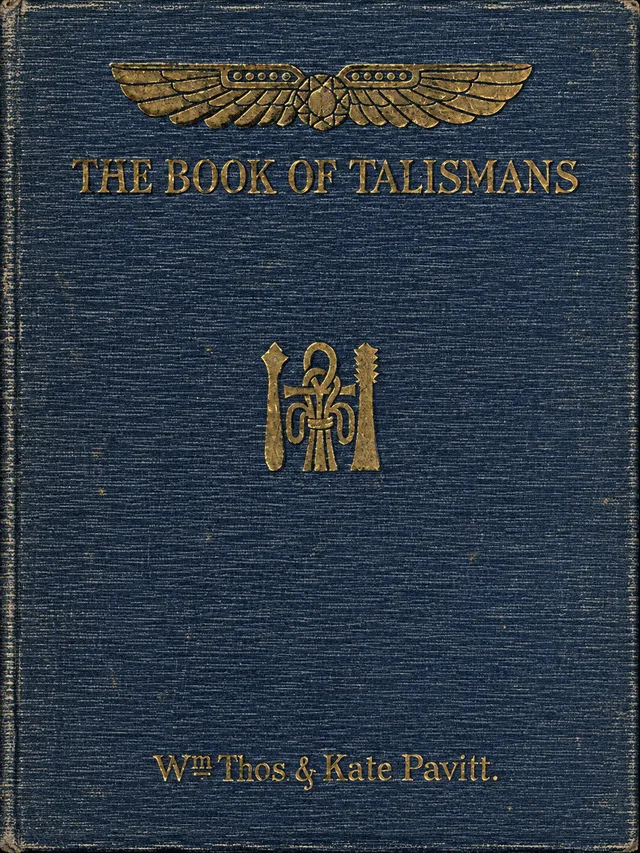 Source
Egyptian protective figure associated with merriment, children, and renewed youth.
Historical talisman traditionsSourceThe creative aspect of the divine, distinct in the collection from the absolute Brahman.
Indian traditions, Nivedita and CoomaraswamySourceDivine king who assigns the Sidhe palaces and negotiates with conquerors.
Celtic fairy traditionsSourceThe wealth-bringing figure with a mallet, rice bales and a precious bag.
Japanese legends, Davis retellingSourceThe goddess whose name defines the Tuatha Dé Danann in Evans-Wentz’s survey.
Celtic fairy traditions Source
A higher evolutionary kingdom whose forms extend beyond the astral plane.
Theosophical astral cosmologySourceThe fishing figure whom Davis places beside Daikoku among the Gods of Luck.
Japanese legends, Davis retellingSourceSidhe woman reborn as a mortal princess without her former memories.
Celtic fairy traditionsSourceFour elemental regents in Leadbeater’s system, associated with the cardinal directions and distinguished from rulers of the deva kingdom.
Theosophical astral cosmologySourceThe elephant-headed figure of success, wisdom and the removal of obstacles.
Indian traditions, Nivedita and Coomaraswamy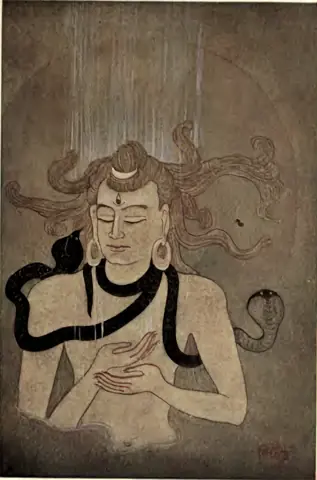
The heavenly river whose descent joins ancestral restoration to Shiva’s restraint.
Indian traditions, Nivedita and Coomaraswamy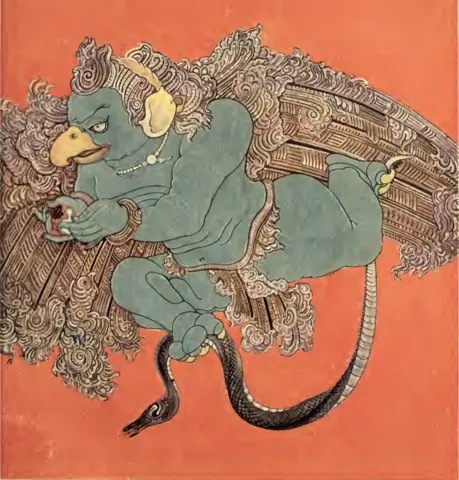
Vishnu’s great bird mount and the feared opponent of serpents.
Indian traditions, Nivedita and CoomaraswamySourceEarth god named Keb in the scanned funerary account.
Egyptian funerary religionSourceThe fairy king who rules a splendid court and the shadow realm of Annwn.
Welsh folklore, Wirt Sikes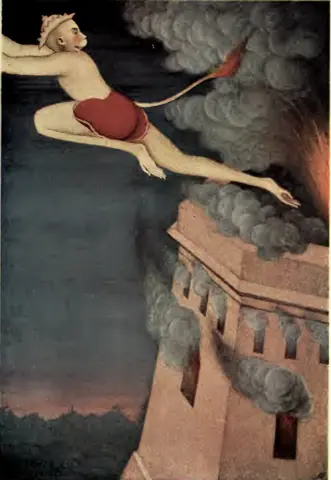
The wind-born monkey hero who crosses the sea as Rama’s envoy.
Indian traditions, Nivedita and CoomaraswamySourceGoddess associated with sustenance and a varying divine company.
Egyptian funerary religionSourceAvenger of Osiris and restorer of the dead person’s powers.
Egyptian funerary religionSourceThe laughing, contented figure whose bag also becomes a place for children.
Japanese legends, Davis retellingSourceThe deity whom Davis connects with rice, fox traditions and ambiguous rewards in his fox-legends chapter.
Japanese fox legends, Davis accountSourceThe protective mother and mourner who searches for Osiris’s scattered body and appeals for the healing of Horus.
Egyptian funerary religion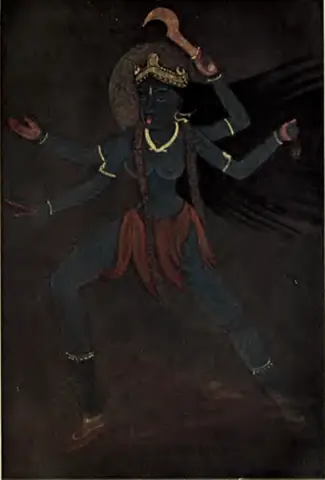
A form of Devi within the collection’s account of the divine feminine power.
Indian traditions, Nivedita and CoomaraswamySourceThe god of desire whose attempt to rouse Shiva ends in a bodiless existence.
Indian traditions, Nivedita and Coomaraswamy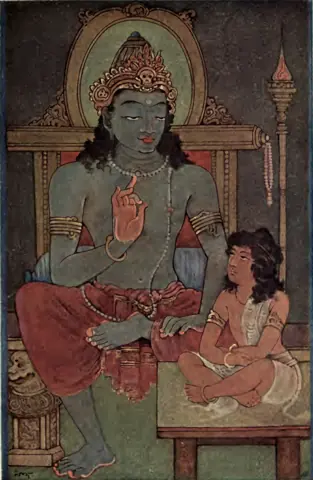
The divine child of the cowherd world and the teacher who addresses Arjuna’s crisis.
Indian traditions, Nivedita and CoomaraswamySourceThe young war god born to bring the gods victory over Taraka.
Indian traditions, Nivedita and CoomaraswamySourceRama’s devoted brother, whose loyalty can take a fiercer form than Rama’s restraint.
Indian traditions, Nivedita and CoomaraswamySourceA tree deity who offers to suffer in pieces so that nearby trees will survive.
Buddhist traditions, Nivedita and CoomaraswamySourceLong-handed divine figure linked with Cuchulainn’s birth.
Celtic fairy traditions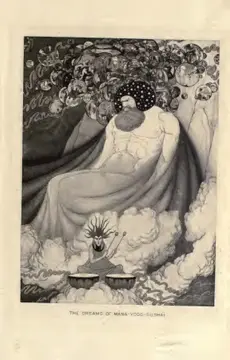
The sleeping maker of the gods in Lord Dunsany’s mythology of Pegāna.
Lord Dunsany, The Gods of Pegāna (1911 illustrated edition)SourceSea-associated ruler and guide to the Land of Promise.
Celtic fairy traditionsSourceThe serpent goddess whose struggle for recognition centres on a resistant merchant.
Indian traditions, Nivedita and CoomaraswamySourceOtherworld king whose reunion with Étaín crosses mortal memory.
Celtic fairy traditionsSourceA war goddess in the survey’s account of the Badb.
Celtic fairy traditionsSourceSisterly mourner and guardian of Osiris’s restored body.
Egyptian funerary religionSourceStarry sky goddess and protective presence over the dead.
Egyptian funerary religionSourceSlain king, restored father, and judge of the Egyptian dead.
Egyptian funerary religionSourceThe mountain daughter whose devotion brings her into union with Shiva.
Indian traditions, Nivedita and CoomaraswamySourceSolar god whose daily passage becomes a path for the deceased.
Egyptian funerary religion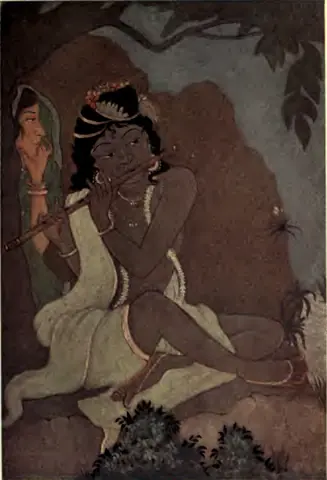
Krishna’s beloved, whose closeness and separation shape the dance-of-love narrative.
Indian traditions, Nivedita and CoomaraswamySourceThe thunder figure carrying an arc of drums in Davis’s account.
Japanese legends, Davis retelling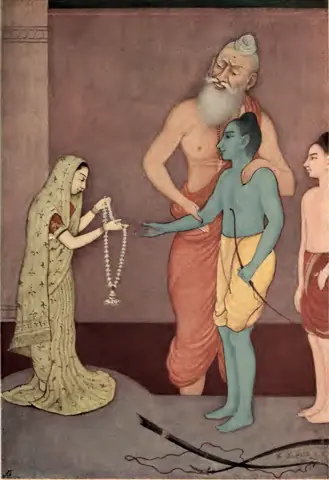
The prince of Ayodhya whose exile and return form the centre of the Ramayana.
Indian traditions, Nivedita and CoomaraswamySourceChristian saint interpreted as an inheritor of older Irish devotion.
Celtic fairy traditions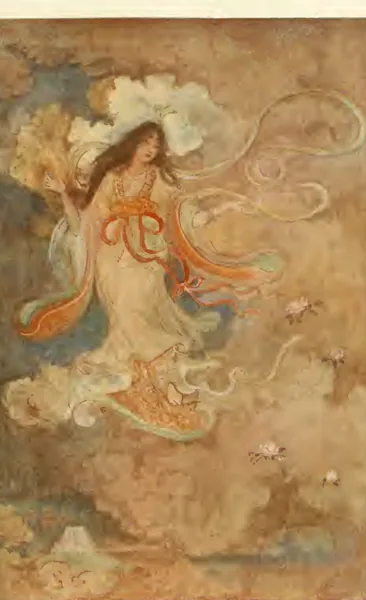
The goddess associated with Fuji's summit and luminous clouds in Davis's account and Evelyn Paul's illustration.
Japanese mountain legends, Davis retellingSourceOsiris’s adversary in Tirard’s funerary account, whose attacks scatter the body and injure the Eye of Horus.
Egyptian funerary religion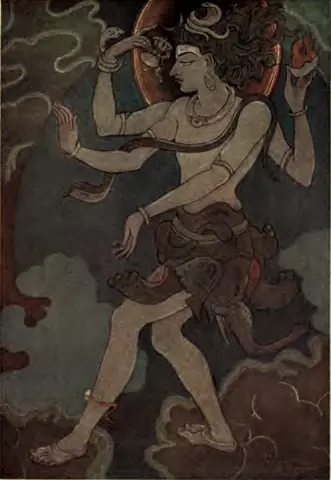
The ascetic and dancer whose action embraces the creation and release of worlds.
Indian traditions, Nivedita and CoomaraswamySourceThe god who raises the sky from the earth in Tirard’s account, opening the space of the created world.
Egyptian funerary religion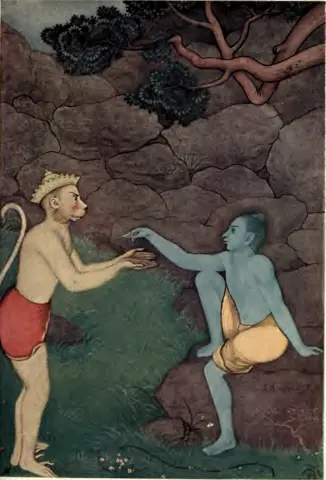
Janaka’s daughter, whose captivity in Lanka becomes the centre of Rama’s search.
Indian traditions, Nivedita and Coomaraswamy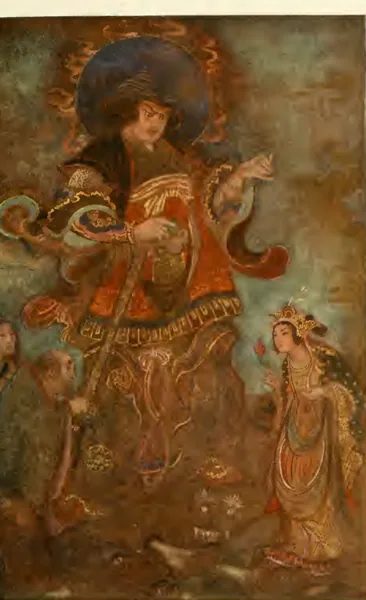
The deity who defeats an eight-forked serpent and discovers a divine sword in Davis's myth cycle.
Japanese mythology, Davis retellingSourceThe divine writer in Tirard’s account, assisting Isis and recording the result of the deceased’s weighing.
Egyptian funerary religionSourceThe divine people who continue within Ireland’s fairy hills.
Celtic fairy traditionsThe divine figure whose descent into human life makes the defeat of Ravana possible.
Indian traditions, Nivedita and Coomaraswamy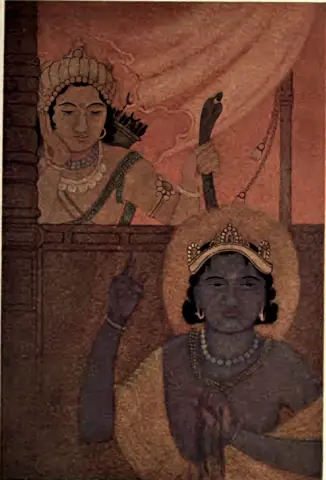
The figure of Death who receives Nachiketas as a guest and responds to Savitri’s persistence.
Indian traditions, Nivedita and CoomaraswamyShowing 60 of 60 entries