Hell
Explore Hell through Christian debate, Jewish Gehinnom, Islamic Jahannam, Buddhist suffering realms and Zoroastrian accounts without treating them as identical.
In this article
What does Hell mean?
Hell names a condition or realm of punishment, suffering or estrangement after death. Within Christianity, its duration, purpose and relation to divine love are debated. Its meaning depends on the particular tradition being discussed. [1]
Christian teaching and disagreement
Separation from God
The Catholic Catechism defines Hell through a person’s definitive exclusion from communion with God and the blessed. It connects this condition with unrepented grave sin and the rejection of divine mercy. Fire remains part of its scriptural language, but the central loss is separation from God. The text also links judgment with responsibility towards vulnerable neighbours. This is a Catholic account of an everlasting state, not a description that can simply be transferred to every religious underworld. [2]
Why Christians disagree
Christian disagreements concern more than the literal appearance of flames. As the Stanford Encyclopedia explains, theologians differ over divine election, freedom and whether God’s saving purpose ultimately succeeds for everyone. Some defend permanent conscious punishment; others understand final loss as destruction. Universalists reject an everlasting division between the reconciled and the lost. [1]
These positions ask how justice, mercy and human choice fit together. A comparison becomes clearer when it identifies the actual disagreement: who is finally lost, what that loss involves and whether restoration remains possible. One school’s answer should not be presented as an uncontested Christian consensus. [1]
A Christian image of judgment
Albrecht Dürer’s Last Judgment, made around 1510 for The Small Passion, arranges the scene around Christ above and the fate of human beings below. The woodcut belongs to Christian artistic reception. Its visual contrast between salvation and damnation should be read within that setting, alongside the article’s accounts of other traditions. [9]
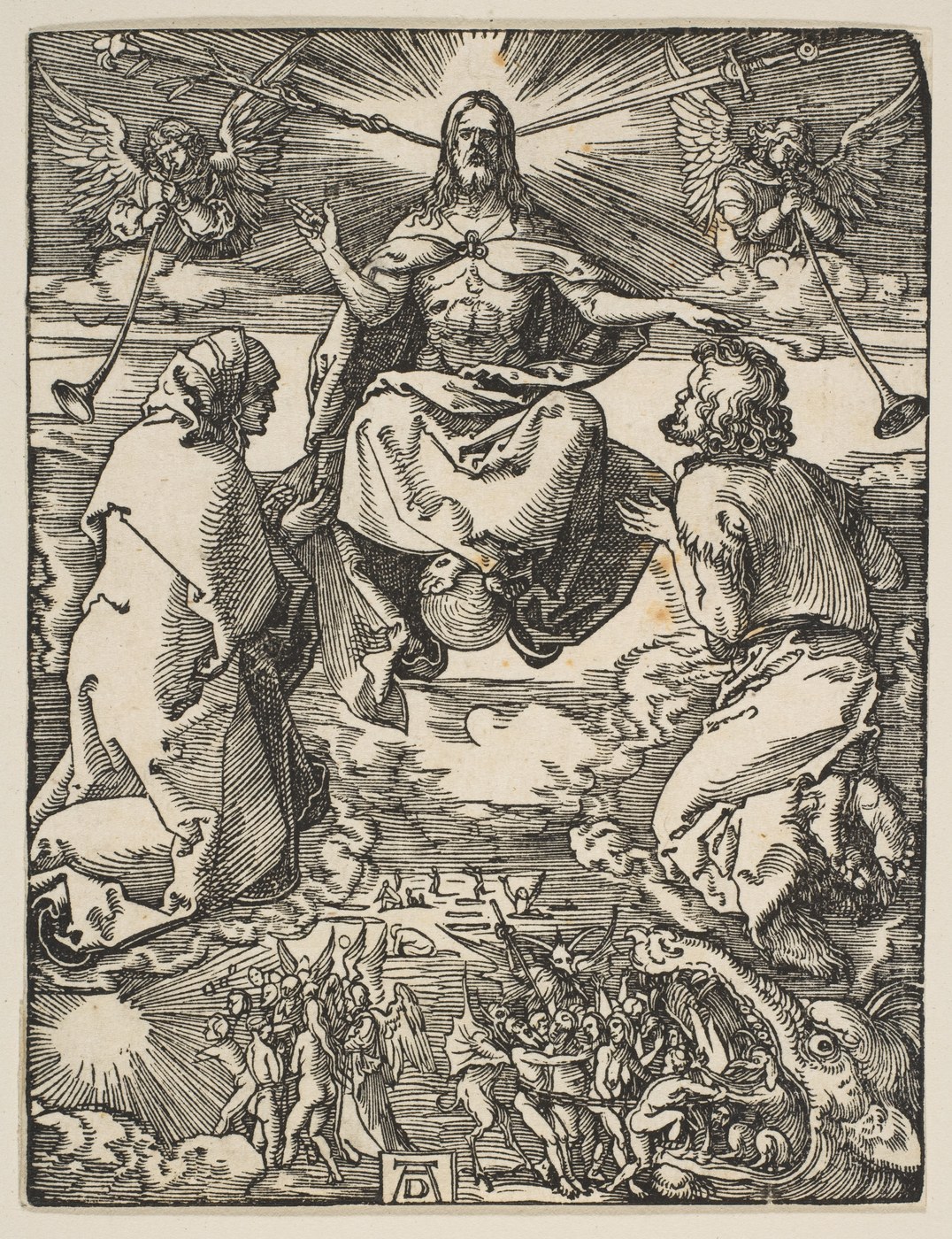
Albrecht Dürer, The Last Judgment, from The Small Passion, ca. 1510. Woodcut.
The Metropolitan Museum of Art. Gift of Junius Spencer Morgan, 1919. Accession 19.73.206. Public Domain (CC0). · Museum record ↗ · CC0
Gehinnom, Jahannam and Buddhist realms
Gehinnom and purification
In Chabad’s account, the soul’s painful recognition of its harmful deeds is described as Gehinnom. That pain cleanses the soul, allowing it to receive the good associated with its earthly life. The essay connects the departed with the good deeds and memorial practices of the living. This is a traditional Jewish interpretation with a restorative emphasis. Translating Gehinnom as Hell without explanation can obscure that emphasis and wrongly imply agreement with a doctrine of permanent Christian damnation. Jewish positions also vary beyond this one account. [3]
Jahannam in the Qur’an
Qur’an 78:21–30 presents Jahannam as a destination for transgressors who rejected accountability. Scalding drink, the absence of relief and a record of deeds give the warning its force. The passage connects the hereafter with conduct and denial during earthly life. It belongs within the Qur’an’s sustained language of judgment, rather than a freestanding tale of monsters. Its reference to enduring ages should not alone be used to settle every Muslim theological debate about punishment, intercession or its duration. Those questions require additional texts and commentary. [4]
Suffering realms in Buddhism
The Devaduta Sutta, a Pali Buddhist discourse, depicts Yama questioning a person about neglected reminders of mortality. Birth, old age, sickness, punishment and death should have prompted reflection on conduct. The narrative then describes severe consequences for harmful action. Its purpose is ethical urgency, placing responsibility on the doer rather than a relative or an outside power. [5]
Throughout the account, the suffering continues while the relevant harmful karma remains unexhausted. The structure differs from the final, irreversible separation described in Catholic doctrine. English “hell” can translate the suffering destination, but should not import an eternal sentence into this Buddhist text. Its violent imagery also needs its narrative frame: it is a religious warning about action and consequence, not a licence for readers to condemn living people to a specified destiny. [5]
Judgment, renewal and spiritual distance
Bad existence and the soul’s journey
Zoroastrian accounts developed across texts and periods. Philippe Gignoux distinguishes early allusions to the dwelling of falsehood from more elaborate descriptions in later Avestan and Middle Persian literature. The Chinvat Bridge is a decisive setting for the soul’s passage. In one account, the descent through bad thought, bad word and bad deed mirrors the righteous ascent through their good counterparts. [6]
The imagery gives moral choices an environment: distress replaces reassurance, and foulness replaces fragrance. Later visionary literature expands the punishments. Reading these layers historically avoids treating every detail as equally early or as one fixed map inherited without change. It also keeps specifically Zoroastrian language visible beneath an English label such as Hell. [6]
Individual fate and cosmic renewal
Zoroastrian eschatology also concerns the resolution of the cosmic struggle between good and evil. Shaul Shaked distinguishes the judgment of individuals from the wider story in which evil’s disturbance is finally overcome. The two scales need to be read together. A description of present punishment does not by itself explain the final condition of the renewed world. This is one reason comparisons based only on a list of tortures miss the larger religious argument. [7]
Hell as distance from God
Bahá’í teaching describes Hell as spiritual distance from God, rather than a physical prison. Its account places this condition within the soul’s continuing journey towards perfection, both here and beyond death. The same vocabulary of Heaven and Hell therefore carries a different theological explanation. The contrast is useful, provided the Bahá’í reading remains identified as its own teaching and is not imposed as the hidden meaning of every other religion’s descriptions. [8]
Read further in the library
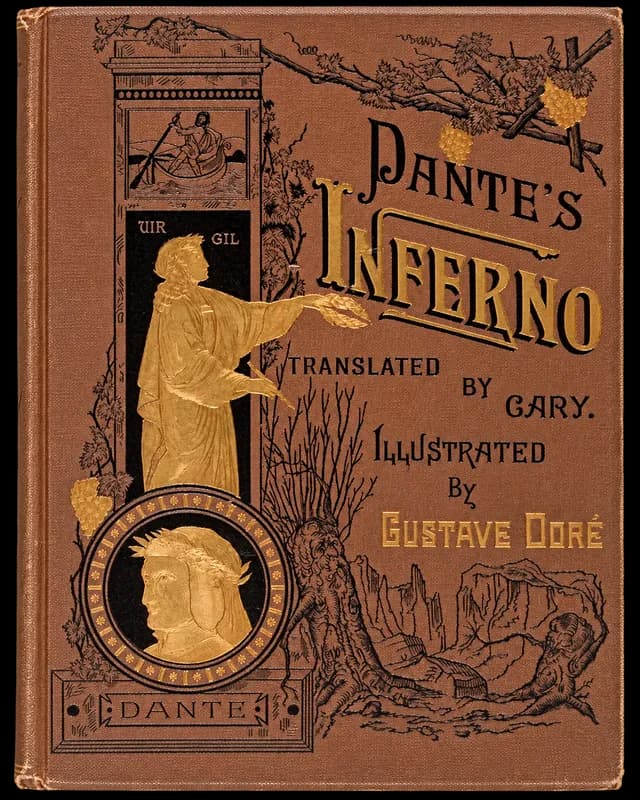
Dante's Inferno
Reading note
Dante’s Inferno offers a particular poetic ordering of sin and punishment. Its circles belong to Dante’s literary vision; they are not a universal religious map.
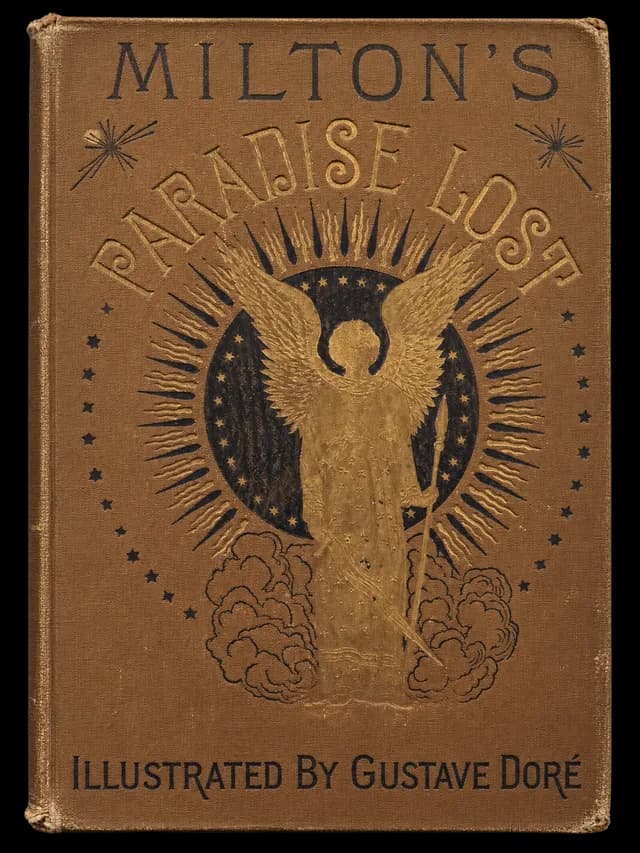
Paradise Lost: Illustrated by Gustave Doré
Reading note
Milton’s Paradise Lost develops its own epic setting for Satan and the fallen angels. Keep that literary Hell distinct from the doctrinal and comparative accounts above.
Sources
- Heaven and Hell in Christian Thought ↗Stanford Encyclopedia of Philosophy; theological disagreement within ChristianityReturn to text ↑
- Catechism of the Catholic Church: Hell, 1033–1037 ↗Catholic doctrinal accountReturn to text ↑
- Do Jews Believe in an Afterlife? ↗Chabad’s traditional Jewish account; not every Jewish interpretationReturn to text ↑
- Qur’an 78:21–30 ↗Qur’anic account of Jahannam, translation hosted by Quran.comReturn to text ↑
- MN 130: Devaduta Sutta ↗Pali discourse translated by Thanissaro BhikkhuReturn to text ↑
- Hell i. In Zoroastrianism ↗Philippe Gignoux, Encyclopaedia Iranica; textual historyReturn to text ↑
- Eschatology i. In Zoroastrianism and Zoroastrian Influence ↗Shaul Shaked, Encyclopaedia Iranica; individual judgment and final restorationReturn to text ↑
- Heaven and Hell ↗Official Bahá’í interpretation of spiritual distanceReturn to text ↑
- The Last Judgment, from "The Small Passion" ↗The Metropolitan Museum of Art; object record 19.73.206Return to text ↑
About this article & its sources
A cross-tradition orientation to selected accounts of adverse afterlife states. This is not a single map or an exhaustive survey. Source-specific literary hells, underworlds, purification and eternal separation remain distinct.
Passage attributions
What does Hell mean?
Passage 1: Stanford Encyclopedia of Philosophy; theological disagreement within Christianity.
Separation from God
Passage 1: Catholic doctrinal account.
Why Christians disagree
Passage 1: Stanford Encyclopedia of Philosophy; theological disagreement within Christianity.
Passage 2: Stanford Encyclopedia of Philosophy; theological disagreement within Christianity.
A Christian image of judgment
Passage 1: The Metropolitan Museum of Art; historical object and visual description.
Gehinnom and purification
Passage 1: Chabad’s traditional Jewish account; not every Jewish interpretation.
Jahannam in the Qur’an
Passage 1: Qur’anic account of Jahannam, translation hosted by Quran.com.
Suffering realms in Buddhism
Passage 1: Pali discourse translated by Thanissaro Bhikkhu.
Passage 2: Pali discourse translated by Thanissaro Bhikkhu.
Bad existence and the soul’s journey
Passage 1: Philippe Gignoux, Encyclopaedia Iranica; textual history.
Passage 2: Philippe Gignoux, Encyclopaedia Iranica; textual history.
Individual fate and cosmic renewal
Passage 1: Shaul Shaked, Encyclopaedia Iranica; individual judgment and final restoration.
Hell as distance from God
Passage 1: Official Bahá’í interpretation of spiritual distance.