Kailasa
Explore Kailasa as Shiva’s abode, its portrayal in myth and sacred art, and the distinct traditions associated with the physical mountain of Kailash.
In this article
What is Kailasa?
Kailasa is Shiva’s sacred abode, associated with the Himalayan mountain commonly called Mount Kailash. The physical peak and its surrounding landscape are revered within several religious traditions. In Hindu accounts, the divine household of Shiva and Parvati gives the mountain a personal and devotional meaning. Buddhist, Jain and Bön traditions bring their own sacred histories to the region. [1]
The shared landscape does not make those histories identical. ICIMOD’s account connects the region with Chakrasamvara in Tibetan Buddhism, Tonpa Shenrab in Bön, and Jain associations with Rishabha. These are distinct ways of inhabiting a sacred geography, with different figures, narratives and religious aims. [1]
Shiva’s abode in story and art
A royal abode and an ascetic’s home
In Nivedita and Coomaraswamy’s historical retelling, Kailas lies beyond the white Himalayas. Shiva dwells there in royal state, honoured by gods and rishis, yet also wanders like a beggar with an ash-smeared body. The contrast places sovereignty beside renunciation. [2]
The narrative does not make sacred authority depend on outward splendour. A divine home can contain a household while its central figure remains indifferent to conventional display. This is a particular literary portrayal of Shiva, preserved in the Library’s 1914 edition. Its supernatural landscape should be read within the story rather than treated as a survey of the earthly mountain. [2]
The stillness after conflict
The same collection describes the gods finding Shiva in meditation beneath an immense pipal tree after the disruption of Daksha’s sacrifice. Their appeal leads to pardon and the restoration of the rite. Shiva then returns to Kailas and meditation. The abode becomes a place where public conflict gives way to inward stillness. [3]
Ravana shakes the mountain
A ninth-century relief in the Seattle Art Museum depicts another story. Ravana attempts to lift or shake the mountain, while Shiva and Parvati sit above him. Parvati turns towards Shiva in alarm. Shiva remains calm and presses down with his foot, making the weight impossible for Ravana to bear. [4]
The museum describes the mountain throne through carved tiers, trees, animals and serpents. The scene transforms a mountain into a stage for the difference between violent effort and divine composure. Its small scale and rectangular form suggest a place within temple decoration. Kailasa is therefore encountered through architecture and sacred images as well as through narrative: a worshipper could meet the mountain’s story far from the physical peak. [4]
A landscape lived in and travelled through
ICIMOD’s 2017 account places the pilgrimage landscape within histories of trade, pastoral life and communities across the Himalayan border regions. It also describes the circumambulation trail around Kailash and the local people who support pilgrims along it. The mountain’s sacred significance thus belongs within a living landscape of work, travel and care. Its religious meaning does not remove the people or ecological relationships around it. [1]
Read further in the library
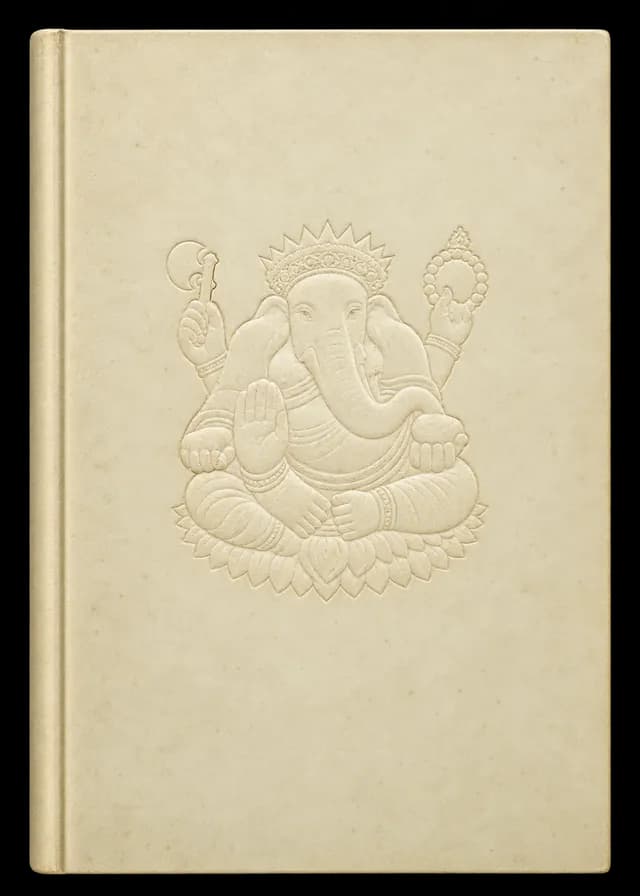
Myths of the Hindus and Buddhists
Reading note
Read the historical Kailas narratives in Nivedita and Coomaraswamy’s collection. The exact source panels preserve the passages about Shiva’s dwelling and meditation.
Sources
- Mount Kailash: Sacred Routes Making Ways for Sustainability ↗Rajan Kotru, ICIMOD, 2017; sacred landscape and communitiesReturn to text ↑
- Myths of the Hindus and Buddhists: KailasSister Nivedita and Ananda K. Coomaraswamy, 1914; historical retelling, original Reader leaf 350Return to text ↑
Examine the original Library page
Exact existing Library citation retained. The original page was read again before this expansion. This is the historical author’s retelling, distinguished from the other primary and scholarly sources.
far away beyond the white Himalayas
Open the original page in Myths of the Hindus and Buddhists ↗Scan leaf 350 · Sister Nivedita and Ananda K. Coomaraswamy
- Myths of the Hindus and Buddhists: Shiva’s meditationSister Nivedita and Ananda K. Coomaraswamy, 1914; historical retelling, original Reader leaf 353Return to text ↑
Examine the original Library page
Exact existing Library citation retained. The original page was read again before this expansion. This is the historical author’s retelling, distinguished from the other primary and scholarly sources.
under a great pipal-tree a hundred leagues in height
Open the original page in Myths of the Hindus and Buddhists ↗Scan leaf 353 · Sister Nivedita and Ananda K. Coomaraswamy
- Shiva subdues the demon Ravana ↗Seattle Art Museum, object 67.134; ca. mid to late ninth centuryReturn to text ↑
About this article & its sources
Expansion of the existing Kailasa entry. Shiva’s divine abode, historical literary retellings and the physical mountain’s shared pilgrimage landscape are distinguished. Existing exact Library citations are retained.
Passage attributions
What is Kailasa?
Passage 1: Rajan Kotru, ICIMOD, 2017; sacred landscape and communities.
Passage 2: Rajan Kotru, ICIMOD, 2017; sacred landscape and communities.
A royal abode and an ascetic’s home
Passage 1: Sister Nivedita and Ananda K. Coomaraswamy, 1914; historical retelling, original Reader leaf 350.
Passage 2: Sister Nivedita and Ananda K. Coomaraswamy, 1914; historical retelling, original Reader leaf 350.
The stillness after conflict
Passage 1: Sister Nivedita and Ananda K. Coomaraswamy, 1914; historical retelling, original Reader leaf 353.
Ravana shakes the mountain
Passage 1: Seattle Art Museum, object 67.134; ca. mid to late ninth century.
Passage 2: Seattle Art Museum, object 67.134; ca. mid to late ninth century.
A landscape lived in and travelled through
Passage 1: Rajan Kotru, ICIMOD, 2017; sacred landscape and communities.