 Source
A. E. in the Fairy-Faith
The poet A. E. supplies a visionary language for the Otherworld.
Celtic fairy traditionsExplore the ideas, beings and worlds in the books.
SourceThe poet A. E. supplies a visionary language for the Otherworld.
Celtic fairy traditions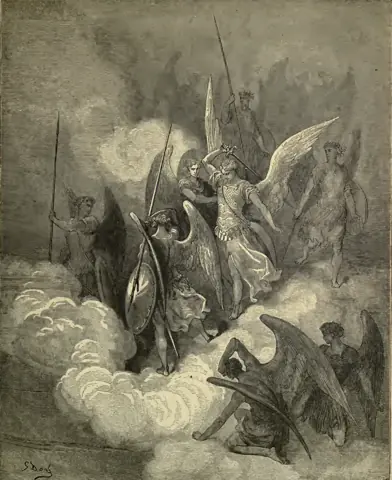
The solitary seraph who refuses the rebellion and returns through hostile scorn.
John Milton, Paradise Lost Source
A cock-headed, serpent-legged figure interpreted through divine emanations.
Historical talisman traditions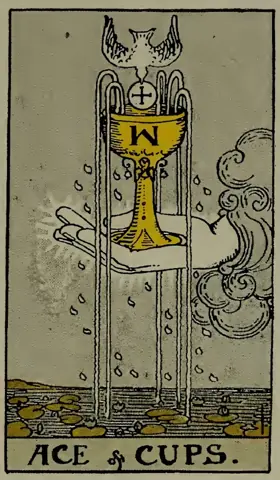
A cloud-borne cup, water and a descending sacramental emblem give this Ace several symbolic layers.
Western Tarot symbolism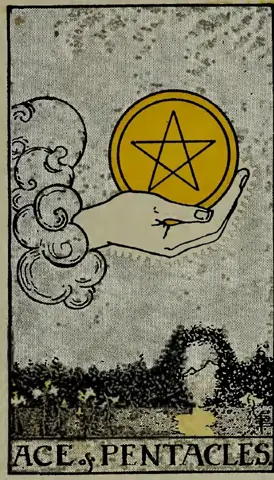
A cloud-borne pentacle raises a distinction between material prosperity and its benefit.
Western Tarot symbolism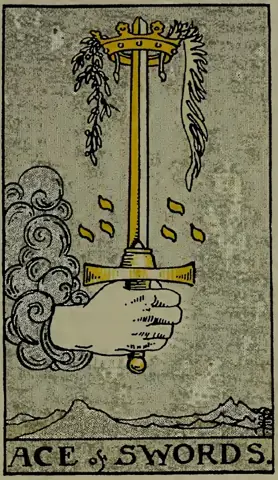
A crowned sword represents force whose outcome is not uniformly favourable.
Western Tarot symbolism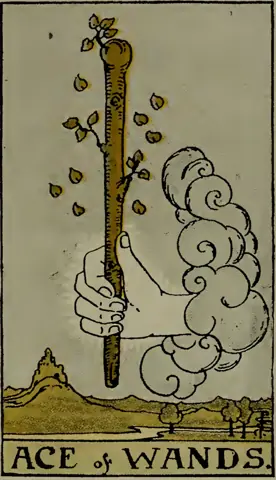
A hand from a cloud presents the suit's single stout wand.
Western Tarot symbolism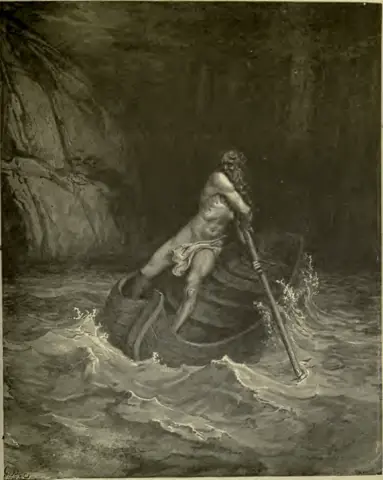
The river where the arriving dead assemble for Charon’s crossing.
Dante, Inferno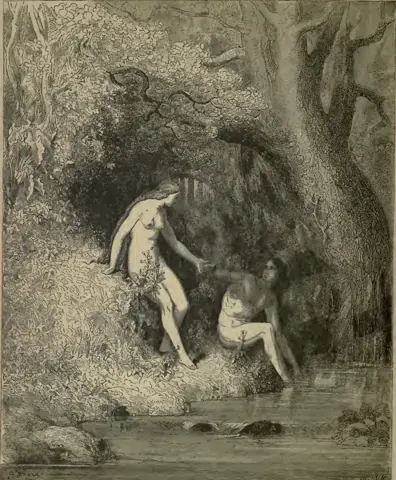
The human host and questioner whose garden life receives angelic instruction.
John Milton, Paradise Lost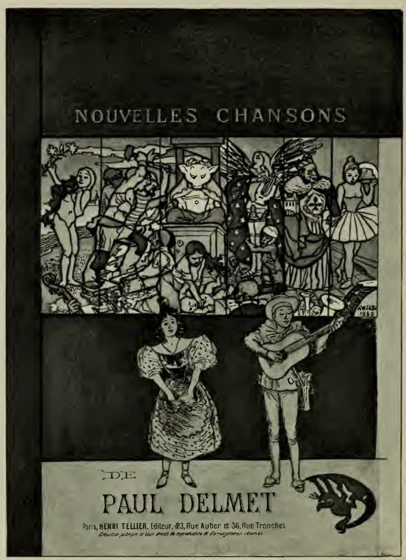
Willette’s cover for Paul Delmet’s Nouvelles Chansons appears among the book’s French designs.
Poster and book-cover design in The Modern Poster (1895)SourceThe youthful god associated with the enchanted palace of the Boyne.
Celtic fairy traditions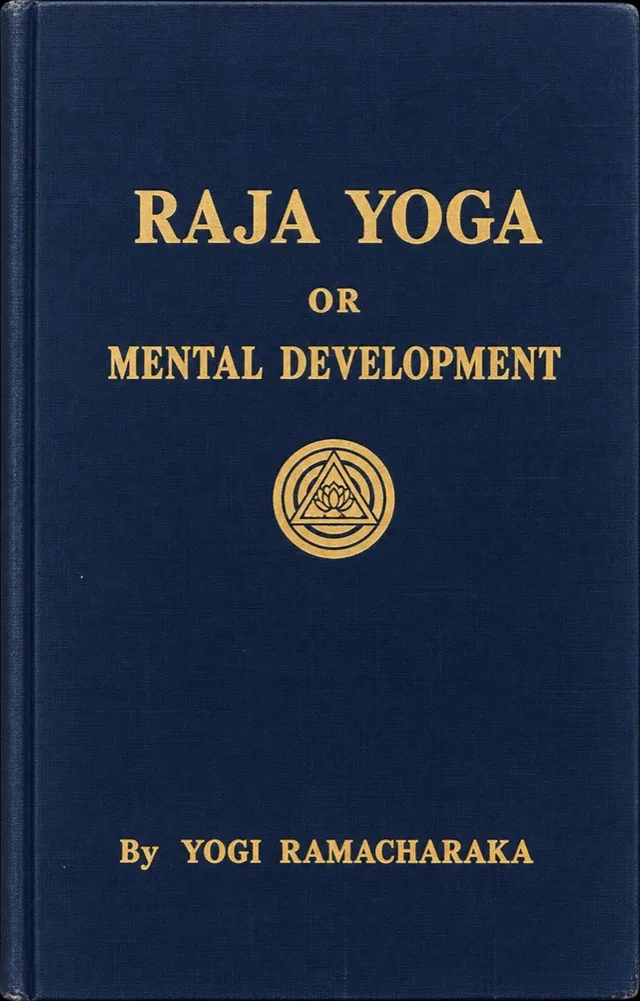 Source
Lesson-ending first-person statements restate the book's teachings as declarations of intention and identity.
Ramacharaka’s Raja Yoga exposition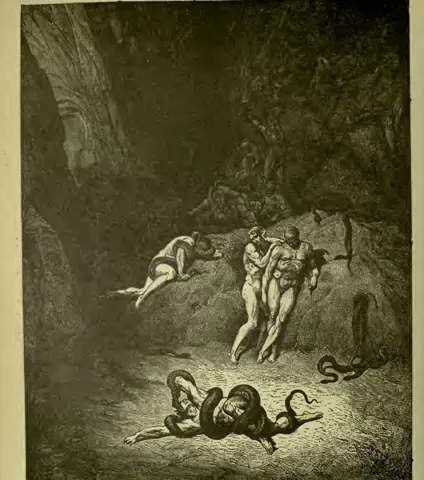
A man and serpent lose their distinct outlines in the thieves’ ditch.
Dante, Inferno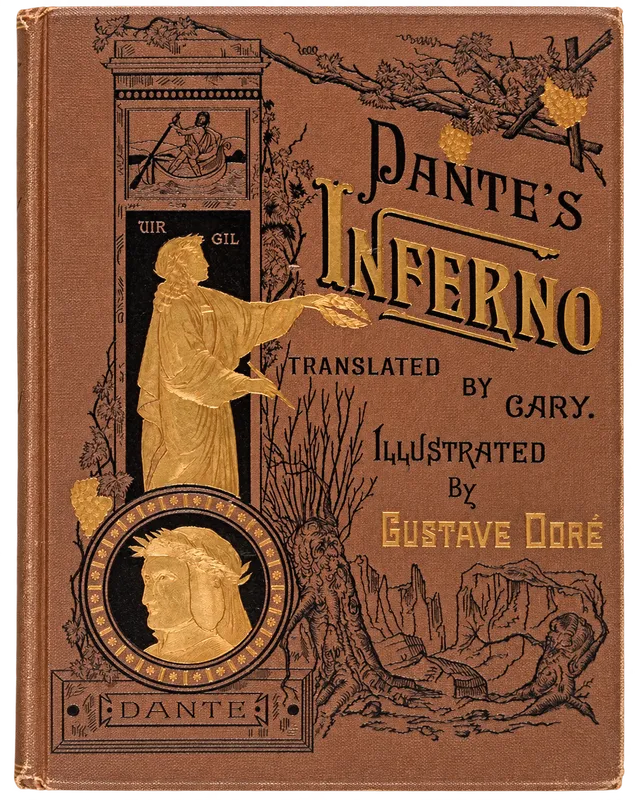 Source
The speaker who requests relief from the ice over his eyes but does not receive it.
Dante, Inferno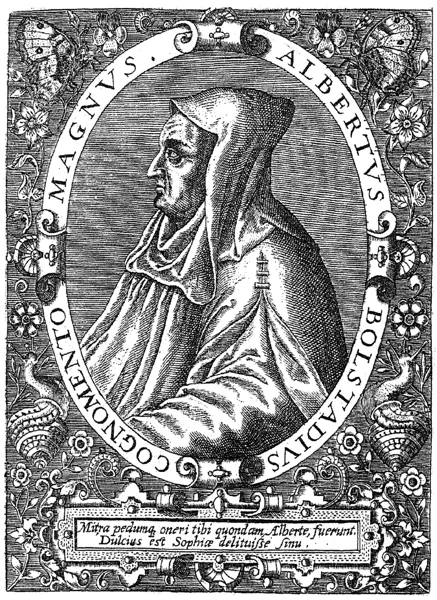
The scholar whom Redgrove places in his alchemical history while questioning the authenticity of attributed alchemical works.
Medieval learning, Redgrove's historical account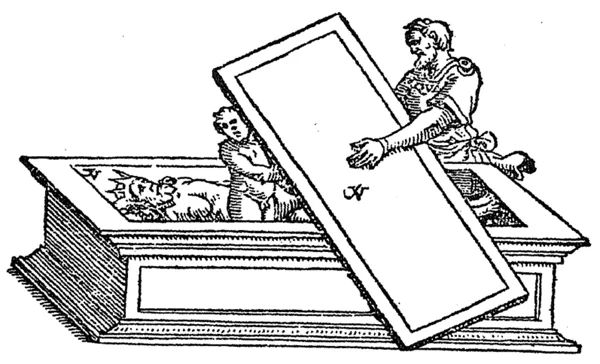
The combination of philosophy, material experiment and spiritual interpretation discussed in Redgrove's Alchemy: Ancient and Modern.
Alchemy, H. Stanley Redgrove's historical account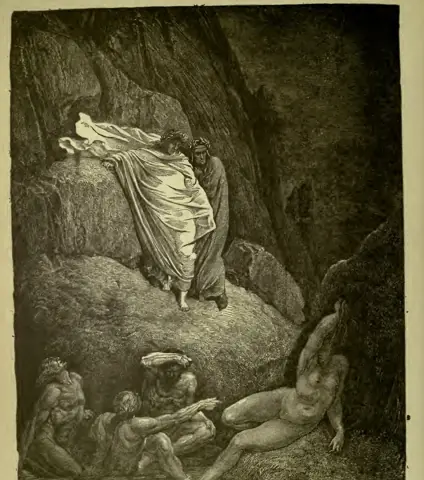
The recognised speaker who attributes his place in the second ditch to excessive flattery.
Dante, Inferno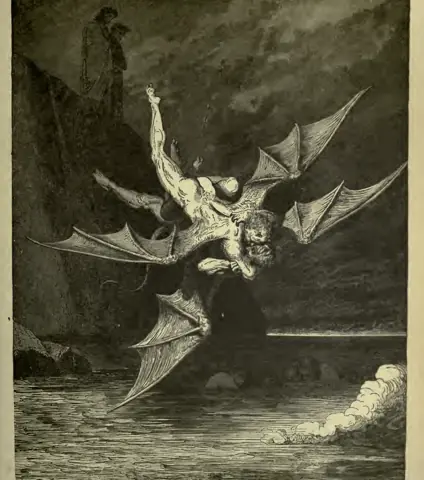
The failed pursuit that sends two guardians into their own sticky pool.
Dante, Inferno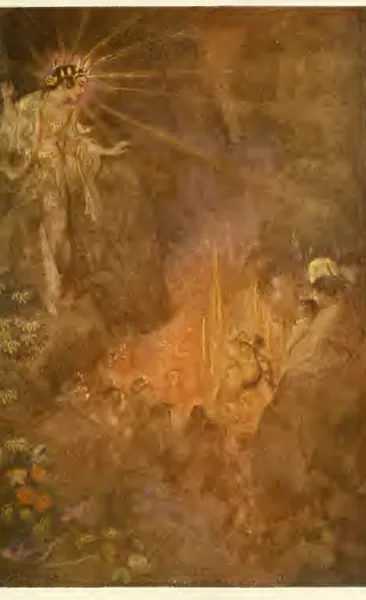
The Sun Goddess whose presence illuminates the world in Davis's retelling of Japanese mythology.
Japanese mythology, Davis retellingThe mythic episode in which the Sun Goddess withdraws and an assembly of gods draws her back into the light.
Japanese mythology, Davis retelling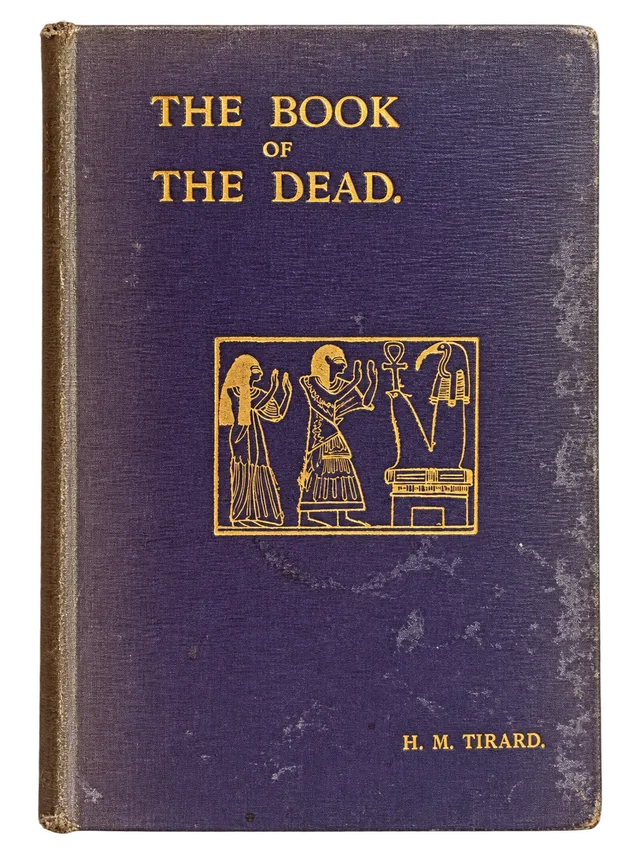 Source
The Hidden Land divided into domains of posthumous life.
Egyptian funerary religion Source
The disciple who pleads for women’s admission and grieves at Buddha’s final departure.
Buddhist traditions, Nivedita and Coomaraswamy Source
Leadbeater’s account of a short animal afterlife and gradual individualization.
Theosophical astral cosmologySourceEgyptian sign of life interpreted as a talisman of creative continuity.
Historical talisman traditions Source
A shadow realm reached through fairy lakes and ruled in different tales by named kings.
Welsh folklore, Wirt Sikes Source
The otherworld kingdom entered through an exchange of royal appearance and duty.
The Mabinogion, Guest’s 1877 edition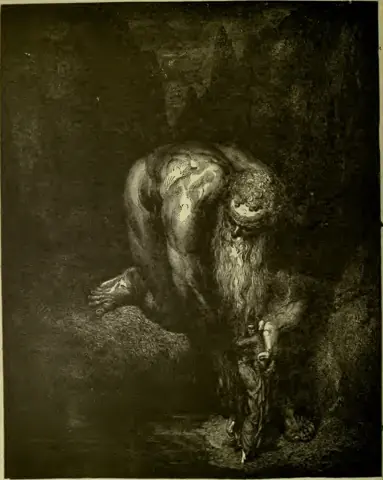
The unfettered giant who lowers Dante and Virgil toward Cocytus.
Dante, Inferno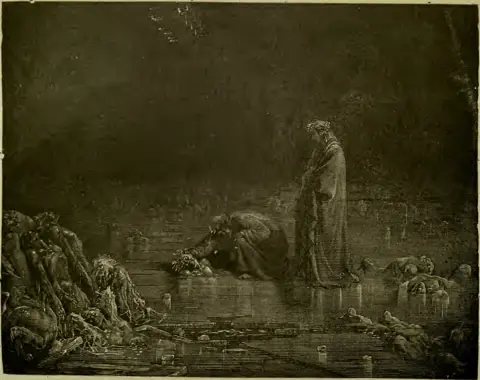
The part of the ice where the encounter with Bocca leads to accusations of betrayal.
Dante, InfernoSourceGuardian of the mummy and guide into the judgment hall.
Egyptian funerary religionSourceReports of a dying person’s presence interpreted as a visit or a thought-form.
Theosophical astral cosmology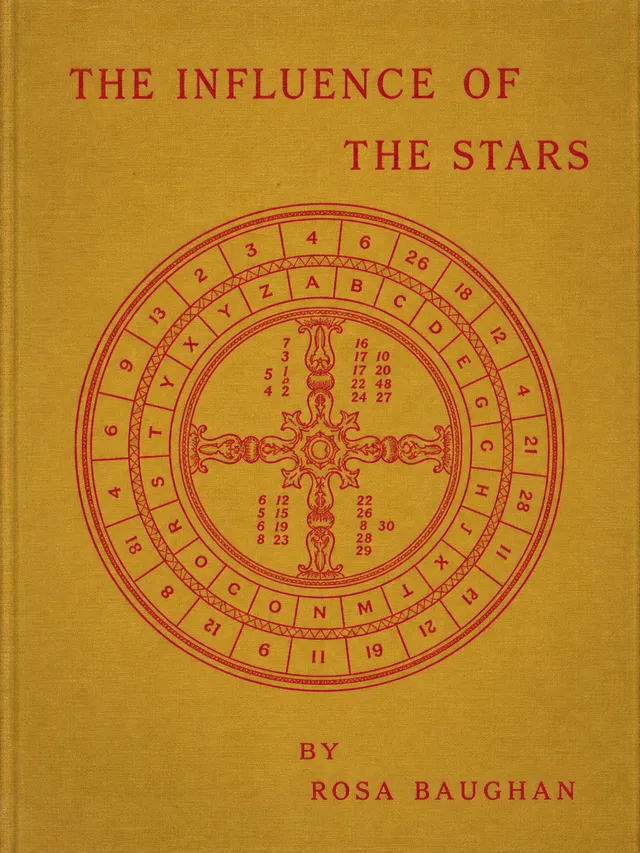 Source
Baughan associates Aquarius with the legs and ankles and the colour sky blue.
Baughan’s historical astrologySourceThe crowned king of Annwn whose white hounds meet Pwyll in the forest.
Welsh folklore, Wirt SikesSourceThe king of Annwvyn who exchanges kingdoms and appearances with Pwyll.
The Mabinogion, Guest’s 1877 editionSourceThe mother who places conditions on Llew’s name, arms and marriage.
The Mabinogion, Guest’s 1877 editionSourceBaughan associates Aries with the head and face and the colour white.
Baughan’s historical astrology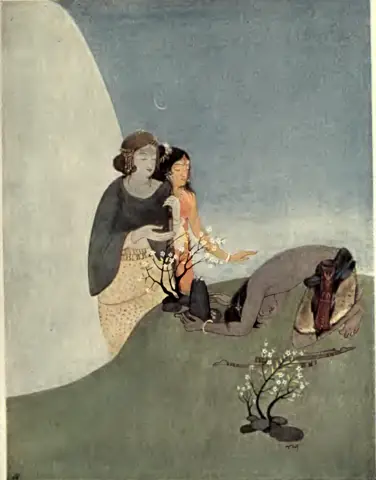
The Pandava archer whose skill and moral hesitation make him central to the Mahabharata.
Indian traditions, Nivedita and Coomaraswamy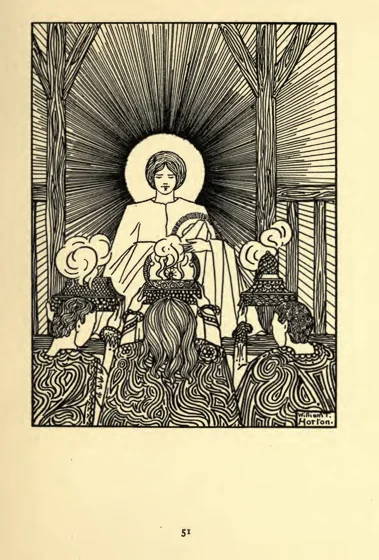
The comparison between symbolic art and a talisman in Yeats’s introduction to A Book of Images.
W. B. Yeats’s introduction to W. T. Horton, A Book of Images (1898)SourceThe courtly ruler whose household gathers the companions and quests of Guest’s Welsh romances.
The Mabinogion, Guest’s 1877 editionSourceThe twin divine physicians whose gift of youth earns a place in the gods’ offerings.
Indian traditions, Nivedita and Coomaraswamy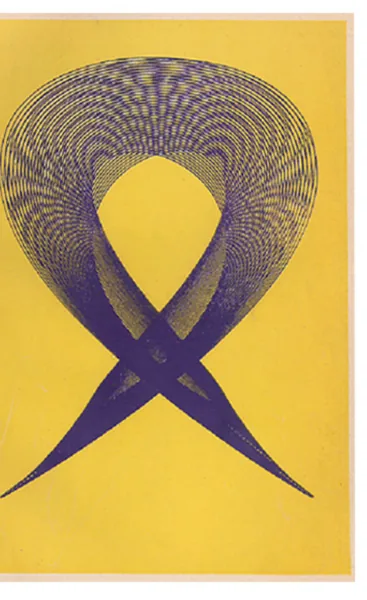
The meditation on embracing all humanity and drawing it toward an ideal described in Thought-Forms.
Theosophy, Besant and Leadbeater Source
The subtle desire-body through which the authors explain emotional forms and habits.
Theosophy, Besant and Leadbeater Source
The image-bearing medium through which Lévi explains visions and magical influence.
Éliphas Lévi, Transcendental MagicSourceTheosophy’s intermediate world, divided by states of consciousness and matter.
Theosophical astral cosmologySourceClaimed perception that sees an object’s interior and several sides at once.
Theosophical astral cosmology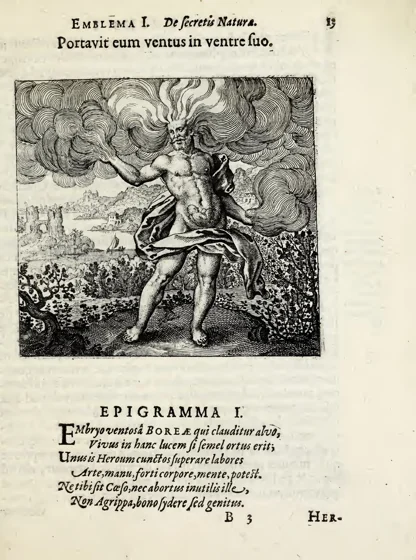
Maier’s alchemical emblem book brings engraved images, epigrams, prose and three-voice music into a single sequence.
Michael Maier’s Atalanta Fugiens (1618)SourceChemical response is interpreted as rudimentary feeling and inclination in the supplied Raja Yoga text.
Ramacharaka’s Raja Yoga expositionSourceThe self-emerging creator called Tum by Tirard, rising from primordial water in the Heliopolitan creation account.
Egyptian funerary religion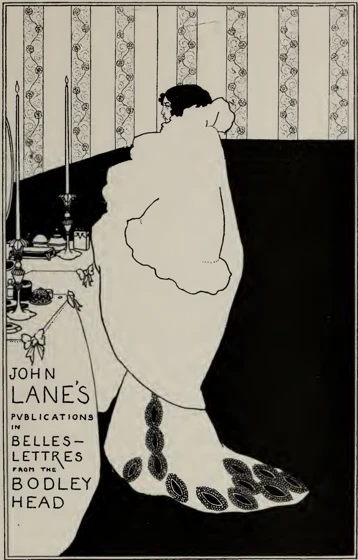
The Modern Poster reproduces Beardsley’s Bodley Head design and his Avenue Theatre announcement.
Poster and book-cover design in The Modern Poster (1895)SourceThe layered luminous field described around living beings in Theosophy.
Theosophical astral cosmology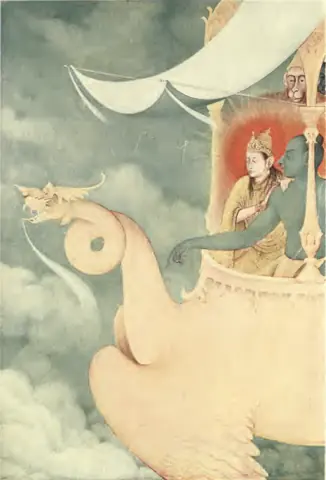
The royal city whose ideal order is broken by Rama’s exile and restored by his return.
Indian traditions, Nivedita and CoomaraswamySourceThe mobile aspect of the soul in Tirard’s account, pictured as a human-faced bird able to leave and return to the mummy.
Egyptian funerary religionSourceEight-line combinations used within the Pavitts’ account of Chinese talismans.
Historical talisman traditions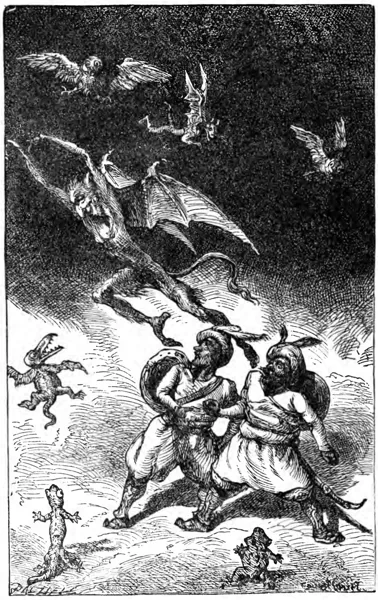
The corpse-animating, storytelling spirit who tests King Vikram in Burton's adaptation of the Baital tales.
Indian tale tradition, Burton adaptation Source
The composite creature called upon to consume an evil dream.
Japanese legends, Davis retellingSourceKrishna’s brother, associated in the collection with the serpent Shesha.
Indian traditions, Nivedita and CoomaraswamySourceA warning woman associated with family, mourning, and the dead.
Celtic fairy traditionsSourceThe composite goat figure used to represent equilibrium and the Absolute.
Éliphas Lévi, Transcendental Magic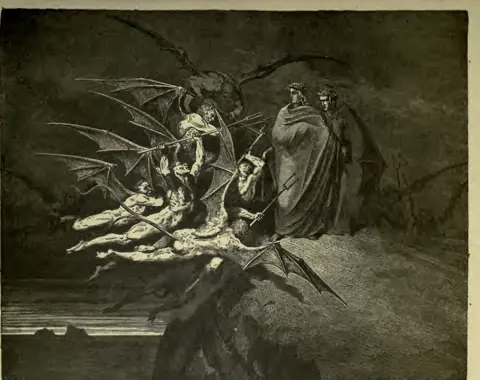
The captain who restrains his own violent company long enough for questioning.
Dante, InfernoSourceThe glowing insects associated with returning Minamoto and Taira warriors.
Japanese legends, Davis retelling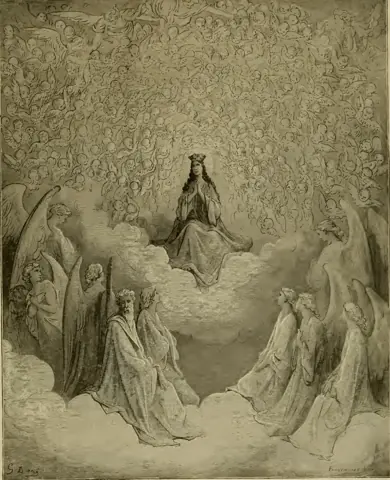
The woman whose recognition leads through confession towards the celestial journey.
Dante, Purgatory and Paradise Source
The senior fallen counsellor who presents the scheme against the human world.
John Milton, Paradise Lost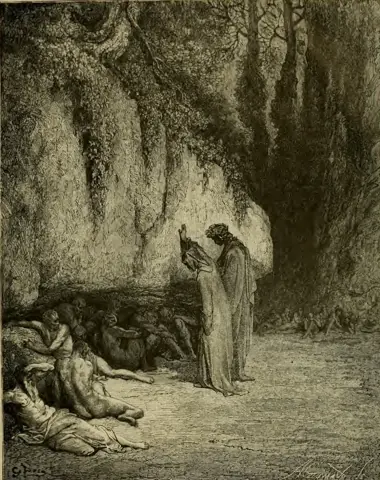
The familiar spirit whose delayed repentance becomes a long wait beneath the rock.
Dante, Purgatory and ParadiseSourceThe persuasive speaker whose graceful counsel disguises indolence.
John Milton, Paradise LostSourceThe giant king who becomes a bridge for his army and leaves a protective head behind.
The Mabinogion, Guest’s 1877 edition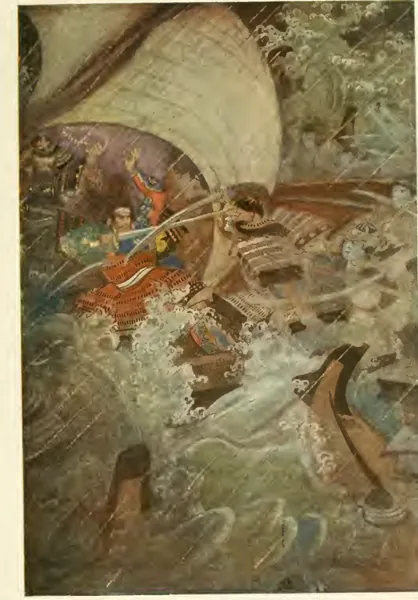
The powerful warrior and companion of Yoshitsune portrayed in Davis's cycle of heroic legends.
Japanese heroic legend, Davis retellingSourceSolar heron whose identification with the Greek phoenix is questioned.
Egyptian funerary religionSourceA figure associated with love, beauty, eloquence and island shrines in Davis.
Japanese legends, Davis retellingThe elder who directs Dante’s last attention towards Mary and the ultimate vision.
Dante, Purgatory and Paradise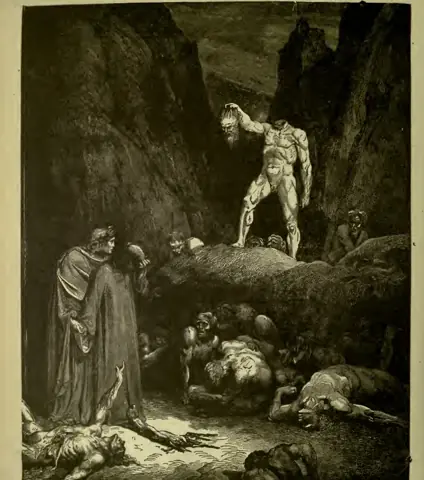
The head-bearing speaker who explains his division through a division he claims to have caused.
Dante, InfernoSourceEgyptian protective figure associated with merriment, children, and renewed youth.
Historical talisman traditionsSourceThe royal descendant whose persistence brings Ganga to his ancestors’ ashes.
Indian traditions, Nivedita and CoomaraswamySourceThe brother who refuses to profit from Rama’s exile and waits for his return.
Indian traditions, Nivedita and CoomaraswamySourceThe powerful Pandava whose rivalry with Duryodhana turns display towards violence.
Indian traditions, Nivedita and CoomaraswamySourceThe royal elder whose obligations connect the rival houses of the Mahabharata.
Indian traditions, Nivedita and CoomaraswamySourceActive Intelligence in Lévi’s symbolic scale, balanced by Wisdom and associated with the four Tarot threes.
Éliphas Lévi, Transcendental MagicSourceThree birds whose song holds the surviving companions of Branwen’s story in an enchanted interval.
Welsh folklore, Wirt SikesSourceThe woman made from flowers who becomes an owl after conspiring against Llew.
The Mabinogion, Guest’s 1877 editionThe frozen speaker identified by another voice after resisting Dante’s demands.
Dante, InfernoSourceThe Buddha-elect whose long preparation joins sacrifice to the power to enlighten others.
Buddhist traditions, Nivedita and CoomaraswamySourceA variable collection of funerary texts rather than a single fixed book.
Egyptian funerary religion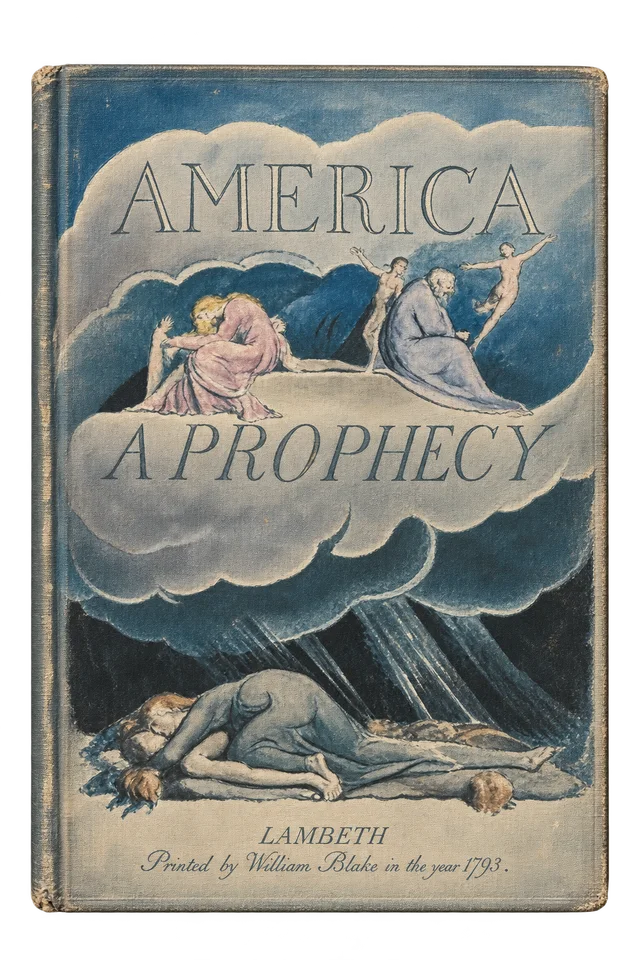 Source
A guardian figure rejects obedience, tears away his robe and sceptre, and draws the other thirteen Angels into a collective refusal.
William Blake’s illuminated mythology in America: A ProphecySourceThe creative aspect of the divine, distinct in the collection from the absolute Brahman.
Indian traditions, Nivedita and CoomaraswamySourceAn invitation carried by a silver branch draws Bran beyond ordinary Ireland.
Celtic fairy traditionsSourceThe named example used to explain a body functioning above while its soul is already below.
Dante, InfernoSourceThe princess whose marriage alliance becomes the centre of a catastrophe between two islands.
The Mabinogion, Guest’s 1877 editionSourceThe road made by Sin and Death across the abyss after the human fall.
John Milton, Paradise LostSourceA Cornish power that the survey distinguishes from ordinary fairies.
Celtic fairy traditionsSourceA Roman amulet container worn as a sign and safeguard.
Historical talisman traditions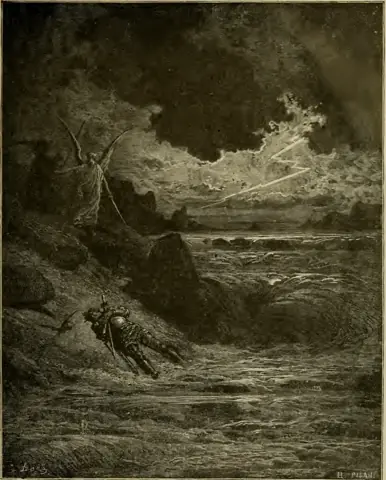
A last invocation and tear decide the fate of a dying fighter in the poem.
Dante, PurgatorioSourceA tree-side resting place where a devout monk sleeps beyond his lifetime.
Welsh folklore, Wirt SikesSourceA household goblin who helps with work but can torment an unwelcome guest.
Welsh folklore, Wirt SikesSourceMercury’s serpent-entwined rod as an emblem of persuasion and reconciliation.
Historical talisman traditions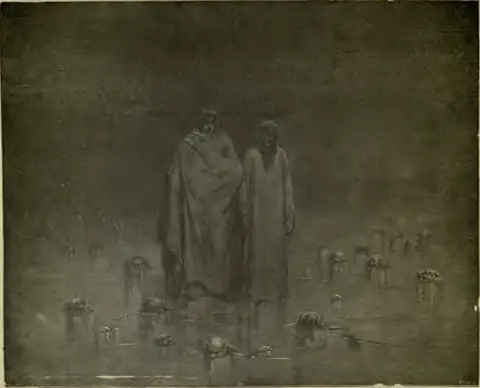
The first division of the frozen circle, introduced through entangled family figures.
Dante, InfernoSourceBaughan associates Cancer with the breast and stomach and the colour green and russet brown.
Baughan’s historical astrologySourceA stone chair used in a healing legend alongside the water of Canna’s well.
Welsh folklore, Wirt SikesSourceBaughan associates Capricorn with the knees and hams and the colour black or dark brown.
Baughan’s historical astrologySourceThe maker of an inspiration-cauldron whose intended gift is diverted to Gwion Bach.
The Mabinogion, Guest’s 1877 editionSourceThe year-long preparation that concentrates its power into three drops.
The Mabinogion, Guest’s 1877 editionSourceA stone marked by Arthur’s dog that cannot be permanently removed from its heap.
Welsh folklore, Wirt SikesSourceBreton megalithic landscape surrounded by living tales of korrigans.
Celtic fairy traditionsSourceThe enclosing name-sign treated as a safeguard of personal identity.
Historical talisman traditions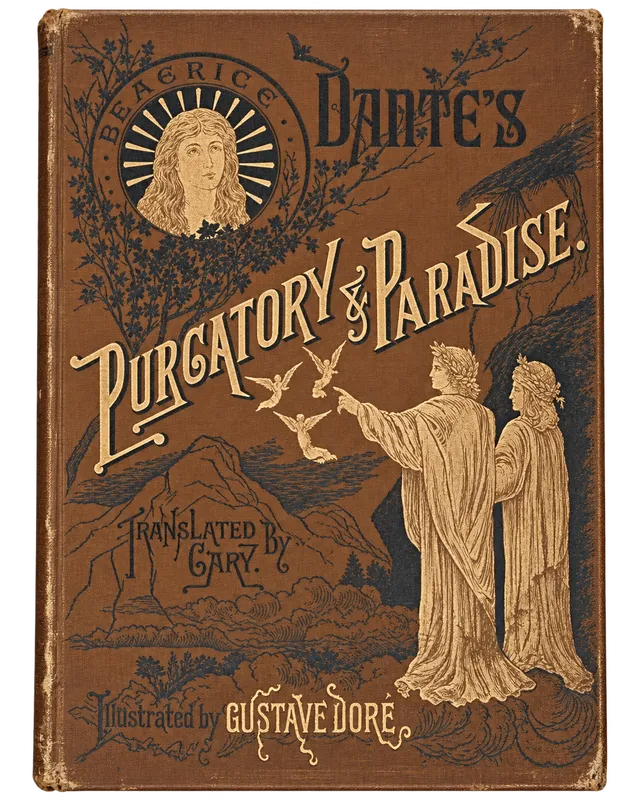 Source
The beloved singer whom Dante tries, unsuccessfully, to embrace after death.
Dante, Purgatory and ParadiseSourceTwo great eagles guarding an iron chest beneath the castle in a treasure legend.
Welsh folklore, Wirt Sikes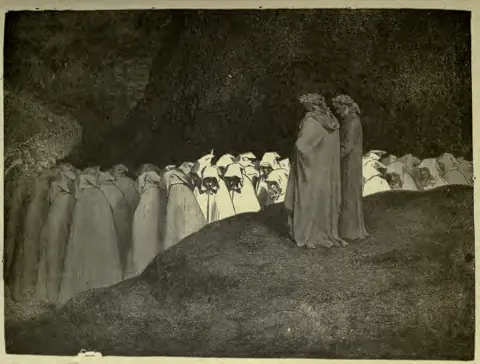
Two Bolognese friars who recall their joint appointment as arbiters in Florence.
Dante, Inferno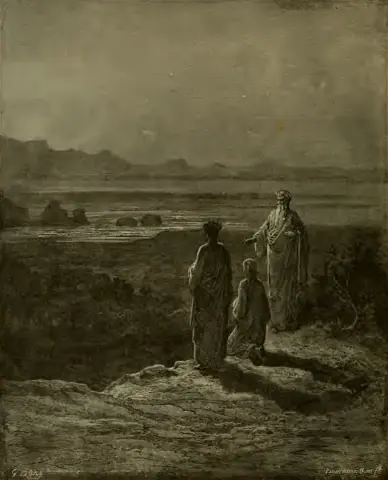
The revered guardian who permits a living traveller to approach the mountain.
Dante, Purgatory and ParadiseSourceVehicle of the higher self that persists across births in the Theosophical account.
Theosophical astral cosmology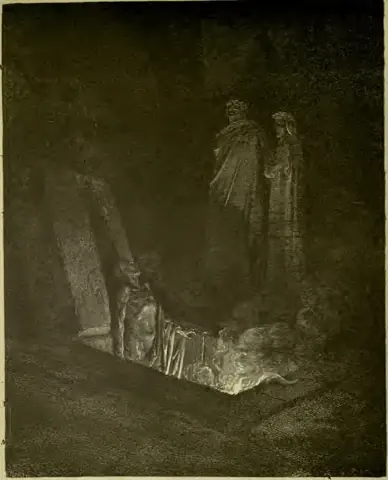
The grieving father who mistakes Dante’s tense and hesitation for news of death.
Dante, InfernoSourceA named entrance associated with Sidhe visitors and Nera’s adventure.
Celtic fairy traditionsSourceThe heavenly river separating Tanabata and Hikoboshi in Davis's star-lovers legend.
Japanese legends, Davis retelling Source
Ten dealt positions form a cross and a four-card staff around a separately chosen representative card.
Western Tarot symbolism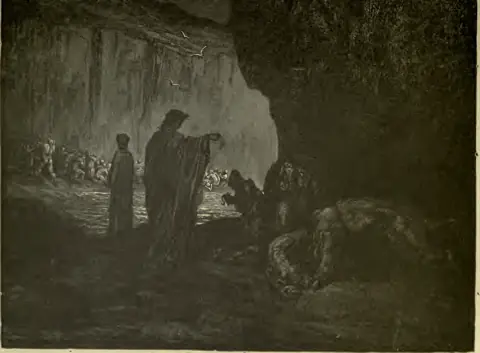
The three-throated guardian among the gluttonous souls beneath ceaseless cold rain.
Dante, Inferno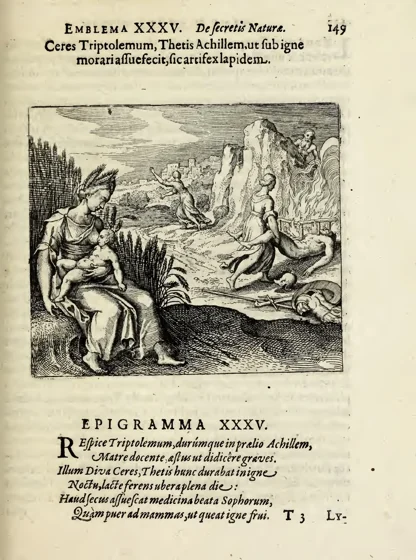
Maier pairs the nurture of Triptolemus and Achilles with the gradual strengthening of his philosophical stone.
Michael Maier, Atalanta Fugiens (1618)SourceThe charioteer who explains the prince’s first encounters with suffering and accompanies his departure.
Buddhist traditions, Nivedita and Coomaraswamy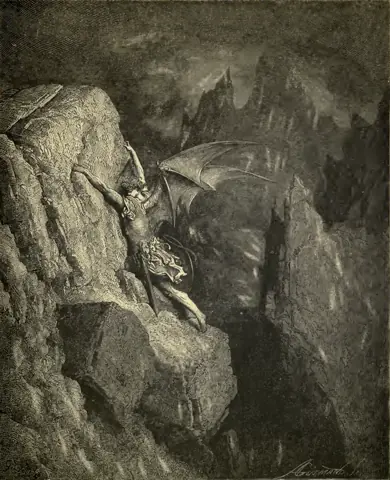
The ruler of the unformed abyss who welcomes ruin as a recovery of lost territory.
John Milton, Paradise LostThe fiery-eyed boatman who gathers the dead at Acheron and objects to Dante’s living presence.
Dante, InfernoSourceMercy in Lévi’s symbolic scale: benevolent strength expressed through the benefactions of the four Tarot fours.
Éliphas Lévi, Transcendental Magic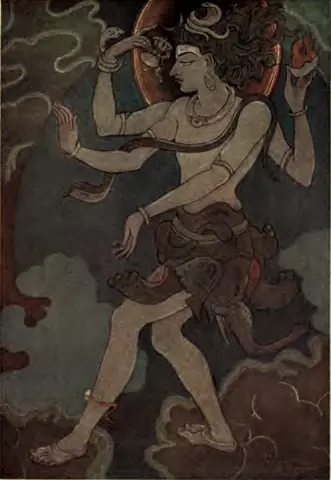
The sacred city associated in the collection with Shiva’s dance and the Golden Court.
Indian traditions, Nivedita and Coomaraswamy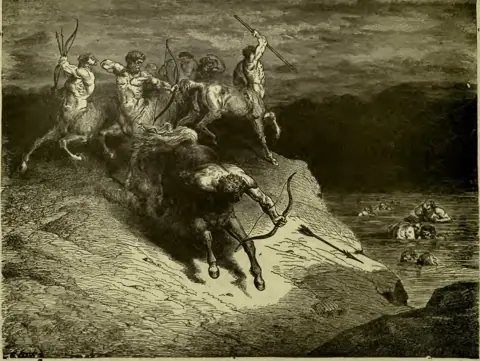
The centaur who notices the physical evidence that Dante is alive.
Dante, InfernoSourceThe patterned sound-plate and pendulum examples used as analogies in Besant and Leadbeater's account of thought-forms.
Theosophy, Besant and LeadbeaterSourceWisdom in Lévi’s symbolic scale, represented by four rivers and associated with the Tarot’s numbered twos.
Éliphas Lévi, Transcendental MagicShowing 120 of 844 entries
Show more entries