Svarga
Svarga is a heavenly realm associated with Indra. Read about Arjuna’s visit, Yudhishthira’s ascent and why the Bhagavad Gita describes a return to earth.
In this article
What is Svarga?
Svarga is a heavenly realm in Hindu literature, commonly associated with Indra. The epics describe a court with music, gardens and divine company. In the Bhagavad Gita, enjoying such a heaven can be a temporary reward within samsara. Moksha is release from the cycle of returning. [5][1][2][6][7][8]
Heaven and return in Bhagavad Gita 9.20–21
In Swami Mukundananda’s translation of Bhagavad Gita 9.20, worshippers reach Indra’s heaven through ritual merit and enjoy its pleasures. [1][2]
Verse 9.21 describes their return to earthly life when that merit is exhausted. The two verses give the heavenly reward a clear limit. [1][2]
Indian Myth and Legend by Donald A. Mackenzie
In Indian Myth and Legend, Donald A. Mackenzie describes Indra’s assembly hall as able to move at will. Celestial trees and flowers adorn it. Apsaras and Gandharvas perform for a gathering that includes gods, sages and heroes. [5]
Arjuna visits Indra’s city, called Swarga in the book, and spends five years learning dance, music and the use of celestial weapons. His encounter with Urvashi brings a curse that Indra says will later serve him. [6]
Yudhishthira refuses to abandon his dog to enter heaven. The dog reveals himself as Dharma. When Yudhishthira later hears his family in a place of torment, he chooses to stay beside them. The scene is revealed as a test. He bathes in the heavenly Ganges and reaches Indra’s city, where his family welcomes him. [7][8][9]
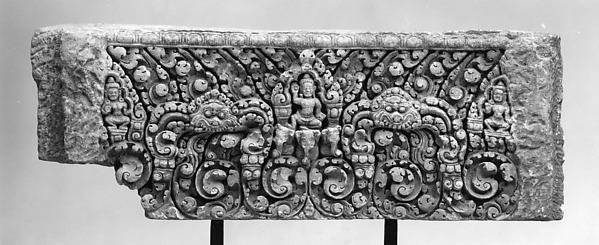
A Thai sandstone lintel shows Indra between attendants, eleventh to twelfth century.
The Metropolitan Museum of Art, Gift of Mr. and Mrs. Earl Morse, 1972, 1972.214. Open Access CC0; resized and converted to JPEG. · Image source ↗ · CC0
Heaven as a reward, a court and a test
Mackenzie’s ascent ends with reunion and enduring bliss. The Gita uses the same heavenly pleasures to explain the limits of a reward bought by merit. Arjuna’s stay has a further purpose: the court is where he learns skills for life back on earth. [8][9][2]
The Bhāgavata Purāṇa even calls its opulent lower regions subterranean heavens. Patala belongs to that separate cosmology. Heaven-like pleasures describe the quality of life in a place without deciding whether it brings release. [10][3][2]
Read further in the library
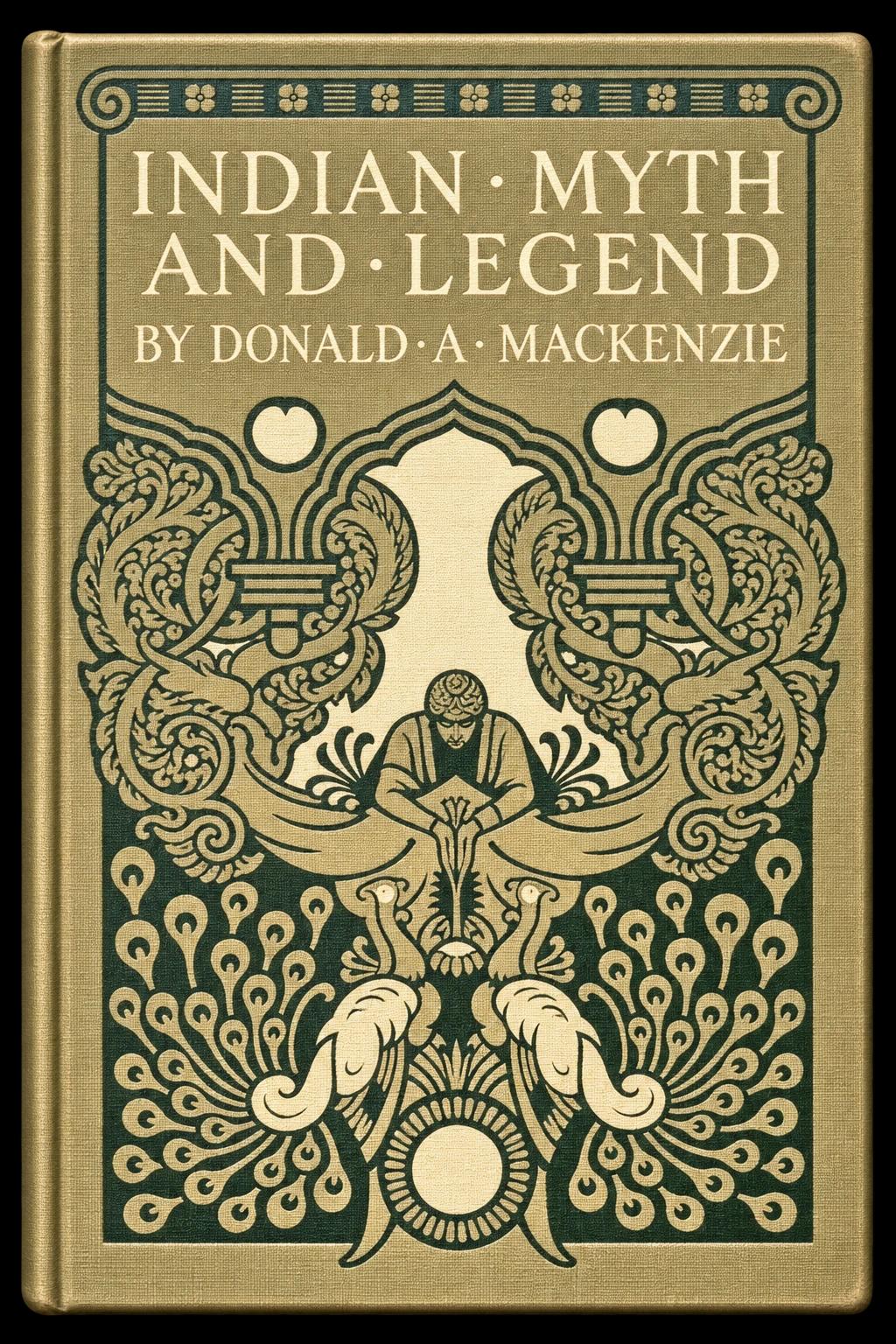
Indian Myth and Legend
Reading note
The separately titled account draws on exact passages in the consulted Library edition.
Sources
See references (10)
- Bhagavad Gita 9.20, translated by Swami Mukundananda ↗Verse directly consulted. Ritual merit and Indra’s celestial enjoyments are distinguished from liberation.Return to text ↑
- Bhagavad Gita 9.21, translated by Swami Mukundananda ↗Verse and opening commentary consulted. The return following exhaustion of merit belongs to this named account, rather than every use of heaven.Return to text ↑
- Bhagavata Purana 5.24.8, translated and explained by A. C. Bhaktivedanta Swami Prabhupada ↗Translation and purport directly consulted for bila-svarga, domestic splendour and the distinction between sense enjoyment and liberation.Return to text ↑
- Lintel with Indra and Two Attendants, 11th–12th century ↗The Metropolitan Museum of Art, Gift of Mr. and Mrs. Earl Morse, 1972, 1972.214. Open Access CC0; resized and converted to JPEG.
- Indian Myth and Legend, Reader page 122Donald A. Mackenzie, Indian Myth and Legend, Gresham Publishing Company Limited, London, undated consulted impression. Library edition IMJ-0649-E001. Persistent PageIDs and current Reader positions verified against the supplied PDF and cached Reader manifest. Embedded translations are Mackenzie’s presentation unless a separately consulted primary text is named.Read this page in Indian Myth and Legend ↗Return to text ↑
- Indian Myth and Legend, Reader page 342Donald A. Mackenzie, Indian Myth and Legend, Gresham Publishing Company Limited, London, undated consulted impression. Library edition IMJ-0649-E001. Persistent PageIDs and current Reader positions verified against the supplied PDF and cached Reader manifest. Embedded translations are Mackenzie’s presentation unless a separately consulted primary text is named.Read this page in Indian Myth and Legend ↗Return to text ↑
- Indian Myth and Legend, Reader page 413Donald A. Mackenzie, Indian Myth and Legend, Gresham Publishing Company Limited, London, undated consulted impression. Library edition IMJ-0649-E001. Persistent PageIDs and current Reader positions verified against the supplied PDF and cached Reader manifest. Embedded translations are Mackenzie’s presentation unless a separately consulted primary text is named.Read this page in Indian Myth and Legend ↗Return to text ↑
- Indian Myth and Legend, Reader page 414Donald A. Mackenzie, Indian Myth and Legend, Gresham Publishing Company Limited, London, undated consulted impression. Library edition IMJ-0649-E001. Persistent PageIDs and current Reader positions verified against the supplied PDF and cached Reader manifest. Embedded translations are Mackenzie’s presentation unless a separately consulted primary text is named.Read this page in Indian Myth and Legend ↗Return to text ↑
- Indian Myth and Legend, Reader page 415Donald A. Mackenzie, Indian Myth and Legend, Gresham Publishing Company Limited, London, undated consulted impression. Library edition IMJ-0649-E001. Persistent PageIDs and current Reader positions verified against the supplied PDF and cached Reader manifest. Embedded translations are Mackenzie’s presentation unless a separately consulted primary text is named.Read this page in Indian Myth and Legend ↗Return to text ↑
- Indian Myth and Legend, Reader page 131Donald A. Mackenzie, Indian Myth and Legend, Gresham Publishing Company Limited, London, undated consulted impression. Library edition IMJ-0649-E001. Persistent PageIDs and current Reader positions verified against the supplied PDF and cached Reader manifest. Embedded translations are Mackenzie’s presentation unless a separately consulted primary text is named.Read this page in Indian Myth and Legend ↗Return to text ↑