Karma Yoga
Karma Yoga is a Hindu path of action without attachment. Explore Krishna’s teaching on work and Vivekananda’s accounts of service and freedom.
In this article
What is Karma Yoga?
Karma Yoga is a Hindu discipline of acting without clinging to the results. In the Bhagavad Gita, Krishna teaches Arjuna how work can become a path to freedom. Swami Vivekananda develops that teaching through examples of ordinary work, character and service. [2][4]
The practice turns on what a worker expects in return. An apparently generous act can still seek praise. An ordinary responsibility can be done with care without making recognition a condition of the work. [5][6][7]
The Bhagavad Gita: action and worship
In Bhagavad Gita 3.3, Krishna distinguishes a discipline of knowledge and a discipline of action. Verse 3.19 tells Arjuna to do the work that needs doing without attachment. Verse 18.46 takes a devotional view: work can become worship of the source of all beings. [1][2][3]
Karma-Yoga by Swami Vivekananda
Swami Vivekananda opens Karma-Yoga by treating karma here as work: physical and mental actions leave traces that contribute to character. He directs attention away from exceptional displays of heroism toward a person’s common actions. Character is formed through the accumulated pattern of doing, feeling and thinking. [8][9][10]
His argument then changes the measure of success. Work for fame, wealth or even a reward in heaven remains directed toward personal gain. Work for its own sake means acting because good can come of it, without making recognition the condition of generosity. He treats this as a difficult capacity cultivated gradually, rather than something acquired by announcing a noble intention. [11][5][12][6][7]
Vivekananda pictures someone walking through a crowded city with the calm they might feel in a quiet cave. The point is that work can be intense while the worker loosens the hold of expectation. [6][7][13][14]
Can someone follow this path without believing in God? His answer is explicit. One approach relies on will and discrimination to cultivate non-attachment; another offers the fruits of action to God. He also says that the worker need not accept a doctrine or engage in speculation about the soul. These alternatives belong to his inclusive account of Karma Yoga, alongside the book’s many devotional passages. [15][16][14][17][18]
For Vivekananda, helping also changes the person who helps. Service gives the giver a chance to let go of pride and the expectation of gratitude. He asks the worker to keep doing good without imagining that another person owes them a reward. [19][20][21][22][4]
The final chapter relates work to paths of love, knowledge and psychological discipline. Vivekananda presents these as overlapping approaches with a shared goal. His concluding portrait of the Buddha as an ideal Karma Yogin is a comparative interpretation made within this argument, rather than the Buddha’s own description of his teaching. [23][24][25][26]
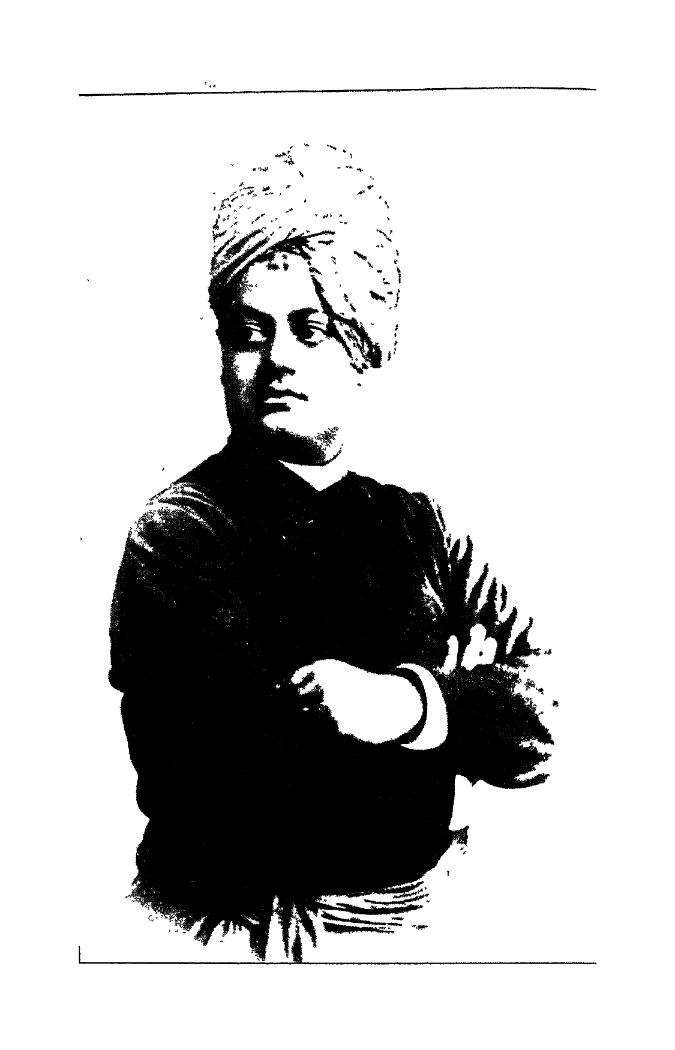
Swami Vivekananda, from the portrait reproduced in the consulted 1939 volume. The underlying Chicago portrait is attributed to Thomas Harrison, 1893. This is an author portrait.
Thomas Harrison, 1893; historical reproduction in Karma-Yoga & Bhakti-Yoga (1939), Library Reader page 2. · Image source ↗ · Public Domain
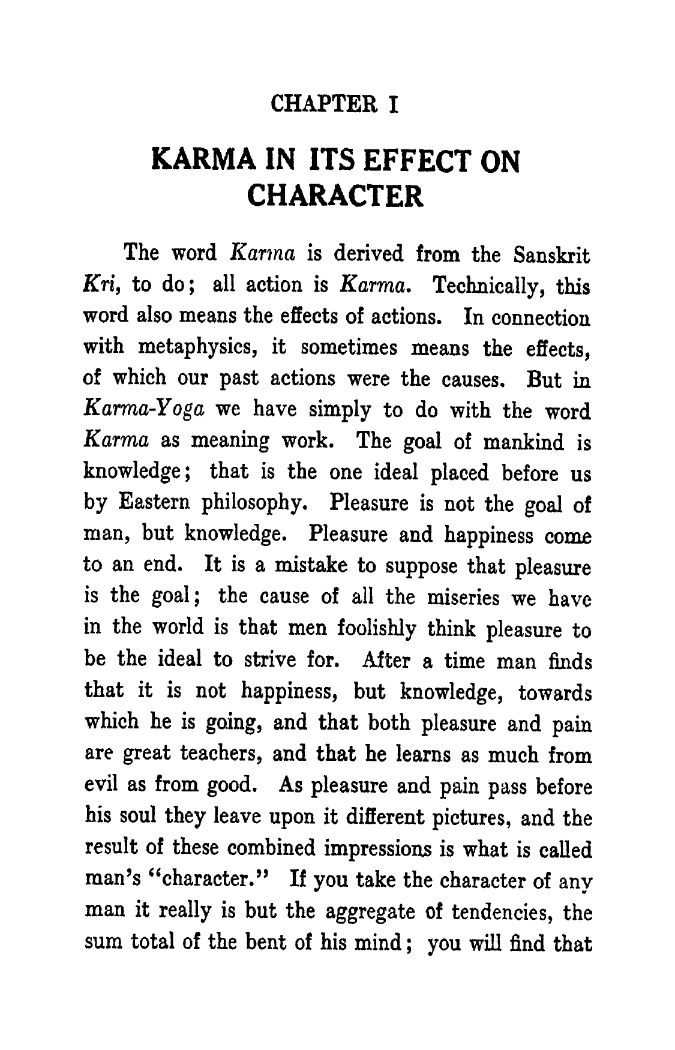
Source facsimile: Karma-Yoga (1939), opening chapter, Reader page 5. Vivekananda begins by defining karma as work and relating it to character.
Swami Vivekananda, Karma-Yoga, English second printing in the 1939 combined volume. Historical public-domain text, exact checksum-verified Library scan. · Image source ↗ · Public Domain
See references (23)
- Karma-Yoga, Reader page 121
- Karma-Yoga, Reader page 12
- Karma-Yoga, Reader page 14
- Karma-Yoga, Reader page 15
- Karma-Yoga, Reader page 5
- Karma-Yoga, Reader page 8
- Karma-Yoga, Reader page 9
- Karma-Yoga, Reader page 11
- Karma-Yoga, Reader page 13
- Karma-Yoga, Reader page 102
- Karma-Yoga, printed p. 101, Reader page 103
- Karma-Yoga, Reader page 82
- Karma-Yoga, Reader page 91
- Karma-Yoga, Reader page 104
- Karma-Yoga, Reader page 115
- Karma-Yoga, Reader page 67
- Karma-Yoga, Reader page 68
- Karma-Yoga, Reader page 69
- Karma-Yoga, Reader page 70
- Karma-Yoga, Reader page 111
- Karma-Yoga, Reader page 122
- Karma-Yoga, Reader page 123
- Karma-Yoga, printed p. 122, Reader page 124
Initiation and Its Results by Rudolf Steiner
Rudolf Steiner relates personal development to service in Initiation and Its Results. He argues that developing one’s capacities can make one more useful to humanity, and insists that small daily actions retain significance within the larger world. [29][30][31]
Work, worship and service
Karma and Karma Yoga answer different questions. Karma concerns action and its consequences; Karma Yoga is a discipline intended to free the worker from bondage through a changed relation to action. The book’s account of samskaras explains why repeated conduct matters, while vairagya explains why giving up possessiveness is central. [27][28][13]
The Gita presents work as an offering in Krishna’s instruction to Arjuna. Vivekananda retains that devotional path and also describes one based on will and discernment for a worker who does not believe in God. [1][3][14][18]
Both books connect the worker’s development with service. Vivekananda emphasizes giving up pride and the expectation of gratitude; Steiner explains why cultivation of one’s own capacities need not be selfish. These are related ethical arguments within distinct accounts of spiritual development. [29][30][31][19][20][21][22]
See references (14)
- Bhagavad Gita 3.3, translated by Swami Mukundananda
- Bhagavad Gita 18.46, translated by Swami Mukundananda
- Karma-Yoga, Reader page 102
- Karma-Yoga, printed p. 101, Reader page 103
- Karma-Yoga, Reader page 115
- Karma-Yoga, Reader page 67
- Karma-Yoga, Reader page 68
- Karma-Yoga, Reader page 69
- Karma-Yoga, Reader page 70
- Karma-Yoga, printed p. 37, Reader page 39
- Karma-Yoga, Reader page 42
- Initiation and Its Results, printed p. 49, Reader page 48
- Initiation and Its Results, printed p. 50, Reader page 49
- Initiation and Its Results, printed p. 51, Reader page 50
In the library
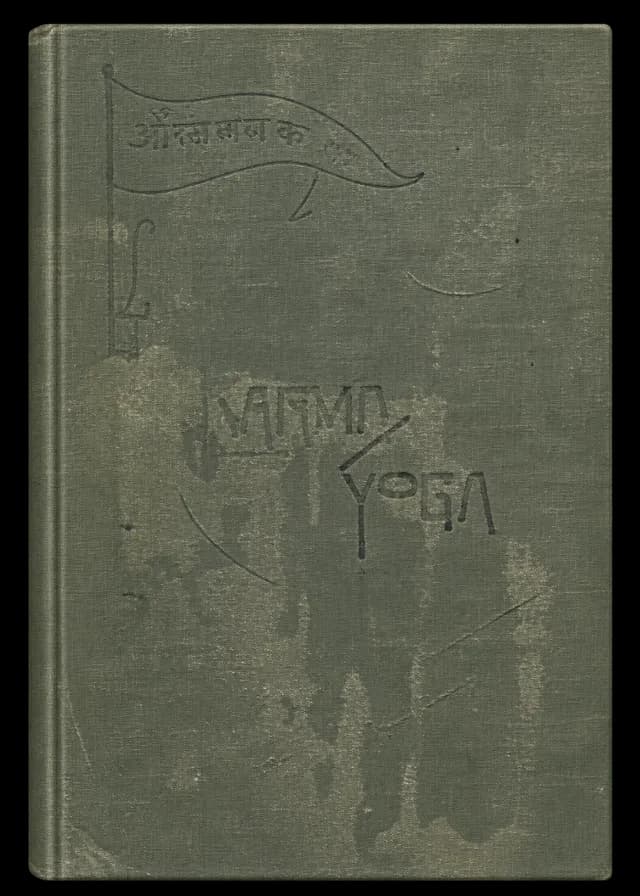
Karma Yoga
Reading note
The separately titled account draws on exact passages in the consulted Library edition.

Initiation and Its Results
Reading note
Separately attributed comparison with exact previously researched Library passages.
Sources
See references (32)
- Bhagavad Gita 3.3, translated by Swami Mukundananda ↗Bhagavad Gita, dialogue of Krishna and Arjuna, verse 3.3. Swami Mukundananda’s published translation and separately labelled commentary.
- Bhagavad Gita 3.19, translated by Swami Mukundananda ↗Bhagavad Gita 3.19, in Swami Mukundananda’s translation. The term param is rendered as the Supreme.
- Bhagavad Gita 18.46, translated by Swami Mukundananda ↗Bhagavad Gita 18.46, in Swami Mukundananda’s devotional translation. Verse distinguished from the following commentary.
- Karma-Yoga, Reader page 121Swami Vivekananda, Karma-Yoga, in Karma-Yoga & Bhakti-Yoga, English second printing, Ramakrishna-Vivekananda Center of New York, Inc., 1939. Exact Library edition IMJ-0097-E002. Only the Karma-Yoga part is used in this crawl; the old Work slug mentioning Hindi does not identify this edition’s language.Read this page in Karma Yoga ↗
- Karma-Yoga, Reader page 12Swami Vivekananda, Karma-Yoga, in Karma-Yoga & Bhakti-Yoga, English second printing, Ramakrishna-Vivekananda Center of New York, Inc., 1939. Exact Library edition IMJ-0097-E002. Only the Karma-Yoga part is used in this crawl; the old Work slug mentioning Hindi does not identify this edition’s language.Read this page in Karma Yoga ↗
- Karma-Yoga, Reader page 14Swami Vivekananda, Karma-Yoga, in Karma-Yoga & Bhakti-Yoga, English second printing, Ramakrishna-Vivekananda Center of New York, Inc., 1939. Exact Library edition IMJ-0097-E002. Only the Karma-Yoga part is used in this crawl; the old Work slug mentioning Hindi does not identify this edition’s language.Read this page in Karma Yoga ↗
- Karma-Yoga, Reader page 15Swami Vivekananda, Karma-Yoga, in Karma-Yoga & Bhakti-Yoga, English second printing, Ramakrishna-Vivekananda Center of New York, Inc., 1939. Exact Library edition IMJ-0097-E002. Only the Karma-Yoga part is used in this crawl; the old Work slug mentioning Hindi does not identify this edition’s language.Read this page in Karma Yoga ↗
- Karma-Yoga, Reader page 5Swami Vivekananda, Karma-Yoga, in Karma-Yoga & Bhakti-Yoga, English second printing, Ramakrishna-Vivekananda Center of New York, Inc., 1939. Exact Library edition IMJ-0097-E002. Only the Karma-Yoga part is used in this crawl; the old Work slug mentioning Hindi does not identify this edition’s language.Read this page in Karma Yoga ↗
- Karma-Yoga, Reader page 8Swami Vivekananda, Karma-Yoga, in Karma-Yoga & Bhakti-Yoga, English second printing, Ramakrishna-Vivekananda Center of New York, Inc., 1939. Exact Library edition IMJ-0097-E002. Only the Karma-Yoga part is used in this crawl; the old Work slug mentioning Hindi does not identify this edition’s language.Read this page in Karma Yoga ↗
- Karma-Yoga, Reader page 9Swami Vivekananda, Karma-Yoga, in Karma-Yoga & Bhakti-Yoga, English second printing, Ramakrishna-Vivekananda Center of New York, Inc., 1939. Exact Library edition IMJ-0097-E002. Only the Karma-Yoga part is used in this crawl; the old Work slug mentioning Hindi does not identify this edition’s language.Read this page in Karma Yoga ↗
- Karma-Yoga, Reader page 11Swami Vivekananda, Karma-Yoga, in Karma-Yoga & Bhakti-Yoga, English second printing, Ramakrishna-Vivekananda Center of New York, Inc., 1939. Exact Library edition IMJ-0097-E002. Only the Karma-Yoga part is used in this crawl; the old Work slug mentioning Hindi does not identify this edition’s language.Read this page in Karma Yoga ↗
- Karma-Yoga, Reader page 13Swami Vivekananda, Karma-Yoga, in Karma-Yoga & Bhakti-Yoga, English second printing, Ramakrishna-Vivekananda Center of New York, Inc., 1939. Exact Library edition IMJ-0097-E002. Only the Karma-Yoga part is used in this crawl; the old Work slug mentioning Hindi does not identify this edition’s language.Read this page in Karma Yoga ↗
- Karma-Yoga, Reader page 102Swami Vivekananda, Karma-Yoga, in Karma-Yoga & Bhakti-Yoga, English second printing, Ramakrishna-Vivekananda Center of New York, Inc., 1939. Exact Library edition IMJ-0097-E002. Only the Karma-Yoga part is used in this crawl; the old Work slug mentioning Hindi does not identify this edition’s language.Read this page in Karma Yoga ↗
- Karma-Yoga, printed p. 101, Reader page 103Swami Vivekananda, Karma-Yoga, in Karma-Yoga & Bhakti-Yoga, English second printing, Ramakrishna-Vivekananda Center of New York, Inc., 1939. Exact Library edition IMJ-0097-E002. Only the Karma-Yoga part is used in this crawl; the old Work slug mentioning Hindi does not identify this edition’s language.Read this page in Karma Yoga ↗
- Karma-Yoga, Reader page 82Swami Vivekananda, Karma-Yoga, in Karma-Yoga & Bhakti-Yoga, English second printing, Ramakrishna-Vivekananda Center of New York, Inc., 1939. Exact Library edition IMJ-0097-E002. Only the Karma-Yoga part is used in this crawl; the old Work slug mentioning Hindi does not identify this edition’s language.Read this page in Karma Yoga ↗
- Karma-Yoga, Reader page 91Swami Vivekananda, Karma-Yoga, in Karma-Yoga & Bhakti-Yoga, English second printing, Ramakrishna-Vivekananda Center of New York, Inc., 1939. Exact Library edition IMJ-0097-E002. Only the Karma-Yoga part is used in this crawl; the old Work slug mentioning Hindi does not identify this edition’s language.Read this page in Karma Yoga ↗
- Karma-Yoga, Reader page 104Swami Vivekananda, Karma-Yoga, in Karma-Yoga & Bhakti-Yoga, English second printing, Ramakrishna-Vivekananda Center of New York, Inc., 1939. Exact Library edition IMJ-0097-E002. Only the Karma-Yoga part is used in this crawl; the old Work slug mentioning Hindi does not identify this edition’s language.Read this page in Karma Yoga ↗
- Karma-Yoga, Reader page 115Swami Vivekananda, Karma-Yoga, in Karma-Yoga & Bhakti-Yoga, English second printing, Ramakrishna-Vivekananda Center of New York, Inc., 1939. Exact Library edition IMJ-0097-E002. Only the Karma-Yoga part is used in this crawl; the old Work slug mentioning Hindi does not identify this edition’s language.Read this page in Karma Yoga ↗
- Karma-Yoga, Reader page 67Swami Vivekananda, Karma-Yoga, in Karma-Yoga & Bhakti-Yoga, English second printing, Ramakrishna-Vivekananda Center of New York, Inc., 1939. Exact Library edition IMJ-0097-E002. Only the Karma-Yoga part is used in this crawl; the old Work slug mentioning Hindi does not identify this edition’s language.Read this page in Karma Yoga ↗
- Karma-Yoga, Reader page 68Swami Vivekananda, Karma-Yoga, in Karma-Yoga & Bhakti-Yoga, English second printing, Ramakrishna-Vivekananda Center of New York, Inc., 1939. Exact Library edition IMJ-0097-E002. Only the Karma-Yoga part is used in this crawl; the old Work slug mentioning Hindi does not identify this edition’s language.Read this page in Karma Yoga ↗
- Karma-Yoga, Reader page 69Swami Vivekananda, Karma-Yoga, in Karma-Yoga & Bhakti-Yoga, English second printing, Ramakrishna-Vivekananda Center of New York, Inc., 1939. Exact Library edition IMJ-0097-E002. Only the Karma-Yoga part is used in this crawl; the old Work slug mentioning Hindi does not identify this edition’s language.Read this page in Karma Yoga ↗
- Karma-Yoga, Reader page 70Swami Vivekananda, Karma-Yoga, in Karma-Yoga & Bhakti-Yoga, English second printing, Ramakrishna-Vivekananda Center of New York, Inc., 1939. Exact Library edition IMJ-0097-E002. Only the Karma-Yoga part is used in this crawl; the old Work slug mentioning Hindi does not identify this edition’s language.Read this page in Karma Yoga ↗
- Karma-Yoga, Reader page 111Swami Vivekananda, Karma-Yoga, in Karma-Yoga & Bhakti-Yoga, English second printing, Ramakrishna-Vivekananda Center of New York, Inc., 1939. Exact Library edition IMJ-0097-E002. Only the Karma-Yoga part is used in this crawl; the old Work slug mentioning Hindi does not identify this edition’s language.Read this page in Karma Yoga ↗
- Karma-Yoga, Reader page 122Swami Vivekananda, Karma-Yoga, in Karma-Yoga & Bhakti-Yoga, English second printing, Ramakrishna-Vivekananda Center of New York, Inc., 1939. Exact Library edition IMJ-0097-E002. Only the Karma-Yoga part is used in this crawl; the old Work slug mentioning Hindi does not identify this edition’s language.Read this page in Karma Yoga ↗
- Karma-Yoga, Reader page 123Swami Vivekananda, Karma-Yoga, in Karma-Yoga & Bhakti-Yoga, English second printing, Ramakrishna-Vivekananda Center of New York, Inc., 1939. Exact Library edition IMJ-0097-E002. Only the Karma-Yoga part is used in this crawl; the old Work slug mentioning Hindi does not identify this edition’s language.Read this page in Karma Yoga ↗
- Karma-Yoga, printed p. 122, Reader page 124Swami Vivekananda, Karma-Yoga, in Karma-Yoga & Bhakti-Yoga, English second printing, Ramakrishna-Vivekananda Center of New York, Inc., 1939. Exact Library edition IMJ-0097-E002. Only the Karma-Yoga part is used in this crawl; the old Work slug mentioning Hindi does not identify this edition’s language.Read this page in Karma Yoga ↗
- Karma-Yoga, printed p. 37, Reader page 39Swami Vivekananda, Karma-Yoga, in Karma-Yoga & Bhakti-Yoga, English second printing, Ramakrishna-Vivekananda Center of New York, Inc., 1939. Exact Library edition IMJ-0097-E002. Only the Karma-Yoga part is used in this crawl; the old Work slug mentioning Hindi does not identify this edition’s language.Read this page in Karma Yoga ↗
- Karma-Yoga, Reader page 42Swami Vivekananda, Karma-Yoga, in Karma-Yoga & Bhakti-Yoga, English second printing, Ramakrishna-Vivekananda Center of New York, Inc., 1939. Exact Library edition IMJ-0097-E002. Only the Karma-Yoga part is used in this crawl; the old Work slug mentioning Hindi does not identify this edition’s language.Read this page in Karma Yoga ↗
- Initiation and Its Results, printed p. 49, Reader page 48Rudolf Steiner, Initiation and Its Results: A Sequel to The Way of Initiation, translated by Clifford Bax. First American Edition, 1909. Macoy Publishing and Masonic Supply Co., New York; Max Gysi, London. Claims of clairvoyant perception and subtle organs remain attributed. References identify the exact consulted Library edition.Read this page in Initiation and Its Results ↗
- Initiation and Its Results, printed p. 50, Reader page 49Rudolf Steiner, Initiation and Its Results: A Sequel to The Way of Initiation, translated by Clifford Bax. First American Edition, 1909. Macoy Publishing and Masonic Supply Co., New York; Max Gysi, London. Claims of clairvoyant perception and subtle organs remain attributed. References identify the exact consulted Library edition.Read this page in Initiation and Its Results ↗
- Initiation and Its Results, printed p. 51, Reader page 50Rudolf Steiner, Initiation and Its Results: A Sequel to The Way of Initiation, translated by Clifford Bax. First American Edition, 1909. Macoy Publishing and Masonic Supply Co., New York; Max Gysi, London. Claims of clairvoyant perception and subtle organs remain attributed. References identify the exact consulted Library edition.Read this page in Initiation and Its Results ↗
- Swami Vivekananda portrait, Karma-Yoga & Bhakti-Yoga, Reader page 2Historical portrait reproduced in the consulted 1939 combined volume. The Library page records this particular reproduction; photograph provenance is documented separately.Read this page in Karma Yoga ↗