 Source
A. E. in the Fairy-Faith
The poet A. E. supplies a visionary language for the Otherworld.
Celtic fairy traditionsExplore the ideas, beings and worlds in the books.
SourceThe poet A. E. supplies a visionary language for the Otherworld.
Celtic fairy traditions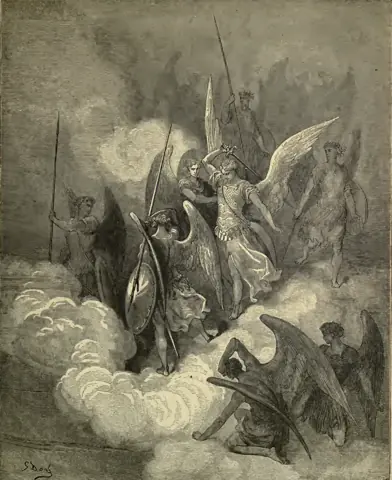
The solitary seraph who refuses the rebellion and returns through hostile scorn.
John Milton, Paradise Lost Source
A cock-headed, serpent-legged figure interpreted through divine emanations.
Historical talisman traditions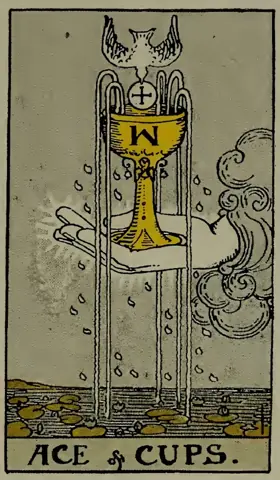
A cloud-borne cup, water and a descending sacramental emblem give this Ace several symbolic layers.
Western Tarot symbolism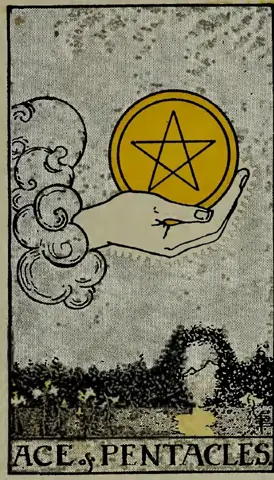
A cloud-borne pentacle raises a distinction between material prosperity and its benefit.
Western Tarot symbolism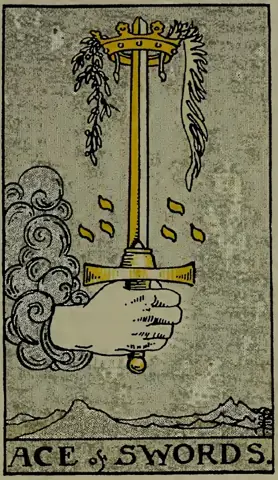
A crowned sword represents force whose outcome is not uniformly favourable.
Western Tarot symbolism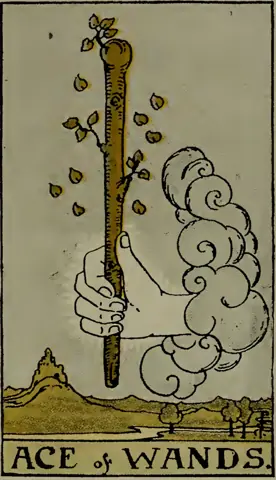
A hand from a cloud presents the suit's single stout wand.
Western Tarot symbolism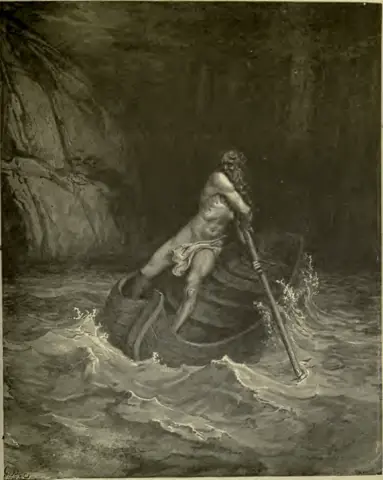
The river where the arriving dead assemble for Charon’s crossing.
Dante, Inferno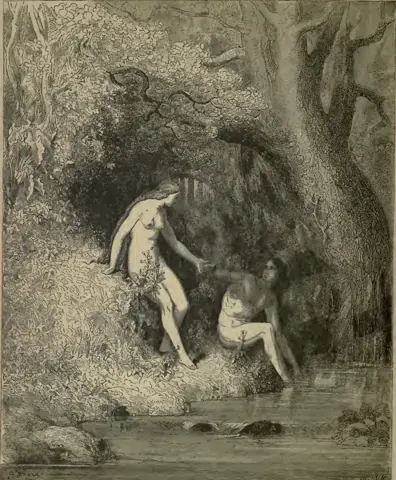
The human host and questioner whose garden life receives angelic instruction.
John Milton, Paradise Lost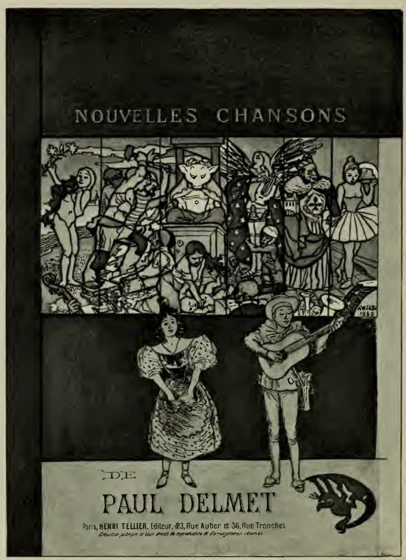
Willette’s cover for Paul Delmet’s Nouvelles Chansons appears among the book’s French designs.
Poster and book-cover design in The Modern Poster (1895)SourceThe youthful god associated with the enchanted palace of the Boyne.
Celtic fairy traditions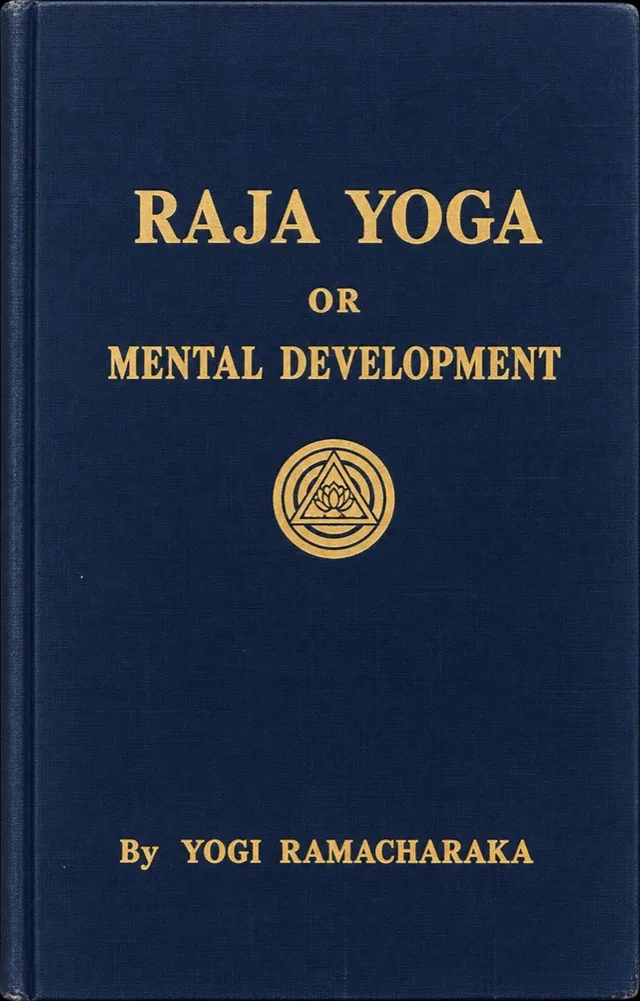 Source
Lesson-ending first-person statements restate the book's teachings as declarations of intention and identity.
Ramacharaka’s Raja Yoga exposition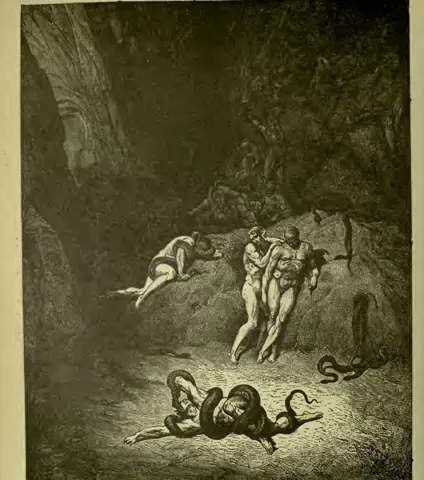
A man and serpent lose their distinct outlines in the thieves’ ditch.
Dante, Inferno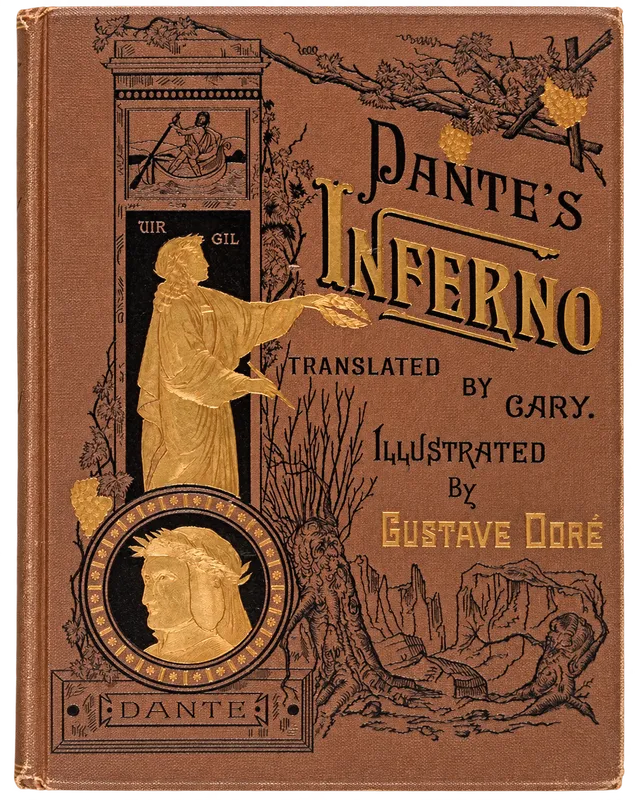 Source
The speaker who requests relief from the ice over his eyes but does not receive it.
Dante, Inferno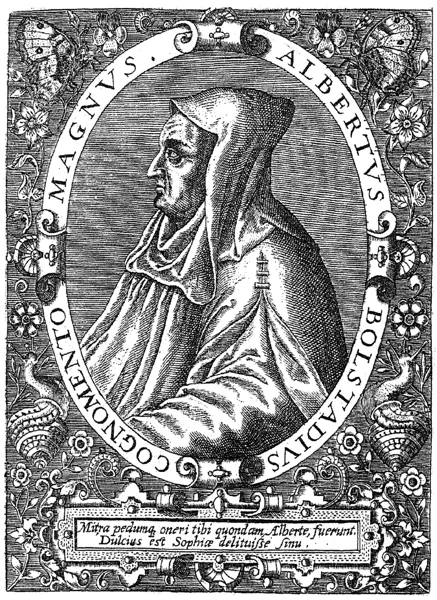
The scholar whom Redgrove places in his alchemical history while questioning the authenticity of attributed alchemical works.
Medieval learning, Redgrove's historical account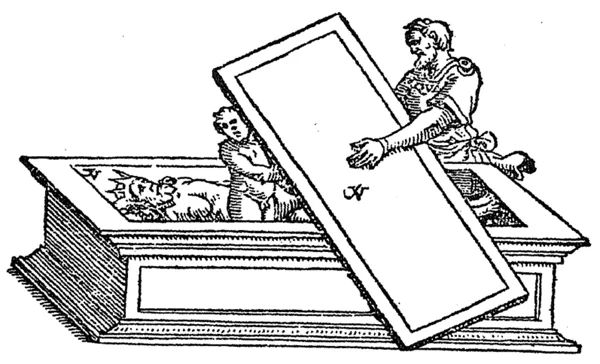
The combination of philosophy, material experiment and spiritual interpretation discussed in Redgrove's Alchemy: Ancient and Modern.
Alchemy, H. Stanley Redgrove's historical account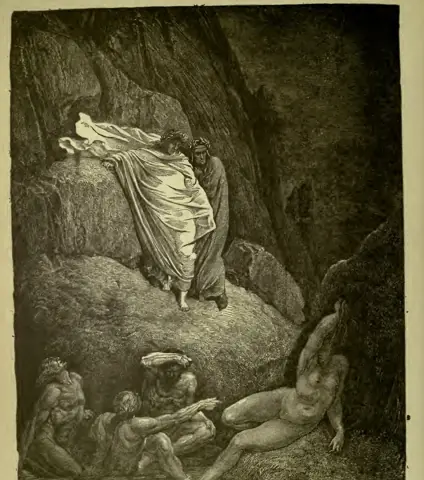
The recognised speaker who attributes his place in the second ditch to excessive flattery.
Dante, Inferno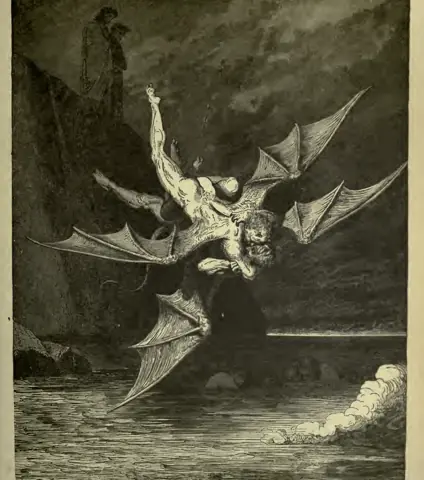
The failed pursuit that sends two guardians into their own sticky pool.
Dante, Inferno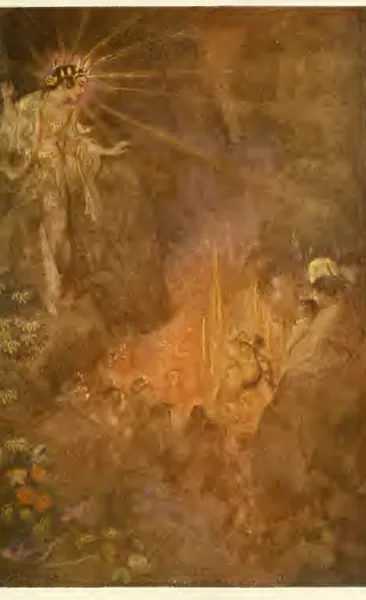
The Sun Goddess whose presence illuminates the world in Davis's retelling of Japanese mythology.
Japanese mythology, Davis retellingThe mythic episode in which the Sun Goddess withdraws and an assembly of gods draws her back into the light.
Japanese mythology, Davis retelling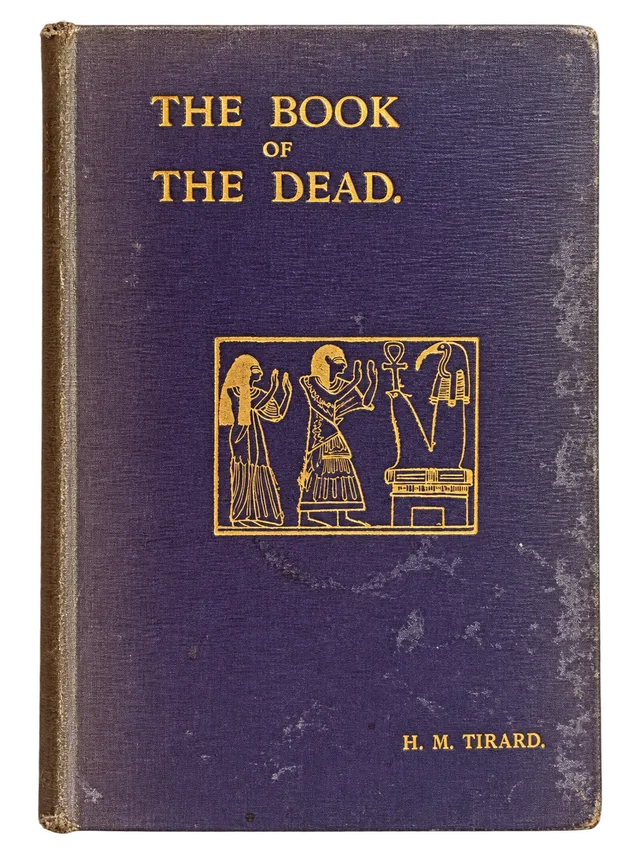 Source
The Hidden Land divided into domains of posthumous life.
Egyptian funerary religion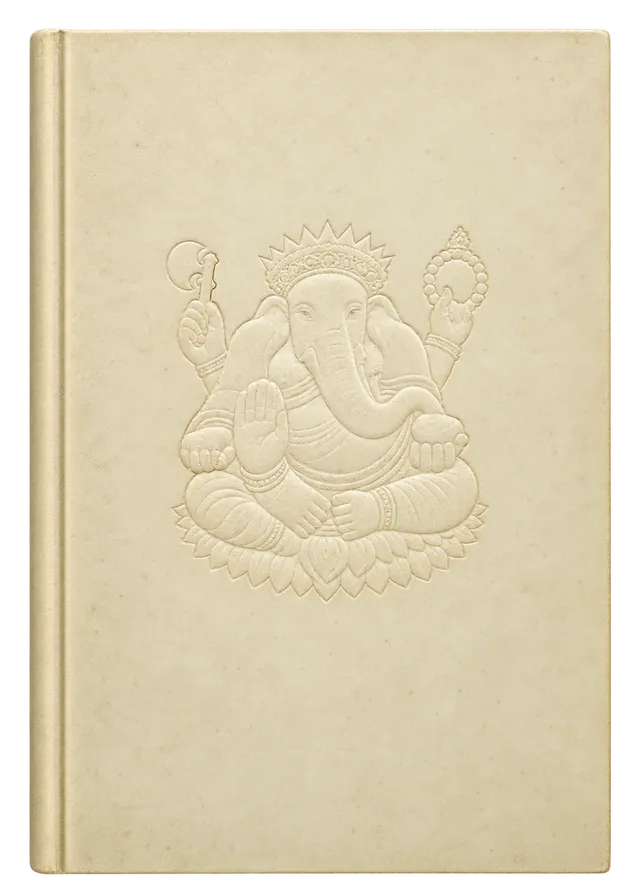 Source
The disciple who pleads for women’s admission and grieves at Buddha’s final departure.
Buddhist traditions, Nivedita and Coomaraswamy Source
Leadbeater’s account of a short animal afterlife and gradual individualization.
Theosophical astral cosmologySourceEgyptian sign of life interpreted as a talisman of creative continuity.
Historical talisman traditions Source
A shadow realm reached through fairy lakes and ruled in different tales by named kings.
Welsh folklore, Wirt Sikes Source
The otherworld kingdom entered through an exchange of royal appearance and duty.
The Mabinogion, Guest’s 1877 edition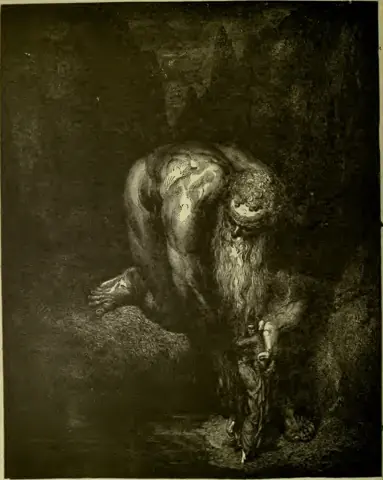
The unfettered giant who lowers Dante and Virgil toward Cocytus.
Dante, Inferno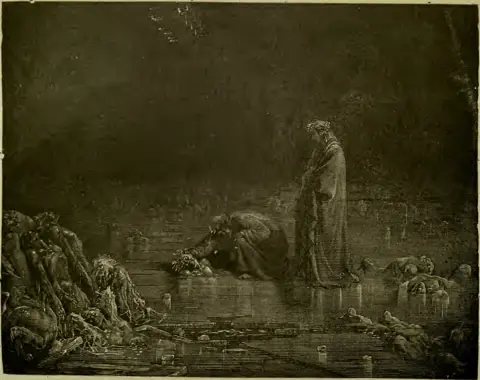
The part of the ice where the encounter with Bocca leads to accusations of betrayal.
Dante, InfernoSourceGuardian of the mummy and guide into the judgment hall.
Egyptian funerary religionSourceReports of a dying person’s presence interpreted as a visit or a thought-form.
Theosophical astral cosmology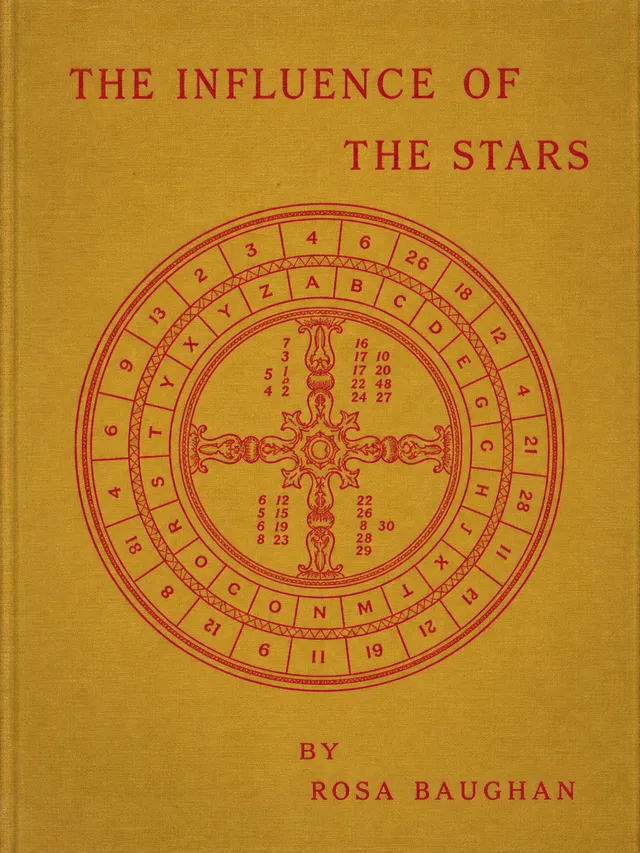 Source
Baughan associates Aquarius with the legs and ankles and the colour sky blue.
Baughan’s historical astrologySourceThe crowned king of Annwn whose white hounds meet Pwyll in the forest.
Welsh folklore, Wirt SikesSourceThe king of Annwvyn who exchanges kingdoms and appearances with Pwyll.
The Mabinogion, Guest’s 1877 editionSourceThe mother who places conditions on Llew’s name, arms and marriage.
The Mabinogion, Guest’s 1877 editionSourceBaughan associates Aries with the head and face and the colour white.
Baughan’s historical astrology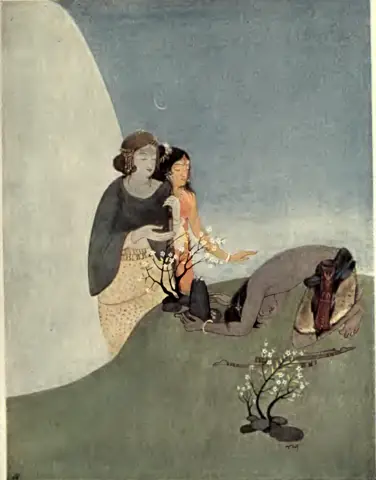
The Pandava archer whose skill and moral hesitation make him central to the Mahabharata.
Indian traditions, Nivedita and Coomaraswamy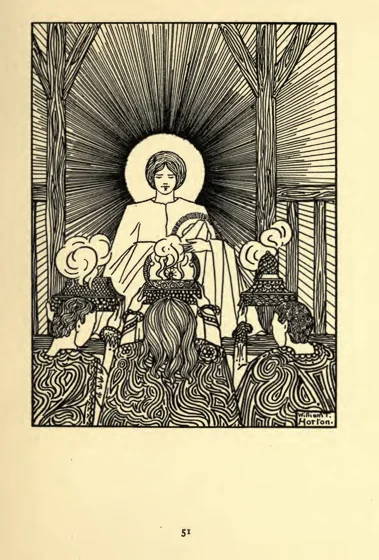
The comparison between symbolic art and a talisman in Yeats’s introduction to A Book of Images.
W. B. Yeats’s introduction to W. T. Horton, A Book of Images (1898)SourceThe courtly ruler whose household gathers the companions and quests of Guest’s Welsh romances.
The Mabinogion, Guest’s 1877 editionSourceThe twin divine physicians whose gift of youth earns a place in the gods’ offerings.
Indian traditions, Nivedita and Coomaraswamy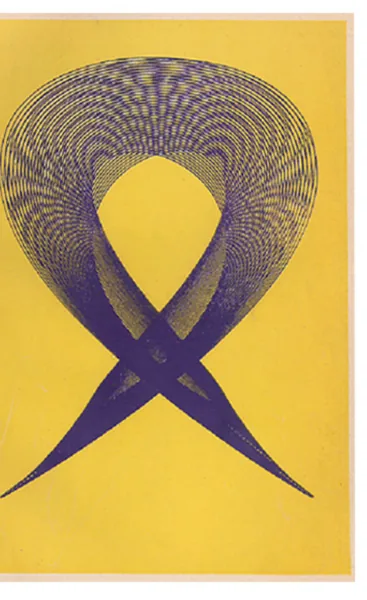
The meditation on embracing all humanity and drawing it toward an ideal described in Thought-Forms.
Theosophy, Besant and Leadbeater Source
The subtle desire-body through which the authors explain emotional forms and habits.
Theosophy, Besant and Leadbeater Source
The image-bearing medium through which Lévi explains visions and magical influence.
Éliphas Lévi, Transcendental MagicSourceTheosophy’s intermediate world, divided by states of consciousness and matter.
Theosophical astral cosmologySourceClaimed perception that sees an object’s interior and several sides at once.
Theosophical astral cosmology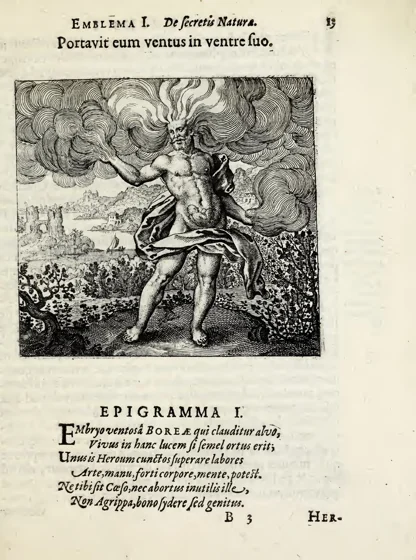
Maier’s alchemical emblem book brings engraved images, epigrams, prose and three-voice music into a single sequence.
Michael Maier’s Atalanta Fugiens (1618)SourceChemical response is interpreted as rudimentary feeling and inclination in the supplied Raja Yoga text.
Ramacharaka’s Raja Yoga expositionSourceThe self-emerging creator called Tum by Tirard, rising from primordial water in the Heliopolitan creation account.
Egyptian funerary religion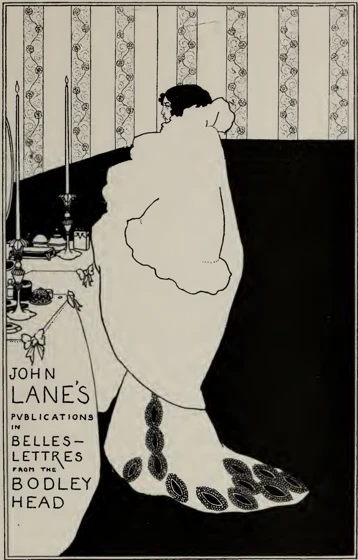
The Modern Poster reproduces Beardsley’s Bodley Head design and his Avenue Theatre announcement.
Poster and book-cover design in The Modern Poster (1895)Showing 48 of 844 entries
Show more entries