Kūkaʻilimoku
Kūkaʻilimoku is a form of Kū associated with chiefly warfare and Kamehameha I. Read how Kamehameha inherited its image and dedicated Puʻukoholā Heiau.
In this article
Why did Kamehameha carry Kūkaʻilimoku?
Kūkaʻilimoku is a form of Kū associated with chiefly warfare and Kamehameha I. The Bishop Museum uses the spelling Kūkāʻilimoku. The god’s kiʻi, or fashioned image, could travel with an army and was entrusted to a chief’s care. [1][4][5][6]
When Kalaniʻōpuʻu chose his successors, his son Kīwalaʻō became heir to his lands and Kamehameha received the war god. During the struggle for control of Hawaiʻi Island, Kamehameha built Puʻukoholā Heiau and dedicated it to Kūkaʻilimoku. [1][2][5][7]
The Legends and Myths of Hawaii by David Kalākaua
In his introduction to David Kalākaua’s book, Rollin Mallory Daggett calls the god Kaili or Ku-kaili-moku. He describes a small wooden figure with a yellow feather headdress. He recounts stories of a cry heard in battle and says he does not know what became of Kamehameha’s image. [8][4]
In the chapter on Kaʻiana, Kamehameha takes over an offering to Kaili while Kīwalaʻō is carrying out the ceremony. The argument over the offering brings the two heirs’ responsibilities into direct conflict. [5][9]
The same chapter credits Kapoukahi with the advice to dedicate the temple at Puʻukoholā. Later, when Kamehameha advances into Nuʻuanu, Kaili goes at the head of his army. [7][10][6]
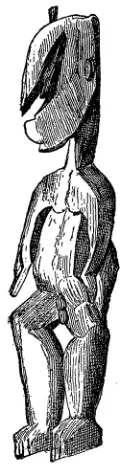
The 1888 edition identifies this figure as Ku-Kaili-Moku, the war god of Kamehameha I, on printed page 40.
The Legends and Myths of Hawaii, Charles L. Webster & Company, 1888. Cropped from the Library scan. · Image source ↗ · Public Domain
See references (7)
- The Legends and Myths of Hawaii, Reader page 45
- The Legends and Myths of Hawaii, Reader page 394
- The Legends and Myths of Hawaii, Reader page 410
- The Legends and Myths of Hawaii, printed p. 395, Reader page 397
- The Legends and Myths of Hawaii, printed p. 40, Reader page 41
- The Legends and Myths of Hawaii, Reader page 395
- The Legends and Myths of Hawaii, printed p. 396, Reader page 398
What can the surviving images tell us?
The Bishop Museum identifies a feathered figure as Kūkāʻilimoku, and the 1888 book labels an engraving with his name. Both show ways he has been represented. The museum identification alone does not trace its figure to Kamehameha personally. [8][4][1]
Kalākaua’s Kaʻiana chapter dates the episode of Keōua’s death and the offering to Kaili to 1792. The National Park Service dates construction of the heiau to 1790–1791 and places Keōua’s death in 1791. [7][10][2][11]
See references (7)
- Kūkāʻilimoku, Bishop Museum object 07855
- Puʻukoholā Heiau, Kawaihae
- The Legends and Myths of Hawaii, Reader page 45
- The Legends and Myths of Hawaii, printed p. 395, Reader page 397
- The Legends and Myths of Hawaii, printed p. 40, Reader page 41
- The Legends and Myths of Hawaii, printed p. 396, Reader page 398
- Ala Kahakai National Historic Trail Comprehensive Management Plan
Read further in the library
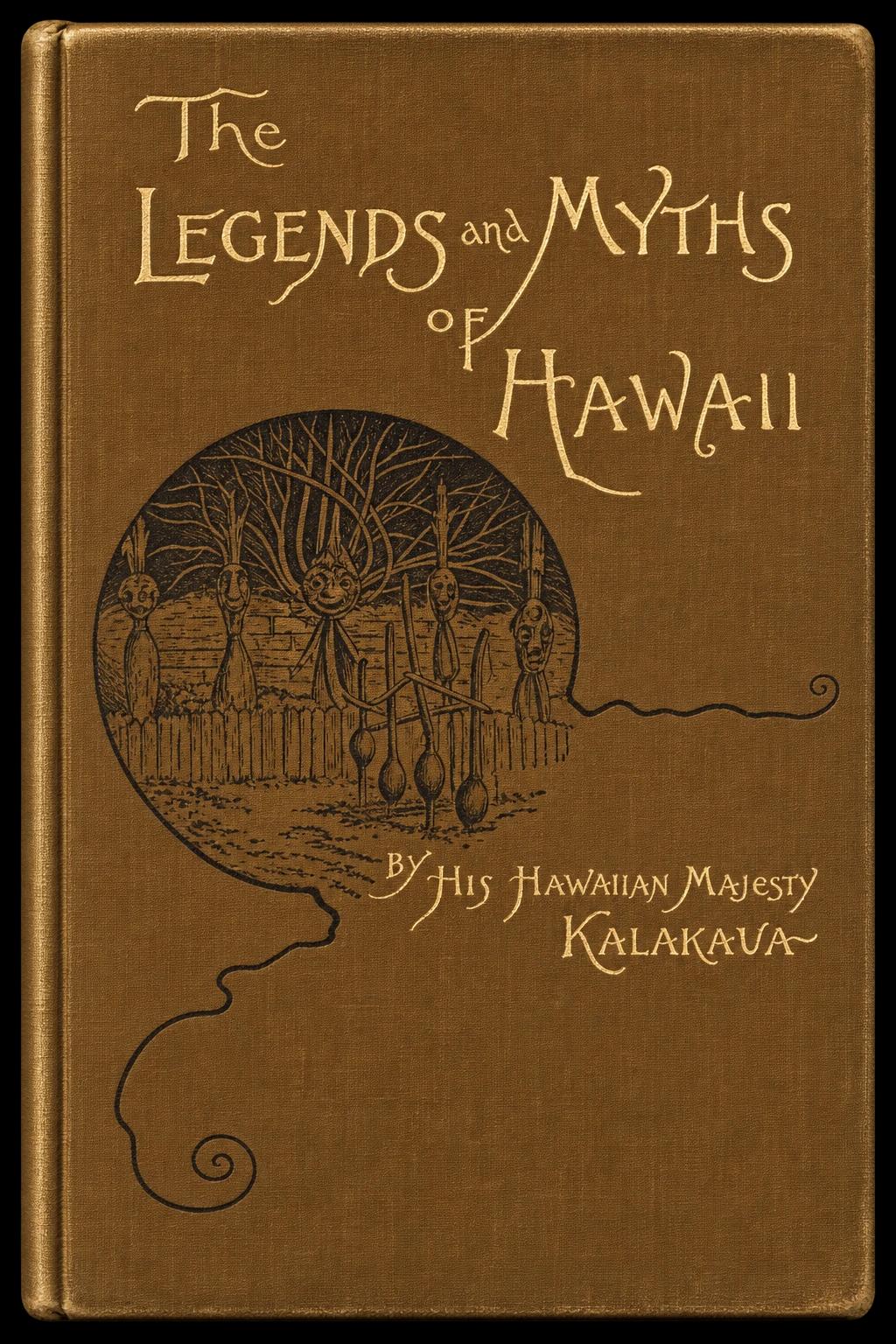
The Legends and Myths of Hawaii
Reading note
The separately titled account draws on exact passages in the consulted Library edition.
Sources
See references (11)
- Kūkāʻilimoku, Bishop Museum object 07855 ↗Bishop Museum, Hawaiʻi Alive. Feathered image and accompanying account of Kalaniʻōpuʻu, Kamehameha and Puʻukoholā.Return to text ↑
- Puʻukoholā Heiau, Kawaihae ↗National Park Service, site history and dedication.Return to text ↑
- Ku-Kaili-Moku, 1888 engraving ↗The Legends and Myths of Hawaii, Charles L. Webster & Company, 1888. Cropped from the Library scan.
- The Legends and Myths of Hawaii, Reader page 45David Kalākaua, The Legends and Myths of Hawaii, edited with an introduction by Rollin Mallory Daggett, Charles L. Webster & Company, 1888. Exact Library edition IMJ-0646-E001. When the introduction or a signed editorial passage is used, its author is identified in the article.Read this page in The Legends and Myths of Hawaii ↗Return to text ↑
- The Legends and Myths of Hawaii, Reader page 394David Kalākaua, The Legends and Myths of Hawaii, edited with an introduction by Rollin Mallory Daggett, Charles L. Webster & Company, 1888. Exact Library edition IMJ-0646-E001. When the introduction or a signed editorial passage is used, its author is identified in the article.Read this page in The Legends and Myths of Hawaii ↗Return to text ↑
- The Legends and Myths of Hawaii, Reader page 410David Kalākaua, The Legends and Myths of Hawaii, edited with an introduction by Rollin Mallory Daggett, Charles L. Webster & Company, 1888. Exact Library edition IMJ-0646-E001. When the introduction or a signed editorial passage is used, its author is identified in the article.Read this page in The Legends and Myths of Hawaii ↗Return to text ↑
- The Legends and Myths of Hawaii, printed p. 395, Reader page 397David Kalākaua, The Legends and Myths of Hawaii, edited with an introduction by Rollin Mallory Daggett, Charles L. Webster & Company, 1888. Exact Library edition IMJ-0646-E001. When the introduction or a signed editorial passage is used, its author is identified in the article.Read this page in The Legends and Myths of Hawaii ↗Return to text ↑
- The Legends and Myths of Hawaii, printed p. 40, Reader page 41David Kalākaua, The Legends and Myths of Hawaii, edited with an introduction by Rollin Mallory Daggett, Charles L. Webster & Company, 1888. Exact Library edition IMJ-0646-E001. When the introduction or a signed editorial passage is used, its author is identified in the article.Read this page in The Legends and Myths of Hawaii ↗Return to text ↑
- The Legends and Myths of Hawaii, Reader page 395David Kalākaua, The Legends and Myths of Hawaii, edited with an introduction by Rollin Mallory Daggett, Charles L. Webster & Company, 1888. Exact Library edition IMJ-0646-E001. When the introduction or a signed editorial passage is used, its author is identified in the article.Read this page in The Legends and Myths of Hawaii ↗Return to text ↑
- The Legends and Myths of Hawaii, printed p. 396, Reader page 398David Kalākaua, The Legends and Myths of Hawaii, edited with an introduction by Rollin Mallory Daggett, Charles L. Webster & Company, 1888. Exact Library edition IMJ-0646-E001. When the introduction or a signed editorial passage is used, its author is identified in the article.Read this page in The Legends and Myths of Hawaii ↗Return to text ↑
- Ala Kahakai National Historic Trail Comprehensive Management Plan ↗National Park ServiceReturn to text ↑