Gautama Buddha
Explore Gautama Buddha’s life, search for awakening, first teachings and death through early discourses, historical evidence and Buddhist art.
In this article
Who was Gautama Buddha?
Gautama Buddha was the teacher whose search for release from suffering gave rise to Buddhism. Buddha means awakened one. Gautama identifies the historical individual; Buddhist teachings also recognize other buddhas. [1]
The names Siddhartha Gautama and Shakyamuni also occur in accounts of his life. The sources discussed here range from archaeological records of pilgrimage to discourses and expansive religious narratives. [2][8]
History, birthplace and sacred narrative
What can historians establish?
Modern scholarship places Gautama among the wandering religious seekers of ancient northern India. He belonged to the Shakya clan near the present India–Nepal border. Exact birth and death dates remain disputed, so a single traditional chronology should not be treated as settled historical fact. [1]
The early teachings survive through texts transmitted within Buddhist communities. The Pali Nikayas and the Agamas preserved in other languages offer important evidence, but they were recorded after his lifetime and differ in places. Recovering an individual voice from these collections requires interpretation. They are neither contemporary transcripts nor interchangeable versions of one modern biography. [1]
Lumbini and the evidence of pilgrimage
Lumbini in southern Nepal is identified with the Buddha’s birthplace. Its Ashokan pillar and archaeological remains bear witness to a place of Buddhist pilgrimage already important in the third century BCE. [2]
This evidence makes the site central to the history of Buddhist remembrance. The pillar belongs to Ashoka’s reign, centuries after the lifetime usually assigned to the Buddha. It therefore needs to be distinguished from a contemporary birth record, and from the miraculous events narrated in religious accounts. [2]
A miraculous birth in Nepalese devotional art
An eighteenth- or nineteenth-century Nepalese mosaic at the Met gives the birth story a brilliant material form. Maya holds a tree branch while the child emerges from her side. Indra and Brahma receive him, and a second appearance on lotus flowers evokes his first steps and bath. [9]
The panel’s precious stones belong to a devotional setting: the museum explains that such objects were placed in shrines and temples. Its imagery reveals a later community’s sacred storytelling, rather than the appearance of an event recorded by an eyewitness. [9]
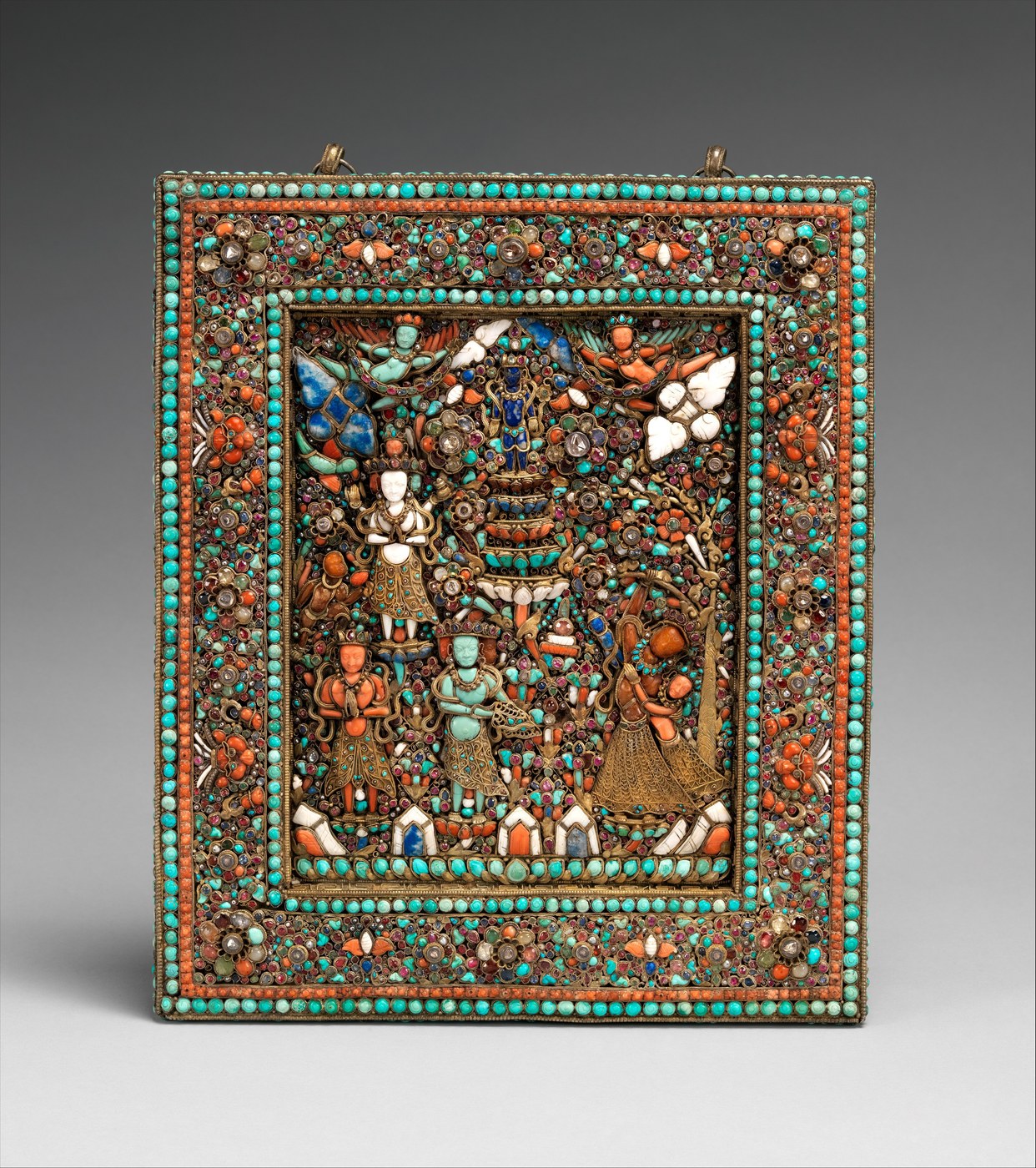
The Birth of the Buddha, Nepal, eighteenth–nineteenth century. Mosaic in a gilt-silver frame, with precious and semiprecious stones.
The Metropolitan Museum of Art. John Stewart Kennedy Fund, 1915. Accession 15.95.163. Public Domain (CC0). · Museum record ↗ · CC0
The search and awakening
Leaving home and testing teachers
In MN 26, the Buddha describes his younger self recognizing that he was subject to aging, illness and death. Seeking security in things exposed to those same conditions could not resolve the difficulty. He left household life to pursue a release that the discourse describes as deathless. [3]
The search led him to Alara Kalama and Uddaka Ramaputta. He mastered the meditative attainments they taught, yet judged that those attainments did not bring the final freedom he sought. The narrative makes his departure from each teacher a judgment about the limits of a particular achievement. [3]
This is a teaching account told retrospectively within a discourse. Its selection of episodes directs attention to the purpose of the search: distinguishing an impressive state of mind from a liberation that ends the problem. [3]
Why he abandoned extreme austerities
MN 36 describes severe bodily practices, including drastic restriction of food. The decisive turn comes when Gautama recognizes that the pain has not produced the knowledge he seeks. He remembers an earlier experience of absorbed meditation beneath a rose-apple tree and considers whether a wholesome pleasure could help the search. [4]
He takes nourishment and regains strength. Five companions interpret that decision as failure and leave him. The account then presents deepening concentration and a night of knowledge, including recollection of previous lives, insight into rebirth, and the ending of the mental defilements. These are the discourse’s claims about awakening. [4]
The change of method gives the episode its force. Determination continues, but bodily suffering ceases to function as proof that a practice is effective. The text connects awakening with a trained, concentrated mind and liberating understanding. [4]
Teaching and the life story
Teaching the middle way
SN 56.11 places the Buddha with five monks in the Deer Park at Isipatana, near Varanasi. Buddhist tradition identifies this as the first discourse after his awakening. It rejects both devotion to sensual pleasure and devotion to self-affliction, setting out a middle way through the Noble Eightfold Path. [5]
The discourse presents suffering, its origin in craving, its cessation, and the way of practice leading to cessation. Each calls for a different response: suffering is to be understood, craving abandoned, cessation realized, and the path developed. The teaching therefore gives listeners work to undertake. [5]
The narrative ends with Kondanna gaining insight that whatever arises is subject to cessation. Devas announce the turning of the teaching’s wheel across celestial realms. Instruction, a disciple’s understanding and cosmic celebration form parts of the same religious scene. [5]
The life story in Mahayana literature
The Lalitavistara, translated as The Play in Full, recounts the Buddha’s manifestation and awakening from a Mahayana perspective. Its story begins before his human birth, follows his royal youth and departure, and reaches the defeat of Mara and the first teaching. [8]
The translators’ introduction explains why its miracles and vast scale matter. This is a narrative of awakening presented through a religious worldview, with events that echo the careers of earlier buddhas. Its literary purpose extends beyond assembling a sequence of historical facts. [8]
Read beside MN 26 or MN 36, it shows how differently Buddhist texts can frame the same life. The wandering seeker’s search and the bodhisattva’s extraordinary manifestation belong to distinct presentations, each with its own theological and narrative emphasis. [8]
Passing and remembrance
The final instructions and passing
DN 16 follows the Buddha’s final journey and death at Kusinara. Near its close, he tells Ananda that the Dhamma and Vinaya, the teaching and discipline he has established, will remain the community’s teacher after his passing. Continuing the tradition becomes a responsibility carried by those who survive him. [6]
His final exhortation concerns the ending and decay of conditioned things and the need for heedful practice. The narrative describes a sequence of meditative attainments before his parinibbana, followed by grief among some witnesses and composure among others. [6]
The account joins loss with a practical question: how can a community continue when its teacher is gone? Its answer turns attention towards the teaching, discipline and conduct that can outlast a single life. [6]
Mourning in a Japanese hanging scroll
A fourteenth-century Japanese painting places the reclining Buddha beneath sala trees, surrounded by disciples, bodhisattvas, deities and animals. The Met’s interpretation draws attention to differences among the mourners: some show composure, while others express intense grief. Maya approaches from the upper right. [10]
The image gives the passing a communal and cosmic scale. The animals gathered below the bier make the circle of witnesses much wider than a group of human followers. This is a medieval Japanese devotional representation of the event, separated from Gautama’s lifetime by many centuries. [10]
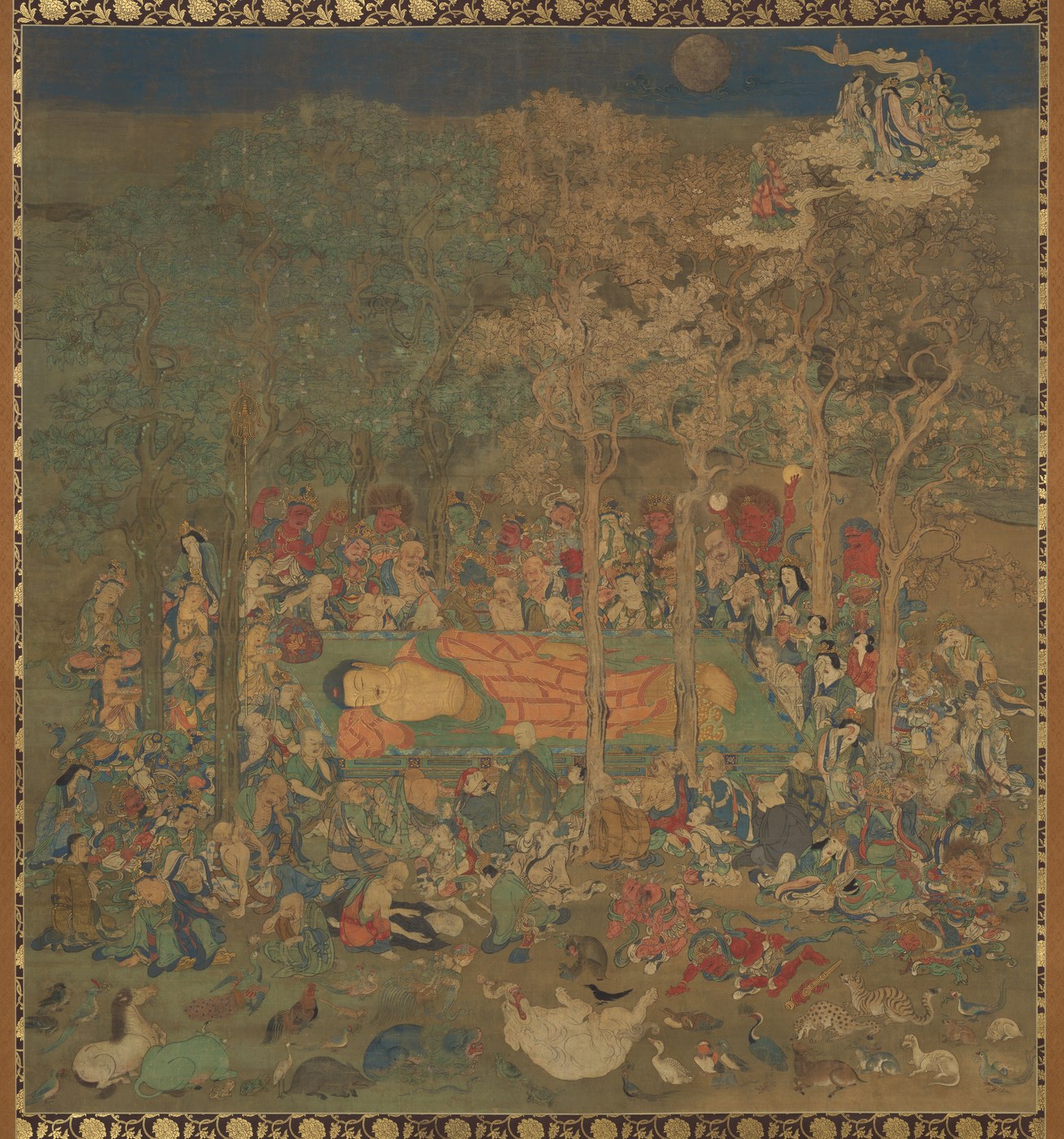
Death of the Historical Buddha (Nehan-zu), Japan, fourteenth century. Ink, colour and gold on silk.
The Metropolitan Museum of Art. Rogers Fund, 1912. Accession 12.134.10. Public Domain (CC0). · Museum record ↗ · CC0
What does liberation mean after death?
In MN 72, Vacchagotta asks whether a liberated person reappears after death. The Buddha declines the offered alternatives. He compares the question with asking which direction a fire has gone after its fuel is exhausted. [7]
The comparison challenges the categories used to frame the question. It does not supply a location to which an enduring person travels. Describing the Buddha’s passing as parinirvana therefore requires care: the discourse resists reducing liberation to an ordinary account of continued existence or disappearance. [7]
Remembering the Buddha through images and relics
Buddhist remembrance also developed around relics and stupas. Vidya Dehejia describes relic caskets enclosed within stupas and paths around the monuments used for ritual circumambulation. Presence could be encountered through a sacred place even when the teacher’s body was no longer living. [11]
Images developed their own histories. Early Indian representations could indicate the Buddha through footprints or an empty seat; later artists in Gandhara and Mathura developed different human forms. These images express religious qualities through gesture, dress and bodily marks. Their diversity helps explain why a Buddha image should be read through its date, region and purpose, rather than as a surviving portrait. [11]
Reading the Library’s historical accounts
Reading the Library’s historical life account
Myths of the Hindus & Buddhists retells Gautama’s encounters with old age, sickness, death and a religious mendicant as the disruption of a protected royal life. The story turns his departure into a response to vulnerability that palace comforts cannot remove. [12]
This historical Library retelling can be read beside the early discourses and the Lalitavistara. Keeping its authorship and period visible allows its storytelling to remain useful without treating it as the sole account of Buddhist belief. [12]
The dawn of awakening in the Library retelling
The Library’s account describes enlightenment unfolding during the night and reaching its culmination at dawn. It then recounts further periods of meditation, including contemplation of the Wisdom-tree. The page presents a legendary sequence, with miraculous light and an extended vision of the Buddha’s achievement. [13]
Read alongside MN 36, this episode invites a comparison of how different texts describe the night of awakening and make insight the climax of a life story. [13][4]
Read further in the library
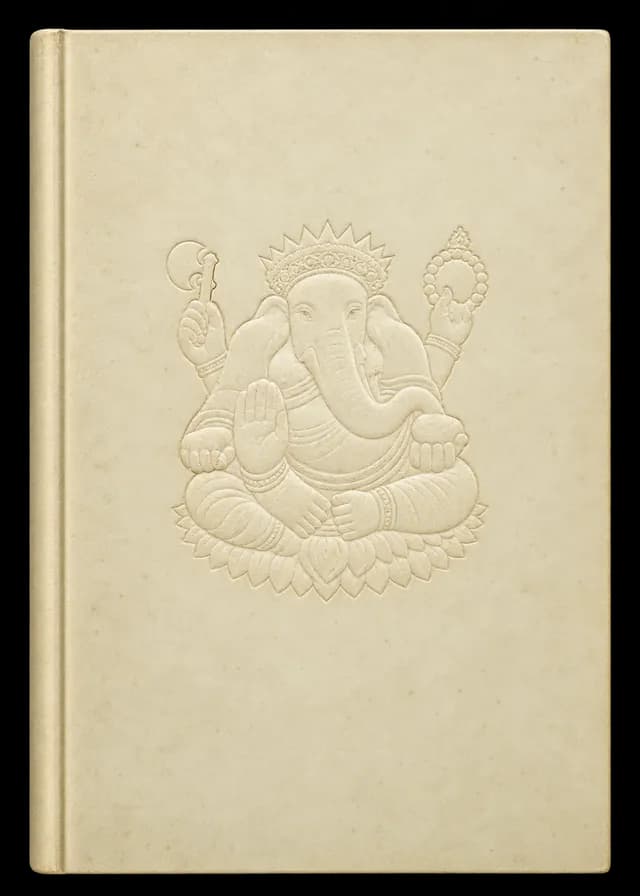
Myths of the Hindus and Buddhists
Reading note
A historical retelling of Gautama’s life, with inherited Reader passages preserved. Read its narrative beside the primary discourses and sources cited here.
Sources
- Buddha ↗Mark Siderits, Stanford Encyclopedia of Philosophy; revised 2023Return to text ↑
- Lumbini, the Birthplace of the Lord Buddha ↗UNESCO World Heritage Centre; archaeological site and pilgrimage historyReturn to text ↑
- MN 26: The Noble Search ↗Thanissaro Bhikkhu, translation from Pali; distinguish translation from introductory commentaryReturn to text ↑
- MN 36: The Longer Discourse to Saccaka ↗Thanissaro Bhikkhu, translation from PaliReturn to text ↑
- SN 56.11: Setting the Wheel of Dhamma in Motion ↗Thanissaro Bhikkhu, translation from Pali and introductory identification from Mahavagga I.6Return to text ↑
- DN 16: The Great Total Unbinding Discourse ↗Thanissaro Bhikkhu, translation from Pali; final instructions and passing narrativeReturn to text ↑
- MN 72: To Vacchagotta on Fire ↗Thanissaro Bhikkhu, translation from PaliReturn to text ↑
- The Play in Full, Toh 95 ↗Dharmachakra Translation Committee, 84000; summary and introduction i.1–i.17Return to text ↑
- The Birth of the Buddha ↗The Metropolitan Museum of Art; accession 15.95.163Return to text ↑
- Death of the Historical Buddha (Nehan-zu) ↗The Metropolitan Museum of Art; accession 12.134.10Return to text ↑
- Buddhism and Buddhist Art ↗Vidya Dehejia, Columbia University; The Metropolitan Museum of Art, 2007Return to text ↑
- Myths of the Hindus & Buddhists: the searchSister Nivedita and Ananda K. Coomaraswamy; inherited Reader leaf to be preserved by assemblerReturn to text ↑
Examine the original Library page
Inherited Reader leaf 300, printed page 246, actually inspected. Four encounters, family and palace departure, search and unsuccessful austerities appear on this leaf.
the problem of suffering
Open the original page in Myths of the Hindus and Buddhists ↗Scan leaf 300 · Sister Nivedita and Ananda K. Coomaraswamy
- Myths of the Hindus & Buddhists: awakeningSister Nivedita and Ananda K. Coomaraswamy; inherited Reader leaf to be preserved by assemblerReturn to text ↑
Examine the original Library page
Inherited Reader leaf 329, printed page 271, actually inspected. Nighttime insight, culmination at dawn and subsequent contemplation of the Wisdom-tree are visible. Do not attach the earlier nourishment episode to this leaf.
at dawn of day he became a Supreme Buddha
Open the original page in Myths of the Hindus and Buddhists ↗Scan leaf 329 · Sister Nivedita and Ananda K. Coomaraswamy
About this article & its sources
A biographical reference entry distinguishing historical reconstruction, early Pali narratives, Mahayana religious literature and later devotional art. Exact dates remain uncertain. The Library’s authored life account is presented in its historical setting, alongside primary discourses and scholarship.
Passage attributions
Who was Gautama Buddha?
Passage 1: Mark Siderits, Stanford Encyclopedia of Philosophy; revised 2023.
Passage 2: UNESCO Lumbini record; Dharmachakra Translation Committee, 84000 introduction.
What can historians establish?
Passage 1: Mark Siderits, Stanford Encyclopedia of Philosophy; revised 2023.
Passage 2: Mark Siderits, Stanford Encyclopedia of Philosophy; revised 2023.
Lumbini and the evidence of pilgrimage
Passage 1: UNESCO World Heritage Centre; archaeological site and pilgrimage history.
Passage 2: UNESCO World Heritage Centre; archaeological site and pilgrimage history.
A miraculous birth in Nepalese devotional art
Passage 1: The Metropolitan Museum of Art; accession 15.95.163.
Passage 2: The Metropolitan Museum of Art; accession 15.95.163.
Leaving home and testing teachers
Passage 1: Thanissaro Bhikkhu, translation from Pali; distinguish translation from introductory commentary.
Passage 2: Thanissaro Bhikkhu, translation from Pali; distinguish translation from introductory commentary.
Passage 3: Thanissaro Bhikkhu, translation from Pali; distinguish translation from introductory commentary.
Why he abandoned extreme austerities
Passage 1: Thanissaro Bhikkhu, translation from Pali.
Passage 2: Thanissaro Bhikkhu, translation from Pali.
Passage 3: Thanissaro Bhikkhu, translation from Pali.
Teaching the middle way
Passage 1: Thanissaro Bhikkhu, translation from Pali and introductory identification from Mahavagga I.6.
Passage 2: Thanissaro Bhikkhu, translation from Pali and introductory identification from Mahavagga I.6.
Passage 3: Thanissaro Bhikkhu, translation from Pali and introductory identification from Mahavagga I.6.
The life story in Mahayana literature
Passage 1: Dharmachakra Translation Committee, 84000; summary and introduction i.1–i.17.
Passage 2: Dharmachakra Translation Committee, 84000; summary and introduction i.1–i.17.
Passage 3: Dharmachakra Translation Committee, 84000; summary and introduction i.1–i.17.
The final instructions and passing
Passage 1: Thanissaro Bhikkhu, translation from Pali; final instructions and passing narrative.
Passage 2: Thanissaro Bhikkhu, translation from Pali; final instructions and passing narrative.
Passage 3: Thanissaro Bhikkhu, translation from Pali; final instructions and passing narrative.
Mourning in a Japanese hanging scroll
Passage 1: The Metropolitan Museum of Art; accession 12.134.10.
Passage 2: The Metropolitan Museum of Art; accession 12.134.10.
What does liberation mean after death?
Passage 1: Thanissaro Bhikkhu, translation from Pali.
Passage 2: Thanissaro Bhikkhu, translation from Pali.
Remembering the Buddha through images and relics
Passage 1: Vidya Dehejia, Columbia University; The Metropolitan Museum of Art, 2007.
Passage 2: Vidya Dehejia, Columbia University; The Metropolitan Museum of Art, 2007.