The Elder Futhark and Its 24 Runes
Learn the 24 Elder Futhark runes, read five signs on the Vimose comb, and see what the Kylver slab and later rune poems actually preserve.
In this article
Read the rune row
Start with all 24 signs, then try reading an inscription on an antler comb.
The 24 Elder Futhark runes
The chart follows the order on the Kylver slab. It uses standardised shapes and Latin-letter transliteration.
- f
- u
- þ
- a
- r
- k
- g
- w
- h
- n
- i
- j
- p
- ï
- z
- s
- t
- b
- e
- m
- l
- ŋ
- d
- o
Plain-text transliteration f u þ a r k g w h n i j p ï z s t b e m l ŋ d o
Try reading the Vimose comb
Look for the incised lines across the spine. Match them to the chart and pay attention to the sign that repeats.
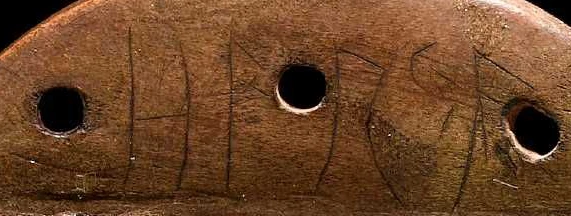
Reveal the five signs
h a r j a
The second and fifth signs both read a. A common interpretation of harja is a personal name.
What is the Elder Futhark?
The Elder Futhark is a runic alphabet of 24 signs used to write early Germanic languages. Its name comes from the first six values, f u þ a r k. Those signs are visible in standardised form in the chart above. The archaeological finds show that individual shapes and spelling could vary. [3][6][1]
The older row appears on the Kylver slab, a stone associated with a grave on Gotland. The Vikings of later Scandinavia commonly used the related 16-sign Younger Futhark. In England the Old English futhorc developed with additional signs. All three traditions are useful when comparing inscriptions, but the date and place of the object help decide which chart to consult. [1][3][7][6]
Follow the rune row on the Kylver slab
The 24 signs run diagonally across the upper part of the slab. The museum’s transcription puts p before ï and d before o. It marks a few readings in parentheses. The chart uses clear modern glyphs so readers can learn the sequence. Compare it with the photograph to see how a carved line can differ from a digital one. [1][10][6]
The museum also transcribes a short separate sequence often rendered sueus and records a branch-like mark after the main row. Their purpose is uncertain. The slab is evidence that someone carved the sequence in this order. What the carving was intended to do at the burial is a separate historical question. [1][2]
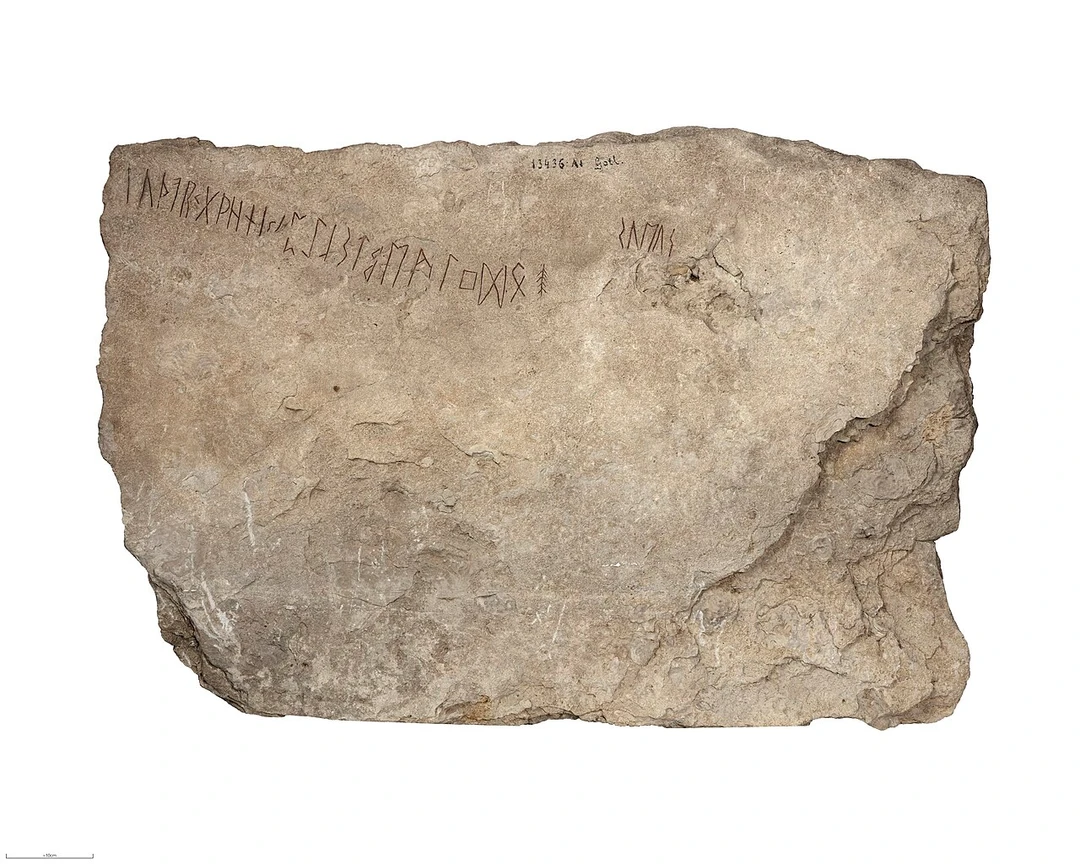
The full Kylver slab preserves the Elder Futhark row and a separate short inscription.
Helena Bonnevier, Swedish History Museum, 267753_HST. CC BY-SA 4.0. Resized for the web. · Image source ↗ · CC BY-SA 4.0
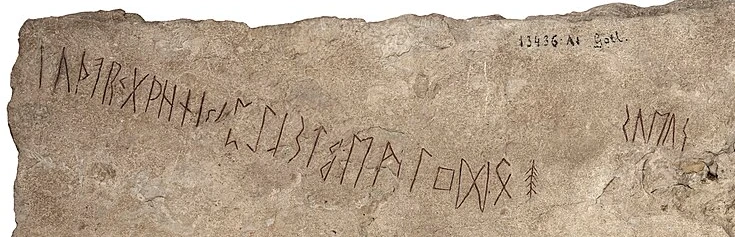
Follow the runes from left to right on this row. The branching mark beyond the sequence has a separate place in the museum’s transcription.
Helena Bonnevier, Swedish History Museum, 267753_HST. CC BY-SA 4.0. Cropped and resized. · Image source ↗ · CC BY-SA 4.0
How to transliterate runes into plain text
Transliteration is a way to write down which characters you read. The thorn þ and the letter ŋ are useful because a single sign can represent a value that takes two English letters to suggest, such as th or ng. The value ï is a convention here. It does not give a certain reconstruction of the rune’s exact ancient pronunciation. [1][3][6]
Look at an object’s reading direction, then pick out repeated shapes and the ends of the signs. Compare uncertain strokes with other marks on that same surface before checking another inscription. A damaged branch or a crack can change what a reader sees. Keep a doubtful stroke visible in your notes instead of silently filling it in. [1][6][4]
Read a comb and compare a woodworking tool
The comb’s inscription is read h a r j a. The second and final signs give the same vowel. The National Museum of Denmark records the reading harja and a published discussion considers it a personal name. The readable sequence by itself does not settle whether the named person made, owned or used the comb. [11][4][6]
Another object from Vimose is a wooden plane with a partly interpreted inscription. Compare its long surface and faint marks with the comb’s compact spine. At Grumpan, the Swedish History Museum records the older rune row on a gold bracteate. Material, scale and shape all affect the way a rune row is cut and seen. [13][5][6]
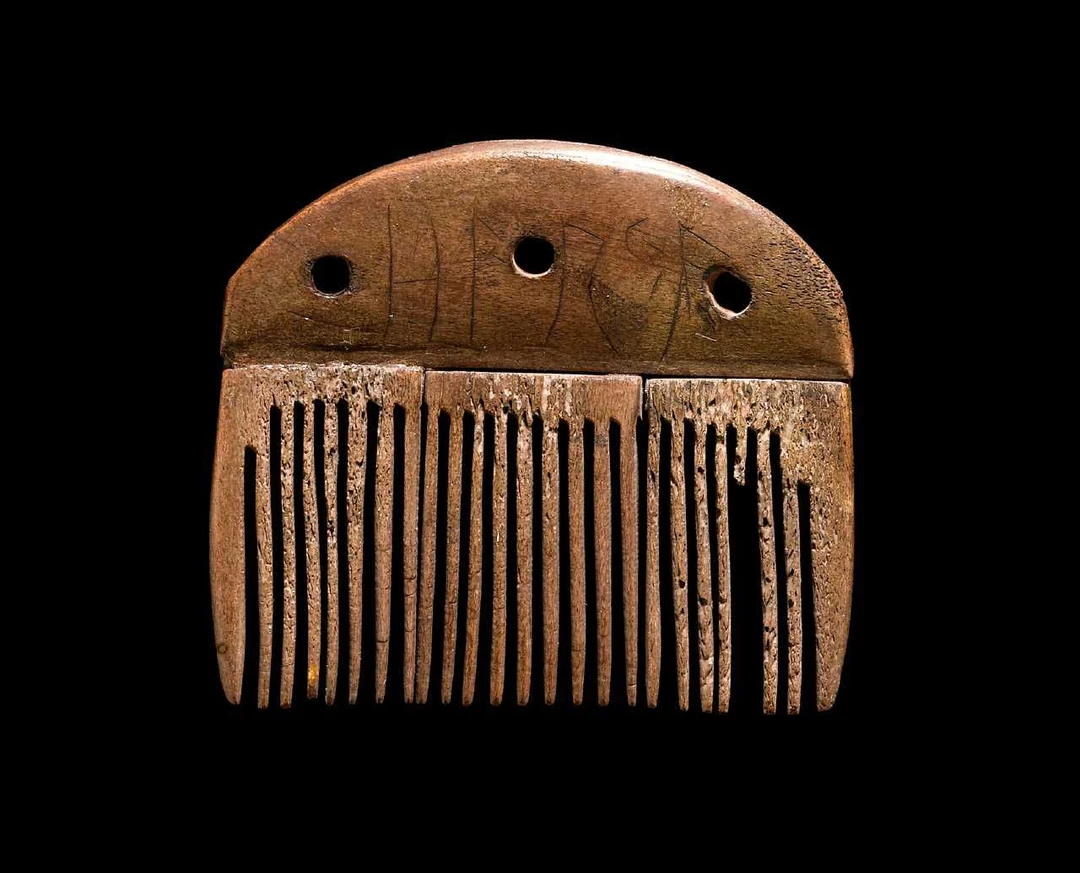
This comb from Vimose is an early example of runes cut into a portable object.
Roberto Fortuna and Kira Ursem, National Museum of Denmark, 22657. CC BY-SA 4.0. Resized for the web. · Image source ↗ · CC BY-SA 4.0
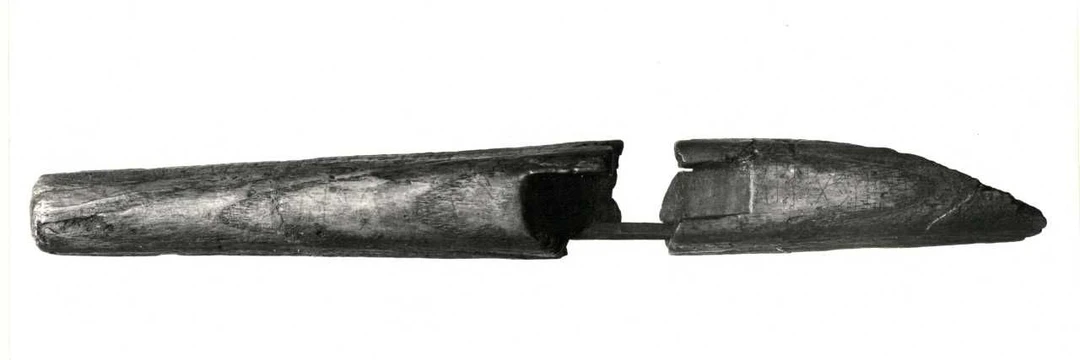
The museum describes the wooden plane’s inscription as only partly interpreted.
Sophus Bengtsson, National Museum of Denmark, DMR-6864. Public domain. · Image source ↗ · Public Domain
Where do the names and meanings come from?
The Kylver row writes the signs in sequence. It gives no list of their names. Later poems provide a different kind of evidence. In Dickins’s edition, the Old English poem uses feoh and describes wealth, wynn and the experience of joy, and hægl in terms of hail. These are later Old English words, not labels preserved next to the rune shapes on the Kylver stone. [1][7]
Scholars compare such later names, related words and the sound values implied by older inscriptions to propose earlier forms. A leading asterisk usually marks a reconstruction. A name or a poetic gloss helps explain the history of a sign, while its transliterated value is what you use to read an ordinary inscription such as harja. [3][7][4][6]
- Inscription
- The Kylver slab shows the order of the older signs and preserves particular carved shapes.
- Rune poem
- The later Old English poem preserves names and verse associations in a separate language and rune tradition.
- Reconstruction
- A proposed older name often begins with an asterisk so readers can distinguish it from an attested form.
Read Odin’s rune story beside the inscribed objects
In Hávamál, Odin hangs on a tree and takes up the runes. Colum retells the story as words spoken to Vidar. The exact Reader page opens where Odin describes taking the runes for himself. It belongs alongside the poems as a literary witness to how runes were imagined. The comb and slab preserve the separate evidence needed to read actual signs on objects. [8][14][1][11]
Read further in the library
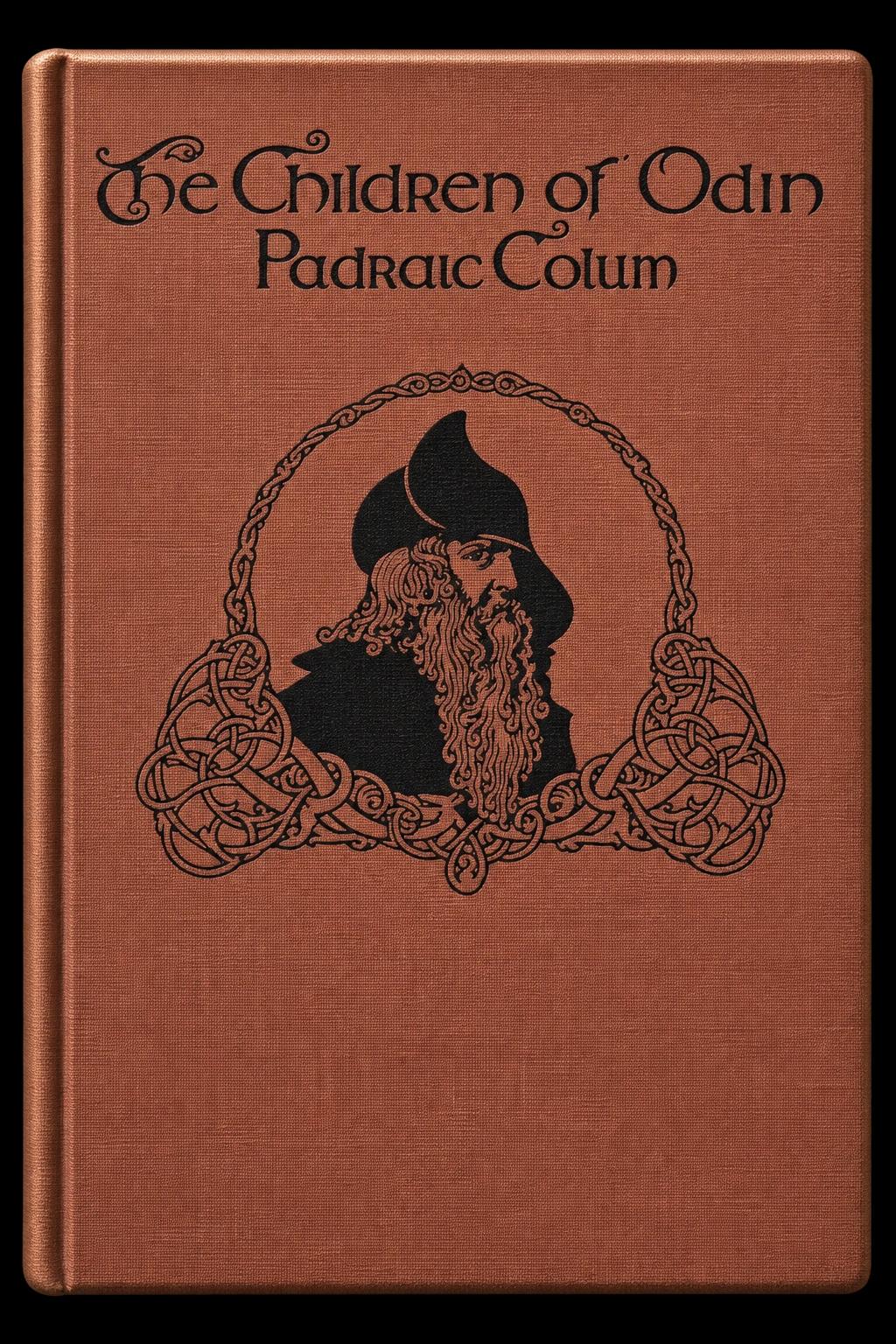
The Children of Odin
Reading note
Read Colum’s retelling of Odin’s discovery of the runes as a literary counterpart to the surviving inscriptions.
Sources
See references (14)
- Swedish History Museum · Kylver slab and rune row ↗Object 267753_HST, Kylver, Gotland. Includes the museum’s transliteration with editorial parentheses.Return to text ↑
- Swedish History Museum · The Kylver stone ↗Exhibition account of the older rune row and the uncertainty of its purpose.Return to text ↑
- Viking Ship Museum · Runes and rune rows ↗Educational overview of the 24-sign and 16-sign rows and the use of an asterisk for reconstructed names.Return to text ↑
- Museum Odense · Runeindskriften på Vimose-kammen ↗Published discussion of the reading harja and interpretation of the comb inscription.Return to text ↑
- Swedish History Museum · Grumpan bracteate ↗Object 111180_HST. A gold bracteate with an Elder Futhark inscription.Return to text ↑
- Tineke Looijenga · The early runic inscriptions ↗Research survey covering variant shapes and the difficulty of interpreting early inscriptions.Return to text ↑
- Bruce Dickins edition · The Anglo-Saxon Runic Poem ↗Old English text and English translation. A later witness to rune names and associations.Return to text ↑
- Hávamál · Odin takes up the runes ↗Old Norse stanzas 138–139 in the parallel edition. Bellows numbers the relevant verses 139–140.Return to text ↑
- Kylver slab ↗Helena Bonnevier, Swedish History Museum, 267753_HST. CC BY-SA 4.0. Resized for the web.
- Kylver slab, inscription detail ↗Helena Bonnevier, Swedish History Museum, 267753_HST. CC BY-SA 4.0. Cropped and resized.Return to text ↑
- Vimose comb ↗Roberto Fortuna and Kira Ursem, National Museum of Denmark, 22657. CC BY-SA 4.0. Resized for the web.Return to text ↑
- Vimose comb, inscription detail ↗Roberto Fortuna and Kira Ursem, National Museum of Denmark, 22657. Cropped and resized.
- Vimose plane ↗Sophus Bengtsson, National Museum of Denmark, DMR-6864. Public domain.Return to text ↑
- Colum, printed page 103 · Odin tells Vidar how he took up the runesPadraic Colum, The Children of Odin, printed page 103.Read this page in The Children of Odin ↗Return to text ↑