Creative Imagination
Creative imagination gives form to possibilities. Compare Dowd’s account of a thought taking shape with Walter Russell’s account of inward recollection.
In this article
Understanding the concept
Creative imagination is the capacity to give form to something that is not yet present to the senses. Evolution of Immortality sees it as a way to look past present habits and discover what one might become. [1][2]
Freeman Benjamin Dowd describes a thought growing inwardly before it finds expression. Walter Russell starts with recollection: what feels like a new idea draws on knowledge he believes is retained in the soul. [3][4][1][14]
Evolution of Immortality by Rosicruciæ, catalogued as F. B. Dowd
Freeman Benjamin Dowd, writing as Rosicruciæ, distinguishes an active projecting mind from a receptive soul. Repeated thought is said to be conceived and gestated before appearing in bodily life. This is a strong claim about mental influence upon material form, not merely a comparison between two experiences of waiting. [3]
Dowd imagines the soul sending a question like a telegram. A receiver opens in the mind, and the answer germinates into an idea. He calls this the ideal centre, the place where reception becomes a kind of creative work. [4][1]
He then identifies ideality or imagination as a beginning of immortality. Near the end, imagination becomes the spiritual eye through which discovery occurs. Leaving the garden represents the enlargement of freedom and responsibility: knowledge requires the person to act rather than remain protected from every difficulty. [1][2]
Dowd puts discovery beside the freedom to test inherited ideas. Leaving the garden gives the mind room to ask questions, observe and act on what it learns. [2][5]
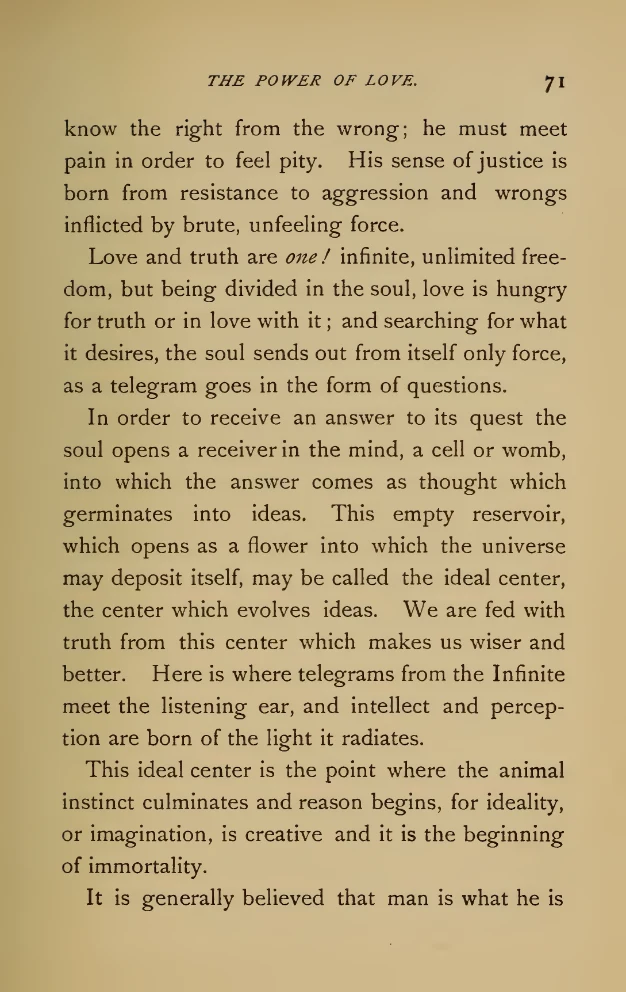
Evolution of Immortality (1900), printed p. 71, Library Reader page 68. A telegram supplies Dowd with an image for the reception of an idea.
Rosicruciæ (catalogued as Freeman Benjamin Dowd), Evolution of Immortality, copyright 1900. Public-domain historical page from the checksum-verified Library PDF. · Image source ↗ · Public Domain
The Universal One by Walter Russell
Walter Russell defines imagination through recollection. What appears to be a newly conceived idea draws on knowledge he believes has already been recorded in the soul. He distinguishes this inward recollection from ordinary perception directed towards the things around us. [12][13][14]
A person can give a recalled idea a new expression. Russell describes the poet who turns an inward experience into a message for others and uses the word inspiration for this kind of access and expression. His distinction between storing knowledge and using it explains why he gives imagination an active role. [15][14][16]
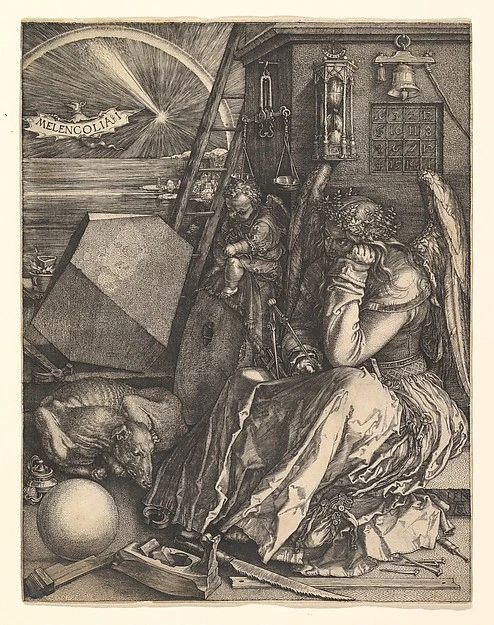
Albrecht Dürer, Melencolia I, 1514. Instruments of artistic work lie around the central figure.
Albrecht Dürer, Melencolia I. The Metropolitan Museum of Art. Harris Brisbane Dick Fund, 1943. · Image source ↗ · CC0
A Wanderer in the Spirit Lands: Franchezzo, transcribed by A. Farnese
A Wanderer in the Spirit Lands, attributed to Franchezzo and transcribed by A. Farnese, describes a mirror that replays a rescue party’s experiences. Sensitised spiritual metal supposedly retains the images, while music accompanies the emotions. The father’s explanation is an account of recording and representation. [8][9]
Forming an idea and recalling one
Dowd uses gestation to describe an idea becoming active in a person’s life. Russell asks how the thinker retrieves an idea and gives it a new expression. The first stresses development after reception. The second explains the feeling of novelty through recollection. [3][1][2][6][7][12][14][16]
The Brotherhood’s mirror in A Wanderer in the Spirit Lands represents events people have already lived through. Its audience receives a record of an expedition. The imagination in Dowd’s account gives a person room to work on something still emerging. [8][9][3][1][2]
Marcantonio Raimondi gives poetry wings in an engraving after Raphael. The personification makes inspiration visible. Russell’s example of a poet asks how an inward experience can be given a form others can receive. [10][1][2][14][16]
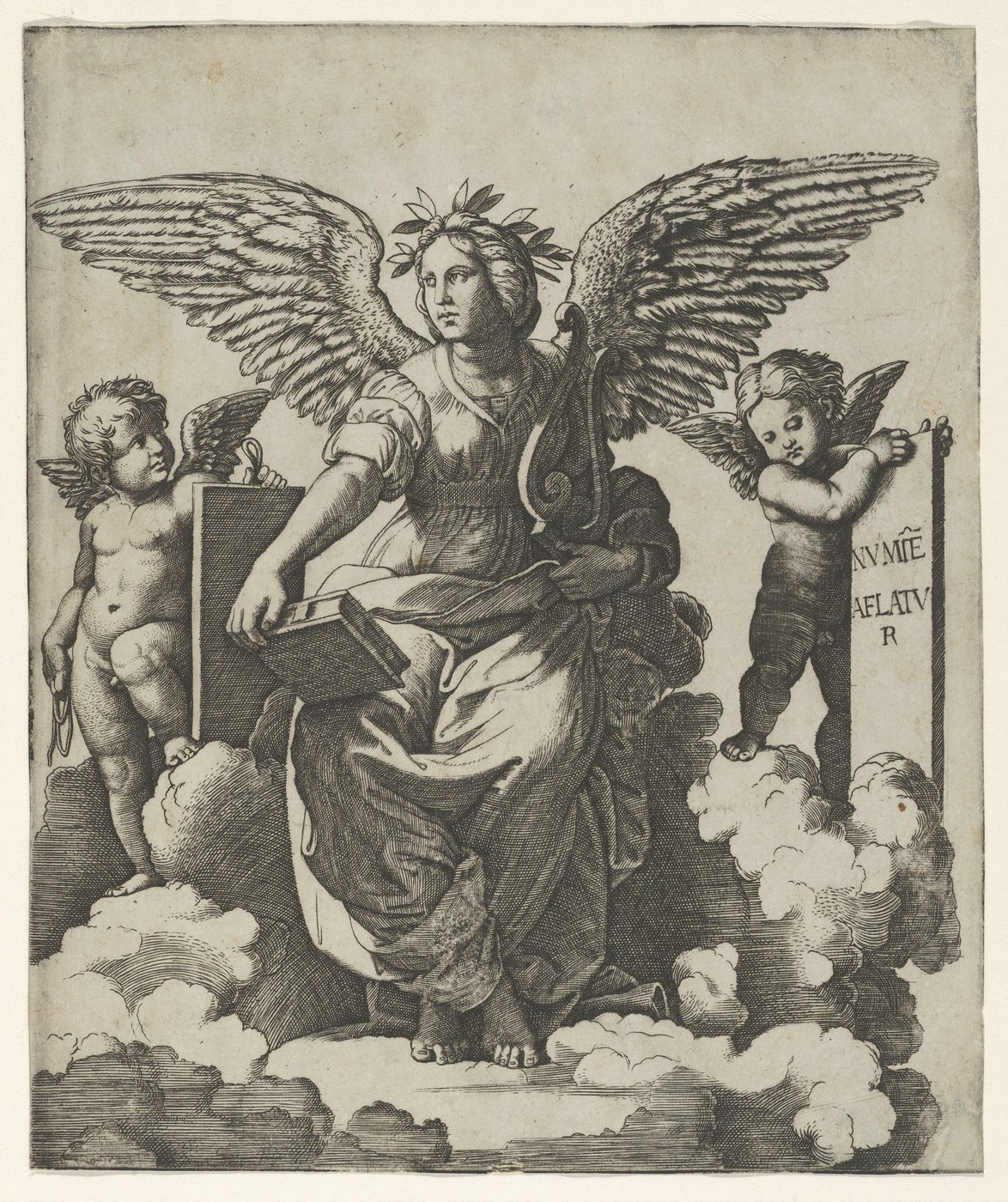
Marcantonio Raimondi after Raphael, Poetry personified as a winged woman, c. 1515.
The Metropolitan Museum of Art. The Elisha Whittelsey Collection, The Elisha Whittelsey Fund, 1949, accession 49.97.135. Public Domain (CC0). · Image source ↗ · CC0
See references (11)
- Evolution of Immortality, printed p. 71, Reader page 68
- Evolution of Immortality, printed p. 122, Reader page 121
- Evolution of Immortality, printed p. 60, Reader page 57
- Evolution of Immortality, printed p. 79, Reader page 76
- Evolution of Immortality, printed p. 80, Reader page 77
- A Wanderer in the Spirit Lands, printed p. 229, Reader page 238
- A Wanderer in the Spirit Lands, printed p. 230, Reader page 239
- Poetry personified as a winged woman
- The Universal One, Reader page 80
- The Universal One, Reader page 85
- The Universal One, Reader page 86
Read further in the library
Evolution of Immortality
Reading note
The separately titled account draws on exact passages in the consulted Library edition.
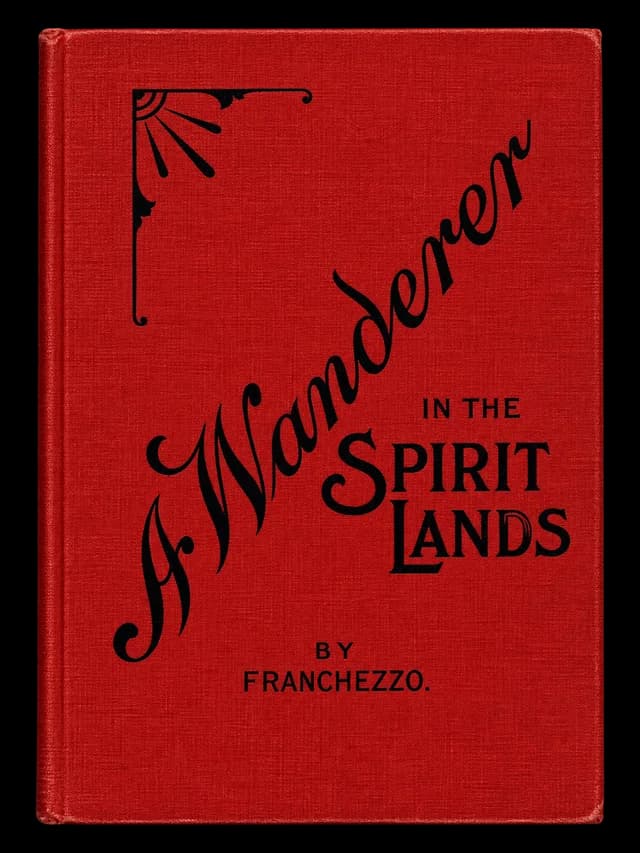
A Wanderer in the Spirit Lands
Reading note
Separately attributed comparison with exact previously researched Library passages.
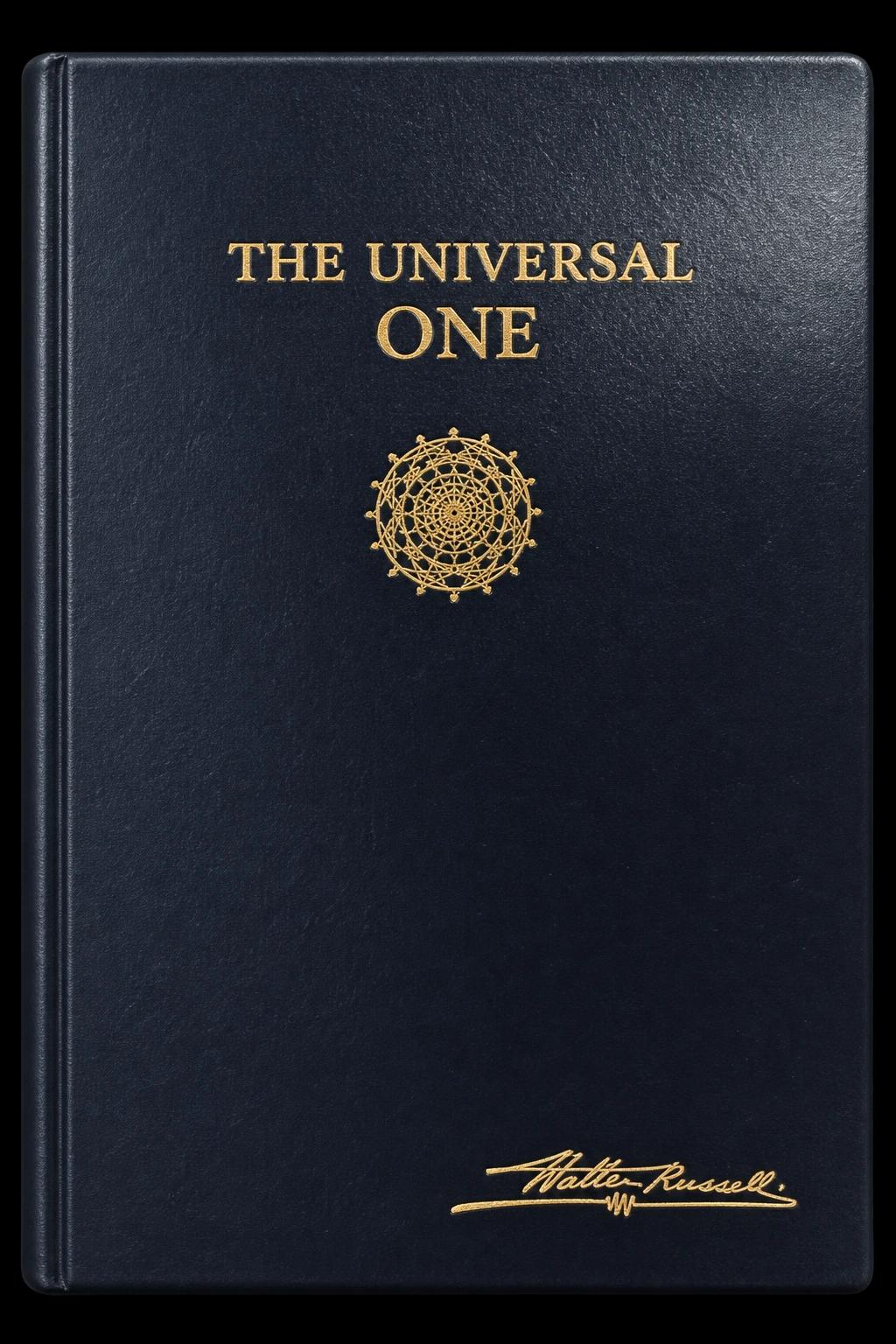
The Universal One
Reading note
The separately titled account draws on exact passages in the consulted Library edition.
Sources
See references (16)
- Evolution of Immortality, printed p. 71, Reader page 68Rosicruciæ, catalogued as Freeman Benjamin Dowd, Evolution of Immortality. Eulian Publishing Company, Salem, Mass., copyright 1900; title page undated. The book’s metaphysical and scientific assertions remain attributed. The separately reproduced Higher Thought of Sex address has no speaker named in this edition.Read this page in Evolution of Immortality ↗Return to text ↑
- Evolution of Immortality, printed p. 122, Reader page 121Rosicruciæ, catalogued as Freeman Benjamin Dowd, Evolution of Immortality. Eulian Publishing Company, Salem, Mass., copyright 1900; title page undated. The book’s metaphysical and scientific assertions remain attributed. The separately reproduced Higher Thought of Sex address has no speaker named in this edition.Read this page in Evolution of Immortality ↗Return to text ↑
- Evolution of Immortality, printed p. 60, Reader page 57Rosicruciæ, catalogued as Freeman Benjamin Dowd, Evolution of Immortality. Eulian Publishing Company, Salem, Mass., copyright 1900; title page undated. The book’s metaphysical and scientific assertions remain attributed. The separately reproduced Higher Thought of Sex address has no speaker named in this edition.Read this page in Evolution of Immortality ↗Return to text ↑
- Evolution of Immortality, printed p. 70, Reader page 67Rosicruciæ, catalogued as Freeman Benjamin Dowd, Evolution of Immortality. Eulian Publishing Company, Salem, Mass., copyright 1900; title page undated. The book’s metaphysical and scientific assertions remain attributed. The separately reproduced Higher Thought of Sex address has no speaker named in this edition.Read this page in Evolution of Immortality ↗Return to text ↑
- Evolution of Immortality, printed p. 123, Reader page 122Rosicruciæ, catalogued as Freeman Benjamin Dowd, Evolution of Immortality. Eulian Publishing Company, Salem, Mass., copyright 1900; title page undated. The book’s metaphysical and scientific assertions remain attributed. The separately reproduced Higher Thought of Sex address has no speaker named in this edition.Read this page in Evolution of Immortality ↗Return to text ↑
- Evolution of Immortality, printed p. 79, Reader page 76Rosicruciæ, catalogued as Freeman Benjamin Dowd, Evolution of Immortality. Eulian Publishing Company, Salem, Mass., copyright 1900; title page undated. The book’s metaphysical and scientific assertions remain attributed. The separately reproduced Higher Thought of Sex address has no speaker named in this edition.Read this page in Evolution of Immortality ↗Return to text ↑
- Evolution of Immortality, printed p. 80, Reader page 77Rosicruciæ, catalogued as Freeman Benjamin Dowd, Evolution of Immortality. Eulian Publishing Company, Salem, Mass., copyright 1900; title page undated. The book’s metaphysical and scientific assertions remain attributed. The separately reproduced Higher Thought of Sex address has no speaker named in this edition.Read this page in Evolution of Immortality ↗Return to text ↑
- A Wanderer in the Spirit Lands, printed p. 229, Reader page 238A Wanderer in the Spirit Lands, attributed to the spirit Franchezzo and transcribed by A. Farnese. W. J. Sinkins, London. Title page undated; preface dated 1896. The narrator’s experiences and the guides’ explanations are reported claims, not independently established observations.Read this page in A Wanderer in the Spirit Lands ↗Return to text ↑
- A Wanderer in the Spirit Lands, printed p. 230, Reader page 239A Wanderer in the Spirit Lands, attributed to the spirit Franchezzo and transcribed by A. Farnese. W. J. Sinkins, London. Title page undated; preface dated 1896. The narrator’s experiences and the guides’ explanations are reported claims, not independently established observations.Read this page in A Wanderer in the Spirit Lands ↗Return to text ↑
- Poetry personified as a winged woman ↗The Metropolitan Museum of Art. The Elisha Whittelsey Collection, The Elisha Whittelsey Fund, 1949, accession 49.97.135. Public Domain (CC0).Return to text ↑
- Albrecht Dürer, Melencolia I ↗Albrecht Dürer, Melencolia I. The Metropolitan Museum of Art. Harris Brisbane Dick Fund, 1943.
- The Universal One, Reader page 80Walter Russell, The Universal One, edited by Louise Russell, University of Science and Philosophy, Limited Edition De Luxe. Lumitheca Library edition IMJ-0605-E001.Read this page in The Universal One ↗Return to text ↑
- The Universal One, Reader page 84Walter Russell, The Universal One, edited by Louise Russell, University of Science and Philosophy, Limited Edition De Luxe. Lumitheca Library edition IMJ-0605-E001.Read this page in The Universal One ↗Return to text ↑
- The Universal One, Reader page 85Walter Russell, The Universal One, edited by Louise Russell, University of Science and Philosophy, Limited Edition De Luxe. Lumitheca Library edition IMJ-0605-E001.Read this page in The Universal One ↗Return to text ↑
- The Universal One, Reader page 76Walter Russell, The Universal One, edited by Louise Russell, University of Science and Philosophy, Limited Edition De Luxe. Lumitheca Library edition IMJ-0605-E001.Read this page in The Universal One ↗Return to text ↑
- The Universal One, Reader page 86Walter Russell, The Universal One, edited by Louise Russell, University of Science and Philosophy, Limited Edition De Luxe. Lumitheca Library edition IMJ-0605-E001.Read this page in The Universal One ↗Return to text ↑