Vague Pure Affection and Vague Selfish Affection
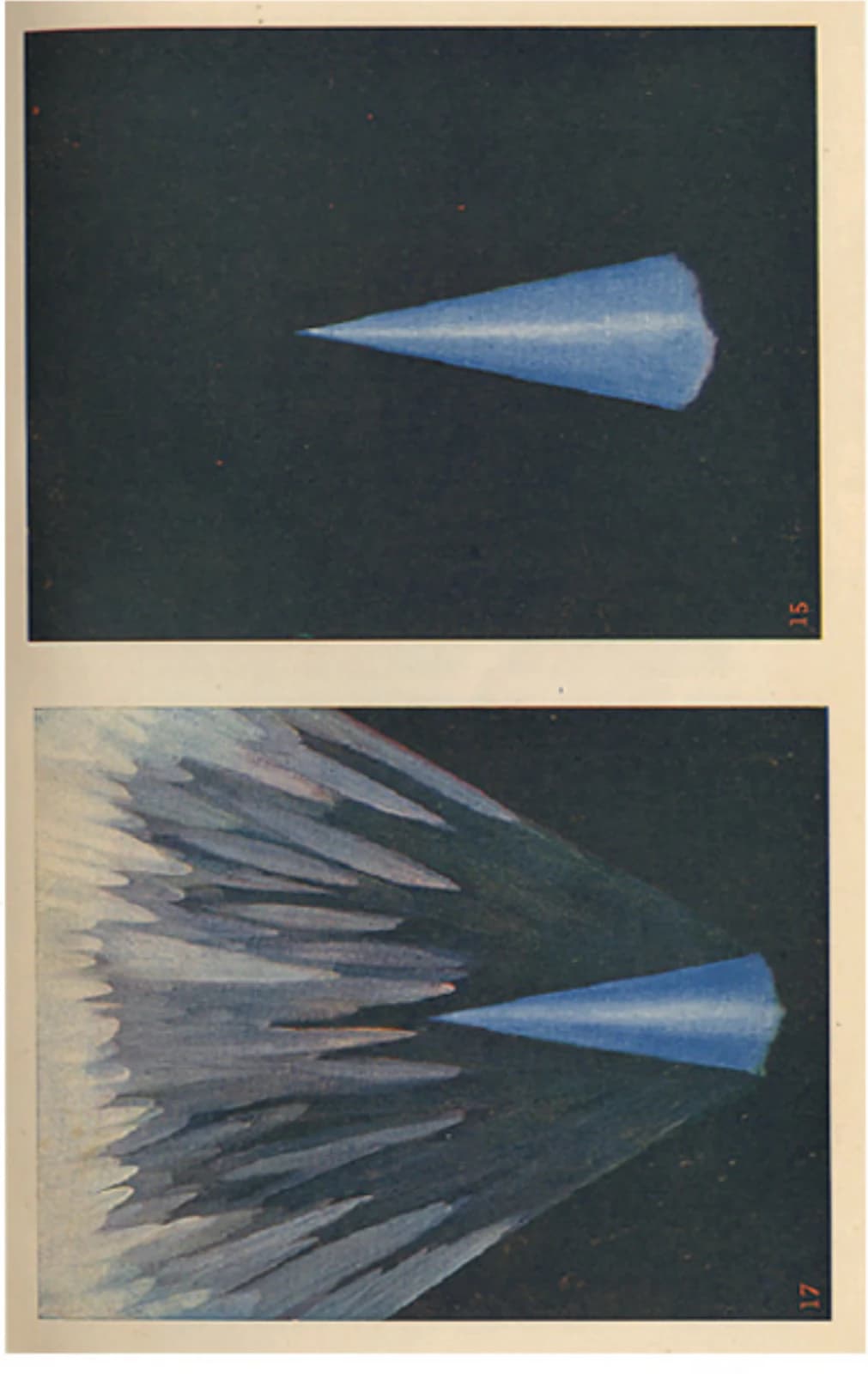
Two contrasting forms of affection in the authors’ symbolic language of colour.
Love appears as a rose-coloured cloud. Anger becomes a jagged flash of red. Music rises into strange, towering shapes that its listeners would never have imagined seeing.
Annie Besant and C. W. Leadbeater claimed that thoughts and emotions created forms visible to clairvoyant observers. Their extraordinary colour plates translate that theory into a visual language of moods, prayers and musical sound. The images are expressions of Theosophical belief, not scientific photographs of the mind. They remain among the most memorable pictures in the history of esoteric art.
Two contrasting forms of affection in the authors’ symbolic language of colour.
A wing-like form of protection, paired with a concentrated rose-coloured oval.
A drifting blue cloud and a flower-like form named Self-Renunciation.
Upward devotion and the response the authors imagined it might evoke.
A few ways into the original book.
The authors introduce their approach to thought and the unseen world.
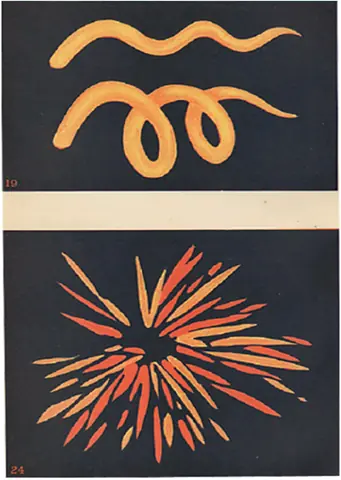
Contrasting forms of enquiry and explosive anger.
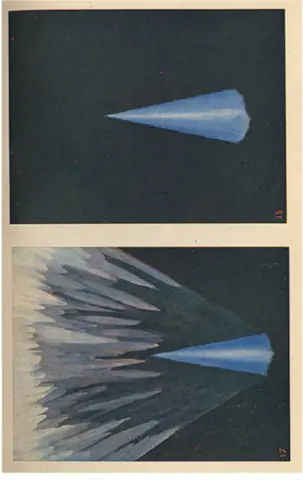
Religious feeling and its imagined response.
Choose your stars, then sign in to write your review.
Loading reviews...
Loading comments...
The coloured shapes that Besant and Leadbeater describe as expressions of thought and feeling.
CodexThe practice of directing supportive thought toward another person, as described and illustrated in Thought-Forms.
CodexThe spiritual and symbolic framework through which Besant and Leadbeater interpret thought, moral responsibility and cosmic order.
Practice · 6–10 minutesPicture a rose-coloured wing-form with a yellow heart, carrying a wish for a loved one’s peace.