Life and career
Born Annie Wood, Besant married an Anglican clergyman in 1867. The breakdown of the marriage and her loss of religious faith brought her into the London freethought movement. With Charles Bradlaugh she published Charles Knowlton’s pamphlet on birth control in 1877. Their prosecution made the question of who could obtain information about contraception a subject of national debate.
As a socialist journalist, Besant reported in 1888 on pay and working conditions at the Bryant and May match factory. When the women and girls struck, she helped publicise their demands. They won concessions and formed a union. Her encounter with Helena Blavatsky soon drew her towards Theosophy, and her public work increasingly took her to India.
Work and ideas
In India, education and self-government became central to her politics. She helped establish the Central Hindu School at Benares in 1898, became president of the Theosophical Society in 1907 and campaigned for Indian home rule. In 1917 she became the first woman to preside over the Indian National Congress.
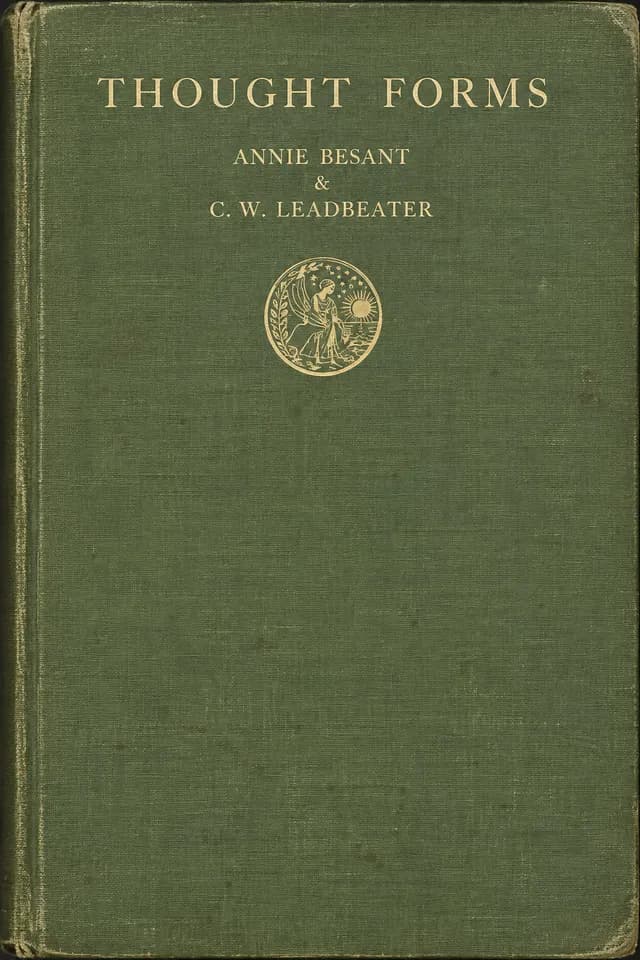
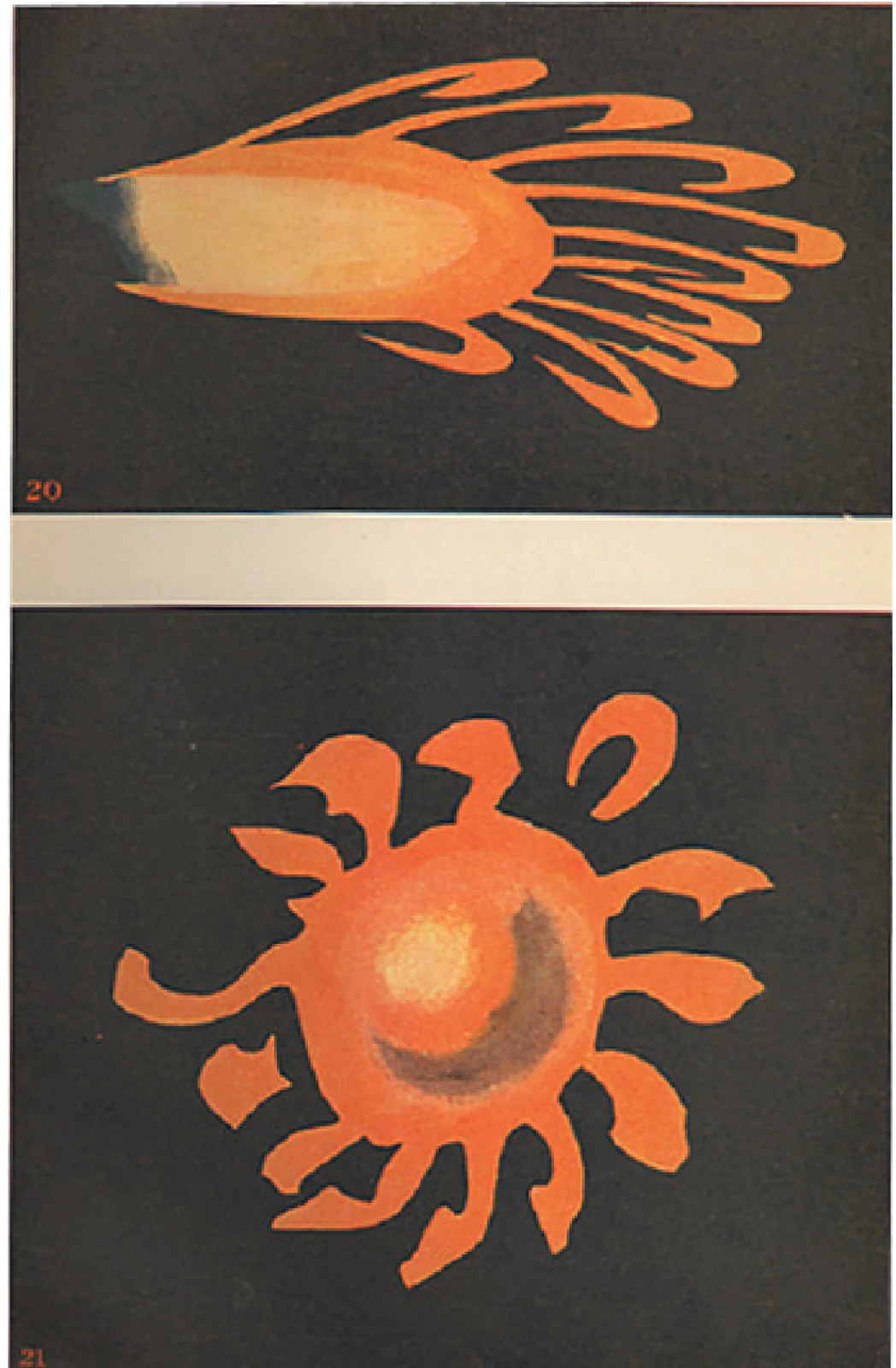
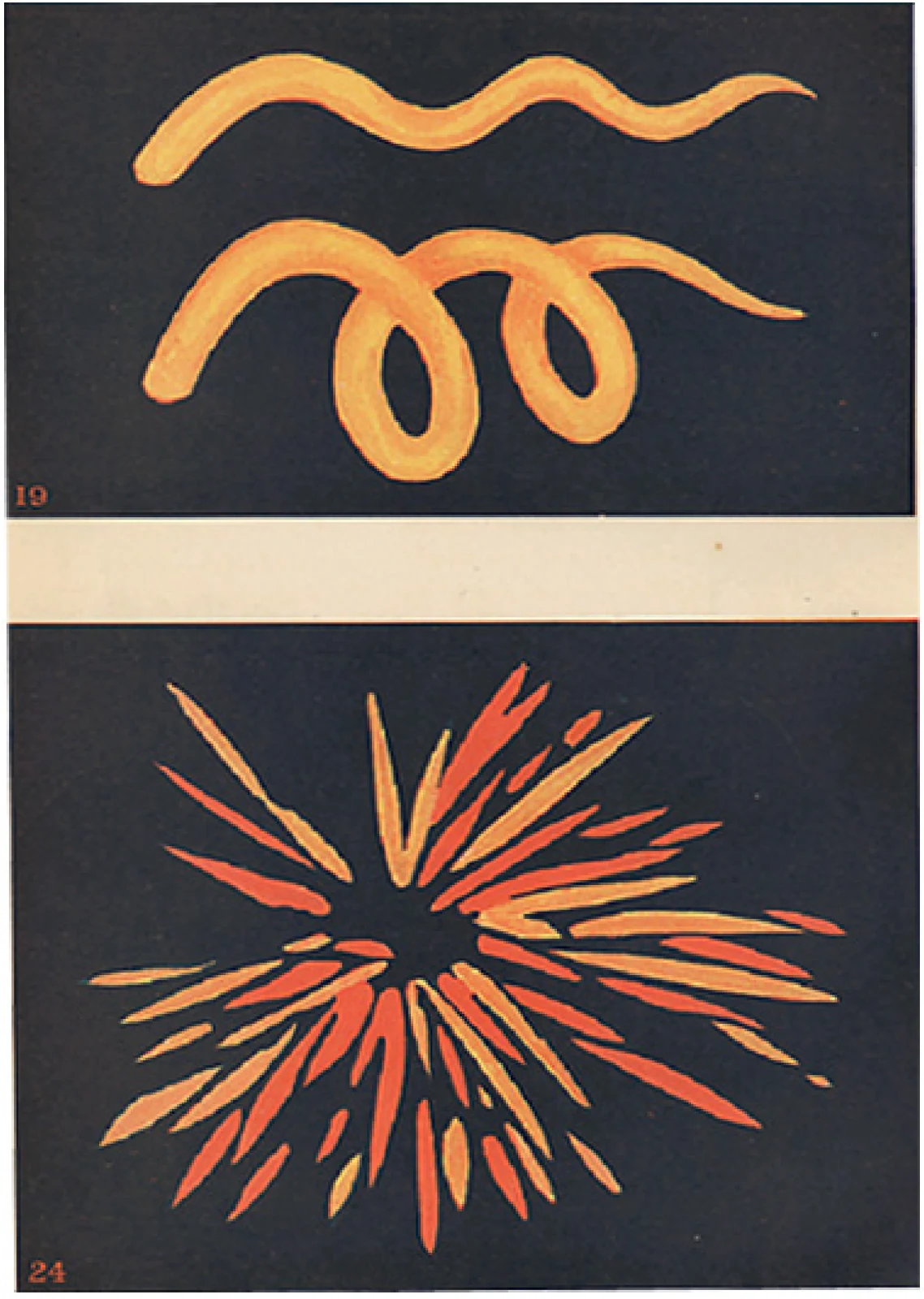
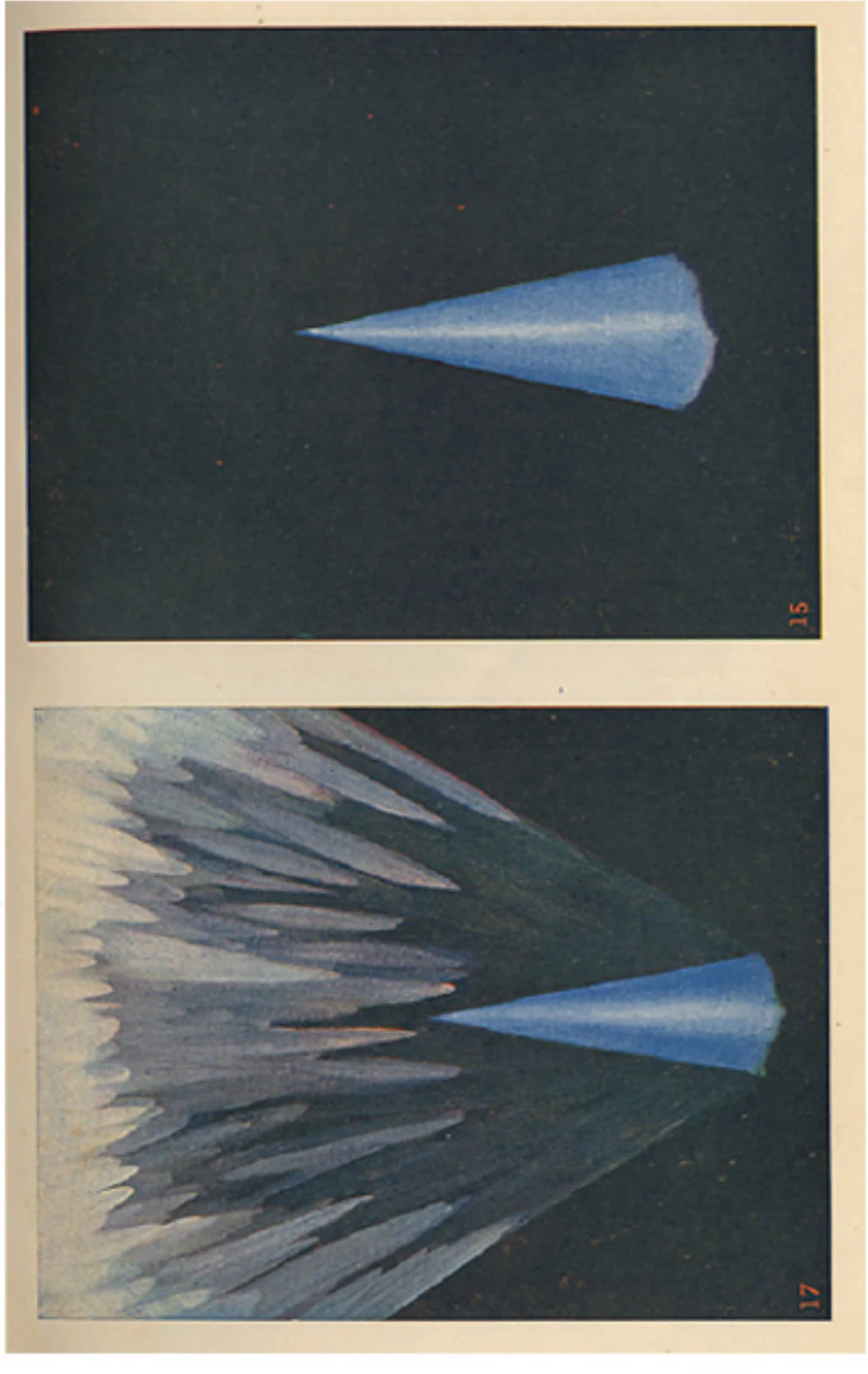
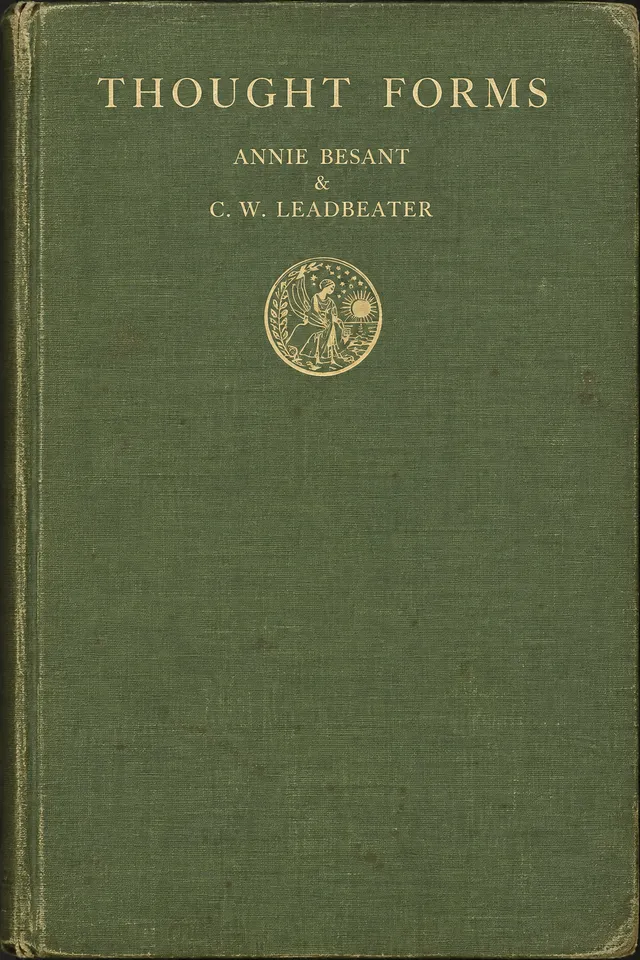
Her religious books addressed readers through lectures, manuals and, in Thought-Forms, pictures. Besant and C. W. Leadbeater believed thoughts had visible shapes as well as moral consequences. In the foreword Besant names John Varley, Mr Prince and Miss Macfarlane as the three friends who drew and painted what the two authors described. The illustrations thus preserve both a Theosophical claim and a collaboration among writers and painters.