Life
In 1883, while serving as an Anglican clergyman, Leadbeater joined the Theosophical Society. He travelled to India the following year, worked at its headquarters at Adyar and spent time in Ceylon (now Sri Lanka). On his return to England he began publishing accounts of his clairvoyant experiences.
In 1906 Leadbeater resigned from the Society amid allegations concerning his sexual conduct with boys in his care. His readmission divided the membership. He settled in Sydney in 1914 and was consecrated a bishop there in 1916 in the church later known as the Liberal Catholic Church. Australian police inquiries in 1918 and 1922 resulted in no prosecution. Australian Dictionary of Biography
Work and beliefs
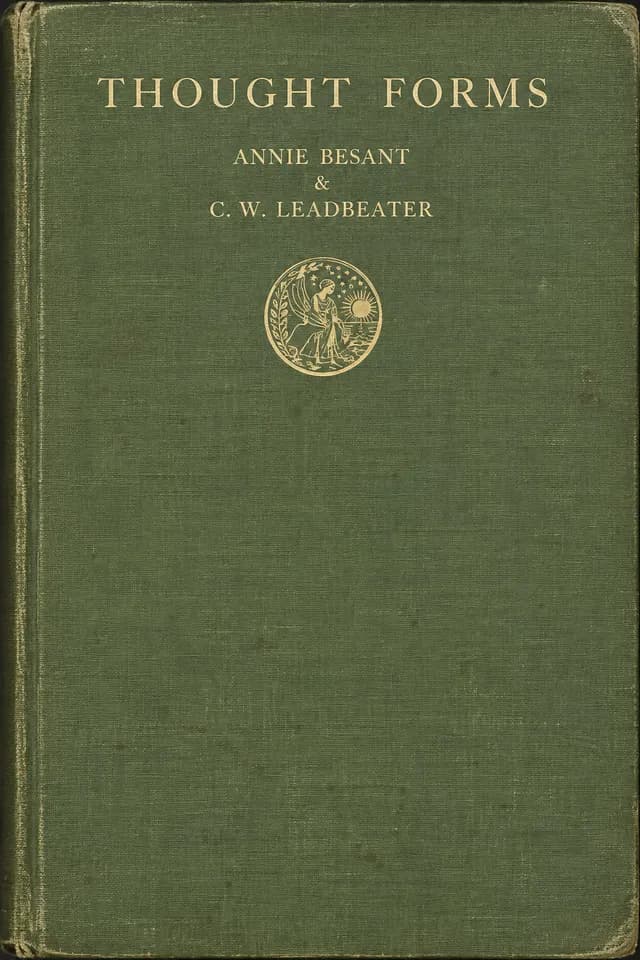
Leadbeater believed that a person’s thoughts affected others even when left unspoken. In Thought-Forms (1901), he and Besant assigned shapes and colours to emotions ranging from affection to fear. Besant credited three friends with turning the pair’s descriptions into paintings and drawings. The authors saw a moral purpose in the pictures. In their view, choosing what to dwell on was itself a way of helping or harming someone else.
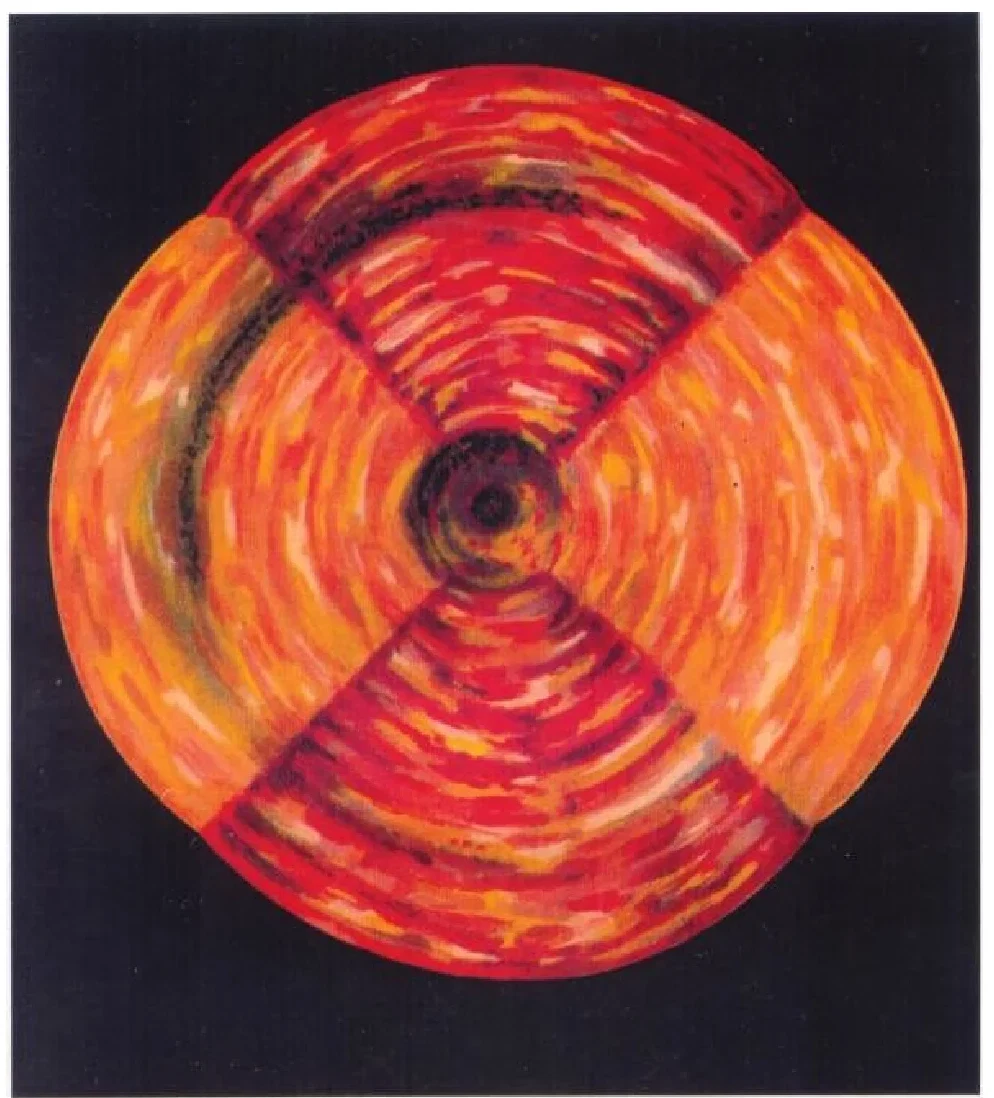
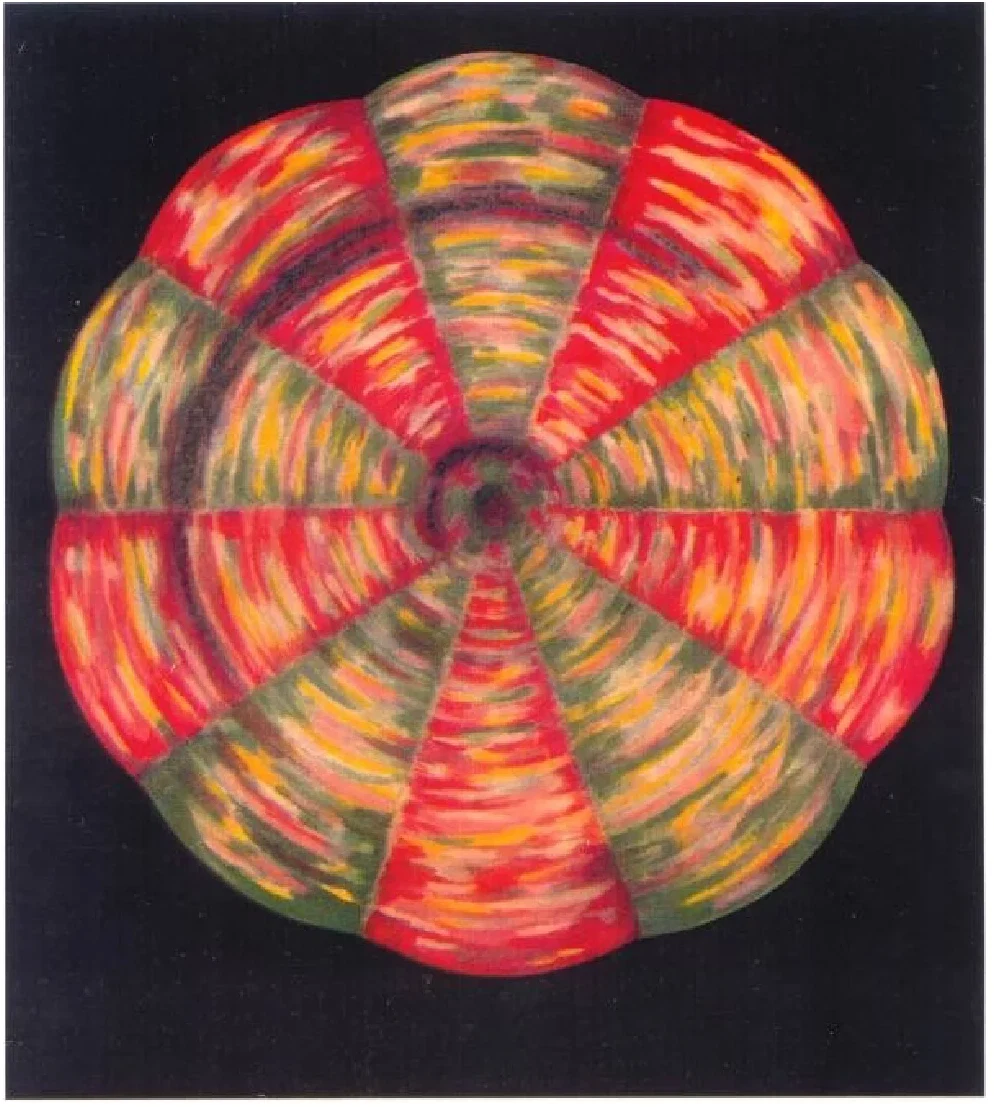
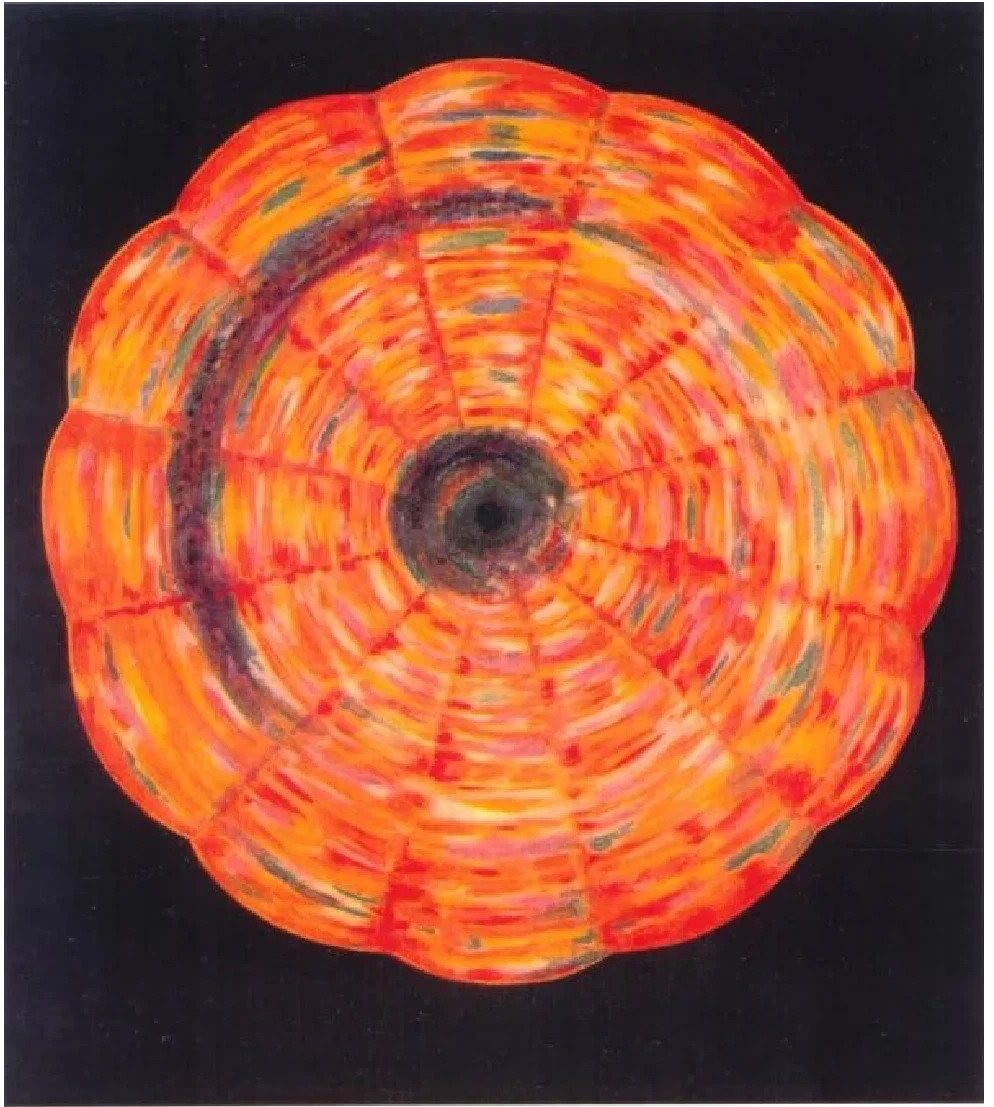
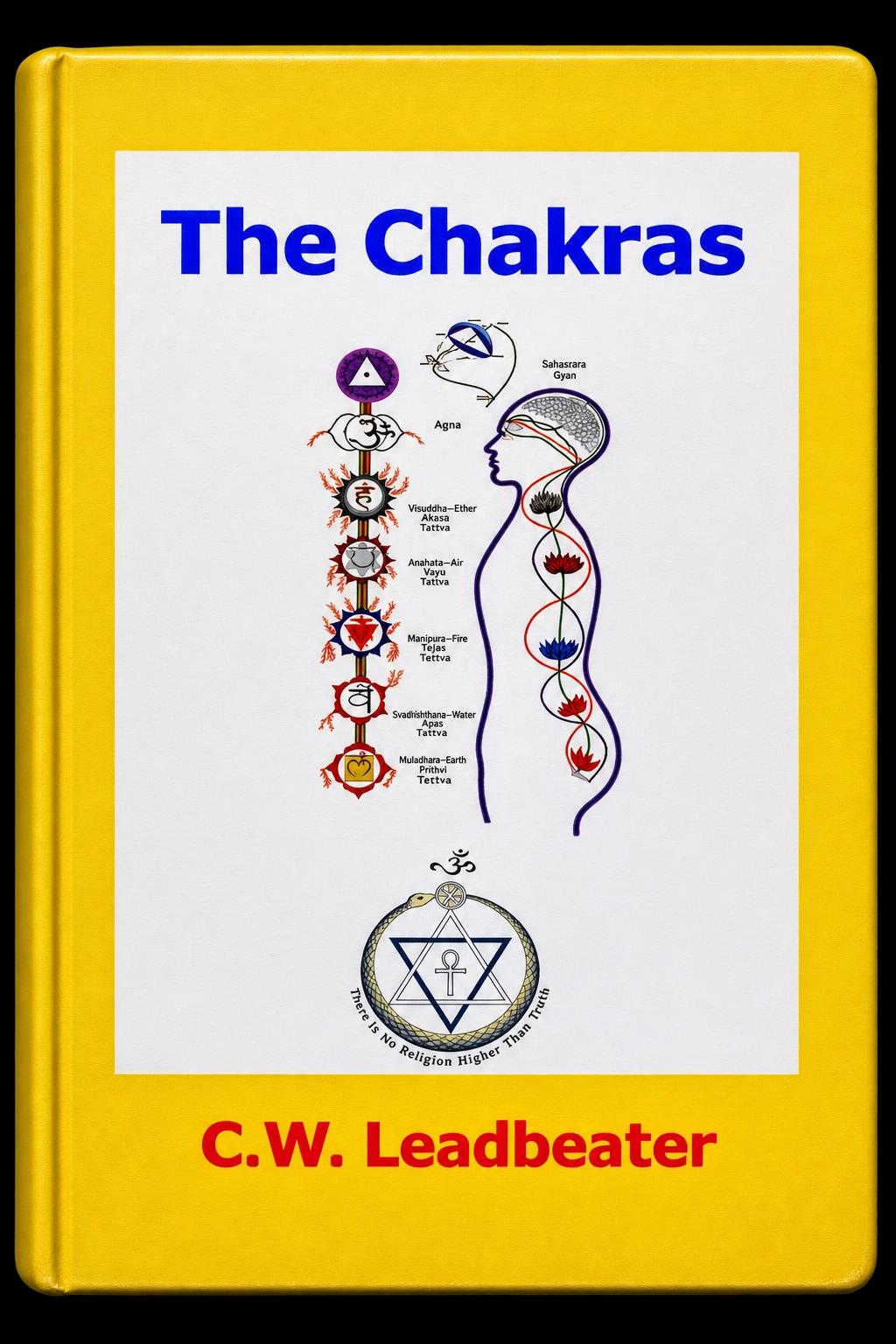
His books return to the question of what a clairvoyant might see beyond the physical body. Man Visible and Invisible depicts the aura, while The Chakras (1927) presents seven centres that he believed channelled energy. The Science of the Sacraments brings that same belief into church life, describing what Leadbeater thought happened during the celebration of the Eucharist.