Pre-existence of the soul
Pre-existence of the soul is the belief that the soul existed before birth. Explore why Flammarion and Dowd thought an earlier life could be forgotten.
In this article
Understanding pre-existence of the soul
Pre-existence of the soul is the belief that a person’s soul existed before their present bodily life. Reincarnation is the further belief that a soul can take on another body. Camille Flammarion’s Lumen connects the two through the narrator’s claimed memories of earlier lives. [2][3][4][5][6][7][8][9][10][11]
Lumen by Camille Flammarion
In Lumen, Camille Flammarion’s narrator says he can revisit former lives. Quaerens cannot remember anything before his birth and asks what an inaccessible earlier life could mean for him. Lumen says the wider memory returns between incarnations. On Earth, he argues, forgetting leaves a person free to act without already knowing how life will unfold. [2][3][4]
The narrator compares the soul to a butterfly that has passed through earlier stages without remembering them. The analogy is about continuity through a change of form. [3][4]
Lumen gives innate differences a second role in the argument. Rejecting the inheritance of intellectual traits, he treats differences between children as traces of prior activity. He also asks when an immortal soul could be created in relation to conception. These are the dialogue’s historical arguments for the soul’s independence. [4][5][6][7]
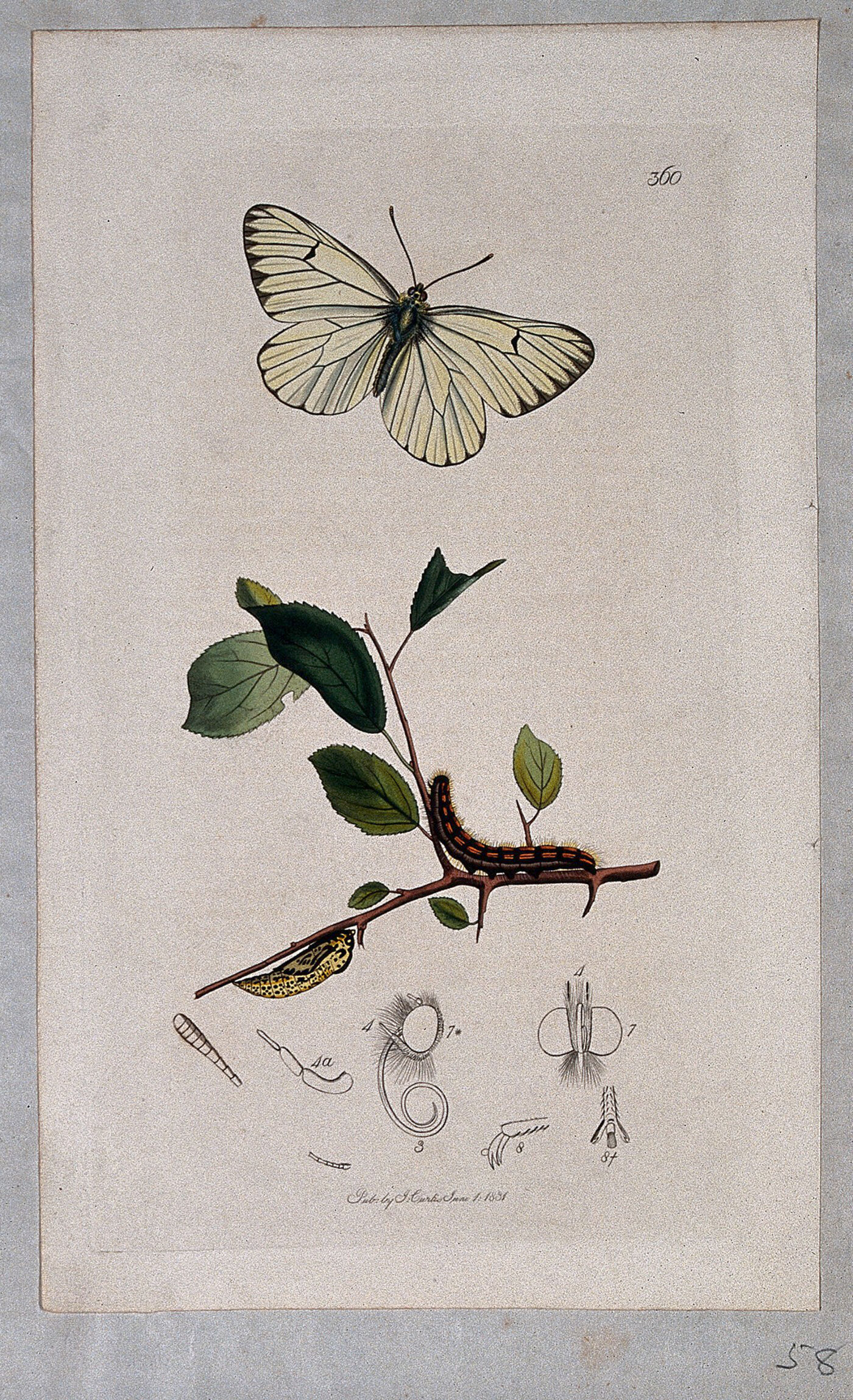
Coloured etching of a butterfly, caterpillar and chrysalis beside hawthorn (1831). Flammarion uses metamorphosis to illustrate continuity through changes of form.
Wellcome Collection, V0044007EL. Public Domain Mark. · Image source ↗ · Public Domain
Evolution of Immortality by Freeman Benjamin Dowd
In Evolution of Immortality, Freeman Benjamin Dowd, writing as Rosicruciæ, compares a supposed prior incarnation with forgotten infancy. Loss of memory, he argues, gives little reason by itself to deny an earlier experience. He also says reincarnation cannot be demonstrated by material facts or testimony. [12]
What forgetting can explain
Dowd asks the reader to accept that a stage of life can be real and later forgotten. Flammarion also gives forgetting a purpose: restricted memory makes earthly action possible, and fuller recall returns in the intervals he describes. Their arguments address the objection from forgetting. Identifying a particular former life requires its own evidence. [8][9][10][11][2][3][4][5][6][7][12]
See references (11)
Read further in the library
Lumen
Reading note
The separately titled account draws on exact passages in the consulted Library edition.
Evolution of Immortality
Reading note
Separately attributed comparison with exact previously researched Library passages.
Sources
See references (12)
- A hawthorn twig (Crataegus species) with an associated butterfly, its caterpillar, chrysalis and anatomical segments. Coloured etching, c. 1831. ↗Wellcome Collection, V0044007EL. Current primary image location designates Public Domain Mark. Historical illustration;its date and attribution follow the collection record.
- Lumen, printed p. 153, Reader page 159Camille Flammarion, Lumen, authorised English translation by A. A. M. and R. M., Dodd, Mead and Company, New York, 1897. Exact selected Library edition IMJ-0398-E001. Lumen and Quaerens are speakers in the dialogue; claims made by the narrator are attributed to this text. Original PageIDs and current Reader positions are verified separately from printed pagination.Read this page in Lumen ↗Return to text ↑
- Lumen, Reader page 160Camille Flammarion, Lumen, authorised English translation by A. A. M. and R. M., Dodd, Mead and Company, New York, 1897. Exact selected Library edition IMJ-0398-E001. Lumen and Quaerens are speakers in the dialogue; claims made by the narrator are attributed to this text. Original PageIDs and current Reader positions are verified separately from printed pagination.Read this page in Lumen ↗Return to text ↑
- Lumen, Reader page 161Camille Flammarion, Lumen, authorised English translation by A. A. M. and R. M., Dodd, Mead and Company, New York, 1897. Exact selected Library edition IMJ-0398-E001. Lumen and Quaerens are speakers in the dialogue; claims made by the narrator are attributed to this text. Original PageIDs and current Reader positions are verified separately from printed pagination.Read this page in Lumen ↗Return to text ↑
- Lumen, Reader page 162Camille Flammarion, Lumen, authorised English translation by A. A. M. and R. M., Dodd, Mead and Company, New York, 1897. Exact selected Library edition IMJ-0398-E001. Lumen and Quaerens are speakers in the dialogue; claims made by the narrator are attributed to this text. Original PageIDs and current Reader positions are verified separately from printed pagination.Read this page in Lumen ↗Return to text ↑
- Lumen, Reader page 163Camille Flammarion, Lumen, authorised English translation by A. A. M. and R. M., Dodd, Mead and Company, New York, 1897. Exact selected Library edition IMJ-0398-E001. Lumen and Quaerens are speakers in the dialogue; claims made by the narrator are attributed to this text. Original PageIDs and current Reader positions are verified separately from printed pagination.Read this page in Lumen ↗Return to text ↑
- Lumen, Reader page 164Camille Flammarion, Lumen, authorised English translation by A. A. M. and R. M., Dodd, Mead and Company, New York, 1897. Exact selected Library edition IMJ-0398-E001. Lumen and Quaerens are speakers in the dialogue; claims made by the narrator are attributed to this text. Original PageIDs and current Reader positions are verified separately from printed pagination.Read this page in Lumen ↗Return to text ↑
- Lumen, Reader page 148Camille Flammarion, Lumen, authorised English translation by A. A. M. and R. M., Dodd, Mead and Company, New York, 1897. Exact selected Library edition IMJ-0398-E001. Lumen and Quaerens are speakers in the dialogue; claims made by the narrator are attributed to this text. Original PageIDs and current Reader positions are verified separately from printed pagination.Read this page in Lumen ↗Return to text ↑
- Lumen, Reader page 149Camille Flammarion, Lumen, authorised English translation by A. A. M. and R. M., Dodd, Mead and Company, New York, 1897. Exact selected Library edition IMJ-0398-E001. Lumen and Quaerens are speakers in the dialogue; claims made by the narrator are attributed to this text. Original PageIDs and current Reader positions are verified separately from printed pagination.Read this page in Lumen ↗Return to text ↑
- Lumen, Reader page 150Camille Flammarion, Lumen, authorised English translation by A. A. M. and R. M., Dodd, Mead and Company, New York, 1897. Exact selected Library edition IMJ-0398-E001. Lumen and Quaerens are speakers in the dialogue; claims made by the narrator are attributed to this text. Original PageIDs and current Reader positions are verified separately from printed pagination.Read this page in Lumen ↗Return to text ↑
- Lumen, Reader page 151Camille Flammarion, Lumen, authorised English translation by A. A. M. and R. M., Dodd, Mead and Company, New York, 1897. Exact selected Library edition IMJ-0398-E001. Lumen and Quaerens are speakers in the dialogue; claims made by the narrator are attributed to this text. Original PageIDs and current Reader positions are verified separately from printed pagination.Read this page in Lumen ↗Return to text ↑
- Evolution of Immortality, printed p. 43, Reader page 40Rosicruciæ (catalogued as Freeman Benjamin Dowd), Evolution of Immortality. Eulian Publishing Company, Salem, 1900.Read this page in Evolution of Immortality ↗Return to text ↑