Planetary hibernation
Planetary hibernation in Lumen is a world’s imagined sleep for thousands of years. Compare Flammarion’s account with the Caverns of Slumber.
In this article
Understanding planetary hibernation
Planetary hibernation is an imagined sleep that overtakes the inhabitants of a world as its orbit carries it far from its sun. In Camille Flammarion’s Lumen, the inhabitants wake when warmth returns thousands of years later, at the same age and without any memory of the interval. [2][3]
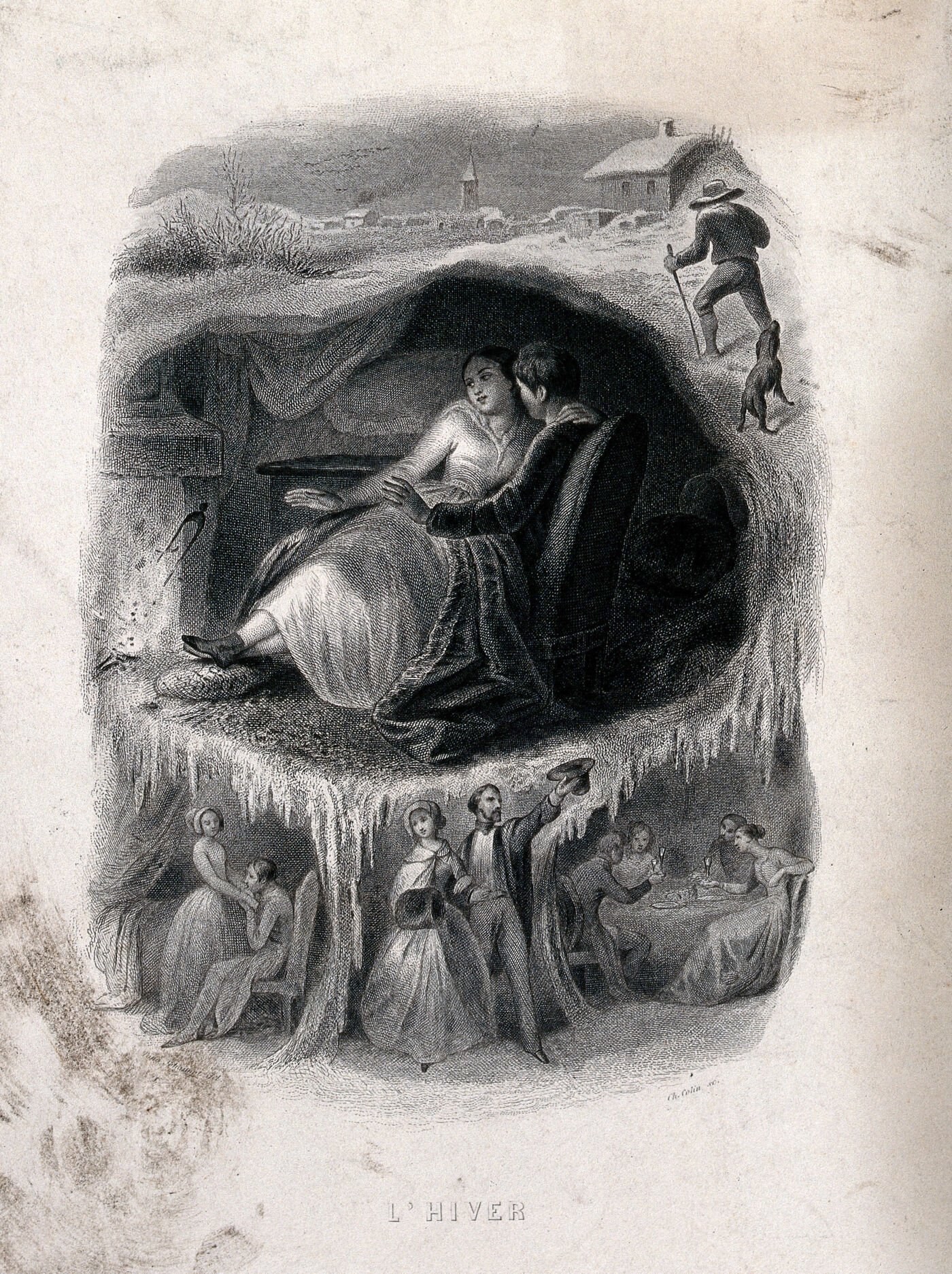
Winter, engraving by C. Colin after Tony Johannot. An outdoor traveller and an indoor fire show ways of enduring an ordinary winter.
Wellcome Collection. Primary catalogue and image location designate Public Domain Mark. Reproduction of an engraving by C. Colin after T. Johannot; no additional date is assigned. · Image source ↗ · Public Domain
See references (2)
Lumen by Camille Flammarion
In Lumen, Camille Flammarion first imagines Earth breaking out of orbit and freezing permanently. He then describes worlds with elongated orbits whose inhabitants become inactive as they recede from their suns. Cold takes hold gradually, and most of the inhabitants have lain down before their activity ceases. [4][2][3]
When one of these worlds returns to warmth three or four thousand years later, an unfinished game or conversation can resume as though there had been no interruption. The narrator appeals to small organisms reviving after inactivity to make the premise imaginable. For the people who wake, the change of seasons has left no conscious memory of the intervening millennia. [3][2]
A Wanderer in the Spirit Lands: Franchezzo, transcribed by A. Farnese
In A Wanderer in the Spirit Lands, attributed to Franchezzo and transcribed by A. Farnese, the Caverns of Slumber house spirits with barely active faculties. Attendants who have passed through a similar condition care for them and wait for their capacities to return. [5][6][7]
Returning warmth and gradual recovery
Flammarion gives his sleepers an orbital timetable. They resume activities when warmth returns. Franchezzo places the dormant spirits in the care of others and describes a recovery that proceeds by degrees. [5][6][7][2][3]
Read further in the library
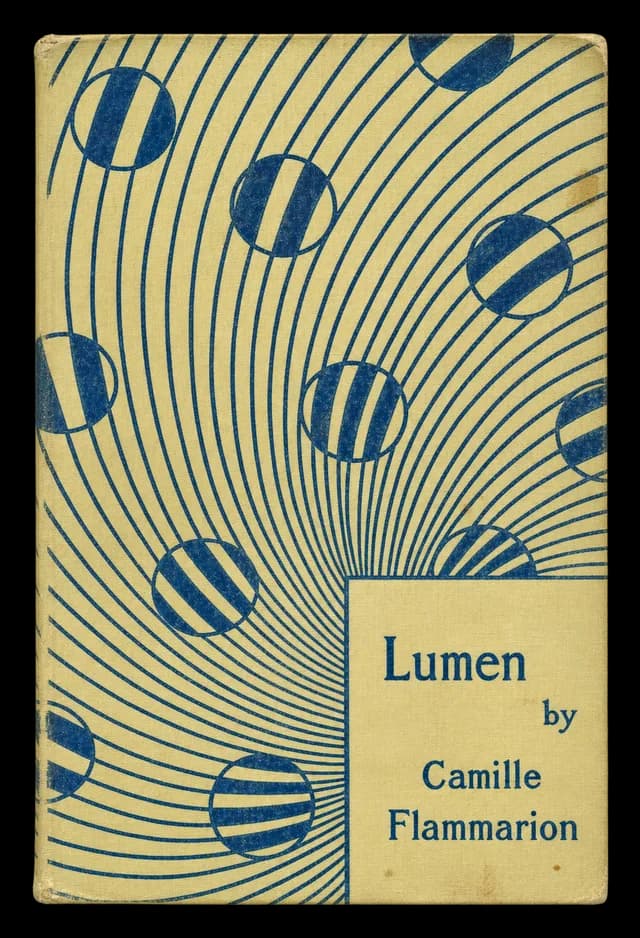
Lumen
Reading note
The separately titled account draws on exact passages in the consulted Library edition.
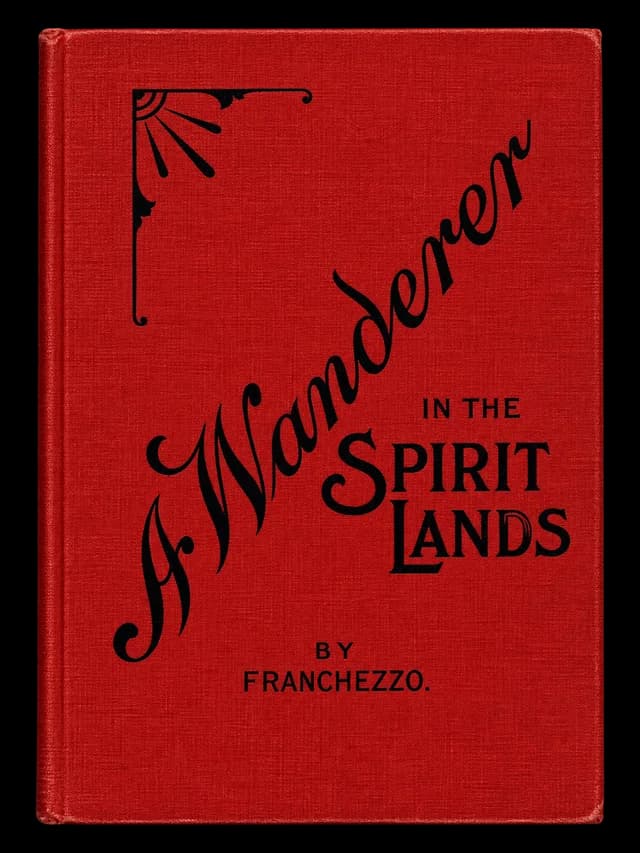
A Wanderer in the Spirit Lands
Reading note
Separately attributed comparison with exact previously researched Library passages.
Sources
See references (7)
- A winter landscape with a traveller, a couple in front of the fire place and social gathering; representing winter. Reproduction of an engraving by C. Colin after T. Johannot. ↗Wellcome Collection. Primary catalogue and image location designate Public Domain Mark. Reproduction of an engraving by C. Colin after T. Johannot; no additional date is assigned.
- Lumen, Reader page 177Camille Flammarion, Lumen, authorised English translation by A. A. M. and R. M., Dodd, Mead and Company, New York, 1897. Exact selected Library edition IMJ-0398-E001. Lumen and Quaerens are speakers in the dialogue; claims made by the narrator are attributed to this text. Original PageIDs and current Reader positions are verified separately from printed pagination.Read this page in Lumen ↗Return to text ↑
- Lumen, printed p. 172, Reader page 178Camille Flammarion, Lumen, authorised English translation by A. A. M. and R. M., Dodd, Mead and Company, New York, 1897. Exact selected Library edition IMJ-0398-E001. Lumen and Quaerens are speakers in the dialogue; claims made by the narrator are attributed to this text. Original PageIDs and current Reader positions are verified separately from printed pagination.Read this page in Lumen ↗Return to text ↑
- Lumen, Reader page 176Camille Flammarion, Lumen, authorised English translation by A. A. M. and R. M., Dodd, Mead and Company, New York, 1897. Exact selected Library edition IMJ-0398-E001. Lumen and Quaerens are speakers in the dialogue; claims made by the narrator are attributed to this text. Original PageIDs and current Reader positions are verified separately from printed pagination.Read this page in Lumen ↗Return to text ↑
- A Wanderer in the Spirit Lands, printed p. 64, Reader page 73A Wanderer in the Spirit Lands, attributed to the spirit Franchezzo and transcribed by A. Farnese. W. J. Sinkins, London. Title page undated; preface dated 1896. The narrator’s experiences and the guides’ explanations are reported claims, not independently established observations.Read this page in A Wanderer in the Spirit Lands ↗Return to text ↑
- A Wanderer in the Spirit Lands, printed p. 65, Reader page 74A Wanderer in the Spirit Lands, attributed to the spirit Franchezzo and transcribed by A. Farnese. W. J. Sinkins, London. Title page undated; preface dated 1896. The narrator’s experiences and the guides’ explanations are reported claims, not independently established observations.Read this page in A Wanderer in the Spirit Lands ↗Return to text ↑
- A Wanderer in the Spirit Lands, printed p. 66, Reader page 75A Wanderer in the Spirit Lands, attributed to the spirit Franchezzo and transcribed by A. Farnese. W. J. Sinkins, London. Title page undated; preface dated 1896. The narrator’s experiences and the guides’ explanations are reported claims, not independently established observations.Read this page in A Wanderer in the Spirit Lands ↗Return to text ↑