Who Was Lilith? From Isaiah to Adam’s First Wife
Lilith appears in Isaiah as a figure of the wilderness. The story that she was Adam’s first wife comes from the medieval Alphabet of Ben Sira.
In this article
Trace Lilith through three texts
Each text puts Lilith in a different setting. Use these three passages to find where a particular detail of the story comes from.
Isaiah 34:14
The figure finds rest among the inhabitants of a devastated landscape. Compare how translations handle her Hebrew name.
Compare the translationsGenesis 2:18–25
Read the creation of the woman from the man’s side, the scene often conflated with the later Lilith story.
Read the Genesis accountThe Alphabet of Ben Sira
The medieval story introduces the shared earth, the argument and Lilith’s departure.
Read the Lilith episode
What does the Bible say about Lilith?
Isaiah 34:14 places the Hebrew word lilit among the inhabitants of a desolate landscape. The passage imagines Edom’s strongholds overtaken by thorns and creatures at home in abandoned places. Some English translations keep the Hebrew name. Others translate it as a night creature or a kind of bird. What changes across those editions is how a translator understands the figure in Isaiah, a verse with no marriage plot. [1]
Genesis 2 describes the creation of the woman from the man’s side. It contains no episode in which Adam marries Lilith. The account of a wife created separately from the same earth belongs to a later strand of Jewish storytelling. The distinction matters whenever a retelling says the Bible itself gives Adam two wives. [2][3]
Where the story of Adam’s first wife comes from
In the medieval Alphabet of Ben Sira, Adam and Lilith are both made from earth. They dispute who should submit to whom. Lilith argues that their common origin makes them equals and leaves after uttering the divine name. Three angels go after her. The story links their pursuit to the names placed on amulets intended to protect infants. [3]
The episode explains two details together: why Lilith leaves Adam and why the angels’ names can appear in a protective formula. A modern retelling that stops at her departure preserves one scene and can miss the story’s explanation of the amulet. The Alphabet is a medieval work associated with the name Ben Sira. It is separate from Sirach, the biblical wisdom book also associated with that name. [3]
Lilith in rabbinic literature
Niddah 24b uses the resemblance to a winged lilith in a discussion of bodily form. Its passing reference assumes readers recognise such a being. Placing this passage next to Isaiah and the Alphabet yields three distinct uses: an inhabitant of ruins, a familiar figure in a rabbinic discussion, and a named character in a story about Adam. [4][1][3]
What Goethe and Rossetti made of Lilith
In Goethe’s Faust, Mephistopheles identifies Lilith during Walpurgis Night. The scene draws on the first-wife legend and uses Lilith’s hair as part of the warning about her allure. Bayard Taylor’s translation gives the exact moment when her identity is supplied. Read Lilith in Faust for that episode in context. [6]
Rossetti’s Lady Lilith turns the encounter into a private scene. A woman handles her hair while looking into a mirror. With no Adam and no angels in view, the painting asks the viewer to look at Lilith herself. The picture is a Victorian interpretation of the legend, useful evidence for how the character was received in the nineteenth century. [5]
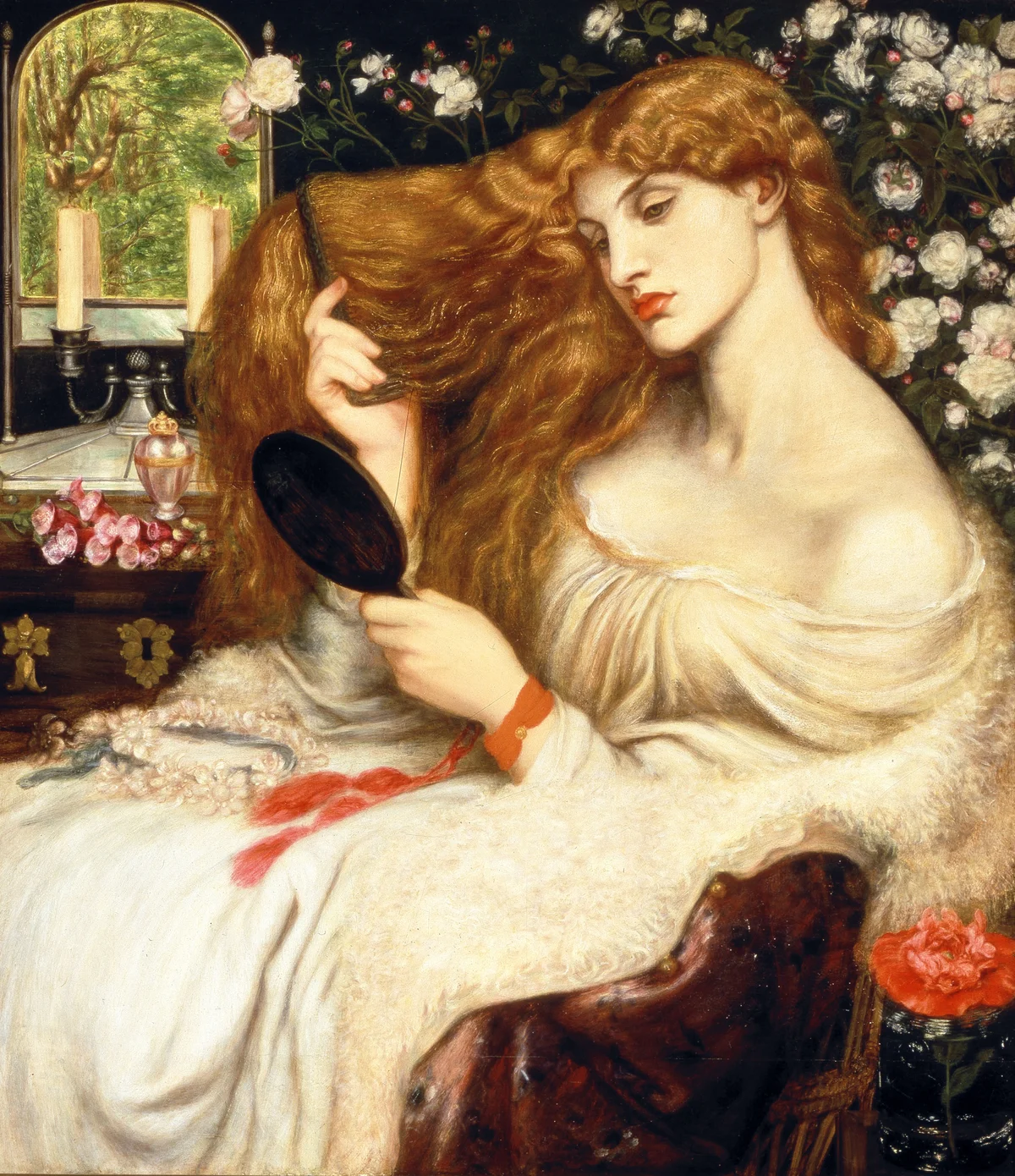
Dante Gabriel Rossetti’s Lady Lilith, begun in 1866 and altered in 1872–73.
Delaware Art Museum. Public-domain reproduction via Wikimedia Commons. · Image source ↗ · Public Domain
Read further in the library
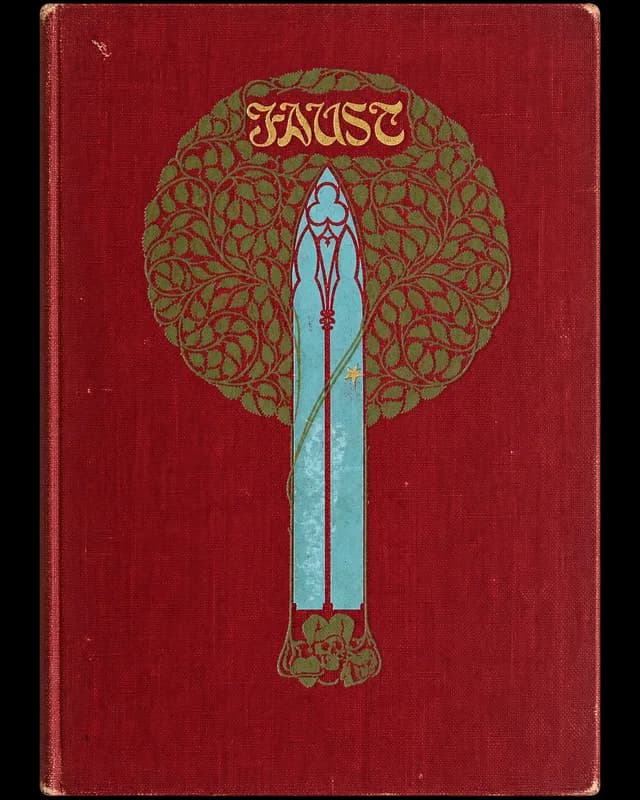
Faust
Reading note
Goethe’s Walpurgis Night gives the legend a distinct literary setting.
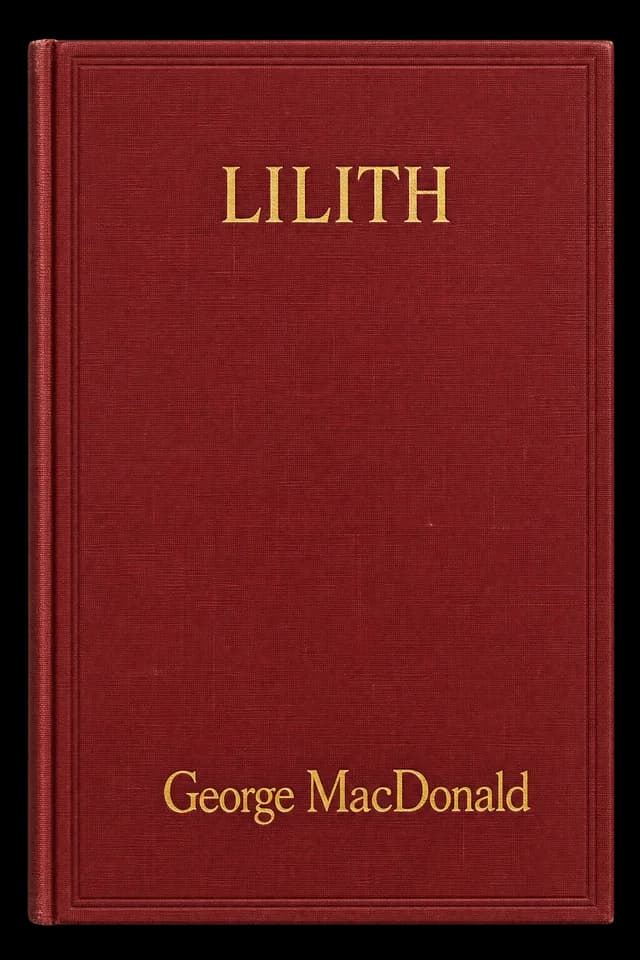
Lilith: A Romance
Reading note
George MacDonald reworks the figure in his 1895 fantasy.
Sources
See references (6)
- Isaiah 34:14 and its English translations ↗Hebrew Bible and Jewish Publication Society translations, via SefariaReturn to text ↑
- Genesis 2:18–25 ↗Hebrew Bible, via SefariaReturn to text ↑
- Alphabet of Ben Sira, Lilith episode ↗Medieval Jewish narrative in an English translation hosted by SefariaReturn to text ↑
- Babylonian Talmud, Niddah 24b ↗Rabbinic discussion, Hebrew and English via SefariaReturn to text ↑
- Dante Gabriel Rossetti, Lady Lilith ↗Delaware Art Museum, public-domain reproduction on Wikimedia CommonsReturn to text ↑
- Goethe’s Faust, Walpurgis Night: Mephistopheles names LilithJohann Wolfgang von Goethe, Faust, translated by Bayard Taylor, Lumitheca LibraryReturn to text ↑
Examine the original Library page
Tis Lilith
Open the original page in Faust ↗Scan leaf 224 · Johann Wolfgang von Goethe; translated by Bayard Taylor; illustrations by Harry Clarke