Elementals
Elementals are beings or forms associated with nature and the elements. Compare Leadbeater, Hodson, Ward and Fortune on what gives them life.
In this article
What are elementals?
Elementals are beings or forms that esoteric authors associate with nature and the elements. Gnomes and sylphs are familiar examples. The word can also appear near descriptions of fairy-like figures or temporary forms given shape by thought. [1][2][3]
The distinction comes down to origin and independence. Is a figure a being with its own development, a covering adopted by one, or a form that exists only while a thought sustains it? The books answer that question in different ways. [1][2][3]
Elements, appearances and forms
The Kingdom of the Gods by Geoffrey Hodson
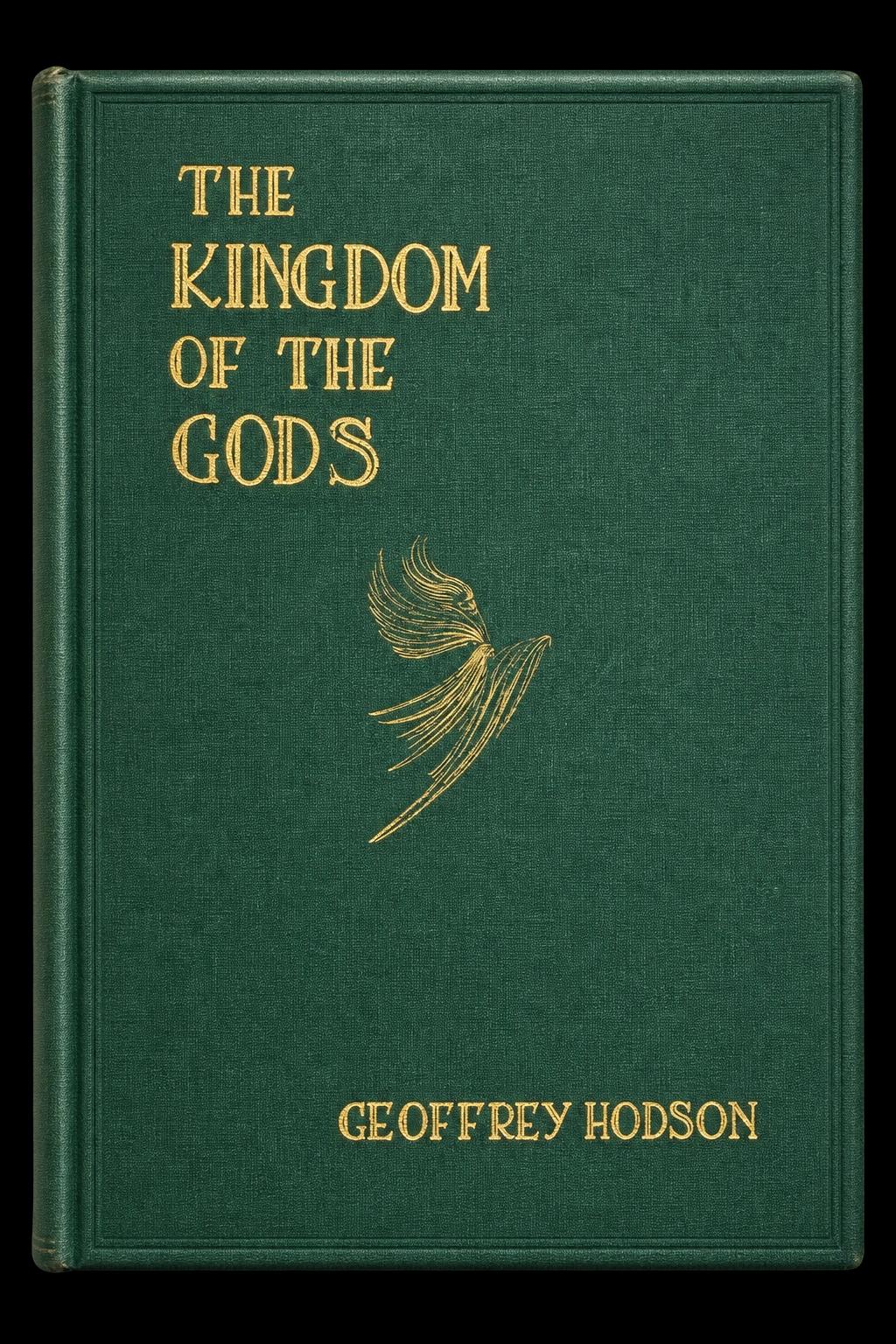
Geoffrey Hodson uses elemental language for nature spirits associated with earth, water, air and fire. In his classification gnomes belong to earth, undines to water, sylphs to air and salamanders to fire. He places these beings below angels and archangels in a scale of development. [44][45][46][47]
The form a nature spirit displays is temporary in Hodson’s account. He treats it as a covering made by the spirit itself. The element, the shared archetype and impressions of local dress or popular belief help determine how it appears. A familiar outline can therefore occur even where the author supposes that an independently developing being is present. [47][48][49]
Ward’s officer separates elementals from figures that people create through desire or imagination. Hodson makes a related distinction by giving the temporary covering to a being that, in his system, already exists. A human influence on the appearance therefore has a narrower role than the human desire said to sustain an entire figure in Gone West. [47][48][49][4][1]
The four-element names help readers recognise the shared Theosophical vocabulary. Leadbeater uses those names to classify astral inhabitants. Hodson adds an account of how the shape is made and why it might resemble a figure familiar to a human observer. [50][51][52][44][45][47][48]
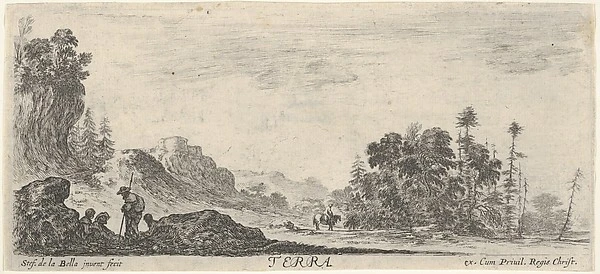
Stefano della Bella’s Earth presents the element through a populated landscape. Here it gives historical context for the category, alongside accounts that supply their own inhabitants.
Stefano della Bella, Earth, from The Four Elements. The Metropolitan Museum of Art. Bequest of Phyllis Massar, 2011. · Image source ↗ · CC0
See references (11)
- Gone West, printed p. 90, Reader page 103
- Gone West, printed p. 86, Reader page 99
- The Kingdom of the Gods, Reader page 54
- The Kingdom of the Gods, Reader page 55
- The Kingdom of the Gods, Reader page 56
- The Kingdom of the Gods, Reader page 85
- The Kingdom of the Gods, Reader page 86
- The Kingdom of the Gods, Reader page 87
- The Astral Plane, Reader page 74
- The Astral Plane, Reader page 75
- The Astral Plane, Reader page 76
The Astral Plane by C. W. Leadbeater
In The Astral Plane, C. W. Leadbeater gives nature spirits a line of development of their own. He associates classes of them with the four elements and says their appearance can change. He associates them with the same states of matter as elemental essence and gives the two different paths of development. [50][51][52]
The Regents and the familiars in The Goat-Foot God
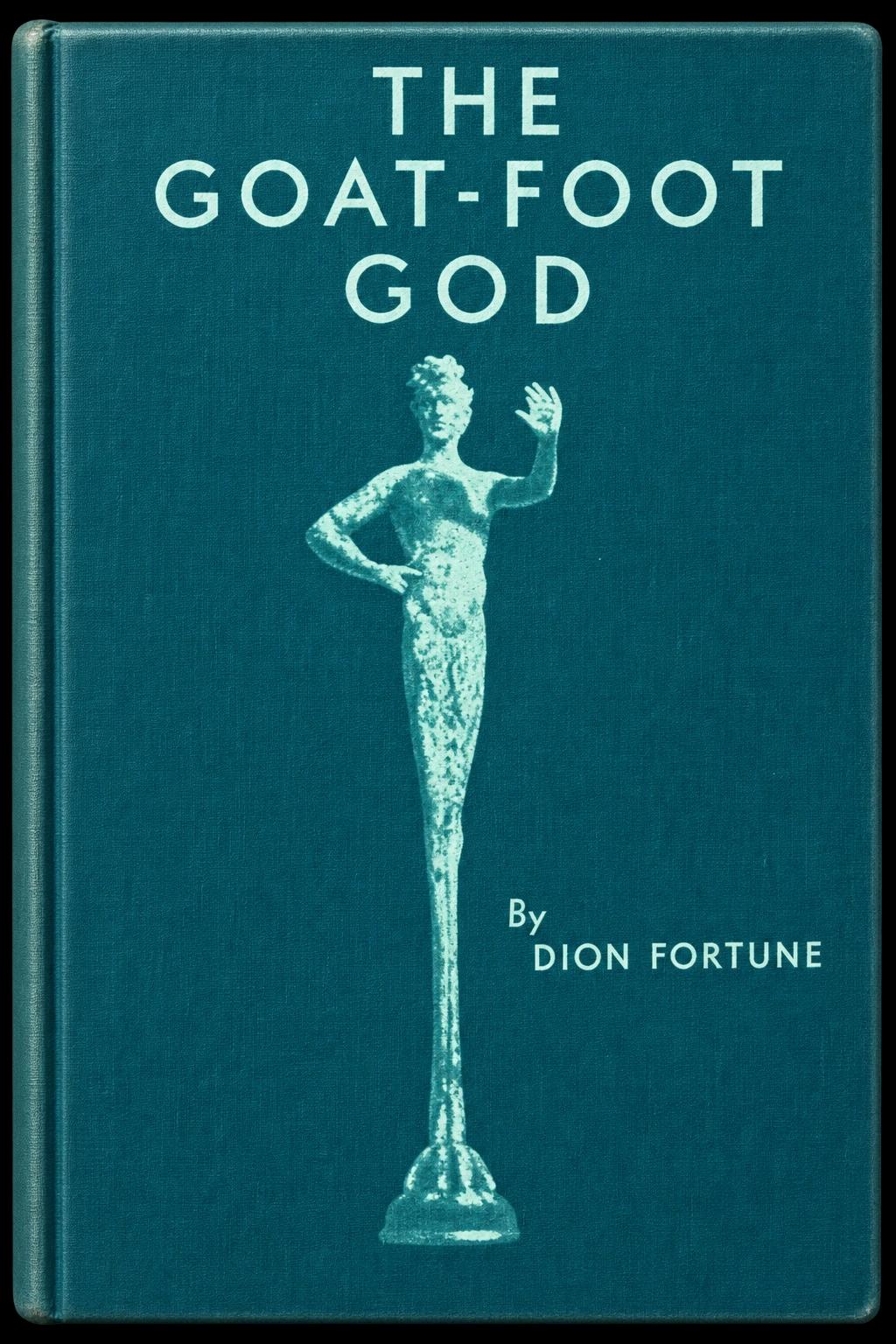
Dion Fortune gives the four elements a place in the architecture of the chapel. Earth, air, fire and water occupy a small circle at the centre of the zodiac pavement. Winged Regents of the Elements stand in the bays. Hugh encounters them as figures in an ordered setting before Jelkes sees anything he takes to be moving on its own. [36][37][38][39][40]
After the Moon-dance, Jelkes seems to see powers of the air, spirits of fire, souls of the waters and beings that guard treasures beneath the ground. Familiar spirits also appear to hold a circle around Ambrosius. He is unsure whether the participants have brought forgotten rites to life. The scene gives the four elements distinct presences without making every being in the circle the same kind of spirit. [41][42]
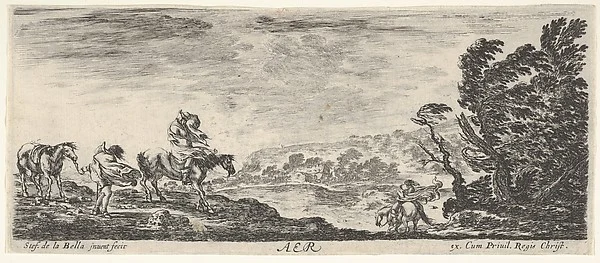
Stefano della Bella, Air, from The Four Elements, ca. 1645–50. Wind is made visible through the trees and riders. Fortune’s characters give the powers of air a different kind of presence.
Stefano della Bella. The Metropolitan Museum of Art. Bequest of Phyllis Massar, 2011. 2012.136.430.3. · Image source ↗ · CC0
Gone West by J. S. M. Ward
In J. S. M. Ward’s Gone West, the Officer warns against identifying every spirit with a dead human being. He names elementals alongside departed people, spirits from other planes and beings formed through human thoughts or desires. He describes both harmful elementals and lighter spirits associated with woodland glades and winds. [4][1]
The Officer distinguishes these beings from the personified desire for excessive drink. That figure is said to depend on many people sustaining the desire. He also distinguishes devils produced by imagination from beings that have an existence of their own. His classifications separate origin from outward appearance. [1]
W. A.’s final lessons give a more detailed account of elemental formations. His guide describes subtle elements gathering into fleeting shapes under the influence of currents, thoughts and the kinds of people from whom they are said to come. Some fairy-like forms appear briefly and then disperse. The guide denies these temporary formations a separate soul or intellect. [5][2]
The guide then introduces intelligent spirits that have never possessed a human physical body. Many beings traditionally called fairies are placed in this group. They can be kind, mischievous or harmful and are described as capable of progress. The book therefore distinguishes a fleeting fairy-shaped formation from a fairy understood as a continuing person. [2][3]
At the end of the lesson, the guide cautions that appearances make these distinctions difficult even for a spirit observer. Someone who recognises a human mind within one astral body might wrongly assume all such bodies are human. Ward’s account makes uncertainty about classification part of its own explanation. [3]
Fairy imagery
Leopold von Bode’s drawing gives Shakespeare’s Oberon and Titania a company of fairy figures. The book accounts use similar appearances for beings they classify in different ways. A reader can recognise a visual tradition before asking what a particular author thinks the figure is. [6][2][3]
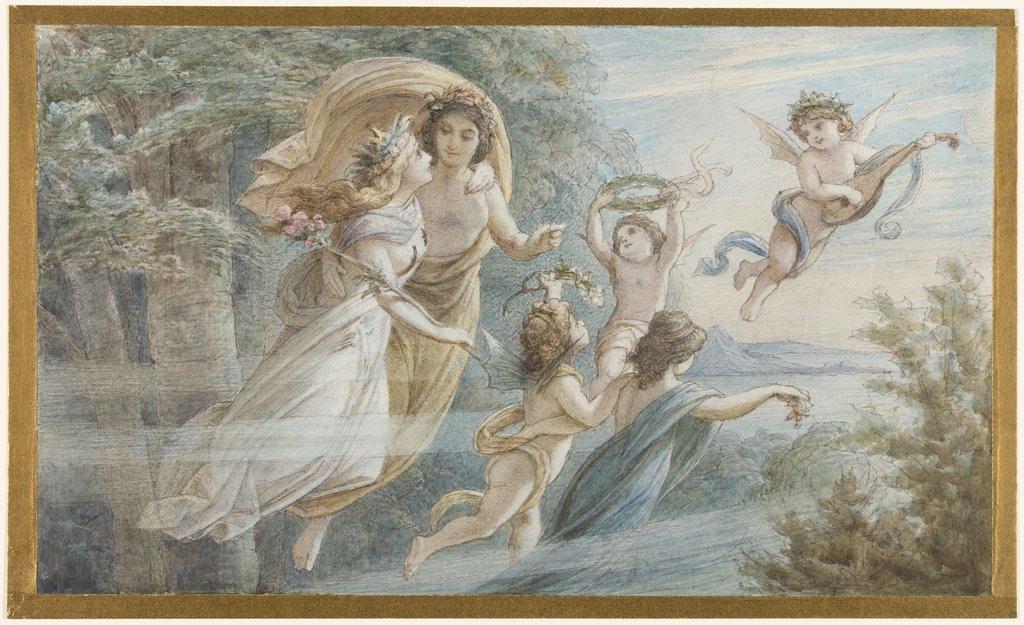
Leopold von Bode, Floating royal couple Oberon and Titania, accompanied by more elves, ca. 1883. A literary image associated with Shakespeare’s A Midsummer Night’s Dream.
Städel Museum, Frankfurt am Main. Inventory 1834F. Public Domain. · Image source ↗ · Public Domain
A Subaltern in Spirit Land by J. S. M. Ward
In J. S. M. Ward’s A Subaltern in Spirit Land, Rex, Ward’s deceased brother, first enjoys watching small fairy-like creatures and then flees a frightening composite figure. H. J. L., one of Ward’s reported spirit contributors, calls the latter an astral phantom. He explains that a thought-form can attract astral atoms and appear clothed in them, while admitting that he is not an expert on every way such formations arise. [7][8]
The guide distinguishes a passing formation from one that has acquired a more persistent habit and from a formation temporarily occupied by an independent spirit. The distinctions depend on purpose, intelligence and the relation between an occupant and its borrowed covering. A similar outward shape can therefore be given several explanations. [8][9]
Empty shells left by departed people are distinguished again. These repeat actions associated with a former life, while the unoccupied phantoms are described as drifting and responding without a settled purpose. Ward’s taxonomy asks what kind of activity is observed, rather than classifying every apparition by its appearance alone. [9][10]
The small fairy-like forms are explained as children’s thoughts or dreams clothed in astral elements. This develops the temporary formations described in Gone West. Ward distinguishes them from the other kinds of fairy beings examined in the book’s final chapters. [10]
The Fairyland chapters introduce beings whom Rex explicitly distinguishes from children’s thought-created forms. He proposes that some of these fairies may eventually enter earthly life, while others follow a different route. Tree spirits, flower fairies and spirits associated with earth, air, fire and water receive separate descriptions. His explanations include conjectures and unanswered questions, so the later chapters enlarge the book’s taxonomy without reducing every being to one origin. [11][12][13][14][15][16]
See references (10)
- A Subaltern in Spirit Land, printed p. 60, Reader page 75
- A Subaltern in Spirit Land, printed p. 61, Reader page 76
- A Subaltern in Spirit Land, printed p. 62, Reader page 77
- A Subaltern in Spirit Land, printed p. 63, Reader page 78
- A Subaltern in Spirit Land, printed p. 259, Reader page 274
- A Subaltern in Spirit Land, printed p. 260, Reader page 275
- A Subaltern in Spirit Land, printed p. 261, Reader page 276
- A Subaltern in Spirit Land, printed p. 279, Reader page 294
- A Subaltern in Spirit Land, printed p. 280, Reader page 295
- A Subaltern in Spirit Land, printed p. 281, Reader page 296
A Wanderer in the Spirit Lands
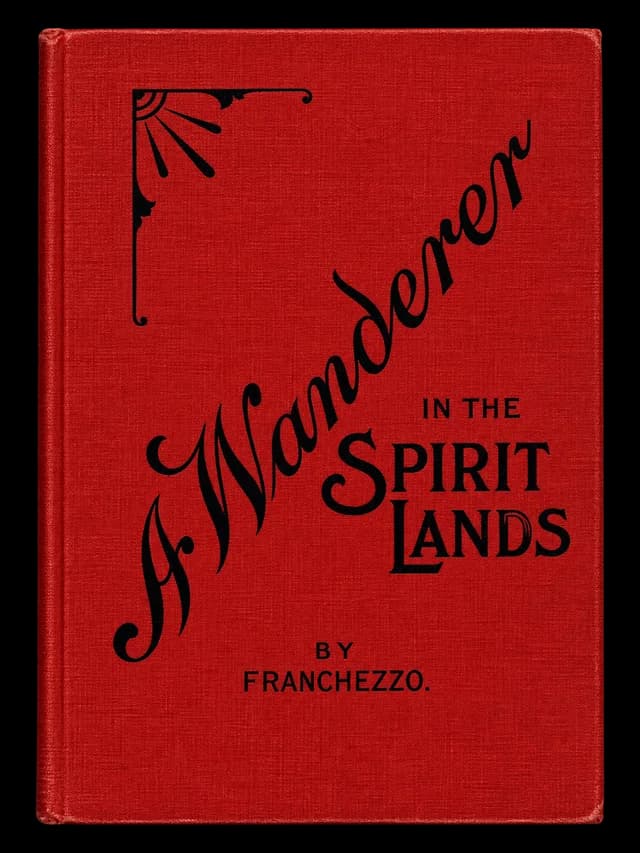
A Wanderer in the Spirit Lands, attributed to Franchezzo and transcribed by A. Farnese, places several different beings under an astral classification. Hassein, the narrator’s guide, first shows small, playful forms said to arise from children’s mental and bodily emanations. They change from flower-clothed figures to winged combinations and then dissolve as a new current passes through them. He denies them a separate intelligent soul. [17][18]
He distinguishes these passing formations from elementals associated with earth, air, fire and water. Examples include cave-dwelling gnome-like beings, water sprites and spirits of air or flame. In his account, these too have dependent life rather than the enduring individuality he attributes to a human or animal soul. [22][23]
Other forms allegedly feed on vitality, while departed human spirits can act intentionally and discarded envelopes have once housed souls. Similar appearances can therefore conceal different origins in the book’s own system. A fountain guardian later looks like a nymph but says she lived on earth, showing why appearance alone cannot identify an elemental. [19][20][21][24][25][26]
The chapter ties some of these claims to a racial hierarchy and a story of cultural development. Those judgments are period prejudices, not reliable anthropology. They should be distinguished from the categories being reconstructed here and from other authors’ accounts of nature spirits. [23]
See references (10)
- A Wanderer in the Spirit Lands, Reader page 113
- A Wanderer in the Spirit Lands, Reader page 114
- A Wanderer in the Spirit Lands, Reader page 115
- A Wanderer in the Spirit Lands, Reader page 116
- A Wanderer in the Spirit Lands, Reader page 117
- A Wanderer in the Spirit Lands, Reader page 118
- A Wanderer in the Spirit Lands, Reader page 119
- A Wanderer in the Spirit Lands, Reader page 121
- A Wanderer in the Spirit Lands, Reader page 122
- A Wanderer in the Spirit Lands, Reader page 255
Human Animals by Frank Hamel
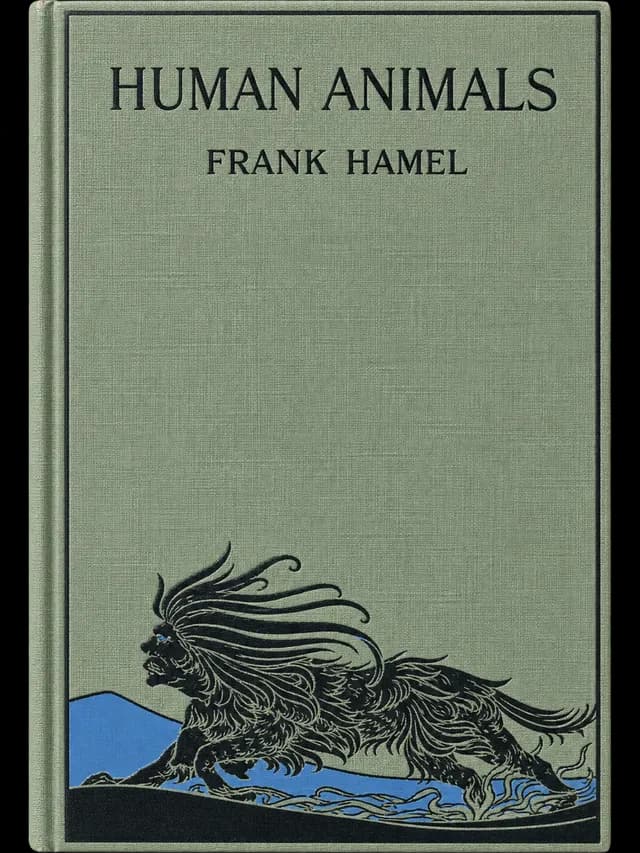
Frank Hamel’s Human Animals includes elementals in its explanation of animal-shaped appearances. Its artificial forms can be shaped by intention or strong feeling and may take threatening animal-like outlines. Crocodile and octopus examples illustrate a theory of mental formation, rather than the zoology of another world. [27][28][29]
The book also presents a Paracelsian account through Franz Hartmann, distinguishing beings of earth, water, air and fire. That is a different classification from the temporary thought-shaped forms discussed earlier. Both appear in Hamel’s occult chapter, but their proximity does not establish one origin or life cycle. [30][31][32][33]
The chapter’s opening comparison with yogic powers is mediated through Manilal Dvivedi and interpreted by Hamel. It should not be treated as a direct demonstration that a Sanskrit philosophical account teaches the same system as later Western elemental theory. [34][27]
Hamel’s interest is how apparently animal forms might arise without being ordinary animals or transformed human bodies. His categories are explanatory proposals within the historical occult literature. They do not settle the identity of every animal apparition described earlier in the collection. [27][28][29][30]
See references (8)
- Human Animals, printed p. 271, Reader page 280
- Human Animals, printed p. 272, Reader page 281
- Human Animals, printed p. 273, Reader page 282
- Human Animals, printed p. 279, Reader page 288
- Human Animals, printed p. 280, Reader page 289
- Human Animals, printed p. 281, Reader page 290
- Human Animals, printed p. 282, Reader page 291
- Human Animals, printed p. 270, Reader page 279
Comparing the accounts
Thought-created forms and nature beings
Ward’s A Subaltern in Spirit Land distinguishes forms connected with people and children’s thoughts from other fairy beings. A Wanderer in the Spirit Lands, attributed to Franchezzo and transcribed by A. Farnese, likewise separates temporary emanations from elemental categories. Hamel’s distinction between artificial forms and a Paracelsian elemental classification is comparable, but does not erase the differences between the books’ proposed origins and kinds of life. [27][28][30][31][8][9][10][17][18][22][23]
See references (11)
- A Subaltern in Spirit Land, printed p. 61, Reader page 76
- A Subaltern in Spirit Land, printed p. 62, Reader page 77
- A Subaltern in Spirit Land, printed p. 63, Reader page 78
- A Wanderer in the Spirit Lands, Reader page 113
- A Wanderer in the Spirit Lands, Reader page 114
- A Wanderer in the Spirit Lands, Reader page 118
- A Wanderer in the Spirit Lands, Reader page 119
- Human Animals, printed p. 271, Reader page 280
- Human Animals, printed p. 272, Reader page 281
- Human Animals, printed p. 279, Reader page 288
- Human Animals, printed p. 280, Reader page 289
A category does not establish an origin
Ward describes a figure wearing an astral covering made by thought. Elsewhere in the sequel, Rex meets fairies that his guide discusses as a separate case. Franchezzo’s playful forms can dissolve and are said to have no separate intelligent soul. [4][1][3][7][8][11][12][13][14][15][16][17][18]
Franchezzo also brings racial and cultural hierarchies into his classification. They document prejudices in his account and belong to the history of how he assigned places to beings. [23]
Ward gives one observer several possible explanations for what appears. Fortune lets Jelkes encounter different figures too quickly to sort them. A category that helps a writer describe a scene can remain uncertain for the character within it. [4][1][41][42]
See references (16)
- Gone West, printed p. 90, Reader page 103
- Gone West, printed p. 175, Reader page 188
- Gone West, printed p. 86, Reader page 99
- A Subaltern in Spirit Land, printed p. 60, Reader page 75
- A Subaltern in Spirit Land, printed p. 61, Reader page 76
- A Subaltern in Spirit Land, printed p. 259, Reader page 274
- A Subaltern in Spirit Land, printed p. 260, Reader page 275
- A Subaltern in Spirit Land, printed p. 261, Reader page 276
- A Subaltern in Spirit Land, printed p. 279, Reader page 294
- A Subaltern in Spirit Land, printed p. 280, Reader page 295
- A Subaltern in Spirit Land, printed p. 281, Reader page 296
- A Wanderer in the Spirit Lands, Reader page 113
- A Wanderer in the Spirit Lands, Reader page 114
- A Wanderer in the Spirit Lands, Reader page 119
- The Goat-Foot God, Reader page 319
- The Goat-Foot God, Reader page 320
Read further in the library

Gone West
Reading note
Ward’s account supplies the exact examples discussed below.
A Subaltern in Spirit Land: A Sequel to Gone West
Reading note
Ward’s sequel adds the separately cited account of this subject.
A Wanderer in the Spirit Lands
Reading note
Changing childlike emanations and beings associated with the elements are distinguished from departed people and discarded envelopes.
Human Animals
Reading note
Frank Hamel collects the particular stories and interpretations discussed here; the account identifies exact printed and Library Reader pages.
The Goat-Foot God
Reading note
The separately titled account draws on exact passages in the consulted Library edition.
The Kingdom of the Gods
Reading note
The separately titled account draws on exact passages in the consulted Library edition.
The Astral Plane
Reading note
Separately attributed comparison with exact previously researched Library passages.
Sources
See references (52)
- Gone West, printed p. 90, Reader page 103J. S. M. Ward, Gone West, 1920 third impression in the 2009 Geoff Cutler digital transcription.Read this page in Gone West ↗Return to text ↑
- Gone West, printed p. 174, Reader page 187J. S. M. Ward, Gone West, 1920 third impression in the 2009 Geoff Cutler digital transcription.Read this page in Gone West ↗Return to text ↑
- Gone West, printed p. 175, Reader page 188J. S. M. Ward, Gone West, 1920 third impression in the 2009 Geoff Cutler digital transcription.Read this page in Gone West ↗Return to text ↑
- Gone West, printed p. 86, Reader page 99J. S. M. Ward, Gone West, 1920 third impression in the 2009 Geoff Cutler digital transcription.Read this page in Gone West ↗Return to text ↑
- Gone West, printed p. 173, Reader page 186J. S. M. Ward, Gone West, 1920 third impression in the 2009 Geoff Cutler digital transcription.Read this page in Gone West ↗Return to text ↑
- Floating royal couple Oberon and Titania, accompanied by more elves ↗Städel Museum, Frankfurt am Main. Inventory 1834F. Public Domain.Return to text ↑
- A Subaltern in Spirit Land, printed p. 60, Reader page 75J. S. M. Ward, A Subaltern in Spirit Land: A Sequel to Gone West, William Rider & Son, 1920.Read this page in A Subaltern in Spirit Land: A Sequel to Gone West ↗Return to text ↑
- A Subaltern in Spirit Land, printed p. 61, Reader page 76J. S. M. Ward, A Subaltern in Spirit Land: A Sequel to Gone West, William Rider & Son, 1920.Read this page in A Subaltern in Spirit Land: A Sequel to Gone West ↗Return to text ↑
- A Subaltern in Spirit Land, printed p. 62, Reader page 77J. S. M. Ward, A Subaltern in Spirit Land: A Sequel to Gone West, William Rider & Son, 1920.Read this page in A Subaltern in Spirit Land: A Sequel to Gone West ↗Return to text ↑
- A Subaltern in Spirit Land, printed p. 63, Reader page 78J. S. M. Ward, A Subaltern in Spirit Land: A Sequel to Gone West, William Rider & Son, 1920.Read this page in A Subaltern in Spirit Land: A Sequel to Gone West ↗Return to text ↑
- A Subaltern in Spirit Land, printed p. 259, Reader page 274J. S. M. Ward, A Subaltern in Spirit Land: A Sequel to Gone West, William Rider & Son, 1920.Read this page in A Subaltern in Spirit Land: A Sequel to Gone West ↗Return to text ↑
- A Subaltern in Spirit Land, printed p. 260, Reader page 275J. S. M. Ward, A Subaltern in Spirit Land: A Sequel to Gone West, William Rider & Son, 1920.Read this page in A Subaltern in Spirit Land: A Sequel to Gone West ↗Return to text ↑
- A Subaltern in Spirit Land, printed p. 261, Reader page 276J. S. M. Ward, A Subaltern in Spirit Land: A Sequel to Gone West, William Rider & Son, 1920.Read this page in A Subaltern in Spirit Land: A Sequel to Gone West ↗Return to text ↑
- A Subaltern in Spirit Land, printed p. 279, Reader page 294J. S. M. Ward, A Subaltern in Spirit Land: A Sequel to Gone West, William Rider & Son, 1920.Read this page in A Subaltern in Spirit Land: A Sequel to Gone West ↗Return to text ↑
- A Subaltern in Spirit Land, printed p. 280, Reader page 295J. S. M. Ward, A Subaltern in Spirit Land: A Sequel to Gone West, William Rider & Son, 1920.Read this page in A Subaltern in Spirit Land: A Sequel to Gone West ↗Return to text ↑
- A Subaltern in Spirit Land, printed p. 281, Reader page 296J. S. M. Ward, A Subaltern in Spirit Land: A Sequel to Gone West, William Rider & Son, 1920.Read this page in A Subaltern in Spirit Land: A Sequel to Gone West ↗Return to text ↑
- A Wanderer in the Spirit Lands, Reader page 113Franchezzo (source attribution), A Wanderer in the Spirit Lands, transcribed by A. Farnese. W. J. Sinkins, London, 1896. Date confirmed on the consulted title-page facsimile.Read this page in A Wanderer in the Spirit Lands ↗Return to text ↑
- A Wanderer in the Spirit Lands, Reader page 114Franchezzo (source attribution), A Wanderer in the Spirit Lands, transcribed by A. Farnese. W. J. Sinkins, London, 1896. Date confirmed on the consulted title-page facsimile.Read this page in A Wanderer in the Spirit Lands ↗Return to text ↑
- A Wanderer in the Spirit Lands, Reader page 115Franchezzo (source attribution), A Wanderer in the Spirit Lands, transcribed by A. Farnese. W. J. Sinkins, London, 1896. Date confirmed on the consulted title-page facsimile.Read this page in A Wanderer in the Spirit Lands ↗Return to text ↑
- A Wanderer in the Spirit Lands, Reader page 116Franchezzo (source attribution), A Wanderer in the Spirit Lands, transcribed by A. Farnese. W. J. Sinkins, London, 1896. Date confirmed on the consulted title-page facsimile.Read this page in A Wanderer in the Spirit Lands ↗Return to text ↑
- A Wanderer in the Spirit Lands, Reader page 117Franchezzo (source attribution), A Wanderer in the Spirit Lands, transcribed by A. Farnese. W. J. Sinkins, London, 1896. Date confirmed on the consulted title-page facsimile.Read this page in A Wanderer in the Spirit Lands ↗Return to text ↑
- A Wanderer in the Spirit Lands, Reader page 118Franchezzo (source attribution), A Wanderer in the Spirit Lands, transcribed by A. Farnese. W. J. Sinkins, London, 1896. Date confirmed on the consulted title-page facsimile.Read this page in A Wanderer in the Spirit Lands ↗Return to text ↑
- A Wanderer in the Spirit Lands, Reader page 119Franchezzo (source attribution), A Wanderer in the Spirit Lands, transcribed by A. Farnese. W. J. Sinkins, London, 1896. Date confirmed on the consulted title-page facsimile.Read this page in A Wanderer in the Spirit Lands ↗Return to text ↑
- A Wanderer in the Spirit Lands, Reader page 121Franchezzo (source attribution), A Wanderer in the Spirit Lands, transcribed by A. Farnese. W. J. Sinkins, London, 1896. Date confirmed on the consulted title-page facsimile.Read this page in A Wanderer in the Spirit Lands ↗Return to text ↑
- A Wanderer in the Spirit Lands, Reader page 122Franchezzo (source attribution), A Wanderer in the Spirit Lands, transcribed by A. Farnese. W. J. Sinkins, London, 1896. Date confirmed on the consulted title-page facsimile.Read this page in A Wanderer in the Spirit Lands ↗Return to text ↑
- A Wanderer in the Spirit Lands, Reader page 255Franchezzo (source attribution), A Wanderer in the Spirit Lands, transcribed by A. Farnese. W. J. Sinkins, London, 1896. Date confirmed on the consulted title-page facsimile.Read this page in A Wanderer in the Spirit Lands ↗Return to text ↑
- Human Animals, printed p. 271, Reader page 280Frank Hamel, Human Animals. Frederick A. Stokes Co., New York, undated title page; preface dated London, 1915. Exact printed pages refer to the retained Library scan.Read this page in Human Animals ↗Return to text ↑
- Human Animals, printed p. 272, Reader page 281Frank Hamel, Human Animals. Frederick A. Stokes Co., New York, undated title page; preface dated London, 1915. Exact printed pages refer to the retained Library scan.Read this page in Human Animals ↗Return to text ↑
- Human Animals, printed p. 273, Reader page 282Frank Hamel, Human Animals. Frederick A. Stokes Co., New York, undated title page; preface dated London, 1915. Exact printed pages refer to the retained Library scan.Read this page in Human Animals ↗Return to text ↑
- Human Animals, printed p. 279, Reader page 288Frank Hamel, Human Animals. Frederick A. Stokes Co., New York, undated title page; preface dated London, 1915. Exact printed pages refer to the retained Library scan.Read this page in Human Animals ↗Return to text ↑
- Human Animals, printed p. 280, Reader page 289Frank Hamel, Human Animals. Frederick A. Stokes Co., New York, undated title page; preface dated London, 1915. Exact printed pages refer to the retained Library scan.Read this page in Human Animals ↗Return to text ↑
- Human Animals, printed p. 281, Reader page 290Frank Hamel, Human Animals. Frederick A. Stokes Co., New York, undated title page; preface dated London, 1915. Exact printed pages refer to the retained Library scan.Read this page in Human Animals ↗Return to text ↑
- Human Animals, printed p. 282, Reader page 291Frank Hamel, Human Animals. Frederick A. Stokes Co., New York, undated title page; preface dated London, 1915. Exact printed pages refer to the retained Library scan.Read this page in Human Animals ↗Return to text ↑
- Human Animals, printed p. 270, Reader page 279Frank Hamel, Human Animals. Frederick A. Stokes Co., New York, undated title page; preface dated London, 1915. Exact printed pages refer to the retained Library scan.Read this page in Human Animals ↗Return to text ↑
- Air, a landscape during a hurricane, three horsemen battling the wind, a mass of trees to the right, from "The Four Elements" (Les Quatre Eléments) ↗Stefano della Bella. The Metropolitan Museum of Art. Bequest of Phyllis Massar, 2011. 2012.136.430.3.
- The Goat-Foot God, Reader page 171Dion Fortune, The Goat-Foot God. Undated digital Library edition IMJ-0643-E001. Numbered references use the Library Reader sequence.Read this page in The Goat-Foot God ↗Return to text ↑
- The Goat-Foot God, Reader page 172Dion Fortune, The Goat-Foot God. Undated digital Library edition IMJ-0643-E001. Numbered references use the Library Reader sequence.Read this page in The Goat-Foot God ↗Return to text ↑
- The Goat-Foot God, Reader page 218Dion Fortune, The Goat-Foot God. Undated digital Library edition IMJ-0643-E001. Numbered references use the Library Reader sequence.Read this page in The Goat-Foot God ↗Return to text ↑
- The Goat-Foot God, Reader page 250Dion Fortune, The Goat-Foot God. Undated digital Library edition IMJ-0643-E001. Numbered references use the Library Reader sequence.Read this page in The Goat-Foot God ↗Return to text ↑
- The Goat-Foot God, Reader page 251Dion Fortune, The Goat-Foot God. Undated digital Library edition IMJ-0643-E001. Numbered references use the Library Reader sequence.Read this page in The Goat-Foot God ↗Return to text ↑
- The Goat-Foot God, Reader page 319Dion Fortune, The Goat-Foot God. Undated digital Library edition IMJ-0643-E001. Numbered references use the Library Reader sequence.Read this page in The Goat-Foot God ↗Return to text ↑
- The Goat-Foot God, Reader page 320Dion Fortune, The Goat-Foot God. Undated digital Library edition IMJ-0643-E001. Numbered references use the Library Reader sequence.Read this page in The Goat-Foot God ↗Return to text ↑
- Stefano della Bella, Earth, from The Four Elements ↗Stefano della Bella, Earth, from The Four Elements. The Metropolitan Museum of Art. Bequest of Phyllis Massar, 2011.
- The Kingdom of the Gods, Reader page 54Geoffrey Hodson, The Kingdom of the Gods, Theosophical Publishing House, first published 1952, thirteenth reprint 2007. Lumitheca Library edition IMJ-0606-E001.Read this page in The Kingdom of the Gods ↗Return to text ↑
- The Kingdom of the Gods, Reader page 55Geoffrey Hodson, The Kingdom of the Gods, Theosophical Publishing House, first published 1952, thirteenth reprint 2007. Lumitheca Library edition IMJ-0606-E001.Read this page in The Kingdom of the Gods ↗Return to text ↑
- The Kingdom of the Gods, Reader page 56Geoffrey Hodson, The Kingdom of the Gods, Theosophical Publishing House, first published 1952, thirteenth reprint 2007. Lumitheca Library edition IMJ-0606-E001.Read this page in The Kingdom of the Gods ↗Return to text ↑
- The Kingdom of the Gods, Reader page 85Geoffrey Hodson, The Kingdom of the Gods, Theosophical Publishing House, first published 1952, thirteenth reprint 2007. Lumitheca Library edition IMJ-0606-E001.Read this page in The Kingdom of the Gods ↗Return to text ↑
- The Kingdom of the Gods, Reader page 86Geoffrey Hodson, The Kingdom of the Gods, Theosophical Publishing House, first published 1952, thirteenth reprint 2007. Lumitheca Library edition IMJ-0606-E001.Read this page in The Kingdom of the Gods ↗Return to text ↑
- The Kingdom of the Gods, Reader page 87Geoffrey Hodson, The Kingdom of the Gods, Theosophical Publishing House, first published 1952, thirteenth reprint 2007. Lumitheca Library edition IMJ-0606-E001.Read this page in The Kingdom of the Gods ↗Return to text ↑
- The Astral Plane, Reader page 74C. W. Leadbeater, The Astral Plane, third revised edition scan, circa 1900.Return to text ↑
Examine the original Library page
a humanity such as ours ; their line of evolution is entirely different, and their only connection with us consists in our temporary occupancy of the same
Open the original page in The Astral Plane ↗Scan leaf 81 · C. W. Leadbeater
- The Astral Plane, Reader page 75C. W. Leadbeater, The Astral Plane, third revised edition scan, circa 1900.Read this page in The Astral Plane ↗Return to text ↑
- The Astral Plane, Reader page 76C. W. Leadbeater, The Astral Plane, third revised edition scan, circa 1900.Return to text ↑
Examine the original Library page
wonderful power which they possess of casting a glamour over those who yield themselves to their influence, so that such victims for the
Open the original page in The Astral Plane ↗Scan leaf 83 · C. W. Leadbeater