Art, Symbol & Imagination
The Bodhisattva’s Tusks: Abanindro Nath Tagore
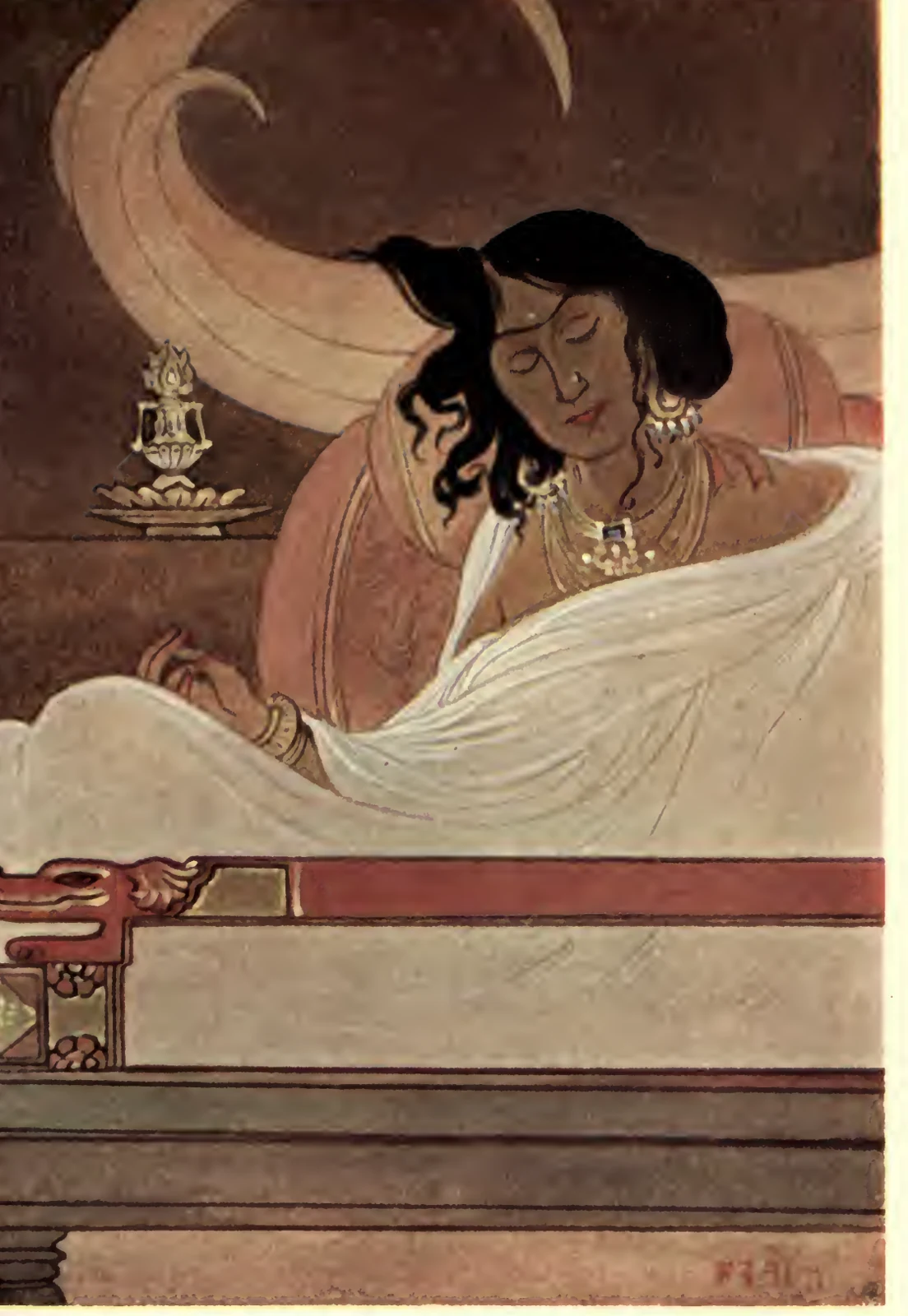
A woman reclines beside a low bed, her dark hair falling towards a sweeping pale crescent form. A small lamp and the bed's red horizontal rail anchor the softly coloured interior. Tagore's plate takes its title from the story of the Bodhisattva's tusks, but the visible scene concentrates upon the woman's withdrawn presence rather than an illustrated elephant. Curving fabric and hair draw the eye towards the lowered face. The crescent-like sweep opens a space behind her, while the straight bed frame keeps the composition close to a furnished human room. The contrast makes inward feeling the plate's principal action.
Read the source pageLoading your collection…
Citation
Abanindro Nath Tagore. "The Bodhisattva’s Tusks: Abanindro Nath Tagore" [editorial title]. In Myths of the Hindus and Buddhists, Sister Nivedita and Ananda K. Coomaraswamy. Original scan, 1914, George G. Harrap & Co.. Source scan leaf 309. Lumitheca. /gallery/image/hindu-colour-309
Source details
- The Bodhisattva's Tusks
- Hindu and Buddhist mythology
- Abanindro Nath Tagore
- Historical book illustration
Editorial title and description. Source details from the Library catalogue.
Original source design and caption inspected; composition retained with scan margins trimmed. No reconstructed or recoloured details. Artist credit follows the printed illustration list at active reader leaves 19–20.
Sources
From the book
 Myths of the Hindus and BuddhistsSister Nivedita and Ananda K. Coomaraswamy1914
More from this book
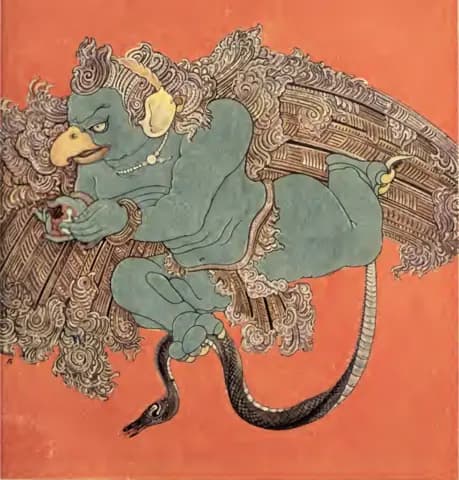 Garuda: Nanda Lal Bose’s Mythological Bird Figure
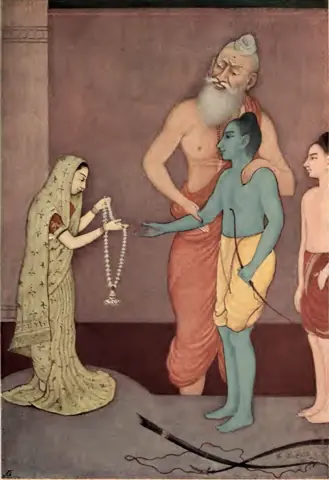 Rama’s Marriage: K. Venkatappa’s Ramayana Illustration
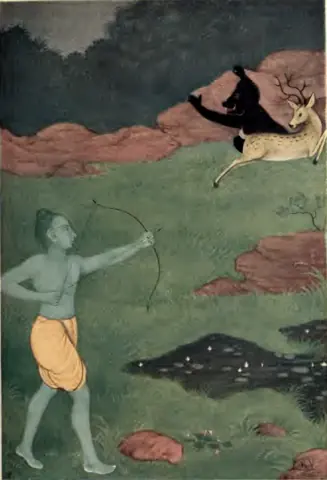 The Death of Maricha: K. Venkatappa’s Illustration
Related illustrations


Cite this illustration
Abanindro Nath Tagore. The Bodhisattva’s Tusks: Abanindro Nath Tagore. Myths of the Hindus and Buddhists. Scan leaf 309. Lumitheca. https://lumitheca.com/gallery/image/hindu-colour-309