Tree spirits
Tree spirits are beings associated with particular trees. Compare Ward’s speaking oak, Hodson’s tree devas and Richard Gordon Smith’s Japanese willow story.
In this article
Understanding tree spirits
A tree spirit is a being that a story, tradition or visionary account associates with a tree. The being can speak for the tree, share its life or attend to its growth. [1][2][3][4]
J. S. M. Ward gives an oak, an ash and a beech different characters. Geoffrey Hodson distinguishes a being connected to one tree from one linked with a grove. In Richard Gordon Smith’s willow story, what happens to the tree happens to its spirit as well. [2][3][4][5][18][19][20][21][22][23][24]
See references (12)
- A Subaltern in Spirit Land, printed p. 271, Reader page 286
- A Subaltern in Spirit Land, printed p. 272, Reader page 287
- A Subaltern in Spirit Land, printed p. 273, Reader page 288
- A Subaltern in Spirit Land, printed p. 279, Reader page 294
- A Subaltern in Spirit Land, printed p. 281, Reader page 296
- The Kingdom of the Gods, Reader page 97
- The Kingdom of the Gods, Reader page 185
- The Kingdom of the Gods, Reader page 187
- Ancient Tales and Folklore of Japan, Reader page 31
- Ancient Tales and Folklore of Japan, Reader page 33
- Ancient Tales and Folklore of Japan, Reader page 34
- Ancient Tales and Folklore of Japan, Reader page 35
A Subaltern in Spirit Land by J. S. M. Ward
In A Subaltern in Spirit Land, J. S. M. Ward’s traveller Rex enters a wood with Beryl and Joyce. An oak speaks in the form of a warrior crowned with leaves and acorns. Rex had expected a dryad and instead compares the figure to Hercules. [1][2][3]
An ash spirit and a nightshade being threaten the visitors, and the oak fights them. Rex intervenes and is wounded. The story turns the trees’ contrasting personalities into an encounter involving protection, violence and reciprocal help. Its claims about ash hostility and poison should remain attributed to the story. [6][7][8][9]
The beech offers shelter and care, then discusses different orders of fairy beings. She places tree spirits alongside flower fairies, gnomes and elemental beings, without claiming to know every order. Her explanation makes the forest part of a larger inhabited world. [10][4][11]
The later conversation also complicates the simple opposition of good oak and evil ash. The beech says that the one God acts through many kinds of being and that even the ash has a purpose she cannot explain. She reports that the slain ash spirit has entered an earthly sapling, while admitting she does not know its eventual future. [5]
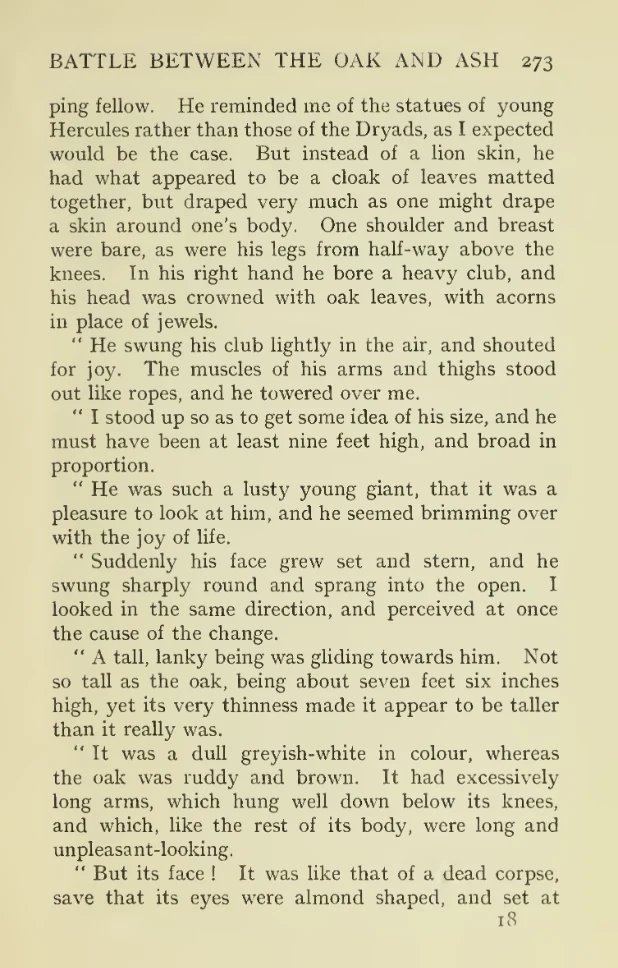
Source facsimile: A Subaltern in Spirit Land (1920), printed p. 273, Reader page 288.
J. S. M. Ward, A Subaltern in Spirit Land. William Rider & Son, 1920. Public-domain historical text and page image, extracted from the checksum-verified retained Library scan. · Image source ↗ · Public Domain
See references (11)
- A Subaltern in Spirit Land, printed p. 271, Reader page 286
- A Subaltern in Spirit Land, printed p. 272, Reader page 287
- A Subaltern in Spirit Land, printed p. 273, Reader page 288
- A Subaltern in Spirit Land, printed p. 279, Reader page 294
- A Subaltern in Spirit Land, printed p. 281, Reader page 296
- A Subaltern in Spirit Land, printed p. 274, Reader page 289
- A Subaltern in Spirit Land, printed p. 275, Reader page 290
- A Subaltern in Spirit Land, printed p. 276, Reader page 291
- A Subaltern in Spirit Land, printed p. 277, Reader page 292
- A Subaltern in Spirit Land, printed p. 278, Reader page 293
- A Subaltern in Spirit Land, printed p. 280, Reader page 295
The Kingdom of the Gods by Geoffrey Hodson
Geoffrey Hodson describes small beings he calls tree manikins in a beech wood. He pictures them going into hollows and forks, and moving along the tree’s etheric double. In his later discussion, a well-grown tree can also have an advanced nature spirit or deva linked to it throughout its life, in addition to the smaller builders. The associated being is said to quicken the tree’s own consciousness. [14][15][16][17]
Hodson describes a larger being over a group of stone pines and distinguishes it from the smaller beings of individual trees. His Waringan example in Java gives the other end of that scale. The dryad of a single tree is said to be approaching individuality and to respond to the affection of the woman who planted it. In his account of a valley, a landscape angel’s influence also reaches a number of smaller kinds of spirit at once. [18][19][20]
In Ancient Tales and Folk-lore of Japan
In Richard Gordon Smith’s willow story, the farmer Heitaro saves a village tree by giving his neighbors other timber. The willow’s spirit comes to him as Higo. They marry and have a child. When the tree is cut for a temple, Higo feels the axe blows, and their son is the only person who can set the fallen trunk in motion. [21][22][23][24]
Smith’s other trees carry different associations. A priest identifies Hanano’s silent visitor as the spirit of the sacred cherry. In the Mount Fuji story, the goddess gives Yosoji a camellia branch, and the tree that grows from it becomes a place of worship. What makes it sacred in that account is the gift and the memory of the encounter. [25][26][27][28][29]
See references (9)
- Ancient Tales and Folklore of Japan, Reader page 31
- Ancient Tales and Folklore of Japan, Reader page 33
- Ancient Tales and Folklore of Japan, Reader page 34
- Ancient Tales and Folklore of Japan, Reader page 35
- Ancient Tales and Folklore of Japan, Reader page 289
- Ancient Tales and Folklore of Japan, Reader page 292
- Ancient Tales and Folklore of Japan, Reader page 293
- Ancient Tales and Folklore of Japan, Reader page 275
- Ancient Tales and Folklore of Japan, Reader page 277
One tree, a grove or a place of devotion
In the Ideal Garden, a plant’s surviving form may fade and be replaced. A tree spirit has a different part in the story: the being can shelter, threaten or speak. The beech’s uncertainty about the ash leaves the visitor with less certainty than the fight initially suggests. [12][2][4][5][7][8]
Ward speaks of individuals who help or oppose visitors. Hodson asks how beings are associated with a single tree, a grove or a landscape. The scale of the association is part of his explanation. [14][17][19][20][2][3][6][7]
Smith gives the willow and Higo a shared fate, and his camellia becomes sacred through a gift from a goddess. In these stories a relationship with a tree can be personal or devotional. Hodson’s account instead asks how beings participate in the tree’s life. [21][22][23][24][25][26][27][28][29][14][15][16]
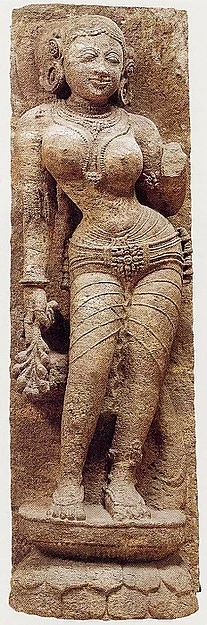
Tree Dryad (Shalabhanjika), Odisha. The figure and blossoming branch belong to the sculpture’s own religious and artistic setting.
Tree Dryad (Shalabhanjika), Odisha. The Metropolitan Museum of Art. Rogers Fund, 1965. · Image source ↗ · CC0
See references (23)
- A Subaltern in Spirit Land, printed p. 272, Reader page 287
- A Subaltern in Spirit Land, printed p. 273, Reader page 288
- A Subaltern in Spirit Land, printed p. 279, Reader page 294
- A Subaltern in Spirit Land, printed p. 281, Reader page 296
- A Subaltern in Spirit Land, printed p. 274, Reader page 289
- A Subaltern in Spirit Land, printed p. 275, Reader page 290
- A Subaltern in Spirit Land, printed p. 276, Reader page 291
- A Subaltern in Spirit Land, printed p. 117, Reader page 132
- The Kingdom of the Gods, Reader page 95
- The Kingdom of the Gods, Reader page 96
- The Kingdom of the Gods, Reader page 182
- The Kingdom of the Gods, Reader page 183
- The Kingdom of the Gods, Reader page 185
- The Kingdom of the Gods, Reader page 187
- Ancient Tales and Folklore of Japan, Reader page 31
- Ancient Tales and Folklore of Japan, Reader page 33
- Ancient Tales and Folklore of Japan, Reader page 34
- Ancient Tales and Folklore of Japan, Reader page 35
- Ancient Tales and Folklore of Japan, Reader page 289
- Ancient Tales and Folklore of Japan, Reader page 292
- Ancient Tales and Folklore of Japan, Reader page 293
- Ancient Tales and Folklore of Japan, Reader page 275
- Ancient Tales and Folklore of Japan, Reader page 277
Read further in the library
A Subaltern in Spirit Land: A Sequel to Gone West
Reading note
The separately titled account draws on exact passages in the consulted Library edition.
The Kingdom of the Gods
Reading note
The separately titled account draws on exact passages in the consulted Library edition.
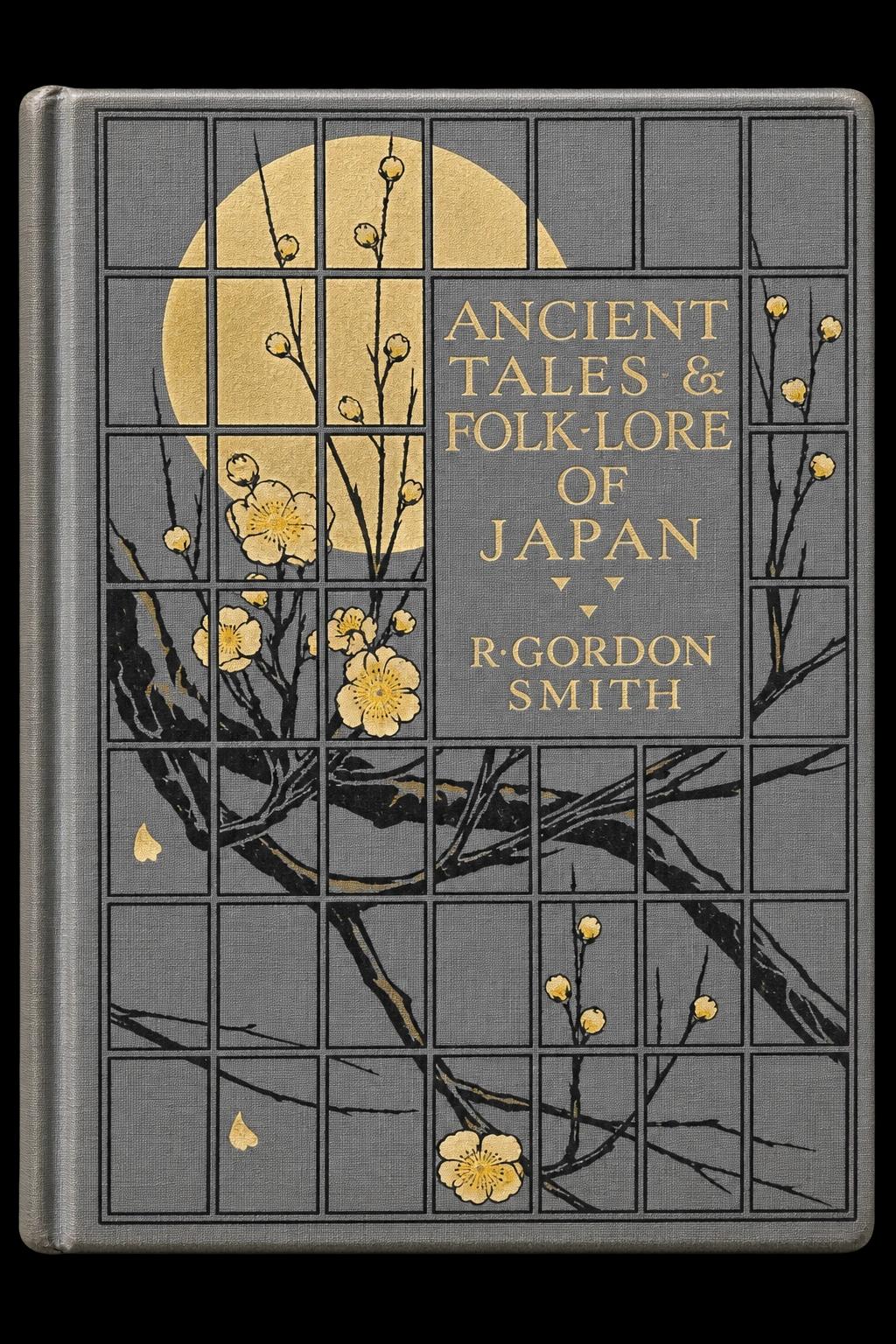
Ancient Tales and Folk-lore of Japan
Reading note
Read Richard Gordon Smith’s separately attributed tale in its Library edition.
Sources
See references (29)
- A Subaltern in Spirit Land, printed p. 271, Reader page 286J. S. M. Ward, A Subaltern in Spirit Land: A Sequel to Gone West. William Rider & Son, London, 1920. Narrated experiences and explanations are attributed to Ward and his reported spirit contributors, especially his brother Rex (R. L. W.) and H. J. L.Read this page in A Subaltern in Spirit Land: A Sequel to Gone West ↗Return to text ↑
- A Subaltern in Spirit Land, printed p. 272, Reader page 287J. S. M. Ward, A Subaltern in Spirit Land: A Sequel to Gone West. William Rider & Son, London, 1920. Narrated experiences and explanations are attributed to Ward and his reported spirit contributors, especially his brother Rex (R. L. W.) and H. J. L.Read this page in A Subaltern in Spirit Land: A Sequel to Gone West ↗Return to text ↑
- A Subaltern in Spirit Land, printed p. 273, Reader page 288J. S. M. Ward, A Subaltern in Spirit Land: A Sequel to Gone West. William Rider & Son, London, 1920. Narrated experiences and explanations are attributed to Ward and his reported spirit contributors, especially his brother Rex (R. L. W.) and H. J. L.Read this page in A Subaltern in Spirit Land: A Sequel to Gone West ↗Return to text ↑
- A Subaltern in Spirit Land, printed p. 279, Reader page 294J. S. M. Ward, A Subaltern in Spirit Land: A Sequel to Gone West. William Rider & Son, London, 1920. Narrated experiences and explanations are attributed to Ward and his reported spirit contributors, especially his brother Rex (R. L. W.) and H. J. L.Read this page in A Subaltern in Spirit Land: A Sequel to Gone West ↗Return to text ↑
- A Subaltern in Spirit Land, printed p. 281, Reader page 296J. S. M. Ward, A Subaltern in Spirit Land: A Sequel to Gone West. William Rider & Son, London, 1920. Narrated experiences and explanations are attributed to Ward and his reported spirit contributors, especially his brother Rex (R. L. W.) and H. J. L.Read this page in A Subaltern in Spirit Land: A Sequel to Gone West ↗Return to text ↑
- A Subaltern in Spirit Land, printed p. 274, Reader page 289J. S. M. Ward, A Subaltern in Spirit Land: A Sequel to Gone West. William Rider & Son, London, 1920. Narrated experiences and explanations are attributed to Ward and his reported spirit contributors, especially his brother Rex (R. L. W.) and H. J. L.Read this page in A Subaltern in Spirit Land: A Sequel to Gone West ↗Return to text ↑
- A Subaltern in Spirit Land, printed p. 275, Reader page 290J. S. M. Ward, A Subaltern in Spirit Land: A Sequel to Gone West. William Rider & Son, London, 1920. Narrated experiences and explanations are attributed to Ward and his reported spirit contributors, especially his brother Rex (R. L. W.) and H. J. L.Read this page in A Subaltern in Spirit Land: A Sequel to Gone West ↗Return to text ↑
- A Subaltern in Spirit Land, printed p. 276, Reader page 291J. S. M. Ward, A Subaltern in Spirit Land: A Sequel to Gone West. William Rider & Son, London, 1920. Narrated experiences and explanations are attributed to Ward and his reported spirit contributors, especially his brother Rex (R. L. W.) and H. J. L.Read this page in A Subaltern in Spirit Land: A Sequel to Gone West ↗Return to text ↑
- A Subaltern in Spirit Land, printed p. 277, Reader page 292J. S. M. Ward, A Subaltern in Spirit Land: A Sequel to Gone West. William Rider & Son, London, 1920. Narrated experiences and explanations are attributed to Ward and his reported spirit contributors, especially his brother Rex (R. L. W.) and H. J. L.Read this page in A Subaltern in Spirit Land: A Sequel to Gone West ↗Return to text ↑
- A Subaltern in Spirit Land, printed p. 278, Reader page 293J. S. M. Ward, A Subaltern in Spirit Land: A Sequel to Gone West. William Rider & Son, London, 1920. Narrated experiences and explanations are attributed to Ward and his reported spirit contributors, especially his brother Rex (R. L. W.) and H. J. L.Read this page in A Subaltern in Spirit Land: A Sequel to Gone West ↗Return to text ↑
- A Subaltern in Spirit Land, printed p. 280, Reader page 295J. S. M. Ward, A Subaltern in Spirit Land: A Sequel to Gone West. William Rider & Son, London, 1920. Narrated experiences and explanations are attributed to Ward and his reported spirit contributors, especially his brother Rex (R. L. W.) and H. J. L.Read this page in A Subaltern in Spirit Land: A Sequel to Gone West ↗Return to text ↑
- A Subaltern in Spirit Land, printed p. 117, Reader page 132J. S. M. Ward, A Subaltern in Spirit Land: A Sequel to Gone West. William Rider & Son, London, 1920. Narrated experiences and explanations are attributed to Ward and his reported spirit contributors, especially his brother Rex (R. L. W.) and H. J. L.Read this page in A Subaltern in Spirit Land: A Sequel to Gone West ↗Return to text ↑
- Tree Dryad (Shalabhanjika), Odisha ↗Tree Dryad (Shalabhanjika), Odisha. The Metropolitan Museum of Art. Rogers Fund, 1965.
- The Kingdom of the Gods, Reader page 95Geoffrey Hodson, The Kingdom of the Gods, Theosophical Publishing House, first published 1952, thirteenth reprint 2007. Lumitheca Library edition IMJ-0606-E001.Read this page in The Kingdom of the Gods ↗Return to text ↑
- The Kingdom of the Gods, Reader page 96Geoffrey Hodson, The Kingdom of the Gods, Theosophical Publishing House, first published 1952, thirteenth reprint 2007. Lumitheca Library edition IMJ-0606-E001.Read this page in The Kingdom of the Gods ↗Return to text ↑
- The Kingdom of the Gods, Reader page 182Geoffrey Hodson, The Kingdom of the Gods, Theosophical Publishing House, first published 1952, thirteenth reprint 2007. Lumitheca Library edition IMJ-0606-E001.Read this page in The Kingdom of the Gods ↗Return to text ↑
- The Kingdom of the Gods, Reader page 183Geoffrey Hodson, The Kingdom of the Gods, Theosophical Publishing House, first published 1952, thirteenth reprint 2007. Lumitheca Library edition IMJ-0606-E001.Read this page in The Kingdom of the Gods ↗Return to text ↑
- The Kingdom of the Gods, Reader page 97Geoffrey Hodson, The Kingdom of the Gods, Theosophical Publishing House, first published 1952, thirteenth reprint 2007. Lumitheca Library edition IMJ-0606-E001.Read this page in The Kingdom of the Gods ↗Return to text ↑
- The Kingdom of the Gods, Reader page 185Geoffrey Hodson, The Kingdom of the Gods, Theosophical Publishing House, first published 1952, thirteenth reprint 2007. Lumitheca Library edition IMJ-0606-E001.Read this page in The Kingdom of the Gods ↗Return to text ↑
- The Kingdom of the Gods, Reader page 187Geoffrey Hodson, The Kingdom of the Gods, Theosophical Publishing House, first published 1952, thirteenth reprint 2007. Lumitheca Library edition IMJ-0606-E001.Read this page in The Kingdom of the Gods ↗Return to text ↑
- Ancient Tales and Folklore of Japan, Reader page 31Richard Gordon Smith, Ancient Tales and Folklore of Japan. A. & C. Black, London, 1908. Lumitheca Library edition IMJ-0588-E001.Read this page in Ancient Tales and Folk-lore of Japan ↗Return to text ↑
- Ancient Tales and Folklore of Japan, Reader page 33Richard Gordon Smith, Ancient Tales and Folklore of Japan. A. & C. Black, London, 1908. Lumitheca Library edition IMJ-0588-E001.Read this page in Ancient Tales and Folk-lore of Japan ↗Return to text ↑
- Ancient Tales and Folklore of Japan, Reader page 34Richard Gordon Smith, Ancient Tales and Folklore of Japan. A. & C. Black, London, 1908. Lumitheca Library edition IMJ-0588-E001.Read this page in Ancient Tales and Folk-lore of Japan ↗Return to text ↑
- Ancient Tales and Folklore of Japan, Reader page 35Richard Gordon Smith, Ancient Tales and Folklore of Japan. A. & C. Black, London, 1908. Lumitheca Library edition IMJ-0588-E001.Read this page in Ancient Tales and Folk-lore of Japan ↗Return to text ↑
- Ancient Tales and Folklore of Japan, Reader page 289Richard Gordon Smith, Ancient Tales and Folklore of Japan. A. & C. Black, London, 1908. Lumitheca Library edition IMJ-0588-E001.Read this page in Ancient Tales and Folk-lore of Japan ↗Return to text ↑
- Ancient Tales and Folklore of Japan, Reader page 292Richard Gordon Smith, Ancient Tales and Folklore of Japan. A. & C. Black, London, 1908. Lumitheca Library edition IMJ-0588-E001.Read this page in Ancient Tales and Folk-lore of Japan ↗Return to text ↑
- Ancient Tales and Folklore of Japan, Reader page 293Richard Gordon Smith, Ancient Tales and Folklore of Japan. A. & C. Black, London, 1908. Lumitheca Library edition IMJ-0588-E001.Read this page in Ancient Tales and Folk-lore of Japan ↗Return to text ↑
- Ancient Tales and Folklore of Japan, Reader page 275Richard Gordon Smith, Ancient Tales and Folklore of Japan. A. & C. Black, London, 1908. Lumitheca Library edition IMJ-0588-E001.Read this page in Ancient Tales and Folk-lore of Japan ↗Return to text ↑
- Ancient Tales and Folklore of Japan, Reader page 277Richard Gordon Smith, Ancient Tales and Folklore of Japan. A. & C. Black, London, 1908. Lumitheca Library edition IMJ-0588-E001.Read this page in Ancient Tales and Folk-lore of Japan ↗Return to text ↑