The Silkworm Goddess
In a Chinese silk legend, a girl becomes a silkworm, spins a cocoon and returns as the goddess who watches over silkworms.
In this article
Who is the Silkworm Goddess?
A silkworm goddess watches over the creatures people raise to make silk. The Chinese tale of the horse-headed maiden gives the goddess the same life cycle as the creature she protects. The girl turns into a silkworm and spins a cocoon. Other traditions give the work of protecting or teaching silk production to other figures. [3][4][1]
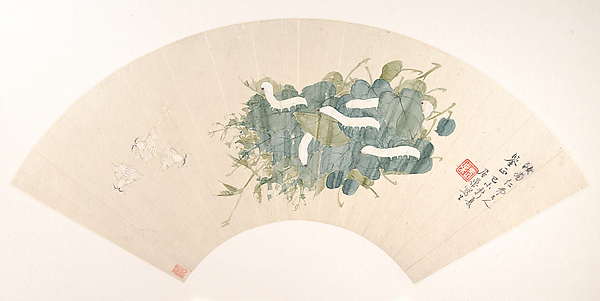
Ju Chao’s Silkworm gives a close view of the animal whose life cycle underlies the maiden’s transformation.
Ju Chao. Silkworm. dated 1859. The Metropolitan Museum of Art. Gift of Robert Hatfield Ellsworth, in memory of La Ferne Hatfield Ellsworth, 1986. Public Domain. · Image source ↗ · Public Domain
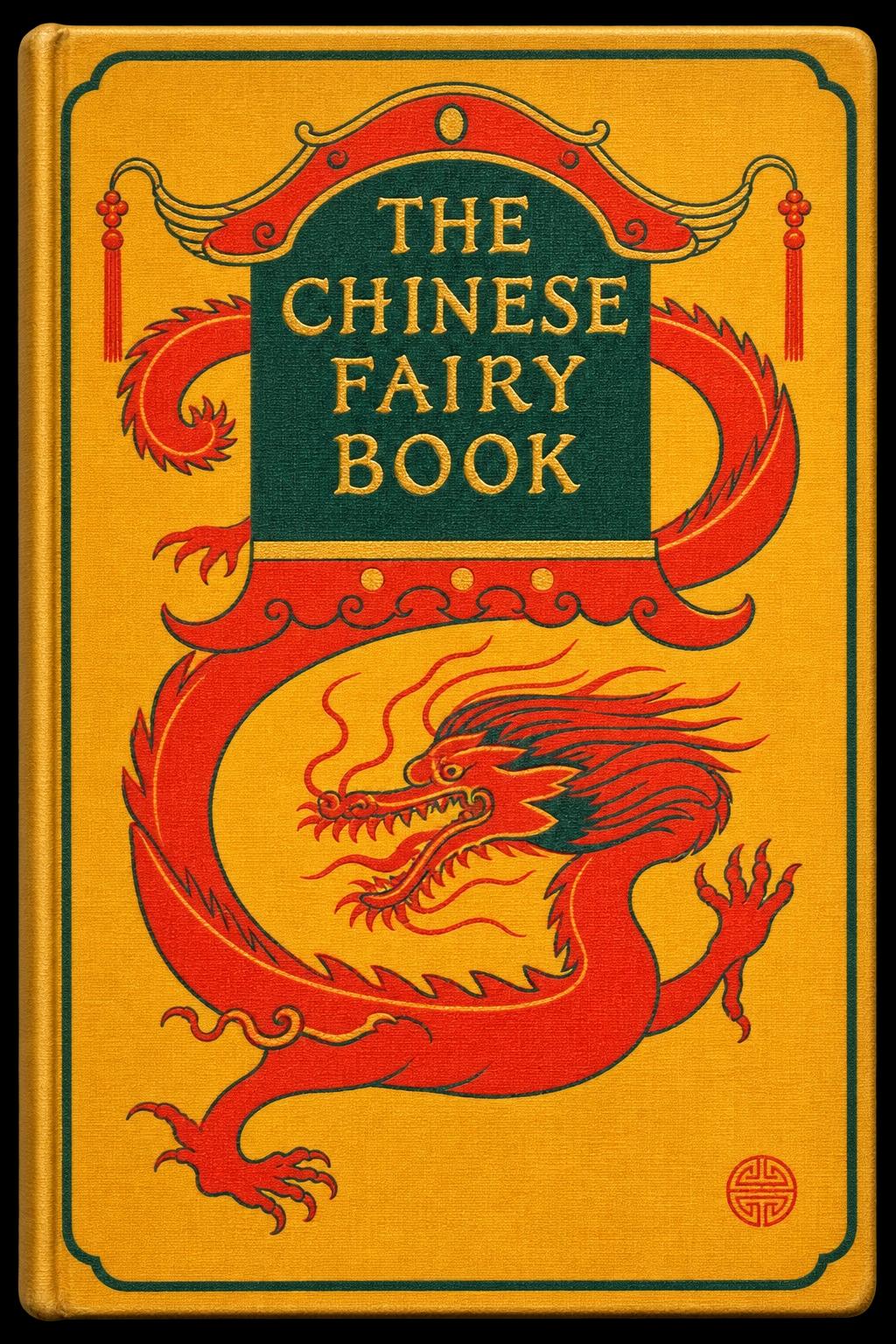
In The Chinese Fairy Book
In The Chinese Fairy Book, edited by Richard Wilhelm and translated by Frederick H. Martens, a horsehide wraps itself around a girl and carries her away. Her neighbours find her hanging from a tree, where she becomes a silkworm and produces thick, strong threads. A friend takes down the cocoon and makes silk from it. The girl later appears riding in the clouds and tells her family that heaven has charged her with watching over silkworms. The tale connects that charge to shrines and offerings in the silkworm season. [3]
The editor distinguishes the horse-headed girl from the wife of the Divine Husbandman Shennong, whom the note associates with teaching the work, and also mentions the Yellow Lord’s wife. Another account in the same note has three goddesses take turns. In a year assigned to the second goddess the silk is believed to turn out particularly well. [3][4]
From cocoon to cloth
A silkworm spins the filament that encloses it. A Southern Song handscroll attributed to Liang Kai follows fourteen stages of silk production, from raising the worms to weaving the cloth. The tale picks out two striking moments in that work. The girl makes the cocoon, and a friend takes it down to make silk. [1][2][3]
In the library
The Chinese Fairy Book
Reading note
Read the maiden’s transformation and Wilhelm’s note on other goddesses connected to silk production.
Sources
See references (4)
- Sericulture (The Process of Making Silk) ↗Cleveland Museum of Art
- Silkworm ↗Ju Chao. Silkworm. dated 1859. The Metropolitan Museum of Art. Gift of Robert Hatfield Ellsworth, in memory of La Ferne Hatfield Ellsworth, 1986. Public Domain.
- The Chinese Fairy Book, Library Reader page 71Richard Wilhelm, editor. Frederick H. Martens, translator. The Chinese Fairy Book. Frederick A. Stokes Company, New York, 1921. Lumitheca Library edition IMJ-0478-E002.Read this page in The Chinese Fairy Book ↗
- The Chinese Fairy Book, Library Reader page 72Richard Wilhelm, editor. Frederick H. Martens, translator. The Chinese Fairy Book. Frederick A. Stokes Company, New York, 1921. Lumitheca Library edition IMJ-0478-E002.Read this page in The Chinese Fairy Book ↗