Psychological Projection in Jung’s Analytical Psychology
In Jung’s use, projection occurs when something a person has difficulty recognizing in themselves seems to belong to someone or something else. Withdrawing a projection means recognizing one’s share in that impression.
In this article
What is psychological projection?
In C. G. Jung’s analytical psychology, projection occurs when someone experiences something of their own psychic life as a quality of the outside world. A person who is angry may hear hostility in a neutral remark. The example leaves open what the other person meant and asks what the listener brought to the encounter. [7][6]
Projection in Jung’s Golden Flower commentary
In his commentary on The Secret of the Golden Flower, Jung describes someone attributing a disturbance to a neighbour’s ill will. He uses the example to show why an unconscious impression can first seem to come from outside. Changing the name given to it does little by itself to change the experience. [1][2][3]
Jung reads a description of stillness from the separate Hui Ming Jing alongside the Golden Flower. He uses it to discuss detachment, the capacity to distinguish what belongs to the perceiver from what belongs to the world they encounter. [4][5][6]
See references (6)
- The Secret of the Golden Flower, printed p. 109, Reader page 108
- The Secret of the Golden Flower, printed p. 110, Reader page 109
- The Secret of the Golden Flower, printed p. 111, Reader page 110
- The Secret of the Golden Flower, printed p. 121, Reader page 120
- The Secret of the Golden Flower, printed p. 122, Reader page 121
- The Secret of the Golden Flower, printed p. 123, Reader page 122
Recognizing projection in Aion
In the chapter on the shadow in Aion, Jung asks why projection can be difficult to recognise. The quality seems to reside in the other person. He treats that apparent certainty as part of the problem, since it makes one’s own contribution difficult to see. [7][3]
A reflection in the story of Narcissus
Gabriel Weyer draws Narcissus leaning towards a face in the water before him. A small change of emphasis makes the reflection seem like a separate presence. The drawing gives a visual comparison for Jung’s question about what the perceiver brings to an encounter. [8][6]
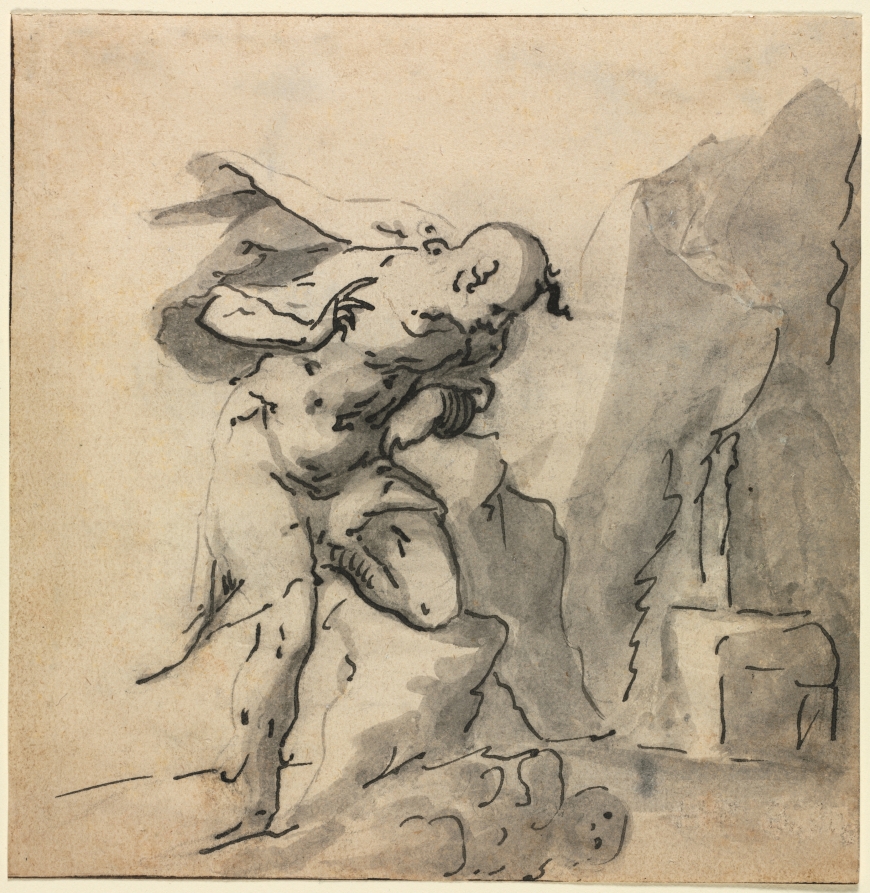
Gabriel Weyer, Narcissus, first half of the 17th century. The myth makes a perceived image and its source visible in the same scene.
Cleveland Museum of Art, accession 1988.150. CC0. · Image source ↗ · CC0
In the library
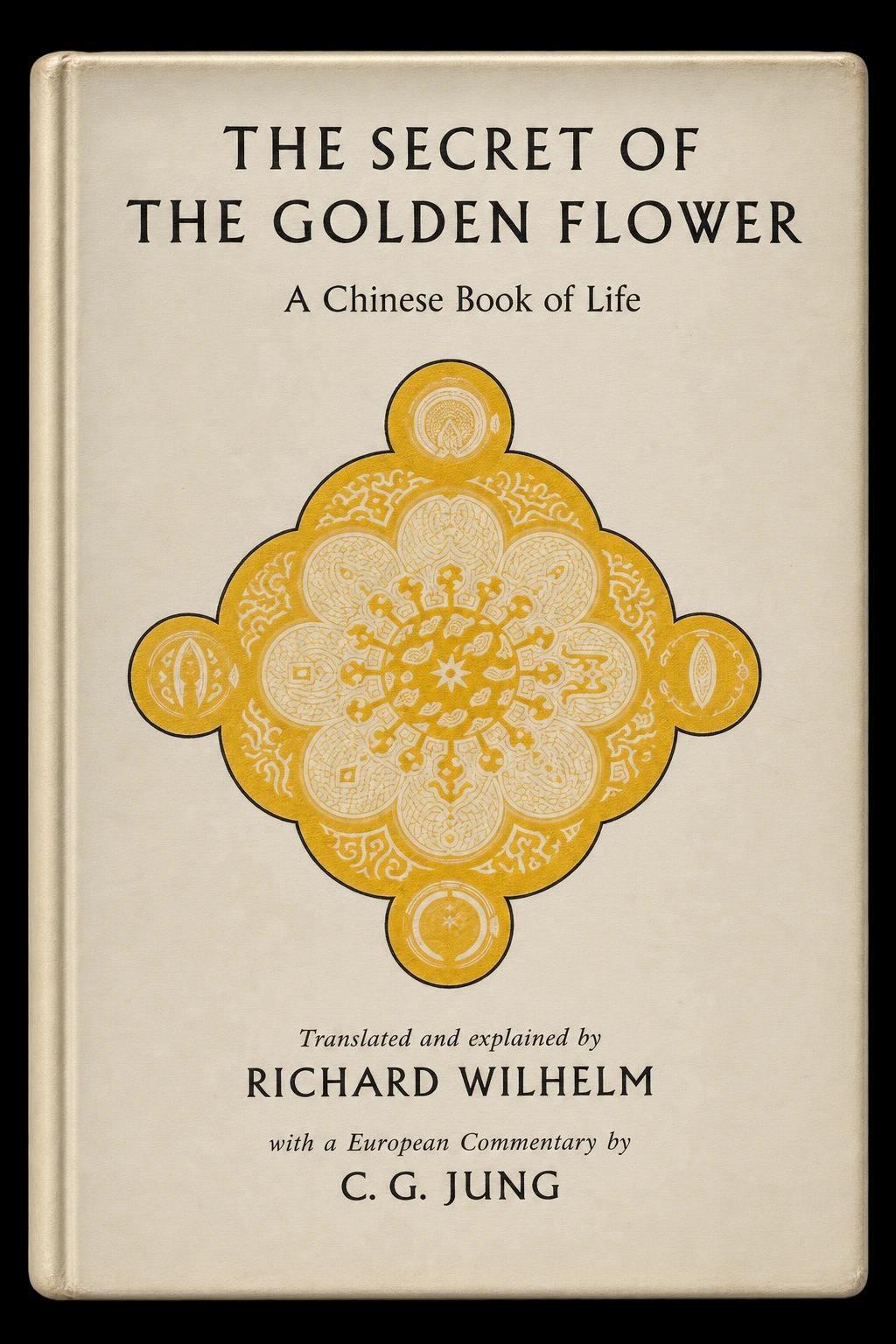
The Secret of the Golden Flower
Reading note
Read the account of Psychological Projection in Jung’s commentary in the Wilhelm and Baynes edition.
Sources
See references (8)
- The Secret of the Golden Flower, printed p. 109, Reader page 108The Secret of the Golden Flower: A Chinese Book of Life. Chinese text translated and explained by Richard Wilhelm, English translation by Cary F. Baynes, with separate commentary by C. G. Jung. London, Kegan Paul, Trench, Trubner & Co. Lumitheca Library edition IMJ-0596-E001.Read this page in The Secret of the Golden Flower ↗
- The Secret of the Golden Flower, printed p. 110, Reader page 109The Secret of the Golden Flower: A Chinese Book of Life. Chinese text translated and explained by Richard Wilhelm, English translation by Cary F. Baynes, with separate commentary by C. G. Jung. London, Kegan Paul, Trench, Trubner & Co. Lumitheca Library edition IMJ-0596-E001.Read this page in The Secret of the Golden Flower ↗
- The Secret of the Golden Flower, printed p. 111, Reader page 110The Secret of the Golden Flower: A Chinese Book of Life. Chinese text translated and explained by Richard Wilhelm, English translation by Cary F. Baynes, with separate commentary by C. G. Jung. London, Kegan Paul, Trench, Trubner & Co. Lumitheca Library edition IMJ-0596-E001.Read this page in The Secret of the Golden Flower ↗
- The Secret of the Golden Flower, printed p. 121, Reader page 120The Secret of the Golden Flower: A Chinese Book of Life. Chinese text translated and explained by Richard Wilhelm, English translation by Cary F. Baynes, with separate commentary by C. G. Jung. London, Kegan Paul, Trench, Trubner & Co. Lumitheca Library edition IMJ-0596-E001.Read this page in The Secret of the Golden Flower ↗
- The Secret of the Golden Flower, printed p. 122, Reader page 121The Secret of the Golden Flower: A Chinese Book of Life. Chinese text translated and explained by Richard Wilhelm, English translation by Cary F. Baynes, with separate commentary by C. G. Jung. London, Kegan Paul, Trench, Trubner & Co. Lumitheca Library edition IMJ-0596-E001.Read this page in The Secret of the Golden Flower ↗
- The Secret of the Golden Flower, printed p. 123, Reader page 122The Secret of the Golden Flower: A Chinese Book of Life. Chinese text translated and explained by Richard Wilhelm, English translation by Cary F. Baynes, with separate commentary by C. G. Jung. London, Kegan Paul, Trench, Trubner & Co. Lumitheca Library edition IMJ-0596-E001.Read this page in The Secret of the Golden Flower ↗
- Aion, chapter 2, “The Shadow,” §§ 16–17 ↗C. G. Jung, translated by R. F. C. Hull, Collected Works 9, Part 2. Princeton University Press.
- Narcissus ↗Cleveland Museum of Art, accession 1988.150. CC0.