Omens
What is an omen? Read how royal ceremonies, family animals, dreams and other events were interpreted as signs in The Other World and Human Animals.
In this article
What is an omen?
An omen is an event interpreted as a sign of good or ill to come. An unusual animal sighting, a dream or a mishap at a ceremony can become an omen when people connect it to what happens later. [2][3][4][5][6][7]
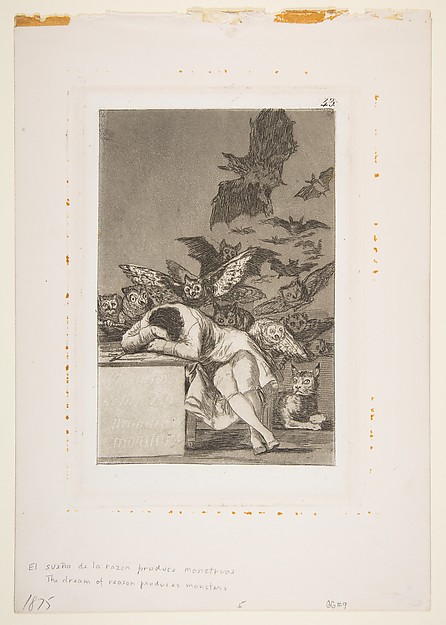
Goya, The sleep of reason produces monsters, plate 43 of Los Caprichos. Design dated 1799; this impression published 1908–12. The nocturnal creatures provide an artistic comparison for images associated with foreboding, not a depiction of one of Lee’s reported omens.
Goya. The Metropolitan Museum of Art, Bequest of Grace M. Pugh, 1985; 1986.1180.895. Public Domain. · Image source ↗ · Public Domain
The Other World, edited by Frederick George Lee
Frederick George Lee’s The Other World collects omens around families and public events. The Tichborne story pairs a curse threatened for ending a charitable dole with a warning sign: seven sons followed by seven daughters. The sign takes its meaning from the family story. [2][7][3][4]
Around Henry IV of France, Lee gathers a dream about jewels becoming pearls, an owl’s cry, open burial vaults, an extinguished taper and a crown that nearly fell. He presents these incidents as forewarnings of the king’s death. [5]
Lee says a shortage of purple velvet led Charles I to wear white at his coronation. Some read white as the colour of a sacrificial victim. In Lee’s account the colour was recalled after the king’s death. [5][6]
Other signs in the collection guide a decision or become a recurring custom. In one story, recognising three elms growing from one root helps Sir Thomas White choose the site of his college. Lee also connects fears about Fridays and thirteen diners to the Crucifixion and Last Supper. [4][5][8][9]
Human Animals by Frank Hamel
In Human Animals, Frank Hamel recounts foxes appearing near the Gormanston house and chapel around deaths in the family. The book also records dogs said to warn of deaths, with a qualification about one black dog: an appearance was supposed to announce a death, though a death could occur without an appearance. [10][11][12][13]
Distinctions and comparisons
Lee’s coronation anecdote preserves the moment when a past event took on new meaning. Hamel’s black-dog story gives the sign a specific condition. When people assigned meaning to a sign and what they expected it to predict are two separate parts of an omen story. [2][7][3][4][5][8][6][10][11][12][13]
See references (11)
- The Other World, Reader page 270
- The Other World, Reader page 272
- The Other World, Reader page 273
- The Other World, Reader page 274
- The Other World, Reader page 275
- The Other World, Reader page 271
- The Other World, Reader page 288
- Human Animals, printed p. 223, Reader page 232
- Human Animals, printed p. 224, Reader page 233
- Human Animals, printed p. 225, Reader page 234
- Human Animals, printed p. 226, Reader page 235
Read further in the library
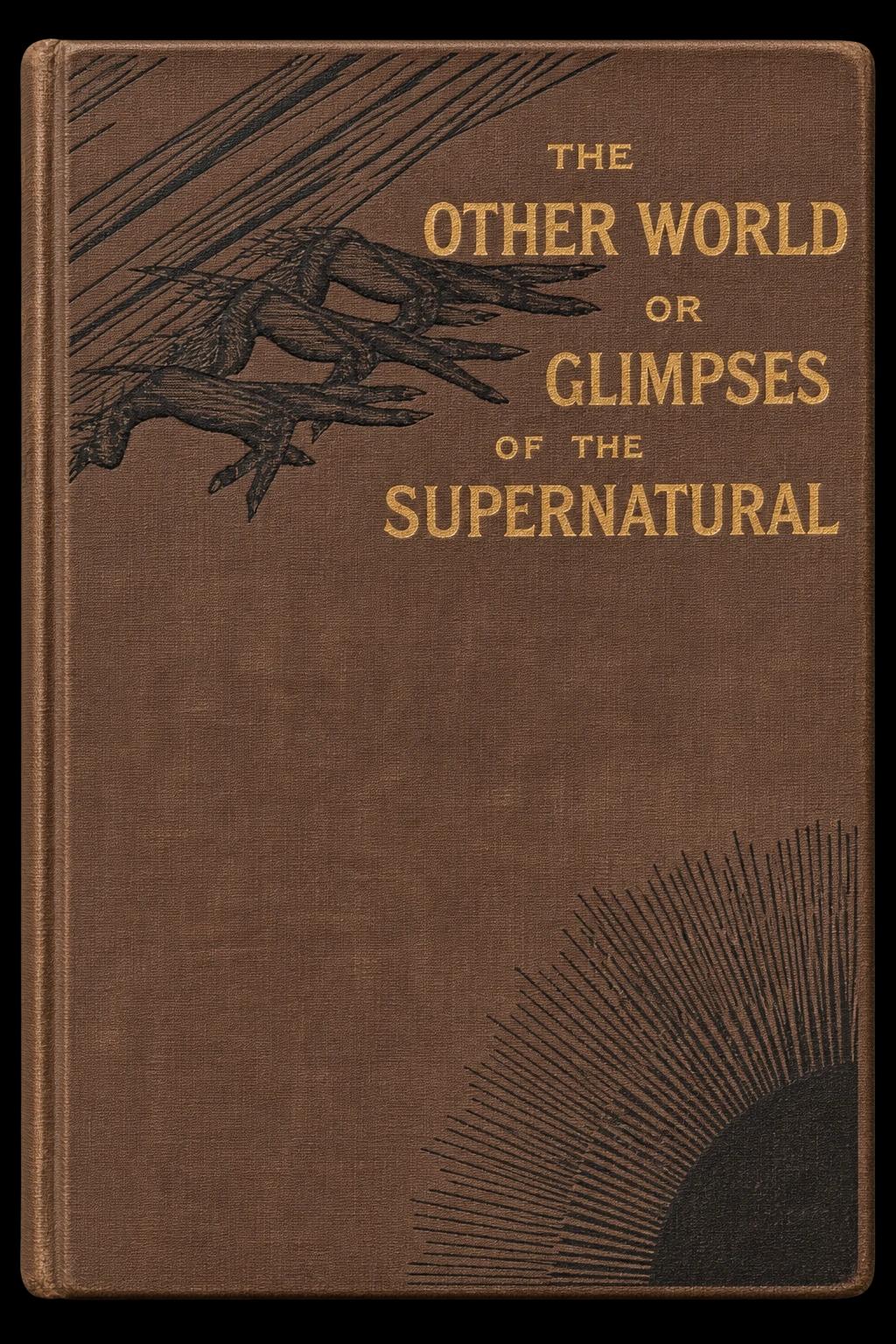
The Other World
Reading note
The separately titled account draws on exact passages in the consulted Library edition.
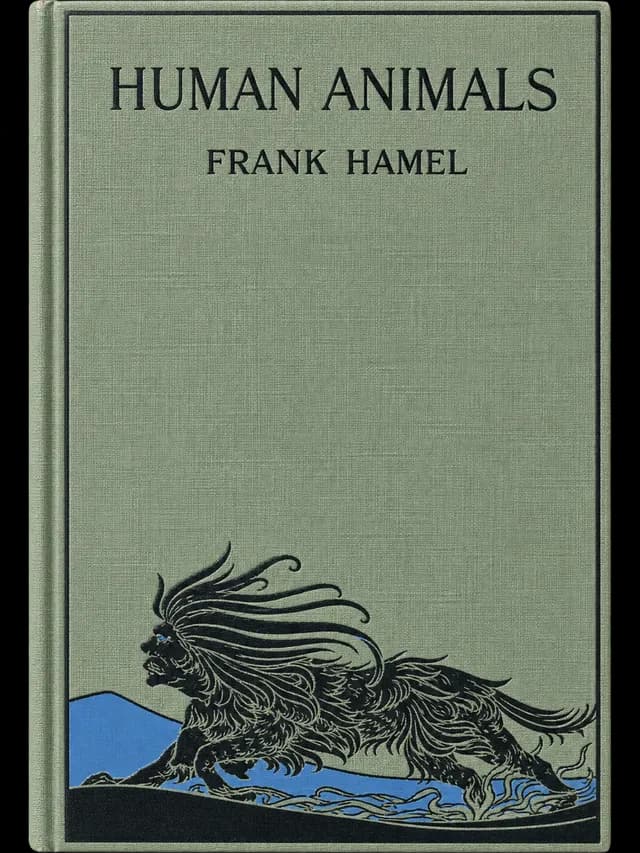
Human Animals
Reading note
Separately attributed comparison with exact previously researched Library passages.
Sources
See references (13)
- Goya, The sleep of reason produces monsters, plate 43 of Los Caprichos, The Met 1986.1180.895 ↗The Metropolitan Museum of Art, Bequest of Grace M. Pugh, 1985. Own catalogue dates the design 1799 and this publication 1908–12. Public Domain, confirmed by the museum API. The image supplies artistic context, not documentary evidence for Lee’s stories.
- The Other World, Reader page 270Frederick George Lee, editor, The Other World; or, Glimpses of the Supernatural, two volumes, Henry S. King and Co., London, 1875. Exact consulted Library edition IMJ-0657-E001. Narratives and embedded quotations are attributed to this compilation; an original author is not represented as independently consulted merely because Lee quotes them. Reader positions are verified separately from printed pagination.Read this page in The Other World ↗Return to text ↑
- The Other World, Reader page 272Frederick George Lee, editor, The Other World; or, Glimpses of the Supernatural, two volumes, Henry S. King and Co., London, 1875. Exact consulted Library edition IMJ-0657-E001. Narratives and embedded quotations are attributed to this compilation; an original author is not represented as independently consulted merely because Lee quotes them. Reader positions are verified separately from printed pagination.Read this page in The Other World ↗Return to text ↑
- The Other World, Reader page 273Frederick George Lee, editor, The Other World; or, Glimpses of the Supernatural, two volumes, Henry S. King and Co., London, 1875. Exact consulted Library edition IMJ-0657-E001. Narratives and embedded quotations are attributed to this compilation; an original author is not represented as independently consulted merely because Lee quotes them. Reader positions are verified separately from printed pagination.Read this page in The Other World ↗Return to text ↑
- The Other World, Reader page 274Frederick George Lee, editor, The Other World; or, Glimpses of the Supernatural, two volumes, Henry S. King and Co., London, 1875. Exact consulted Library edition IMJ-0657-E001. Narratives and embedded quotations are attributed to this compilation; an original author is not represented as independently consulted merely because Lee quotes them. Reader positions are verified separately from printed pagination.Read this page in The Other World ↗Return to text ↑
- The Other World, Reader page 275Frederick George Lee, editor, The Other World; or, Glimpses of the Supernatural, two volumes, Henry S. King and Co., London, 1875. Exact consulted Library edition IMJ-0657-E001. Narratives and embedded quotations are attributed to this compilation; an original author is not represented as independently consulted merely because Lee quotes them. Reader positions are verified separately from printed pagination.Read this page in The Other World ↗Return to text ↑
- The Other World, Reader page 271Frederick George Lee, editor, The Other World; or, Glimpses of the Supernatural, two volumes, Henry S. King and Co., London, 1875. Exact consulted Library edition IMJ-0657-E001. Narratives and embedded quotations are attributed to this compilation; an original author is not represented as independently consulted merely because Lee quotes them. Reader positions are verified separately from printed pagination.Read this page in The Other World ↗Return to text ↑
- The Other World, Reader page 288Frederick George Lee, editor, The Other World; or, Glimpses of the Supernatural, two volumes, Henry S. King and Co., London, 1875. Exact consulted Library edition IMJ-0657-E001. Narratives and embedded quotations are attributed to this compilation; an original author is not represented as independently consulted merely because Lee quotes them. Reader positions are verified separately from printed pagination.Read this page in The Other World ↗Return to text ↑
- The Other World, Reader page 289Frederick George Lee, editor, The Other World; or, Glimpses of the Supernatural, two volumes, Henry S. King and Co., London, 1875. Exact consulted Library edition IMJ-0657-E001. Narratives and embedded quotations are attributed to this compilation; an original author is not represented as independently consulted merely because Lee quotes them. Reader positions are verified separately from printed pagination.Read this page in The Other World ↗Return to text ↑
- Human Animals, printed p. 223, Reader page 232Frank Hamel, Human Animals. Frederick A. Stokes Co., New York, undated title page; preface dated London, 1915. Exact printed pages refer to the retained Library scan.Read this page in Human Animals ↗Return to text ↑
- Human Animals, printed p. 224, Reader page 233Frank Hamel, Human Animals. Frederick A. Stokes Co., New York, undated title page; preface dated London, 1915. Exact printed pages refer to the retained Library scan.Read this page in Human Animals ↗Return to text ↑
- Human Animals, printed p. 225, Reader page 234Frank Hamel, Human Animals. Frederick A. Stokes Co., New York, undated title page; preface dated London, 1915. Exact printed pages refer to the retained Library scan.Read this page in Human Animals ↗Return to text ↑
- Human Animals, printed p. 226, Reader page 235Frank Hamel, Human Animals. Frederick A. Stokes Co., New York, undated title page; preface dated London, 1915. Exact printed pages refer to the retained Library scan.Read this page in Human Animals ↗Return to text ↑