Masters of Wisdom in Theosophy
Who are the Masters of Wisdom in Theosophy? Compare Blavatsky’s account of teachers with Challoner’s adepts in a hidden mountain refuge.
In this article
Who are the Masters?
Masters of Wisdom are spiritually advanced teachers in modern Theosophy, also called adepts or Mahatmas. H. P. Blavatsky presents them as sources of instruction. H. K. Challoner imagines how their guidance could continue while they live apart from those they seek to help. [2][3][4][5]
The Key to Theosophy by H. P. Blavatsky
In The Key to Theosophy, H. P. Blavatsky describes the Mahatmas as mortal human beings distinguished by learning and spiritual development. She credits them with ideas that members of the movement received and expressed with varying accuracy. [2]
Watchers of the Seven Spheres by H. K. Challoner
In The Guardian of the Heights, a poem in H. K. Challoner’s Watchers of the Seven Spheres, the mountain describes adepts bound to humanity by love. They give up a release they could otherwise enjoy. Ice, wind and torrents mark the distance between their refuge and ordinary life. [3][4]
The adepts use devas as intermediaries and send inspiration to people who can receive it. Tested pupils are said to meet them. The path to the mountain’s summit describes a change in the learner as well as a route to the teachers. [4][5][6]
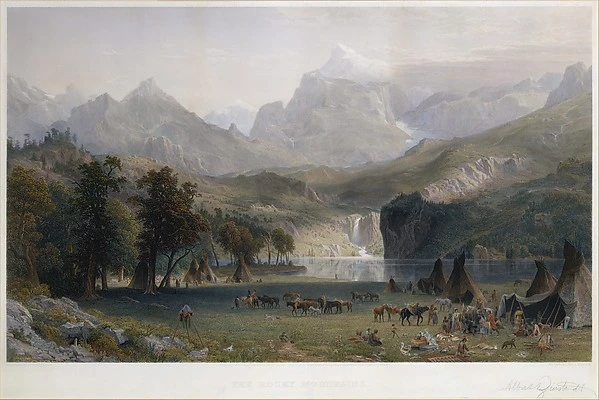
James Smillie’s engraving depicts Lander’s Peak in Wyoming. Challoner places the Masters’ refuge amid ice, torrents and inaccessible heights.
James Smillie after Albert Bierstadt, The Rocky Mountains, Lander’s Peak. The Metropolitan Museum of Art. Rogers Fund, 1974. · Image source ↗ · CC0
How the teachers are said to guide
Blavatsky’s dialogue explains why the movement calls these figures teachers. Challoner’s poem gives their distance and continuing work a landscape. The mountain refuge becomes part of her explanation of how they can remain apart and still guide others. [3][4][5][6][2]
See references (5)
- The Key to Theosophy, section XIV, The Theosophical Mahatmas
- Watchers of the Seven Spheres, printed p. 77, Reader page 76
- Watchers of the Seven Spheres, printed p. 78, Reader page 77
- Watchers of the Seven Spheres, printed p. 79, Reader page 78
- Watchers of the Seven Spheres, printed p. 80, Reader page 79
In the library
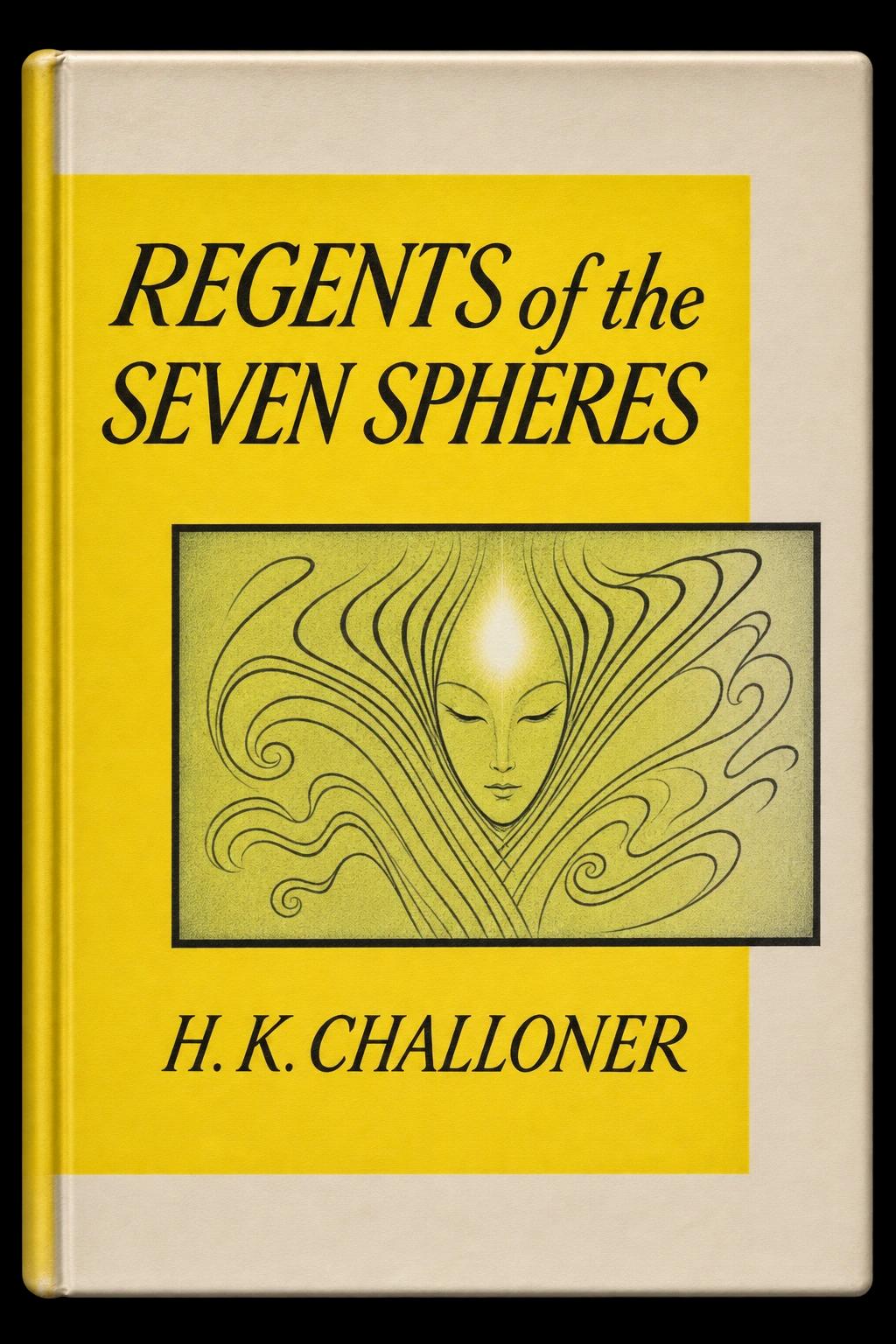
Watchers of the Seven Spheres
Reading note
The separately titled account draws on exact passages in the consulted Library edition.
Sources
See references (6)
- James Smillie after Albert Bierstadt, The Rocky Mountains, Lander’s Peak ↗James Smillie after Albert Bierstadt, The Rocky Mountains, Lander’s Peak. The Metropolitan Museum of Art. Rogers Fund, 1974.
- The Key to Theosophy, section XIV, The Theosophical Mahatmas ↗H. P. Blavatsky, The Key to Theosophy (1889), section XIV, The Theosophical Mahatmas.
- Watchers of the Seven Spheres, printed p. 77, Reader page 76H. K. Challoner, Watchers of the Seven Spheres, London, George Routledge & Sons, 1933. Lumitheca Library edition IMJ-0604-E001.Read this page in Watchers of the Seven Spheres ↗
- Watchers of the Seven Spheres, printed p. 78, Reader page 77H. K. Challoner, Watchers of the Seven Spheres, London, George Routledge & Sons, 1933. Lumitheca Library edition IMJ-0604-E001.Read this page in Watchers of the Seven Spheres ↗
- Watchers of the Seven Spheres, printed p. 79, Reader page 78H. K. Challoner, Watchers of the Seven Spheres, London, George Routledge & Sons, 1933. Lumitheca Library edition IMJ-0604-E001.Read this page in Watchers of the Seven Spheres ↗
- Watchers of the Seven Spheres, printed p. 80, Reader page 79H. K. Challoner, Watchers of the Seven Spheres, London, George Routledge & Sons, 1933. Lumitheca Library edition IMJ-0604-E001.Read this page in Watchers of the Seven Spheres ↗