Gods in the Valley in The Secret of the Golden Flower
Gods in the valley is the name of a meditation experience described in The Secret of the Golden Flower. The book compares clear voices that seem distant with an echo heard in a valley.
In this article
What does “gods in the valley” mean?
Gods in the valley is an image for a kind of hearing described in The Secret of the Golden Flower. During meditation, voices seem both distinct and distant, like speech echoing through a valley. The landscape captures the way the sound appears. [3]
The valley echo in The Secret of the Golden Flower
In Richard Wilhelm’s translation, rendered into English by Cary F. Baynes, the echo is the first of three experiences described as signs of progress. The next two are an empty chamber filling with light and a sense that the body is being drawn upward. The chapter places all three within its account of light gathering and becoming clear. [1][2][3]
The text compares recognising the experience with knowing the temperature of water one drinks. It allows that people may experience the signs differently. A note sends the reader to chapter 6 of the Daodejing for another use of the valley image. [3][4]
See references (4)
- The Secret of the Golden Flower, Errors During the Circulation and Confirmatory Experiences chapters, Reader page 55
- The Secret of the Golden Flower, printed p. 55, Reader page 56
- The Secret of the Golden Flower, printed p. 56, Reader page 57
- The Secret of the Golden Flower, printed p. 72, Reader page 71
The valley in the Daodejing
Chapter 6 of the Daodejing associates the Valley Spirit with an inexhaustible source of Heaven and Earth. In the Golden Flower, the valley gives depth to the sound of voices. The shared image serves a cosmological purpose in one passage and describes an experience in the other. [5][3][4]
Sound in a painted valley
In Wen Zhengming’s scroll, cliffs and falling water surround a small retreat. A figure plays the qin in this secluded setting. The painting gives the valley another role as a place to listen. [6][3]
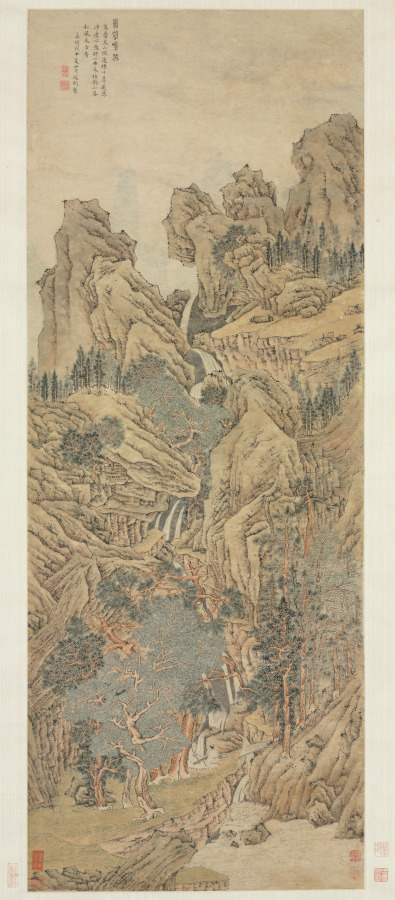
Wen Zhengming, Playing the Qin in a Secluded Valley, 1548. The poem on the scroll imagines the instrument answering the wind through the pines.
Cleveland Museum of Art, accession 1969.60. CC0. · Image source ↗ · CC0
In the library
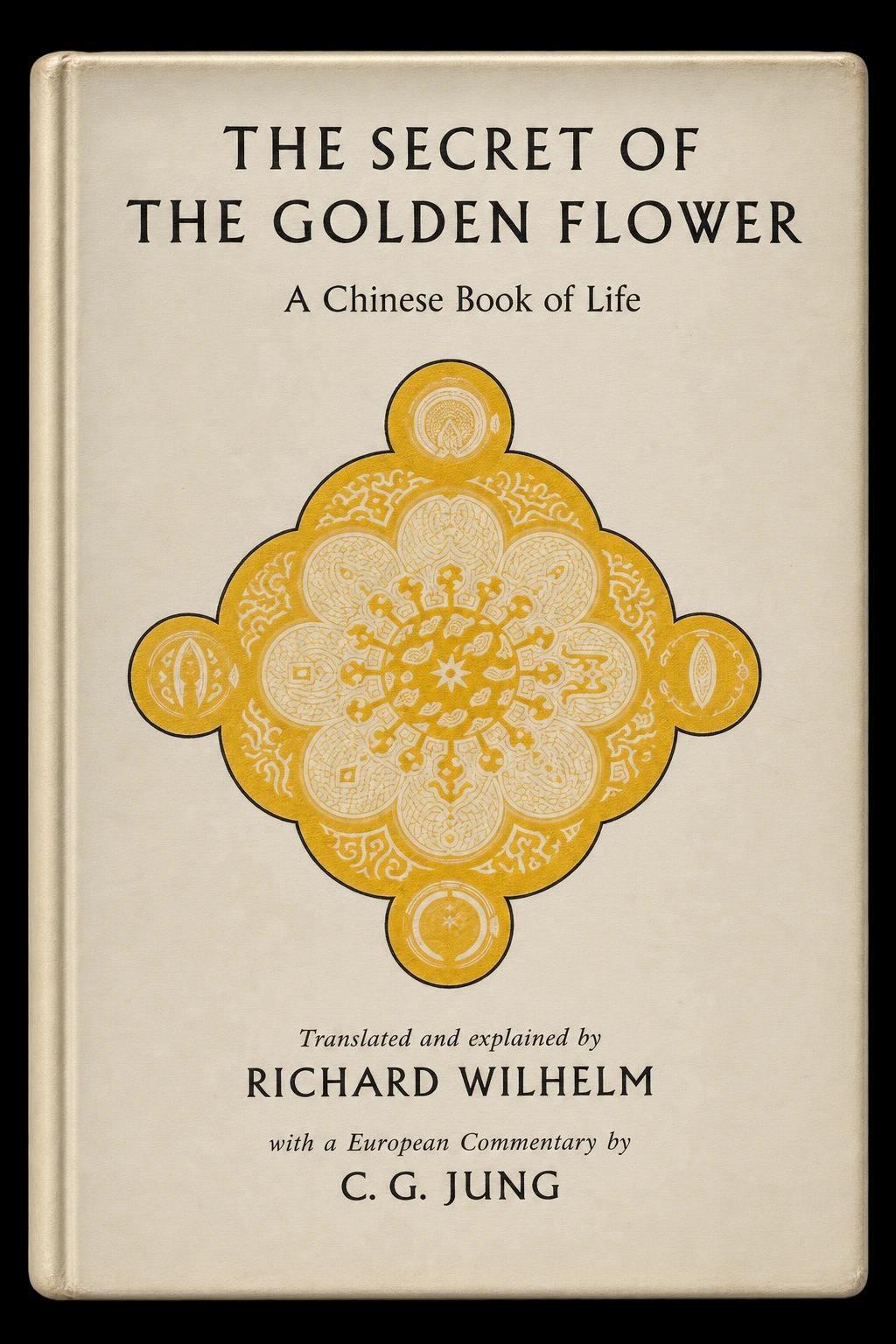
The Secret of the Golden Flower
Reading note
Read the account of Gods in the Valley in the Wilhelm and Baynes edition.
Sources
See references (6)
- The Secret of the Golden Flower, Errors During the Circulation and Confirmatory Experiences chapters, Reader page 55The Secret of the Golden Flower: A Chinese Book of Life. Chinese text translated and explained by Richard Wilhelm, English translation by Cary F. Baynes, with separate commentary by C. G. Jung. London, Kegan Paul, Trench, Trubner & Co. Lumitheca Library edition IMJ-0596-E001.Read this page in The Secret of the Golden Flower ↗
- The Secret of the Golden Flower, printed p. 55, Reader page 56The Secret of the Golden Flower: A Chinese Book of Life. Chinese text translated and explained by Richard Wilhelm, English translation by Cary F. Baynes, with separate commentary by C. G. Jung. London, Kegan Paul, Trench, Trubner & Co. Lumitheca Library edition IMJ-0596-E001.Read this page in The Secret of the Golden Flower ↗
- The Secret of the Golden Flower, printed p. 56, Reader page 57The Secret of the Golden Flower: A Chinese Book of Life. Chinese text translated and explained by Richard Wilhelm, English translation by Cary F. Baynes, with separate commentary by C. G. Jung. London, Kegan Paul, Trench, Trubner & Co. Lumitheca Library edition IMJ-0596-E001.Read this page in The Secret of the Golden Flower ↗
- The Secret of the Golden Flower, printed p. 72, Reader page 71The Secret of the Golden Flower: A Chinese Book of Life. Chinese text translated and explained by Richard Wilhelm, English translation by Cary F. Baynes, with separate commentary by C. G. Jung. London, Kegan Paul, Trench, Trubner & Co. Lumitheca Library edition IMJ-0596-E001.Read this page in The Secret of the Golden Flower ↗
- Daodejing, chapter 6 ↗Attributed to Laozi, translated by James Legge (1891).
- Playing the Qin in a Secluded Valley ↗Cleveland Museum of Art, accession 1969.60. CC0.