Flower clocks
A flower clock uses when flowers open or close to tell the time. Compare Linnaeus’s observations with the two rendezvous tables in Magica Sexualis.
In this article
Understanding flower clocks
A flower clock uses the opening or closing of different flowers to estimate the time of day. Carl Linnaeus called the idea Horologium Florae. Magica Sexualis gives it a second use: a flower can stand for the hour of a meeting if both people know the schedule. [1][4][5][6]
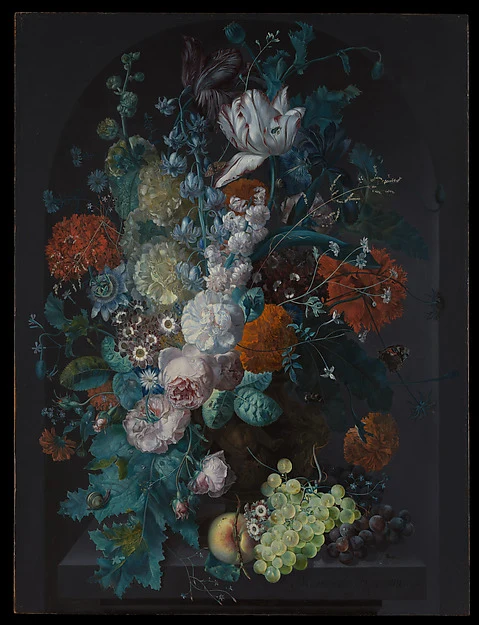
Margareta Haverman, A Vase of Flowers (1716). The bouquet brings together flowers from different seasons.
The Metropolitan Museum of Art, Purchase, 1871. Accession 71.6. Public Domain, CC0. · Image source ↗ · CC0
Linnaeus’s botanical clock
In Philosophia Botanica (1751), Carl Linnaeus lists flowers with their opening or closing hours. The Linnaeus Garden’s transcription puts the white water lily just after seven in the morning and just after five in the afternoon for closing. The Linnean Society notes that weather, latitude and length of day can alter opening times. [1][2][7]
Magica Sexualis by Émile Laurent and Paul Nagour
In Magica Sexualis, Émile Laurent and Paul Nagour suggest that a flower could tell a lover when to meet. Their first schedule lists goat’s beard at two in the morning, water-rose at seven and marigold at nine. Each is a table entry with a common name. [4]
The compilers concede that flower clocks vary and add a shorter table that moves marigold to ten. Their first table also uses inconsistent twelve o’clock labels. Later they return to the idea of an hour sent by a letter made of flowers. [4][5][6]
An observed hour and an agreed signal
A botanical clock depends on when living flowers actually open or close. A flower sent as a private message depends on the hour both people agree it represents. That distinction explains how the rendezvous code could be read even when the same plant keeps different hours in two gardens. [4][5][6][1][2]
See references (5)
- The Linnaeus Garden: Linnaeus’s floral clock, sections on Horologium Florae and the unfinished manuscript
- The Linnean Society: Linnaeus’ Floral Clock, 4 March 2013, weather/day length and latitude discussion
- Magica Sexualis, printed p. 175, Reader page 183
- Magica Sexualis, printed p. 176, Reader page 184
- Magica Sexualis, Reader page 186
Read further in the library
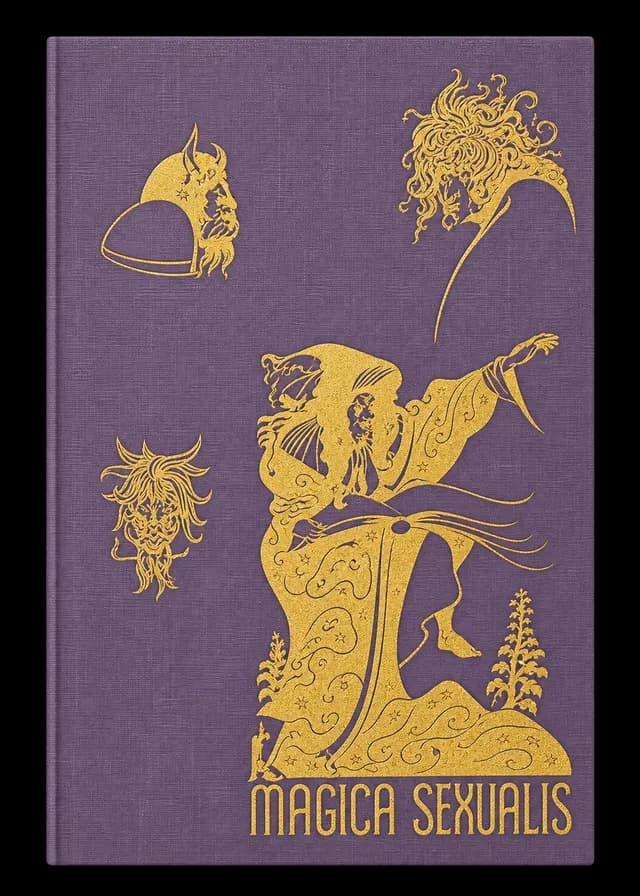
Magica Sexualis
Reading note
The separately titled account draws on exact passages in the consulted Library edition.
Sources
See references (7)
- The Linnaeus Garden: Linnaeus’s floral clock, sections on Horologium Florae and the unfinished manuscript ↗Uppsala University, The Linnaeus Garden. Institutional account consulted directly. It identifies Philosophia Botanica (1751) and the incomplete Horologium plantarum manuscript; neither original volume nor manuscript is claimed fully consulted here.Return to text ↑
- The Linnean Society: Linnaeus’ Floral Clock, 4 March 2013, weather/day length and latitude discussion ↗The Linnean Society of London, collection and botanical context, published 4 March 2013. Direct institutional discussion consulted; quoted historical pagination is identified as the institution’s reference.Return to text ↑
- Margareta Haverman, A Vase of Flowers, 1716; The Metropolitan Museum of Art, 71.6 ↗Direct museum record and Collection API object 436634, isPublicDomain true. Asset actually viewed. Open Access CC0.
- Magica Sexualis, printed p. 175, Reader page 183Émile Laurent and Paul Nagour, Magica Sexualis, privately printed by Falstaff Press Inc., New York, undated inspected edition. Exact original Library edition IMJ-0105-E001. The work is a historical compilation; its quoted fiction, trial allegations and medical interpretations are not treated as independently verified facts. Current Reader positions are mapped separately from printed pagination.Read this page in Magica Sexualis ↗Return to text ↑
- Magica Sexualis, printed p. 176, Reader page 184Émile Laurent and Paul Nagour, Magica Sexualis, privately printed by Falstaff Press Inc., New York, undated inspected edition. Exact original Library edition IMJ-0105-E001. The work is a historical compilation; its quoted fiction, trial allegations and medical interpretations are not treated as independently verified facts. Current Reader positions are mapped separately from printed pagination.Read this page in Magica Sexualis ↗Return to text ↑
- Magica Sexualis, Reader page 186Émile Laurent and Paul Nagour, Magica Sexualis, privately printed by Falstaff Press Inc., New York, undated inspected edition. Exact original Library edition IMJ-0105-E001. The work is a historical compilation; its quoted fiction, trial allegations and medical interpretations are not treated as independently verified facts. Current Reader positions are mapped separately from printed pagination.Read this page in Magica Sexualis ↗Return to text ↑
- Carl Linnaeus, Philosophia Botanica (1751), Horologium Florae table ↗Linnaeus Garden, Uppsala University, transcription of the plant names and opening and closing times.Return to text ↑