Dream magic
Dream magic includes seeking or sending a dream. Compare Iamblichus on divine dreams with the papyrus accounts reported in Magica Sexualis.
In this article
Understanding dream magic
Dream magic is the attempt to receive a significant dream or to shape what someone experiences in sleep through ritual. Seeking a dream, sending one to someone else and interpreting a dream after waking raise different questions. Iamblichus adds another: how might a dream be recognised as coming from a god? [5][6][7][8][1][2]
See references (6)
- Iamblichus, On the Mysteries, Section III, chapter II, printed page 115 (1895 Taylor edition)
- Iamblichus, On the Mysteries, Section III, chapter II, printed page 117 (1895 Taylor edition)
- Magica Sexualis, Reader page 131
- Magica Sexualis, printed p. 124, Reader page 132
- Magica Sexualis, Reader page 200
- Magica Sexualis, Reader page 206
On the Mysteries by Iamblichus
In On the Mysteries, section III, chapter 2, Iamblichus distinguishes ordinary dreams arising from thought or imagination from what he calls dreams sent by gods. In Thomas Taylor’s translation, some god-sent experiences involve hearing a voice near the boundary of waking. [1][2]
In chapter 3, he points to the temple of Asklepios as a place where divine dreams were credited with healing and the communication of medical knowledge. Taylor renders the god’s name as Esculapius. [3]
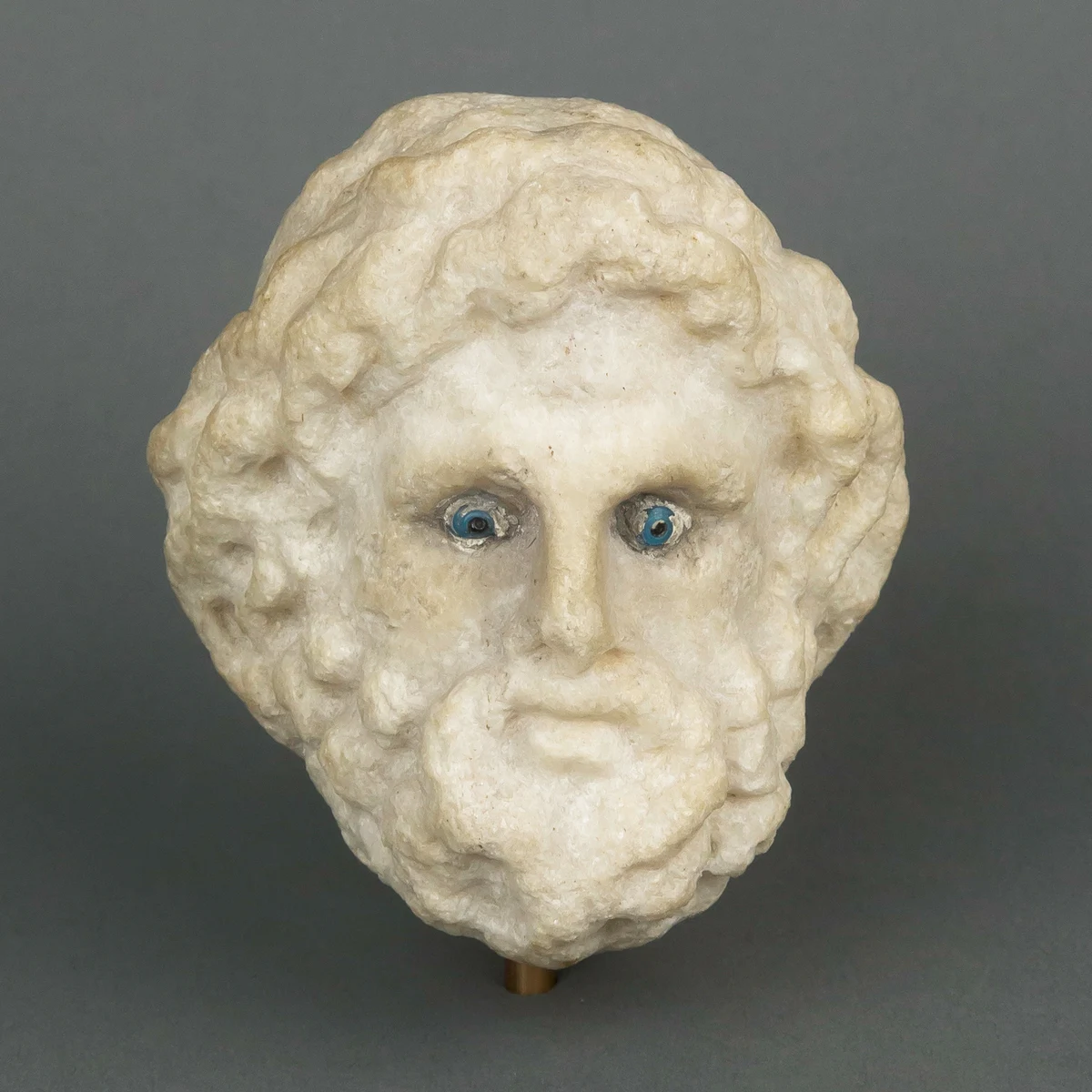
Marble head of Asklepios, 3rd–2nd century BCE. Iamblichus cites the god’s temple in his account of divine dreams.
The Metropolitan Museum of Art, 17.194.836. Gift of J. Pierpont Morgan, 1917. CC0. · Image source ↗ · CC0
Magica Sexualis by Émile Laurent and Paul Nagour
In Magica Sexualis, Émile Laurent and Paul Nagour move from dream experience and interpretation to attempts at producing a dream. In their account of a Leyden papyrus, mediated through Marcellin Berthelot, they describe seeking information in sleep and inducing a dream about love. [9][7][10][11][8][5][6]
The compilers also cite Gaston Maspero on Louvre Papyrus E 3229. They report that four invocations concern sending dreams and acknowledge gaps in the text. The Louvre identifies the object as a Roman-period Demotic magical papyrus, tentatively from Thebes. The catalogue verifies the object’s identity. [8][14]
The book later reports attempts to direct the content of a dream and concedes that a desired subject cannot be guaranteed. Its summary of Freud addresses a different question, about what a dream already experienced might mean. [12][13][7][10][11][8]
See references (10)
- Magica Sexualis, Reader page 131
- Magica Sexualis, printed p. 124, Reader page 132
- Magica Sexualis, Reader page 200
- Magica Sexualis, Reader page 206
- Magica Sexualis, Reader page 197
- Magica Sexualis, Reader page 201
- Magica Sexualis, Reader page 202
- Magica Sexualis, Reader page 207
- Magica Sexualis, Reader page 208
- Louvre, papyrus magique, E 3229, Roman period (200–299 CE)
Receiving a dream and trying to send one
Iamblichus asks what distinguishes a received divine dream from ordinary imagination. The compilers ask whether someone can give a sleeper a particular dream. The first account explains the alleged source of an experience. The second sets a goal and acknowledges that the result may differ from what was wanted. [5][6][8][1][2][12][13][3]
See references (8)
- Iamblichus, On the Mysteries, Section III, chapter II, printed page 115 (1895 Taylor edition)
- Iamblichus, On the Mysteries, Section III, chapter II, printed page 117 (1895 Taylor edition)
- Iamblichus, On the Mysteries, Section III, chapter III, printed page 120 (1895 Taylor edition)
- Magica Sexualis, Reader page 131
- Magica Sexualis, printed p. 124, Reader page 132
- Magica Sexualis, Reader page 206
- Magica Sexualis, Reader page 207
- Magica Sexualis, Reader page 208
Read further in the library
Magica Sexualis
Reading note
The separately titled account draws on exact passages in the consulted Library edition.
Sources
See references (14)
- Iamblichus, On the Mysteries, Section III, chapter II, printed page 115 (1895 Taylor edition) ↗Iamblichus, On the Mysteries of the Egyptians, Chaldeans, and Assyrians, translated by Thomas Taylor, second edition, 1895. Section III, chapter II, printed page 115, visually verified at Archive zero-based leaf 146. Selected dream passages read at leaves 146–151; not a complete additional book crawl. Translator footnotes are distinguished from the main text.Return to text ↑
- Iamblichus, On the Mysteries, Section III, chapter II, printed page 117 (1895 Taylor edition) ↗Iamblichus, On the Mysteries of the Egyptians, Chaldeans, and Assyrians, translated by Thomas Taylor, second edition, 1895. Section III, chapter II, printed page 117, visually verified at Archive zero-based leaf 148. Selected dream passages read at leaves 146–151; not a complete additional book crawl. Translator footnotes are distinguished from the main text.Return to text ↑
- Iamblichus, On the Mysteries, Section III, chapter III, printed page 120 (1895 Taylor edition) ↗Iamblichus, On the Mysteries of the Egyptians, Chaldeans, and Assyrians, translated by Thomas Taylor, second edition, 1895. Section III, chapter III, printed page 120, visually verified at Archive zero-based leaf 151. Selected dream passages read at leaves 146–151; not a complete additional book crawl. Translator footnotes are distinguished from the main text.Return to text ↑
- The Metropolitan Museum of Art: Head of a marble statuette of Asklepios ↗The Metropolitan Museum of Art, accession 17.194.836, Head of a marble statuette of Asklepios, 3rd–2nd century BCE. Gift of J. Pierpont Morgan, 1917. Official API isPublicDomain true, CC0. Actual image inspected; contextual portrait of the god, not a depiction or verification of dream healing.
- Magica Sexualis, Reader page 131Émile Laurent and Paul Nagour, Magica Sexualis, privately printed by Falstaff Press Inc., New York, undated inspected edition. Exact original Library edition IMJ-0105-E001. The work is a historical compilation; its quoted fiction, trial allegations and medical interpretations are not treated as independently verified facts. Current Reader positions are mapped separately from printed pagination.Read this page in Magica Sexualis ↗Return to text ↑
- Magica Sexualis, printed p. 124, Reader page 132Émile Laurent and Paul Nagour, Magica Sexualis, privately printed by Falstaff Press Inc., New York, undated inspected edition. Exact original Library edition IMJ-0105-E001. The work is a historical compilation; its quoted fiction, trial allegations and medical interpretations are not treated as independently verified facts. Current Reader positions are mapped separately from printed pagination.Read this page in Magica Sexualis ↗Return to text ↑
- Magica Sexualis, Reader page 200Émile Laurent and Paul Nagour, Magica Sexualis, privately printed by Falstaff Press Inc., New York, undated inspected edition. Exact original Library edition IMJ-0105-E001. The work is a historical compilation; its quoted fiction, trial allegations and medical interpretations are not treated as independently verified facts. Current Reader positions are mapped separately from printed pagination.Read this page in Magica Sexualis ↗Return to text ↑
- Magica Sexualis, Reader page 206Émile Laurent and Paul Nagour, Magica Sexualis, privately printed by Falstaff Press Inc., New York, undated inspected edition. Exact original Library edition IMJ-0105-E001. The work is a historical compilation; its quoted fiction, trial allegations and medical interpretations are not treated as independently verified facts. Current Reader positions are mapped separately from printed pagination.Read this page in Magica Sexualis ↗Return to text ↑
- Magica Sexualis, Reader page 197Émile Laurent and Paul Nagour, Magica Sexualis, privately printed by Falstaff Press Inc., New York, undated inspected edition. Exact original Library edition IMJ-0105-E001. The work is a historical compilation; its quoted fiction, trial allegations and medical interpretations are not treated as independently verified facts. Current Reader positions are mapped separately from printed pagination.Read this page in Magica Sexualis ↗Return to text ↑
- Magica Sexualis, Reader page 201Émile Laurent and Paul Nagour, Magica Sexualis, privately printed by Falstaff Press Inc., New York, undated inspected edition. Exact original Library edition IMJ-0105-E001. The work is a historical compilation; its quoted fiction, trial allegations and medical interpretations are not treated as independently verified facts. Current Reader positions are mapped separately from printed pagination.Read this page in Magica Sexualis ↗Return to text ↑
- Magica Sexualis, Reader page 202Émile Laurent and Paul Nagour, Magica Sexualis, privately printed by Falstaff Press Inc., New York, undated inspected edition. Exact original Library edition IMJ-0105-E001. The work is a historical compilation; its quoted fiction, trial allegations and medical interpretations are not treated as independently verified facts. Current Reader positions are mapped separately from printed pagination.Read this page in Magica Sexualis ↗Return to text ↑
- Magica Sexualis, Reader page 207Émile Laurent and Paul Nagour, Magica Sexualis, privately printed by Falstaff Press Inc., New York, undated inspected edition. Exact original Library edition IMJ-0105-E001. The work is a historical compilation; its quoted fiction, trial allegations and medical interpretations are not treated as independently verified facts. Current Reader positions are mapped separately from printed pagination.Read this page in Magica Sexualis ↗Return to text ↑
- Magica Sexualis, Reader page 208Émile Laurent and Paul Nagour, Magica Sexualis, privately printed by Falstaff Press Inc., New York, undated inspected edition. Exact original Library edition IMJ-0105-E001. The work is a historical compilation; its quoted fiction, trial allegations and medical interpretations are not treated as independently verified facts. Current Reader positions are mapped separately from printed pagination.Read this page in Magica Sexualis ↗Return to text ↑
- Louvre, papyrus magique, E 3229, Roman period (200–299 CE) ↗Louvre, Département des Antiquités égyptiennes. Object, date, script and tentative provenance.Return to text ↑