 Source
Abraxas on Gnostic Gems
A cock-headed, serpent-legged figure interpreted through divine emanations.
Historical talisman traditionsBrowse by subject
SourceA cock-headed, serpent-legged figure interpreted through divine emanations.
Historical talisman traditions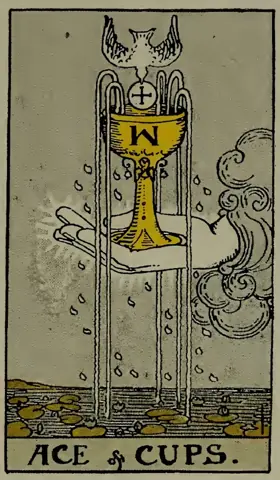
A cloud-borne cup, water and a descending sacramental emblem give this Ace several symbolic layers.
Western Tarot symbolism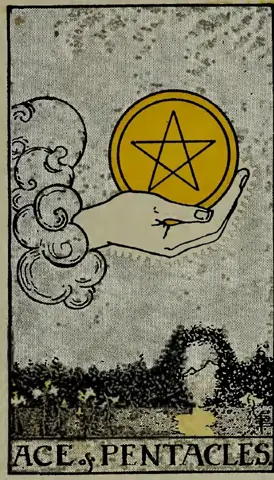
A cloud-borne pentacle raises a distinction between material prosperity and its benefit.
Western Tarot symbolism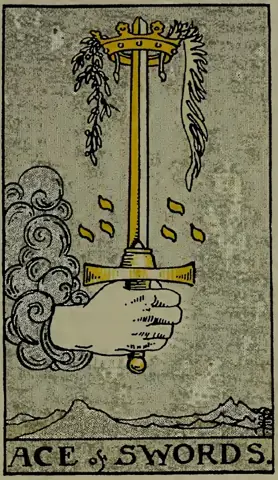
A crowned sword represents force whose outcome is not uniformly favourable.
Western Tarot symbolism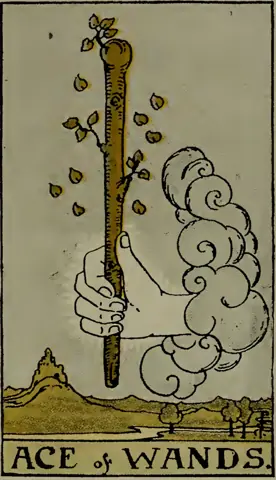
A hand from a cloud presents the suit's single stout wand.
Western Tarot symbolismSourceEgyptian sign of life interpreted as a talisman of creative continuity.
Historical talisman traditions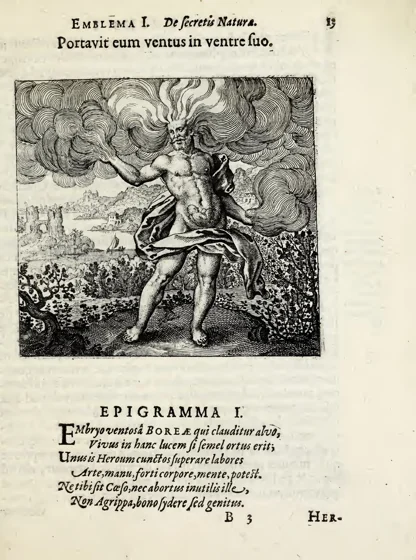
Maier’s alchemical emblem book brings engraved images, epigrams, prose and three-voice music into a single sequence.
Michael Maier’s Atalanta Fugiens (1618)SourceEight-line combinations used within the Pavitts’ account of Chinese talismans.
Historical talisman traditions Source
The composite goat figure used to represent equilibrium and the Absolute.
Éliphas Lévi, Transcendental Magic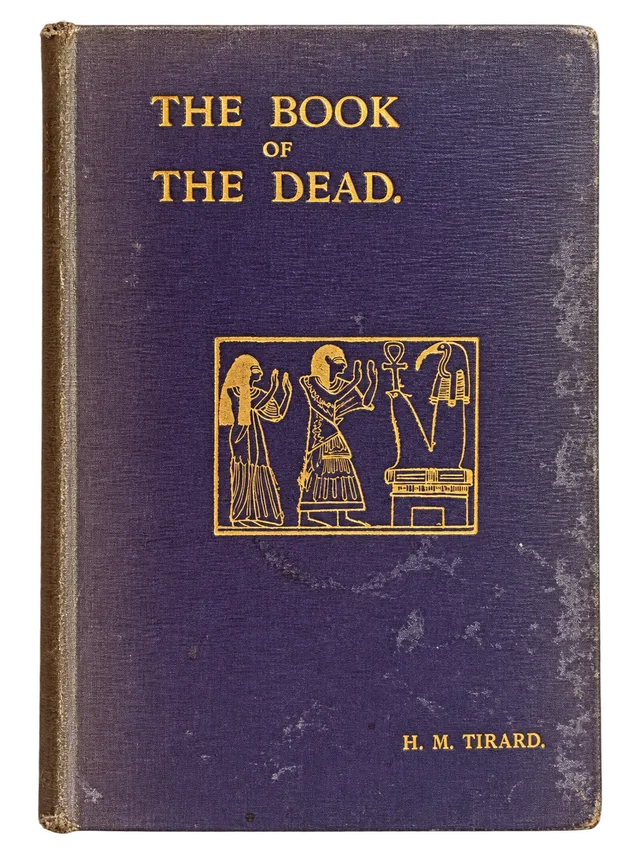 Source
A variable collection of funerary texts rather than a single fixed book.
Egyptian funerary religionSourceA Roman amulet container worn as a sign and safeguard.
Historical talisman traditionsSourceMercury’s serpent-entwined rod as an emblem of persuasion and reconciliation.
Historical talisman traditions Source
A stone chair used in a healing legend alongside the water of Canna’s well.
Welsh folklore, Wirt Sikes Source
The year-long preparation that concentrates its power into three drops.
The Mabinogion, Guest’s 1877 editionSourceA stone marked by Arthur’s dog that cannot be permanently removed from its heap.
Welsh folklore, Wirt SikesSourceThe enclosing name-sign treated as a safeguard of personal identity.
Historical talisman traditionsSourceThe overflowing horn as a sign of provision, abundance, and fortune.
Historical talisman traditions Source
The traveller's interruption of sunlight distinguishes him from the surrounding shades.
Dante, Purgatorio Source
A rider whose passage joins mortality with transformation.
Western Tarot symbolism Source
The haunted stone on Nasu moor that contains a fox spirit in Davis's retelling.
Japanese legends, Davis retellingSourceThe amulet called Tat, associated with stability and Osiris’s backbone.
Egyptian funerary religion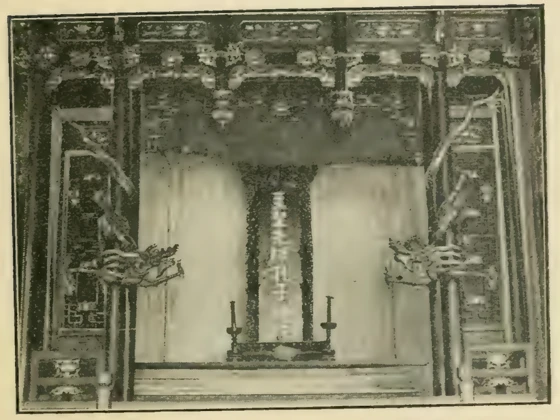
A tablet to Confucius stands within a shrine framed by carved dragons in Hayes’s photograph.
L. Newton Hayes, The Chinese Dragon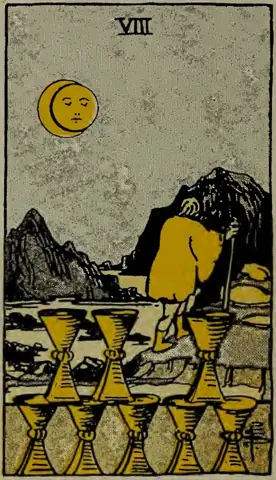
A departing figure gives the Eight an image of leaving an earlier concern behind.
Western Tarot symbolism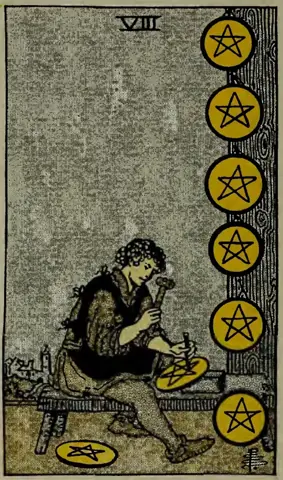
Stone work supplies an image of craft that can be preparatory rather than complete.
Western Tarot symbolism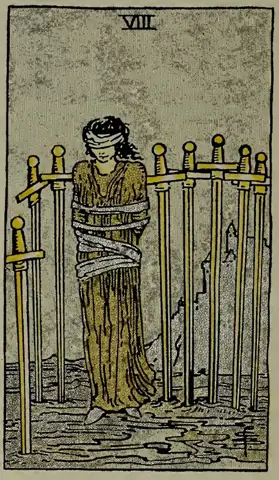
A bound figure surrounded by swords is expressly described as temporarily confined.
Western Tarot symbolism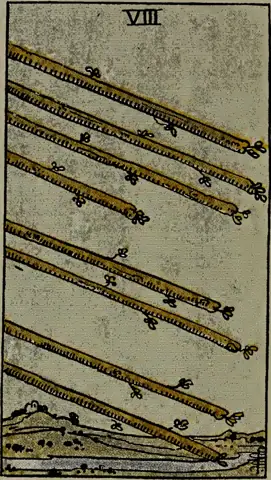
Flying wands carry the numbered suit into an image of swift motion.
Western Tarot symbolismSourceThe Hermetic text used to connect upper and lower worlds through analogy.
Éliphas Lévi, Transcendental MagicSourceA protective eye emblem whose divine associations vary within the compilation.
Historical talisman traditionsSourceA fairy gift whose value or continued arrival depends on secrecy.
Welsh folklore, Wirt Sikes Source
The incomplete sign that admits Mephistopheles but prevents his departure.
Goethe’s Faust, Part OneSourceA Chinese grouped bat motif in the Pavitts’ compilation, bringing wishes for luck, wealth, longevity, health and peace into one emblem.
Historical talisman traditions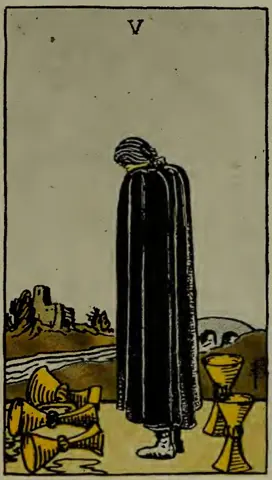
Three fallen cups and two remaining upright make loss and remainder part of one composition.
Western Tarot symbolism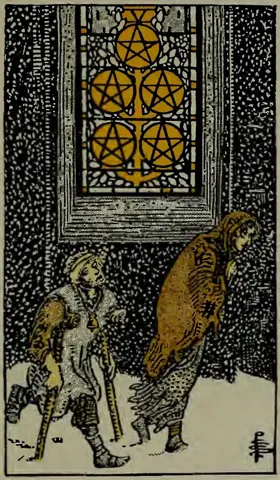
Two figures passing a lit window receive explicitly incompatible interpretations.
Western Tarot symbolism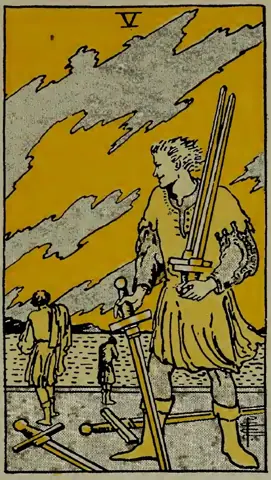
A figure controlling the field watches two others retreat while their swords remain on the ground.
Western Tarot symbolism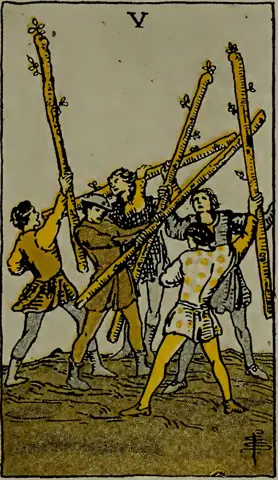
Five youths brandish staves in a scene described as mock combat.
Western Tarot symbolism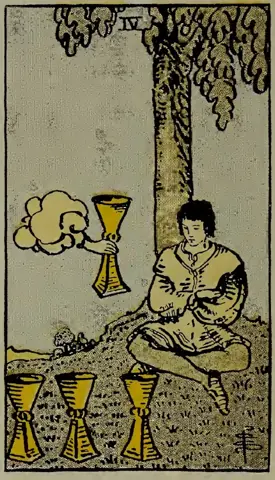
An offered fourth cup meets a seated figure's dissatisfaction with the three already present.
Western Tarot symbolism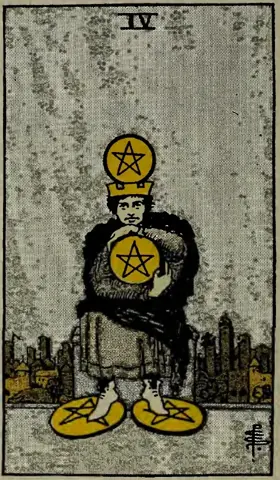
A figure holding several pentacles gives possession a concrete visual arrangement.
Western Tarot symbolism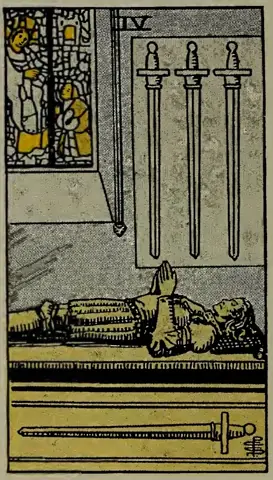
A knight's tomb effigy is described in prayer, linking repose with memorial imagery.
Western Tarot symbolism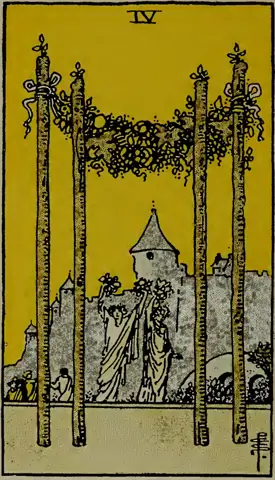
A garland joins four foreground staves beside a bridge and a house.
Western Tarot symbolism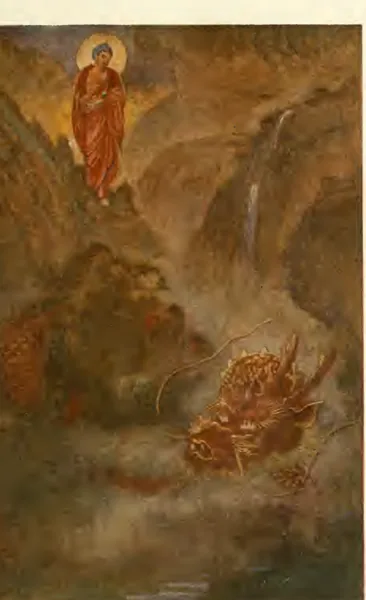
The eight-petalled flower formed from a dragon's jaws at the end of Davis's Golden Lotus legend.
Buddhist legend, Davis retellingSourceThe sword given to Yamato that cuts a path through burning grass.
Japanese legends, Davis retellingSourceAn open-hand charm interpreted through protection and sacred family memory.
Historical talisman traditionsSourceA protective beetle amulet connected with the heart and judgment.
Egyptian funerary religionSourceA household and occupational charm whose position is explained through retained luck.
Historical talisman traditionsSourceThe miraculous gift associated with Hidesato's title My Lord Bag of Rice in Davis's tale.
Japanese heroic legend, Davis retellingSourceThe red buckle amulet invoking the protective power of Isis.
Egyptian funerary religionSourceA valued stone interpreted through both talismanic protection and ethical qualities.
Historical talisman traditions Source
Stories of previous births in which the Buddha-to-be develops his dedication.
Buddhist traditions, Nivedita and CoomaraswamySourceA trumpet’s summons calls the figures from their tombs.
Western Tarot symbolismSourceAccountability according to deeds, distinguished from spiritual election.
Western Tarot symbolism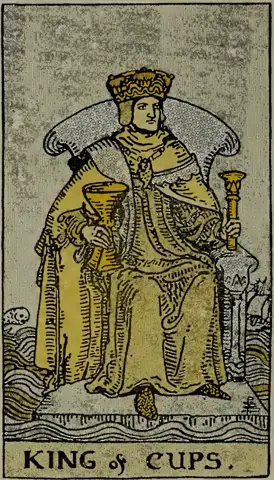
A cup-bearing king sits amid sea imagery, with a ship and a leaping dolphin.
Western Tarot symbolism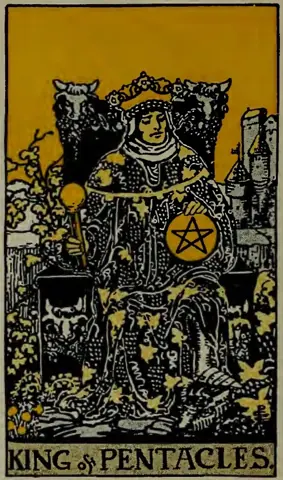
Bull-head throne symbols accompany a pentacle interpreted through the elements.
Western Tarot symbolism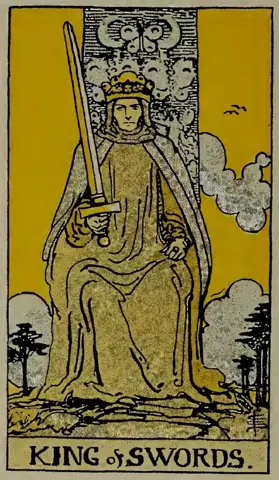
A judging king holds the unsheathed sword as an emblem of authority and office.
Western Tarot symbolism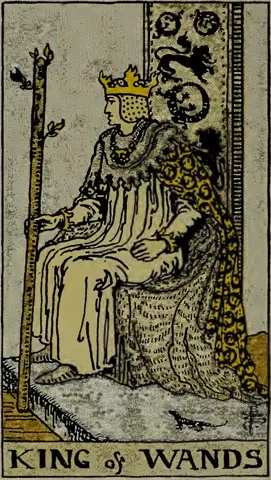
A flowering staff and lion throne place this court figure within the animated Wands suit.
Western Tarot symbolism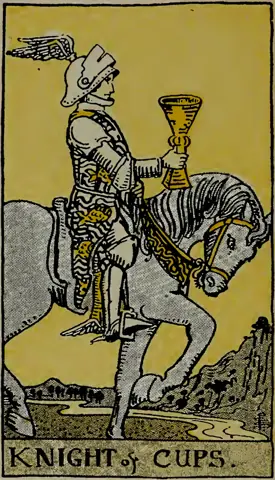
A quietly riding knight carries the cup suit into a scene of approach and invitation.
Western Tarot symbolism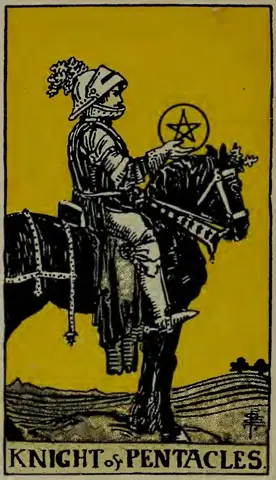
A slow horse and an exhibited pentacle give the Knight an image of steady external service.
Western Tarot symbolism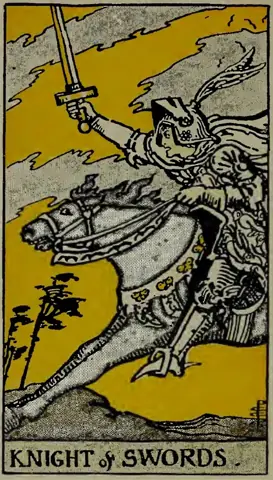
A rider in full course is compared with the ideal hero of romantic chivalry.
Western Tarot symbolism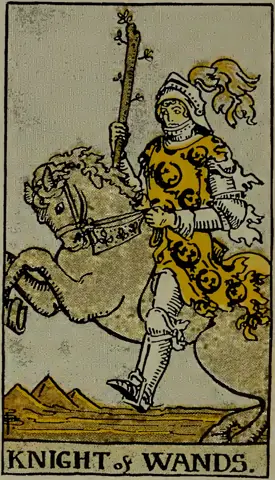
A moving horse makes travel and haste central to this court card's description.
Western Tarot symbolismSourceThe initiate’s lamp in Lévi’s account, whose triple flame represents reason illuminated by knowledge amid darkness.
Éliphas Lévi, Transcendental MagicSourceShiva’s sacred emblem, represented in one legend as a pillar whose limits cannot be found.
Indian traditions, Nivedita and CoomaraswamySourceThe Thigh Stone, which returns to its own valley despite attempts to remove it.
Welsh folklore, Wirt SikesSourceThe folded mantle used as an emblem of complete self-possession.
Éliphas Lévi, Transcendental MagicSourceThe ornaments given to Margaret in Faust, circulating in secret after an earlier gift was surrendered to the priest.
Goethe’s Faust, Part OneSourceHathor-associated ornament described as a charm of family prosperity.
Historical talisman traditionsSourceA fairy gift that grants music to an unskilled player and compels listeners to dance.
Welsh folklore, Wirt Sikes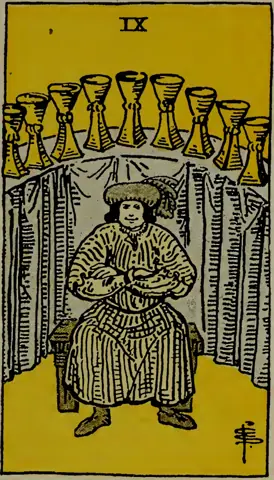
A satisfied seated figure appears before an arched counter stocked with cups.
Western Tarot symbolism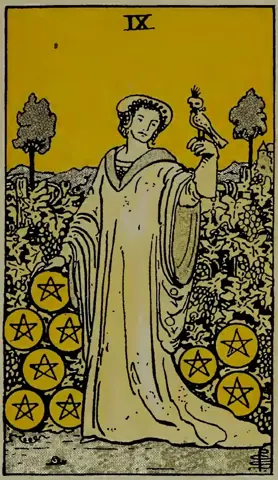
A garden and a wrist-borne bird accompany a deliberately tentative claim about ownership.
Western Tarot symbolism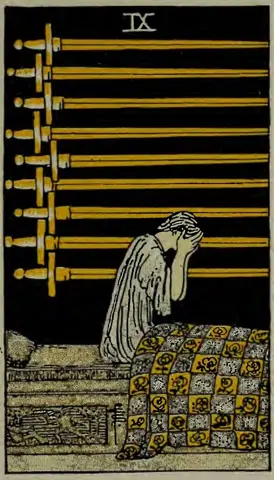
A lamenting figure beneath swords gives the card an image of desolation.
Western Tarot symbolism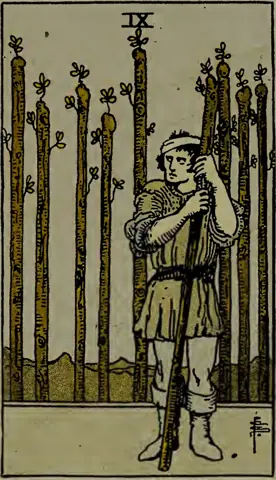
Eight upright staves stand behind a watchful figure leaning on a ninth.
Western Tarot symbolism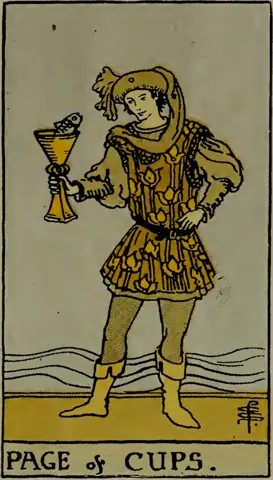
A fish emerging from a cup turns the Page's contemplation into an image of thoughts taking form.
Western Tarot symbolism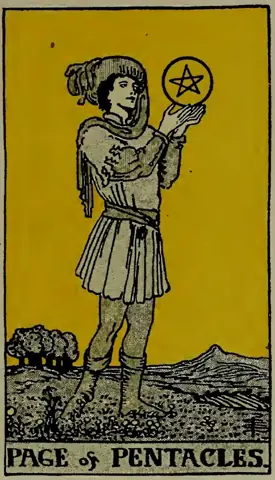
An absorbed Page studies a hovering pentacle while moving slowly.
Western Tarot symbolism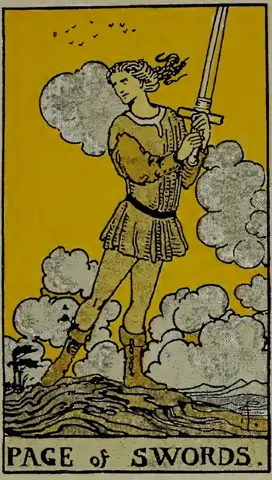
An alert figure and disturbed clouds place vigilance at the centre of this Page's description.
Western Tarot symbolism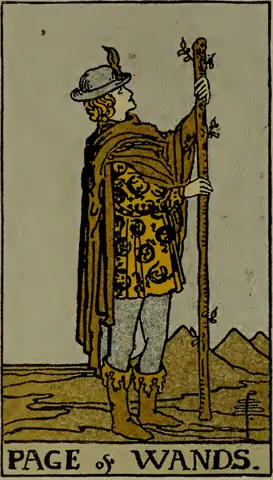
A standing messenger turns the suit's wand into an emblem of proclamation.
Western Tarot symbolism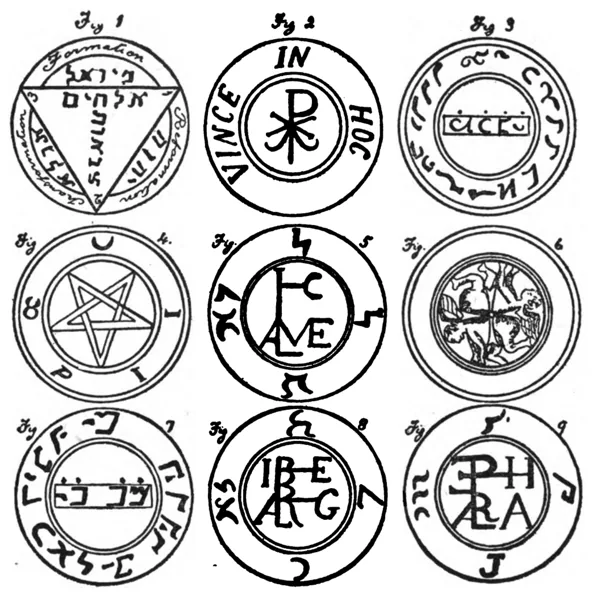
The varied inscribed and geometric designs reproduced in Waite's Book of Black Magic and of Pacts.
Ceremonial magic literature, A. E. Waite Source
The proposed agent of metallic transmutation whose aims and attributed powers Redgrove discusses.
Alchemy, H. Stanley Redgrove's historical accountSourceBinding forms whose auspiciousness depends on what they hold or hinder.
Historical talisman traditions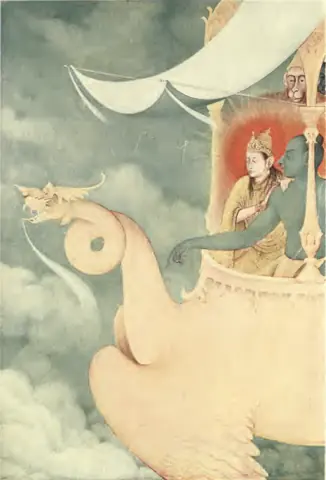
The self-moving aerial car that carries Rama and his company towards Ayodhya.
Indian traditions, Nivedita and Coomaraswamy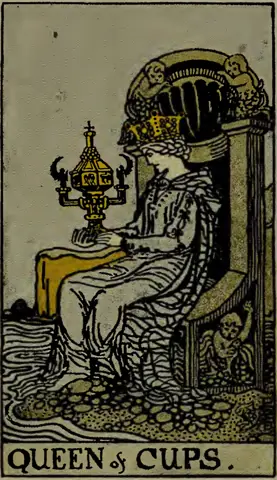
This queen's description joins visionary contemplation with purposeful action.
Western Tarot symbolism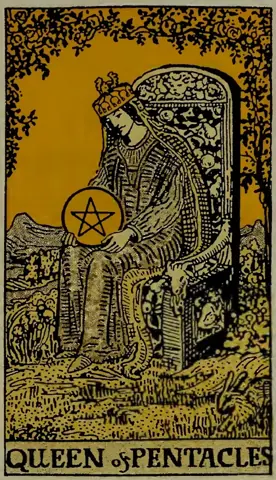
The Queen's contemplation of her symbol is described as an expression of intelligence and generosity.
Western Tarot symbolism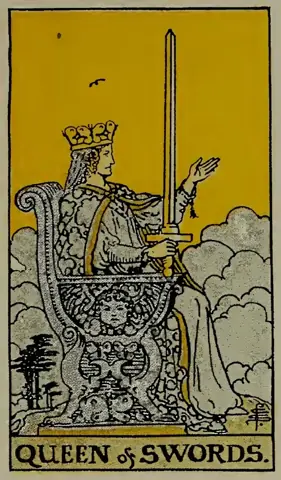
An upright sword and extended hand accompany the Queen's described familiarity with sorrow.
Western Tarot symbolism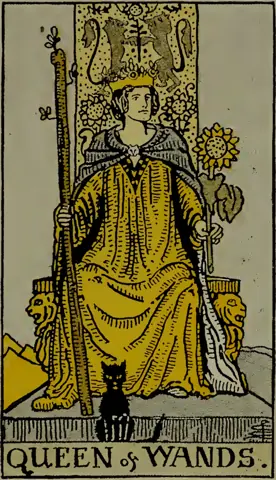
Leaf-bearing wands connect this queen's symbolism with life and animation.
Western Tarot symbolismSourceThe small bag that turns Gwawl’s claim into a trap.
The Mabinogion, Guest’s 1877 editionSourceThe garment that enables the celestial maiden in Davis's Robe of Feathers tale to dance and return to her lunar home.
Japanese celestial-maiden tale, Davis retellingSourceInterlaced triangles interpreted as the joining of spiritual and material principles.
Historical talisman traditionsSourceA vocal and inscribed pattern interpreted through the planetary heavens.
Historical talisman traditions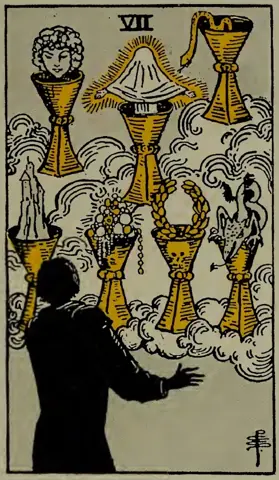
Visionary cups place imagination and impermanent attainment at the centre of the card account.
Western Tarot symbolism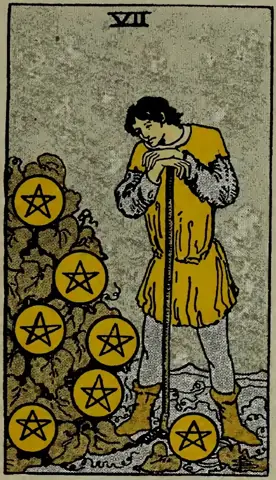
A figure contemplating pentacles is paired with the source's frank admission of contradictory meanings.
Western Tarot symbolism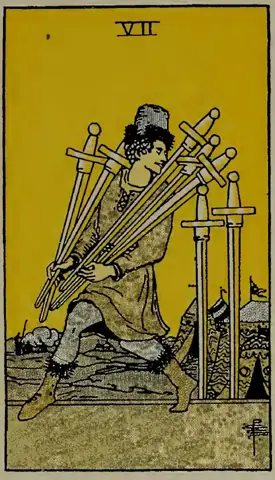
Five carried swords and two left behind accompany the source's admission of uncertain meaning.
Western Tarot symbolism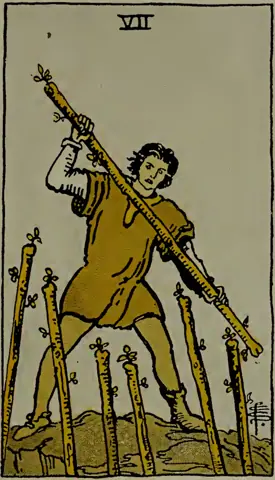
A figure above six raised staves holds the seventh from a higher position.
Western Tarot symbolism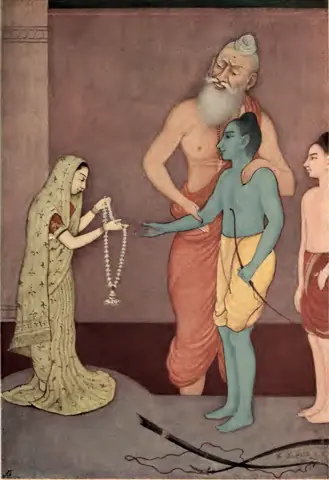
The immense inherited bow whose breaking establishes Rama’s marriage to Sita.
Indian traditions, Nivedita and Coomaraswamy Source
An Otherworld token whose music brings sleep and delight.
Celtic fairy traditions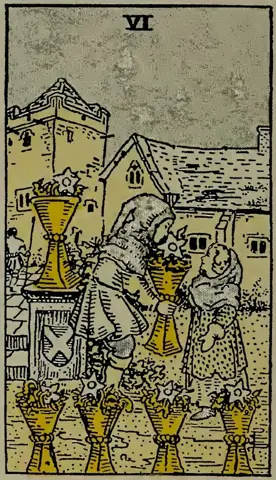
Children and flower-filled cups support competing readings of memory and unfamiliar surroundings.
Western Tarot symbolism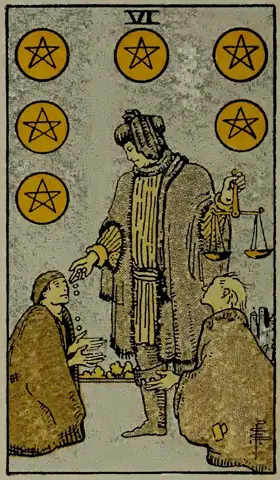
Weighed and distributed money supports a gift image alongside a cautionary supplementary reading.
Western Tarot symbolism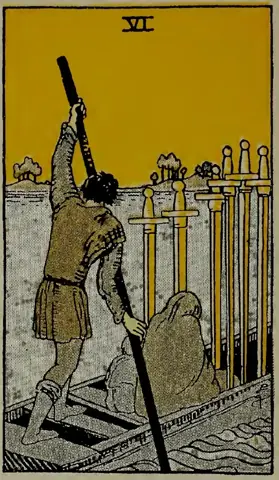
A ferryman's manageable passage supplies a relatively calm image within the Swords suit.
Western Tarot symbolism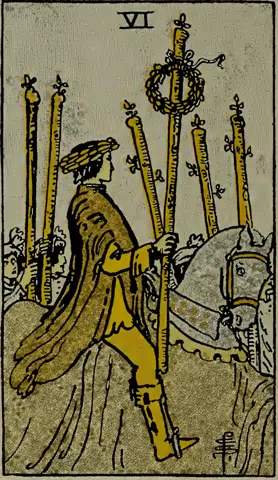
Laurel crowns a mounted bearer whose companions also carry staves.
Western Tarot symbolismSourceThe sun god’s vessel and a vehicle of the glorified dead.
Egyptian funerary religion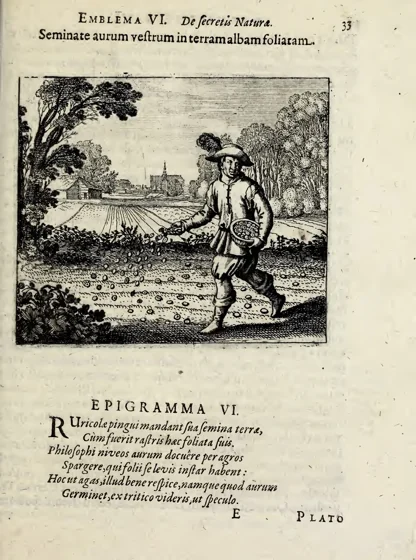
Maier’s sixth emblem gives the chymist’s work the form of a sower casting gold over prepared earth.
Michael Maier’s Atalanta Fugiens (1618)SourceThe support drawn from the hidden and enduring forces of nature.
Éliphas Lévi, Transcendental MagicSourceA woman’s gentle mastery of the lion rather than a contest of force.
Western Tarot symbolismSourceVessels of nourishment, relationship, and emotional exchange.
Western Tarot symbolismSourceThe coin-like Tarot suit, distinct from ceremonial pentacle talismans.
Western Tarot symbolismSourceA suit of force, discernment, tension, and qualified harmony.
Western Tarot symbolismSourceTarot’s staff-bearing suit, with images of enterprise and contested achievement.
Western Tarot symbolismSourceOtohime's forbidden keepsake, opened by Urashima after returning from the Sea King's realm.
Japanese legends, Davis retellingSourceThe blending of life’s essences between earth and water.
Western Tarot symbolism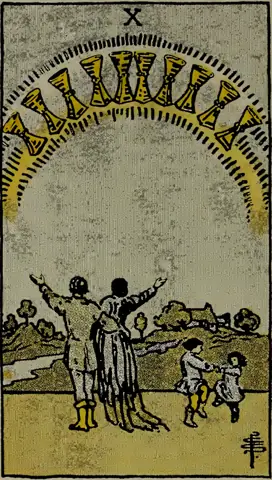
Ten cups arc above a household scene watched by two adults while children dance nearby.
Western Tarot symbolism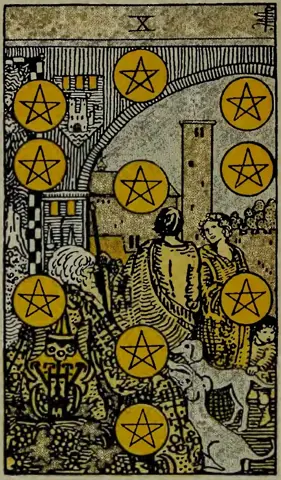
A household scene combines an archway, generations and dogs with family and archival meanings.
Western Tarot symbolism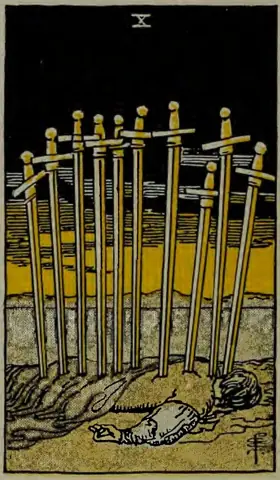
A pierced prostrate figure receives an explicit qualification against a simple violent-death reading.
Western Tarot symbolism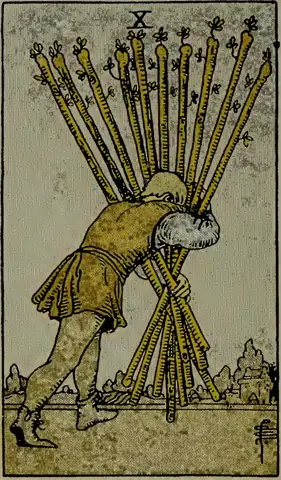
A bearer weighed down by ten staves gives the card its image of burden.
Western Tarot symbolismSourceThe four-letter divine name interpreted through manifestation and humanity.
Éliphas Lévi, Transcendental Magic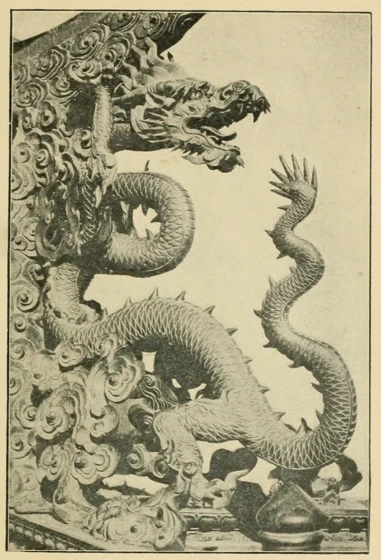
A dragon serves as the sculptural support for an astronomical instrument in Hayes’s frontispiece.
L. Newton Hayes, The Chinese DragonSourceThe vessel that returns slain warriors to life while withholding their speech.
The Mabinogion, Guest’s 1877 editionSourceTriumph and directed power whose external victories have limits.
Western Tarot symbolism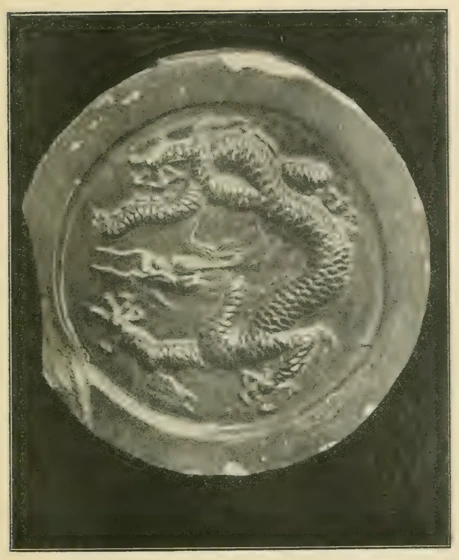
A coiled dragon fills the round face of the roof tile photographed by Hayes.
L. Newton Hayes, The Chinese DragonSourceMaterial bondage depicted through a horned figure and chained pair.
Western Tarot symbolism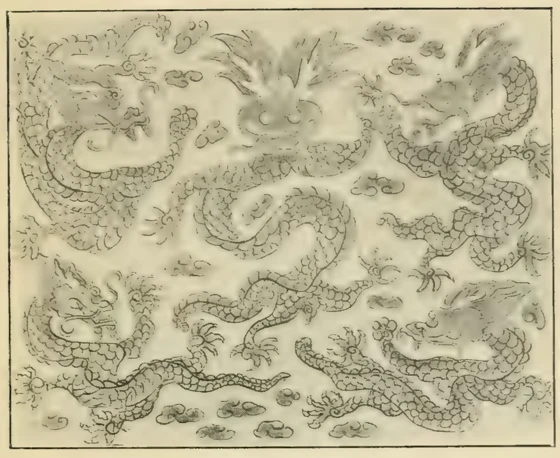
An artist’s drawing records the dragon-carved stone Hayes describes inside a dark imperial shrine.
L. Newton Hayes, The Chinese Dragon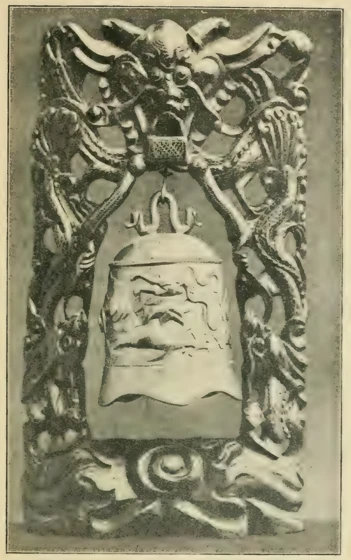
Dragons form the support and suspension of the bell illustrated in The Chinese Dragon.
L. Newton Hayes, The Chinese Dragon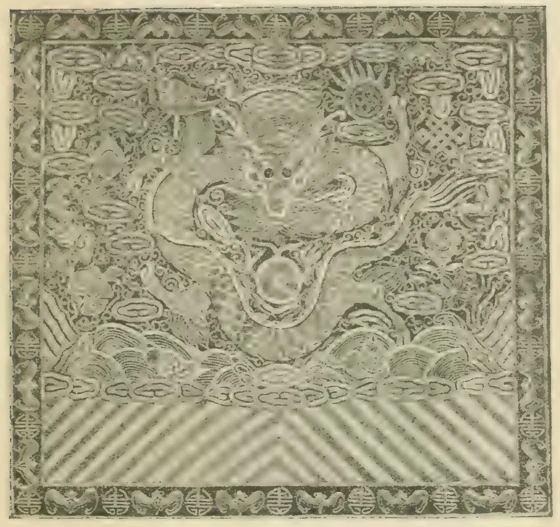
An embroidered dragon badge appears in Hayes’s account of official robes and rank.
L. Newton Hayes, The Chinese DragonSourceSeated sovereignty as executive power, reason, and realization.
Western Tarot symbolismSourceFruitful earthly life represented through stars, grain, water, and Venus.
Western Tarot symbolism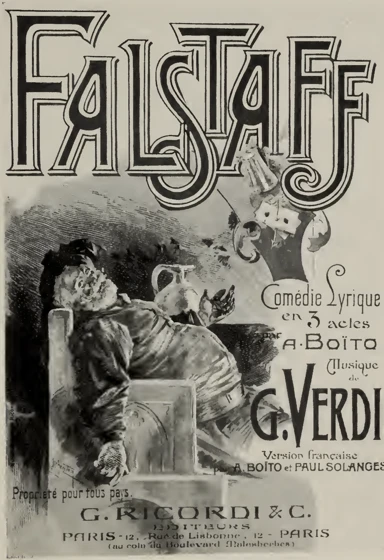
The Falstaff design reproduced in The Modern Poster advertises Verdi’s opera through monumental lettering and a reclining figure.
Poster and book-cover design in The Modern Poster (1895)SourceThe Tarot traveler poised between innocence, freedom, and uncertainty.
Western Tarot symbolismSourceFour unfamiliar lights mark the southern sky at the beginning of the ascent.
Dante, Purgatorio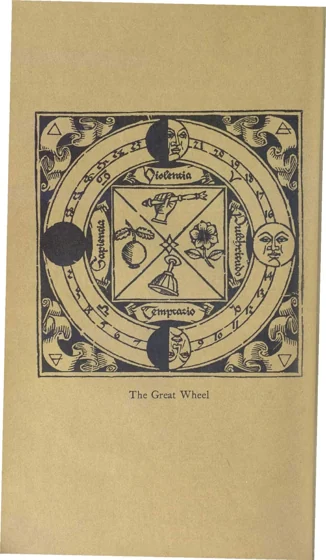
The circular diagram through which Yeats organises twenty-eight phases, contrasting tendencies and human types.
W. B. Yeats’s A Vision (1925)SourceThe inverted Tarot figure read as the adept and the completion of the great work.
Éliphas Lévi, Transcendental MagicSourceThe severed head that accompanies the survivors’ feasts before its protective burial.
The Mabinogion, Guest’s 1877 editionSourceA lantern held aloft as an invitation from attained knowledge.
Western Tarot symbolismSourceThe public transmission of sacred order through an established institution.
Western Tarot symbolismSourceKeeper of a partly concealed law between contrasting temple pillars.
Western Tarot symbolism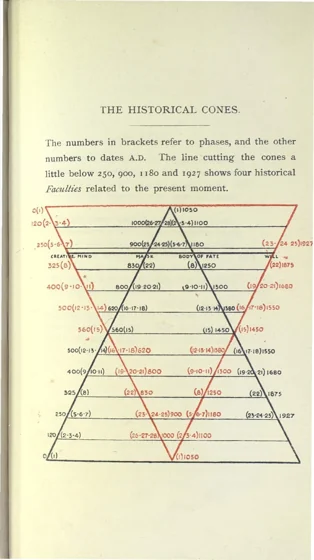
The red-and-black diagram that aligns dates, phases and historical Faculties in Yeats’s first A Vision.
W. B. Yeats’s A Vision (1925)SourceA flexible shoreline plant becomes Dante's girdle before the mountain journey.
Dante, Purgatorio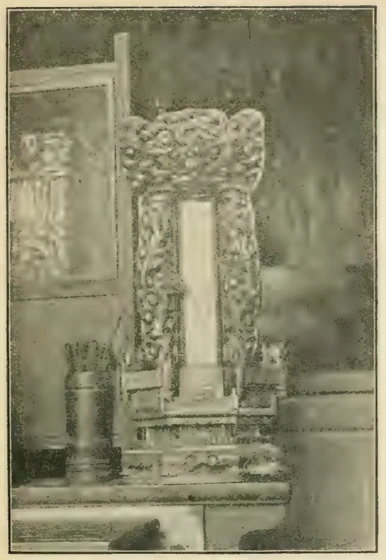
Hayes photographs a dragon-framed tablet bearing a wish for the reigning emperor’s long life.
L. Newton Hayes, The Chinese DragonSourceHuman love shown beneath an angel within a scene of Eden.
Western Tarot symbolismSourceA raised wand and downward hand connect intention with manifestation.
Western Tarot symbolismSourceA path into uncertainty lit by reflection and shadowed by fear.
Western Tarot symbolism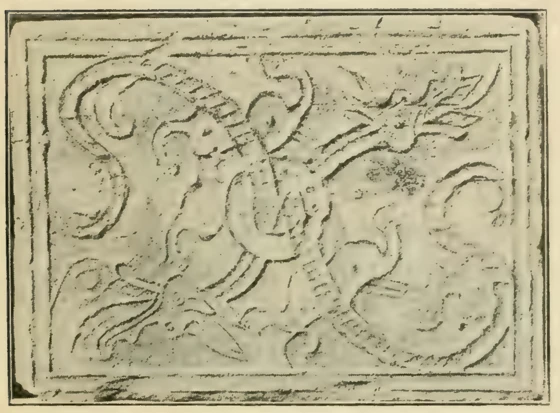
Two dragons coil through a circular form on the moulded brick illustrated by Hayes.
L. Newton Hayes, The Chinese Dragon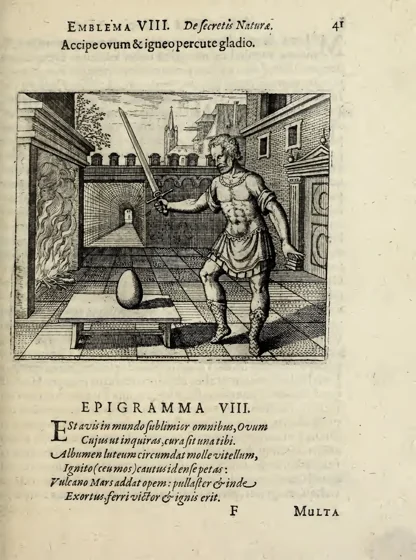
The egg, fire and sword of Emblem VIII form Maier’s allegory of generation and the appearance of new life.
Michael Maier’s Atalanta Fugiens (1618)SourceThe image of universal harmony that proves insufficient for the scholar.
Goethe’s Faust, Part OneSourceA luminous apparition leads fishermen to an abandoned sword, whose recovery resolves a coastal disturbance in Davis’s tale.
Japanese legends in F. Hadland Davis’s English retellings (1912)SourceA figure pours the water of life beneath one great and seven lesser stars.
Western Tarot symbolismSourceChildlike directness and renewed consciousness under a bright sun.
Western Tarot symbolism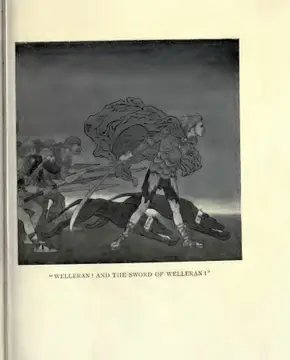
The preserved curved blade that passes from heroic relic to Rold’s weapon, then becomes the focus of his horror at war.
Lord Dunsany, The Sword of Welleran and Other Stories; London: George Allen & Sons, 1908 title page Source
The apple, carding-comb and spinning-wheel that the girl trades for three nights of access to the prince.
Norwegian fairy tales: Old Tales from the NorthSourceCollapse interpreted as the breaking of a false house of thought.
Western Tarot symbolism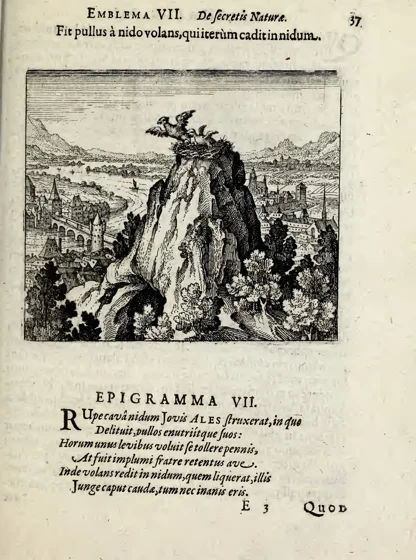
The feathered and unfeathered birds through which Maier pictures the relation between lightness, weight and restrained flight.
Michael Maier’s Atalanta Fugiens (1618)Maier’s first emblem pictures an infant inside a personified wind, joining the Latin motto to an image of Boreas.
Michael Maier’s Atalanta Fugiens (1618)SourceThe final trump as fulfillment, cosmic harmony, and conscious completion.
Western Tarot symbolism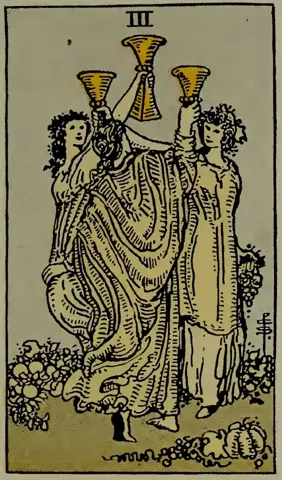
A shared raising of cups gives the source an image of completion and merriment.
Western Tarot symbolism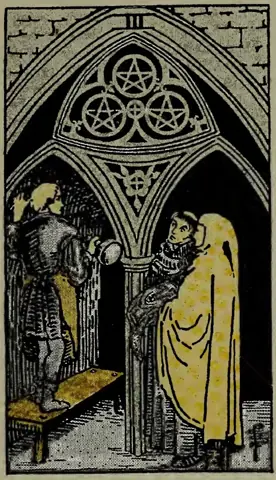
A monastery sculptor is explicitly compared with the Eight's earlier stage of work.
Western Tarot symbolism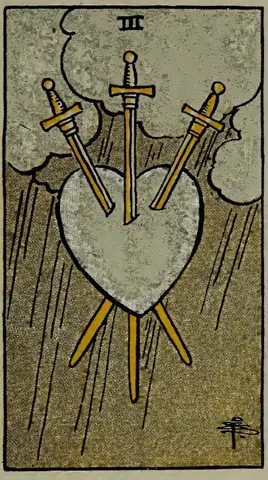
A pierced heart with cloud and rain makes division central to the brief description.
Western Tarot symbolism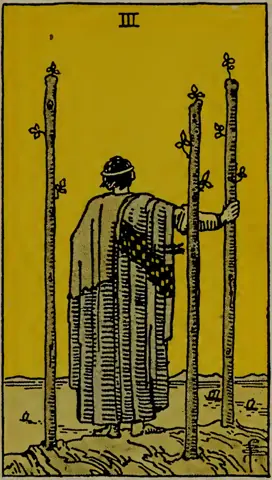
A figure among three planted staves watches ships from a cliff.
Western Tarot symbolismSourceThe paired jewels given to Hoori by the Sea God, said in the story to govern the rising and falling tide.
Japanese mythology, Davis retellingSourceThe gateway whose origin and form Davis discusses through competing interpretations.
Japanese legends, Davis retellingSourceThe New Year vessel of the Gods of Luck and its fortunate cargo.
Japanese legends, Davis retelling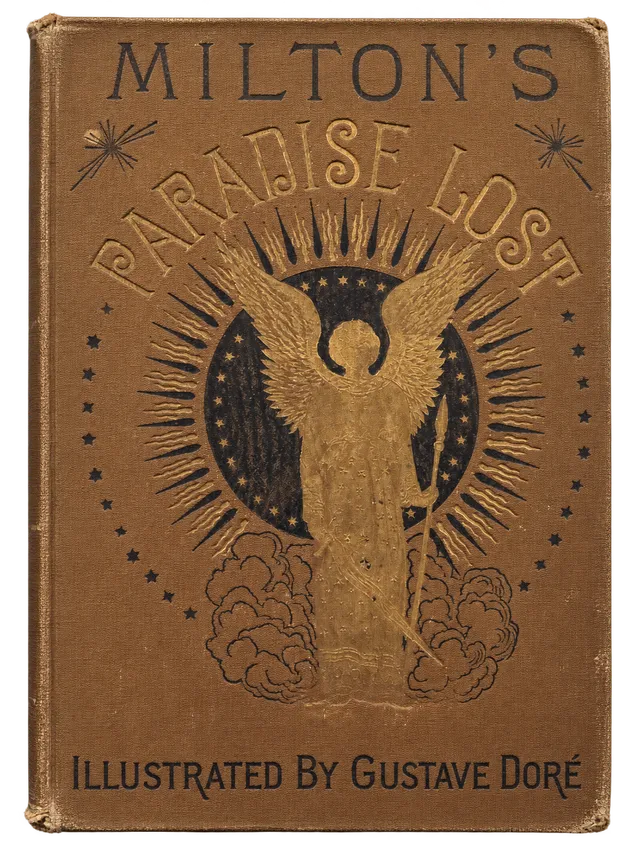 Source
The tree beside life whose knowledge becomes inseparable from the cost of knowing evil.
John Milton, Paradise LostSourceThe garden’s tallest tree, misused by Satan as a lookout.
John Milton, Paradise Lost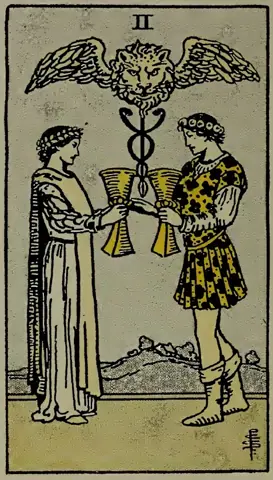
Two figures pledging cups are joined by a caduceus and a winged lion-head emblem.
Western Tarot symbolism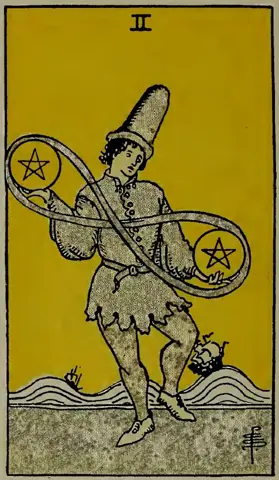
Dancing and an endless cord coexist with a less cheerful list of messages and troubles.
Western Tarot symbolism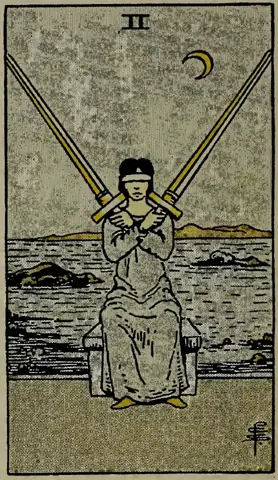
Balanced swords accompany an explicitly qualified account of concord.
Western Tarot symbolism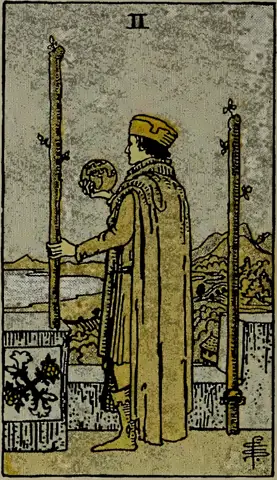
A globe and two staves place a solitary figure above a battlemented outlook.
Western Tarot symbolismSourceA funerary emblem of the helping gesture of Horus.
Historical talisman traditions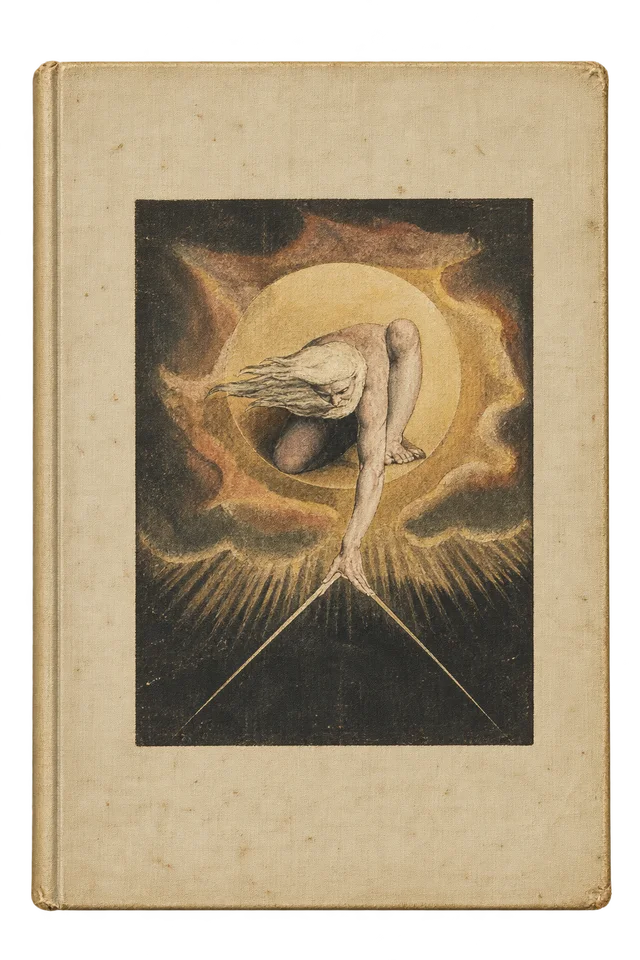 Source
An immense book associated with Urizen becomes an image of authority copied on Earth by kings and priests.
William Blake’s illuminated mythology in Europe: A ProphecySourceSmall funerary figures that answer the deceased person’s summons to work.
Egyptian funerary religionSourceThe thunderbolt-scepter described as a Tibetan protective emblem.
Historical talisman traditionsSourceMovement held against equilibrium within a changing universe.
Western Tarot symbolismSourceThe tree beneath which the Buddha-elect withstands Mara and attains awakening.
Buddhist traditions, Nivedita and Coomaraswamy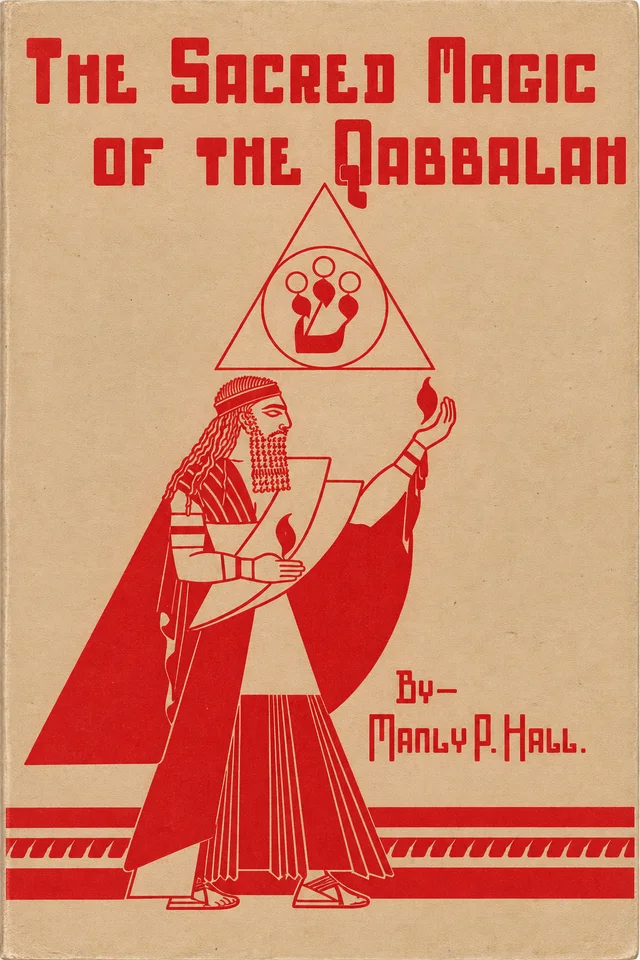 Source
Hall treats Hebrew letters as living forces and places them within his interpretation of the sacred word.
Manly P. Hall, The Sacred Magic of the QabbalahShowing 167 of 167 entries