A king and cultural patron
Kalākaua was elected king by the Hawaiian legislature in 1874. His reign included the building of the present ʻIolani Palace and an 1881 journey around the world. He composed songs and supported Hawaiian traditions, including hula, as foreign economic and political influence grew within the kingdom.
In 1887 opponents forced him to accept the constitution commonly called the Bayonet Constitution, restricting royal authority. He died in 1891 and was succeeded by his sister Liliʻuokalani. His cultural patronage belongs to this wider history of a monarchy seeking to sustain Hawaiian identity and sovereignty under increasing pressure.
A collection with many contributors
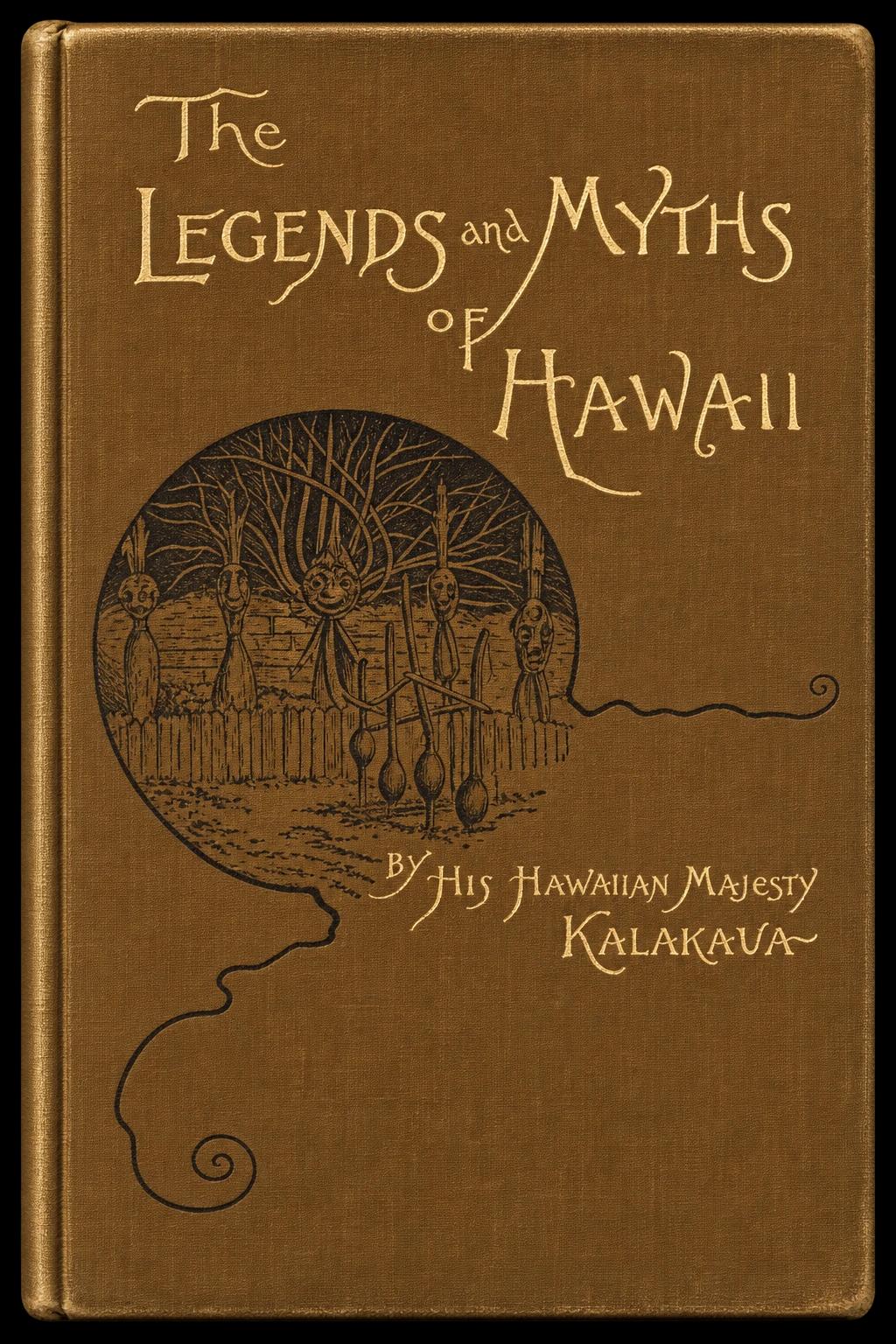
The Legends and Myths of Hawaii was published in New York by Charles L. Webster in 1888. Its title credits Kalākaua while separately naming R. M. Daggett as editor and author of the introduction. The preface acknowledges material from Liliʻuokalani, Abram Fornander and other contributors. Royal attribution therefore does not mean that every narrative originated with one person.
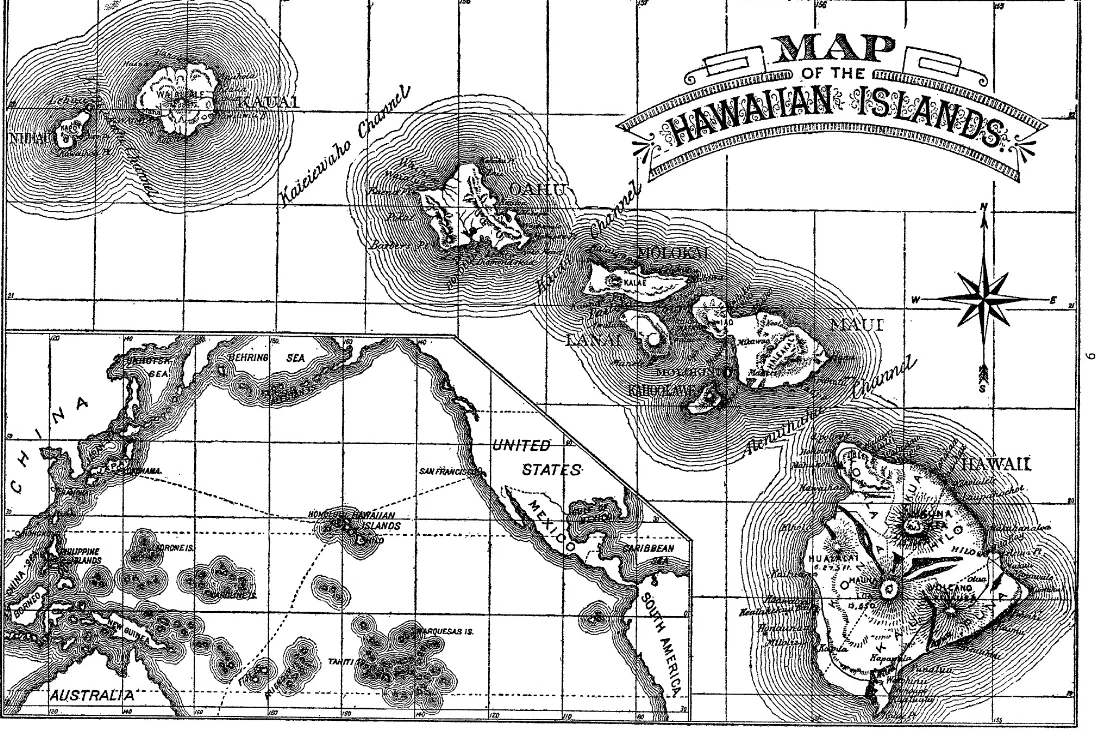
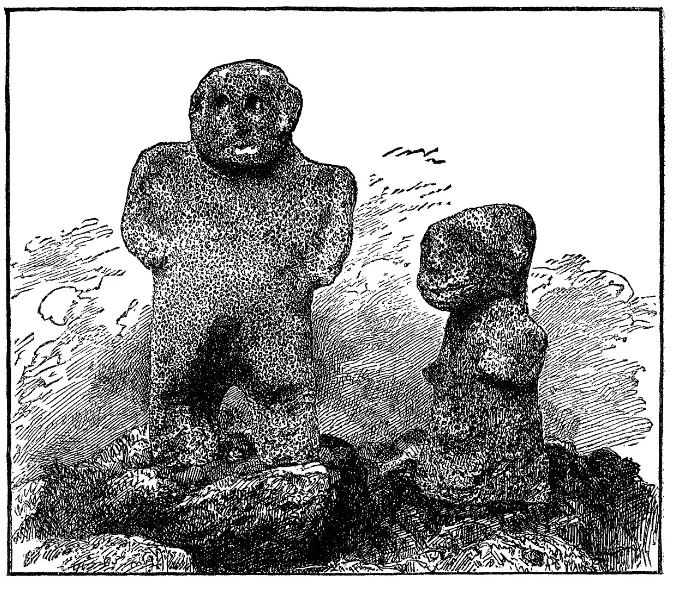
The volume brings genealogies, rulers, battles, love stories and divine figures into an English literary presentation. Place names and objects keep individual stories attached to Hawaiian landscapes and traditions, while Daggett’s broad historical comparisons supply a different interpretive frame. The edited collection preserves one form of that inheritance; its introductions and arrangement also show how it was being presented to an international reading public.