Discover historical illustrations by subject, artist and book.
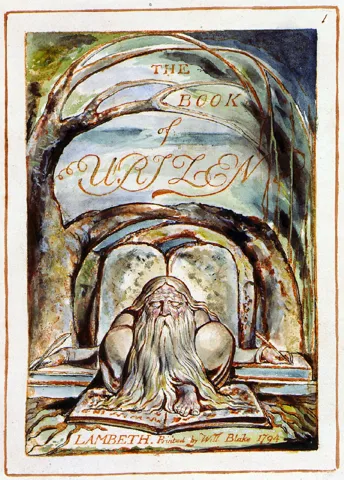
Creation and rebellion in Blake’s illuminated plates.
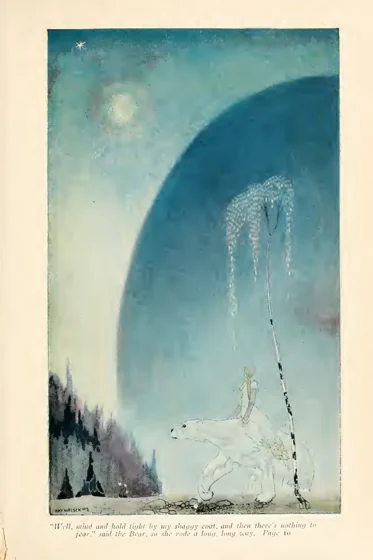
Norwegian fairy tales illustrated by Kay Nielsen.
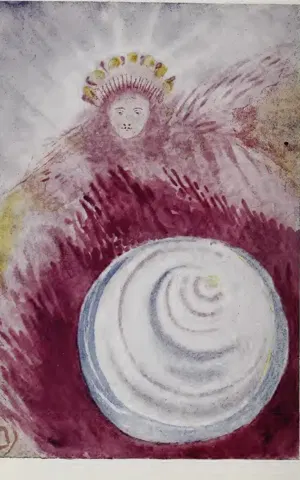
Four colour drawings from a 1908 Gnostic text.
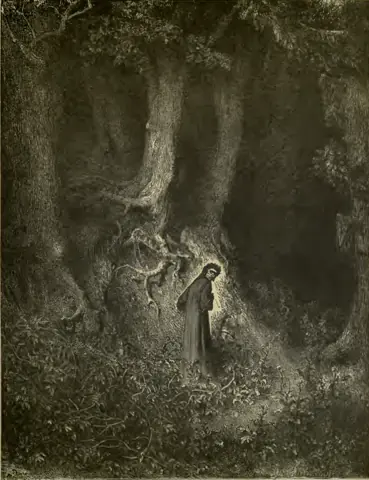
From the dark wood to Paradise with Gustave Doré.
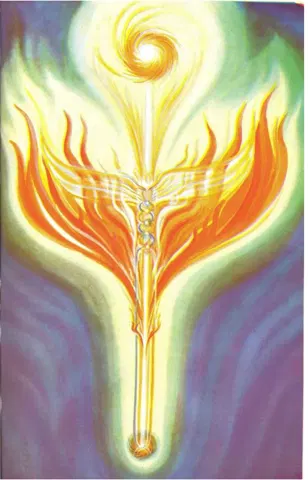
Ethelwynne Quail’s visions of the spirit world.
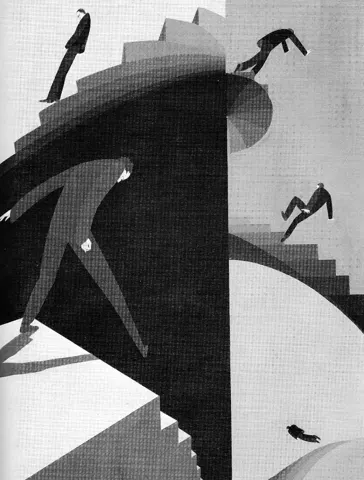
Art Deco studies of fear by John Vassos.
58 illustrations
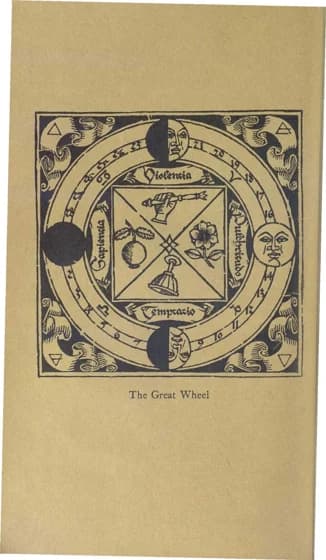
A ring of changing moons surrounds a four-part interior containing small symbolic figures.
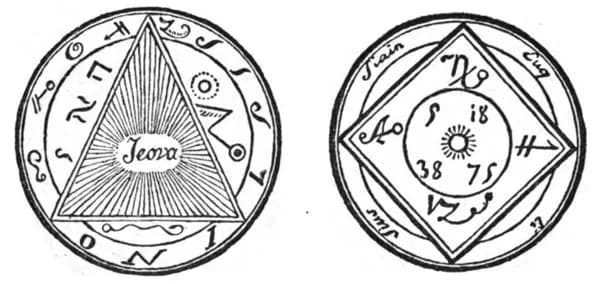
A radiant triangle inscribed Jeova fills one circular design; a square and central solar form organise the other.
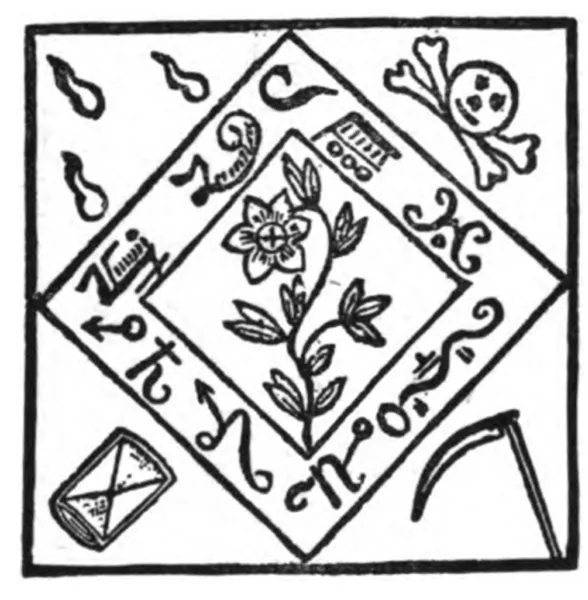
A flowering stem occupies a diamond inside a square, with letters and small emblems in the surrounding compartments.
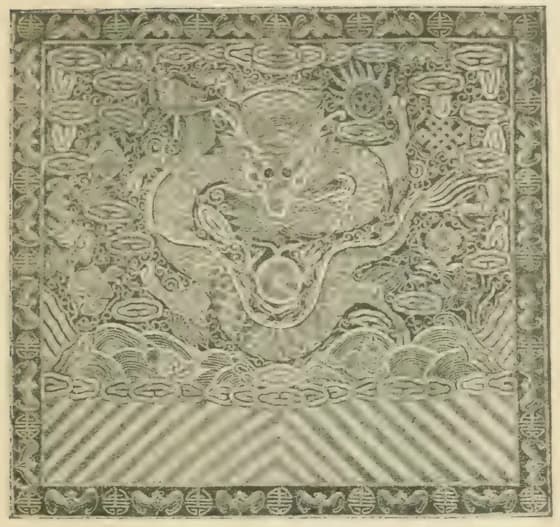
A dragon fills a square textile panel above waves and dense ornamental patterns.
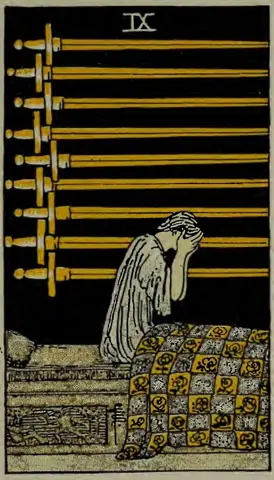
A figure sits upright in bed with hands covering the face beneath nine horizontal swords.
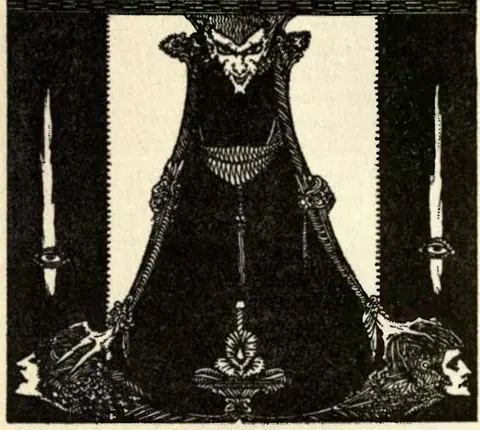
A broad-robed figure spreads its arms above two pale faces.
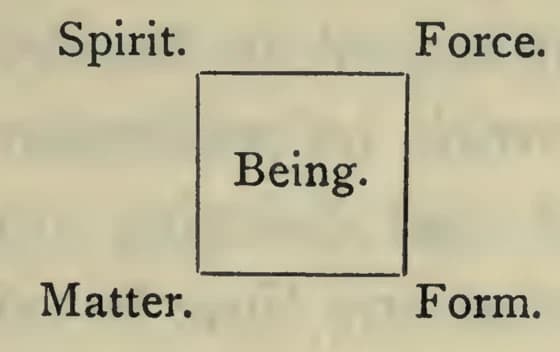
A small square labelled Being stands between Spirit and Force above, Matter and Form below.
Two standing figures handle ropes as a third emerges from a square opening among ruined walls and broken columns.
Patterned beads surround smaller pendants, including a hand, a scarab-like form and a square object bearing a face.
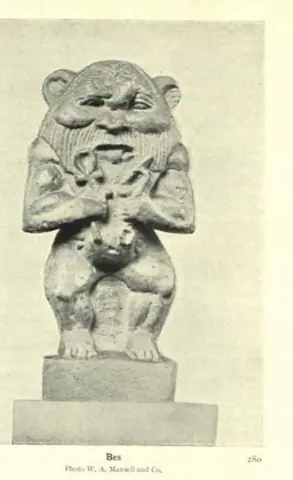
A compact frontal figure stands with bent legs beneath a broad face and open mouth.
An upright hand displays squared fingertips, a broad palm and a strong thumb extending to the side.
Concentric bands of divine names enclose a square whose sides are marked with Latin names for the compass directions.
A spiral centre lies within a small square surrounded by dense concentric bands of signs and letters.
A six-by-six grid of numbers appears above two contrasting linear signs.
A nine-by-nine number grid fills the upper portion of a tall comparative diagram.
A five-by-five number grid stands above a looping sign with circular terminals and a more angular device beside it.
A seven-by-seven number grid fills the upper field above two small linear devices.
Nine numbers occupy a three-by-three grid above two linear signs with small circular terminals.
The question of a missing dog is written beneath a square horoscope dated 29 August 1646, 5 p.m.
A hexagram encloses a square of letters within interlaced circular bands.
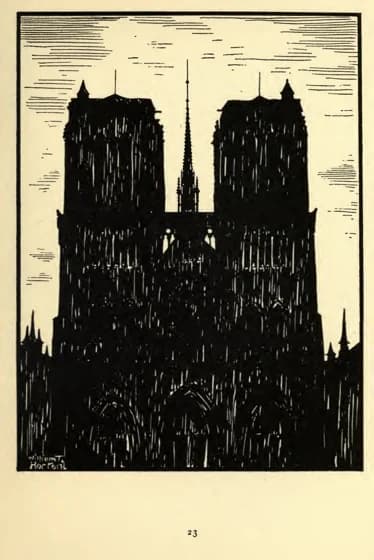
Two massive square towers stand on either side of a thin central spire.
Two square charts are divided into triangular houses around a central field.
Point patterns fill the triangular houses of a square chart, with planetary signs added beside them.
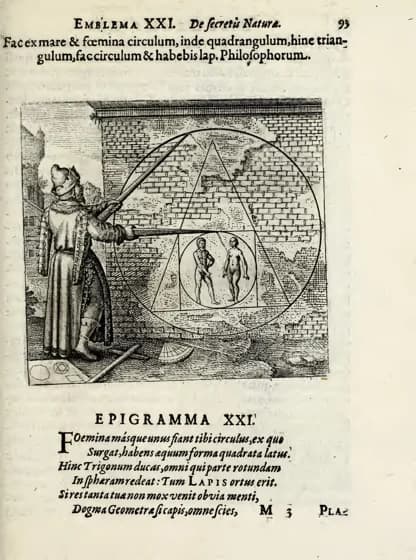
A robed geometer uses long compasses against a brick wall covered with nested shapes.
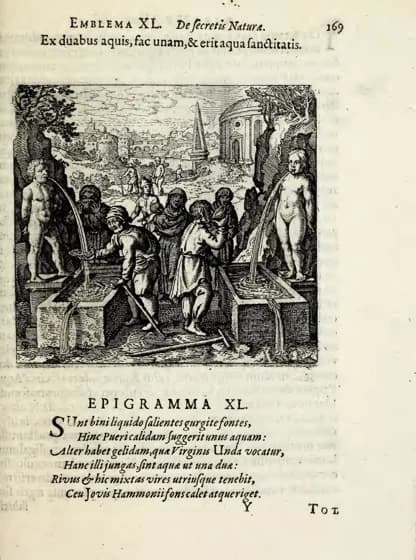
Two attendants bend over separate square basins beneath statues of a man and woman.
A bird with a long curving neck stands within a pale crowned vessel set in a formal niche.
Three groups of number squares and line-based seals occupy the page beneath the corresponding planetary signs.
Small square plaques alternate with tubular fittings and hanging loops along a curved silver necklace.
A central square names John Heydon and gives his London birth information.
A standing figure extends both arms inside a circle, square and large triangle.
Two tall pillars frame a black-and-white pavement with a central star and the letter G.
An oval design contains two architectural compartments above a round medal showing a sunlit mountain.
A large circular field encloses several small temple and lodge designs beneath the heading Speculum of Wisdom.
An inscribed ornamental heading sits above a small six-pointed star and a formal dedication.
A standing man extends both arms across a square frame intersected by diagonal lines.
A man with arms stretched above his head stands at the centre of a square crossed by diagonals.
Straight lines form triangles, squares and crossing chords within two circular fields.
A square temple-like enclosure lies within a broad circular field above a mountain landscape.
Four separated square layers carry numbers within a projected cubic framework.
Small cubes and intersecting clusters are arranged beside triangular, polygonal and square sections.
Several complete and partly filled squares combine repeated letters and reversed sequences.
Six numbered arrangements range from full squares to narrow L-shaped borders.
Complete and interrupted squares place letters along borders, diagonals and small inner corners.
Six outlined fields contain letters grouped into corners, borders and smaller internal squares.
A standing man extends both arms across a square grid filled with measuring lines and diagonal chords.
A human figure spreads its arms and legs within a shaded circle and a large square grid.
An opened rectangular box exposes a small mechanism under the lid and a broad flap extending from one side.
Several riders gather outside a square stone tower beside a castellated wall.
48 of 58 shown
 27 plates
 22 plates
 4 plates
 24 plates
 10 plates
 10 plates