An amateur observer builds a community
Born in 1873, Olcott grew up in Norwich, Connecticut, and trained as a lawyer. His sustained interest in astronomy began in 1905 after a friend pointed out constellations. Accessible books followed, including A Field Book of the Stars. Hearing Edward C. Pickering speak about variable stars in 1909 gave this enthusiasm a more specific scientific direction.
He began sending observations to Harvard College Observatory in 1910. The following year he appealed to other amateurs, offering practical guidance, charts and a way of pooling their records. This correspondence developed into the American Association of Variable Star Observers. Organising meetings and preparing observations for publication accompanied his own observing and popular writing. He died in 1936, leaving an institution built around the contribution that many modest instruments and patient observers could make together.
The Sun as a focus for collected stories
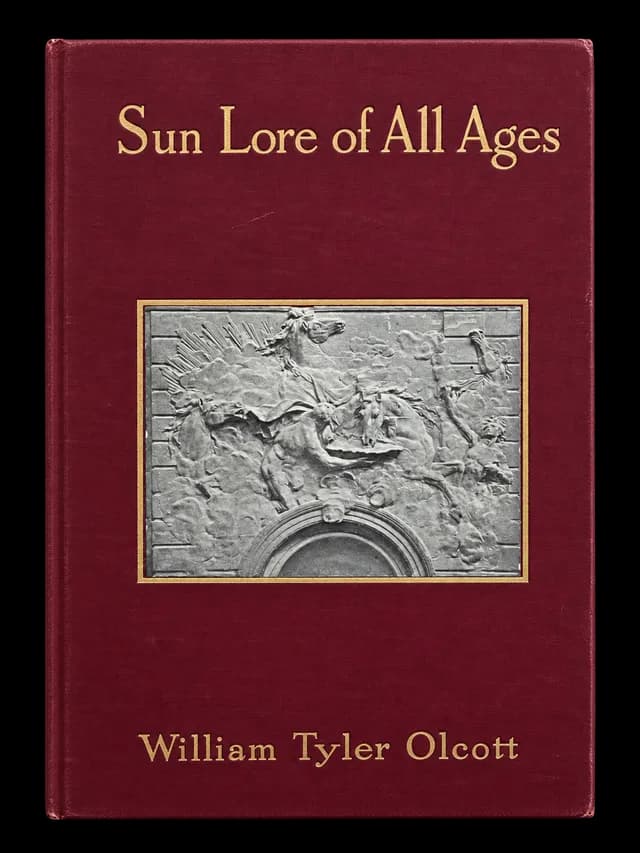
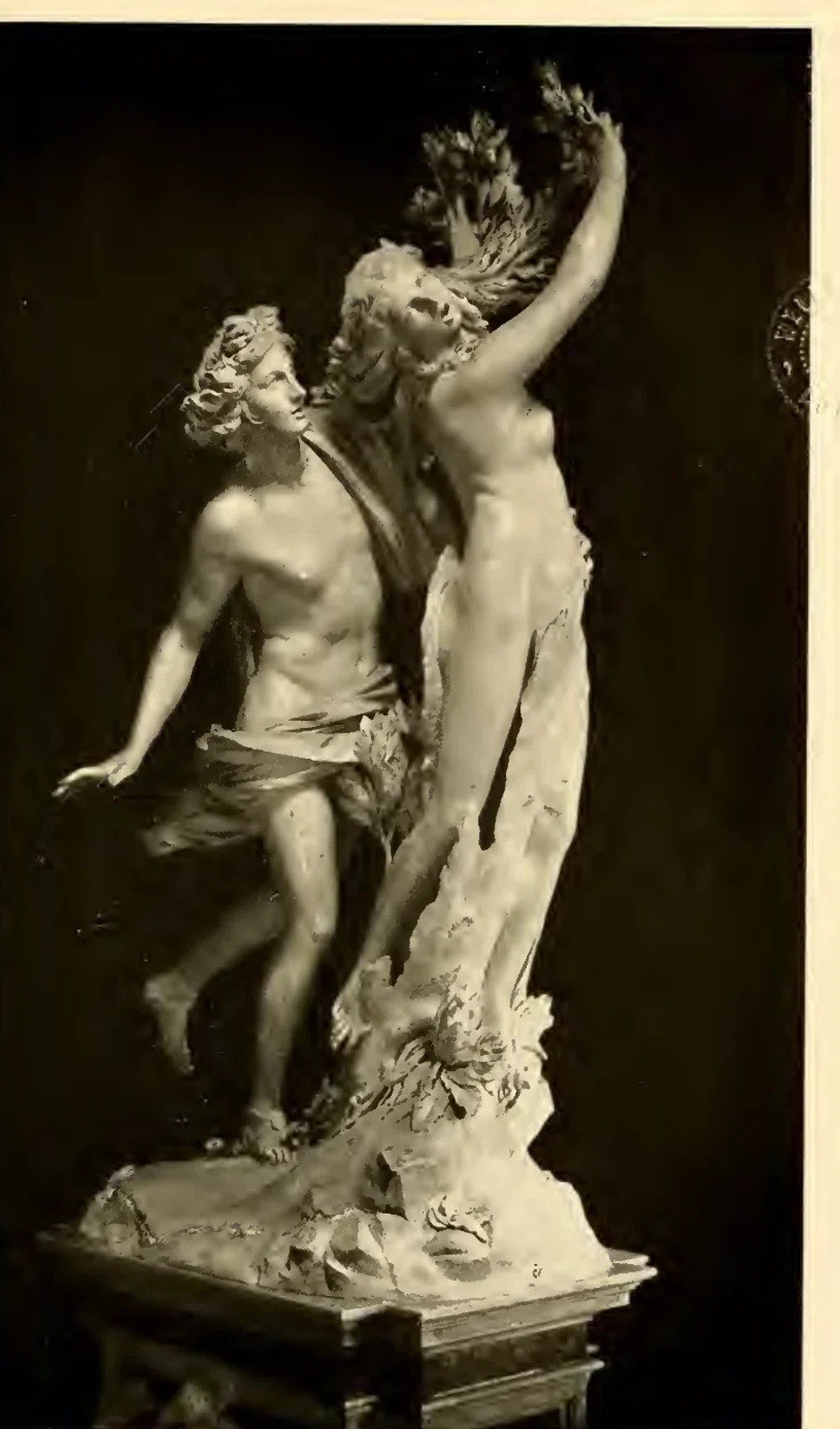
The held Sun Lore of All Ages was published by Putnam in 1914. Its introduction explains that material encountered while preparing an earlier work on star lore led to a separate collection about the Sun. Creation stories, solar worship, Apollo and animal emblems become parts of its broad comparative arrangement.
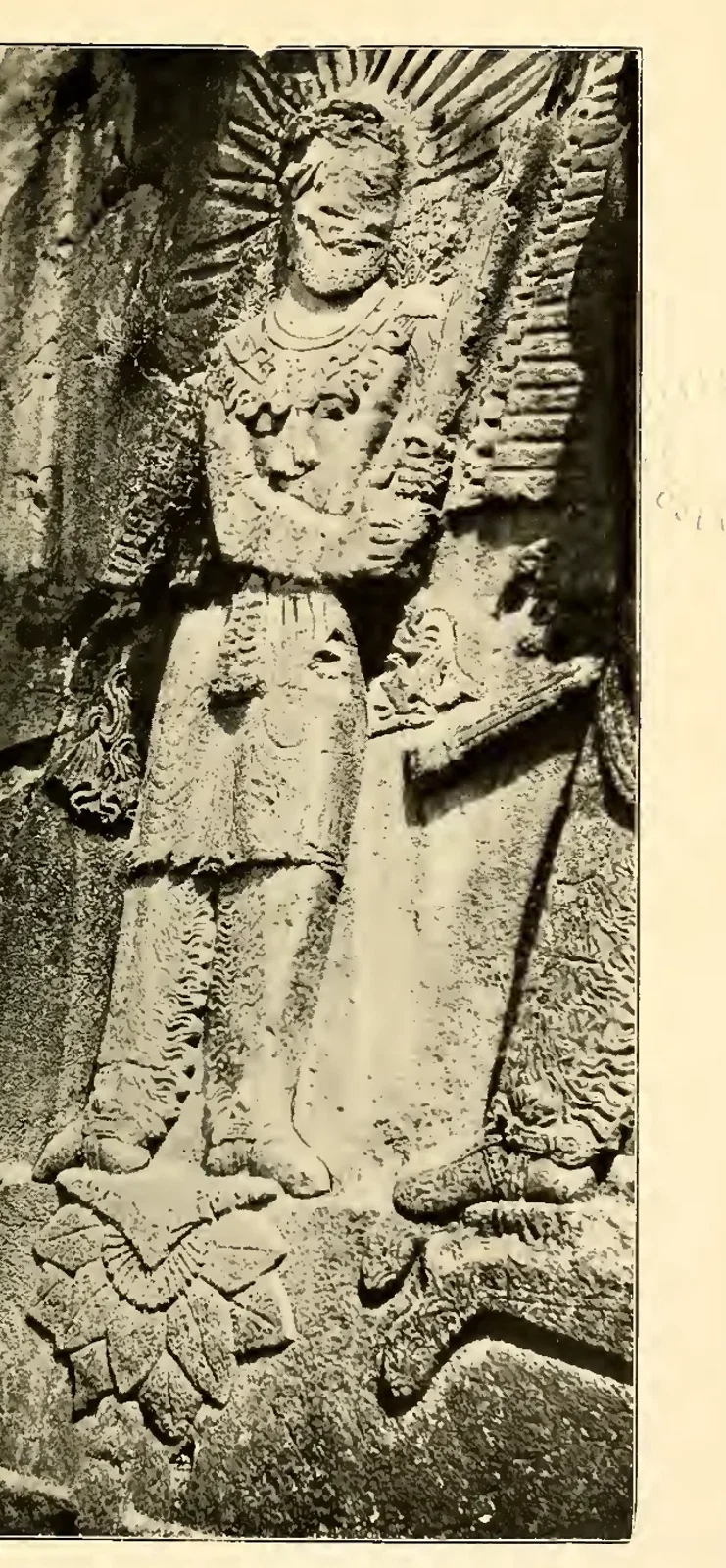
The method makes recurring responses to light, darkness and origin readily visible. It can also draw traditions together more tightly than their original settings justify. Olcott’s language of cultural development reflects the period’s hierarchies, while individual citations and illustrations offer routes back towards more particular contexts. Following one named story, authority or pictured object helps distinguish the collected material from the compiler’s larger pattern, preserving the variety within an apparently universal subject.