From art training to a school of photography
Born in Park City, Utah, in 1897 to Danish immigrant parents, Mortensen grew up partly in Salt Lake City. Army service near the end of the First World War preceded study at New York’s Art Students League. Teaching and illustration formed part of his early working life before Hollywood portrait photography became a major occupation.
He later established a photography school and studio at Laguna Beach. Staging, combination printing, retouching and altered surfaces helped him produce images that resembled graphic art as readily as conventional photographs. Books and teaching carried these methods to a broad audience. His defence of constructed pictorial images brought conflict with advocates of other photographic approaches, including Ansel Adams. He died in 1965; later museum collections and historical reassessment restored attention to an artist whose standing had declined.
A picture’s purpose before its equipment
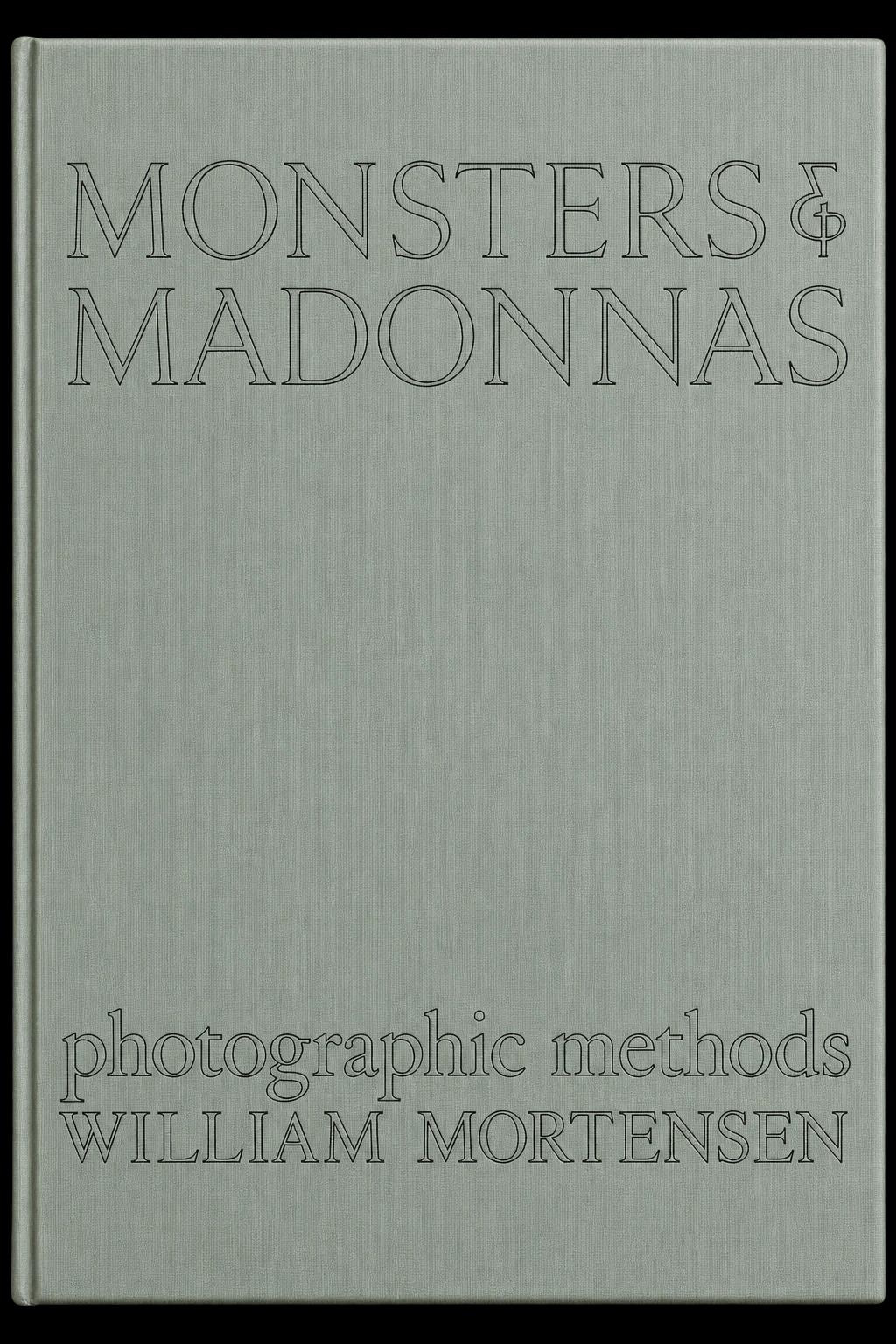
Monsters and Madonnas distinguishes the mechanical basis of photography from the expressive work of making a picture. Its opening criticises the use of equipment and technical comparison as substitutes for artistic decisions. The accompanying account of selection acknowledges discarded exposures and pictures that ceased to satisfy the maker.
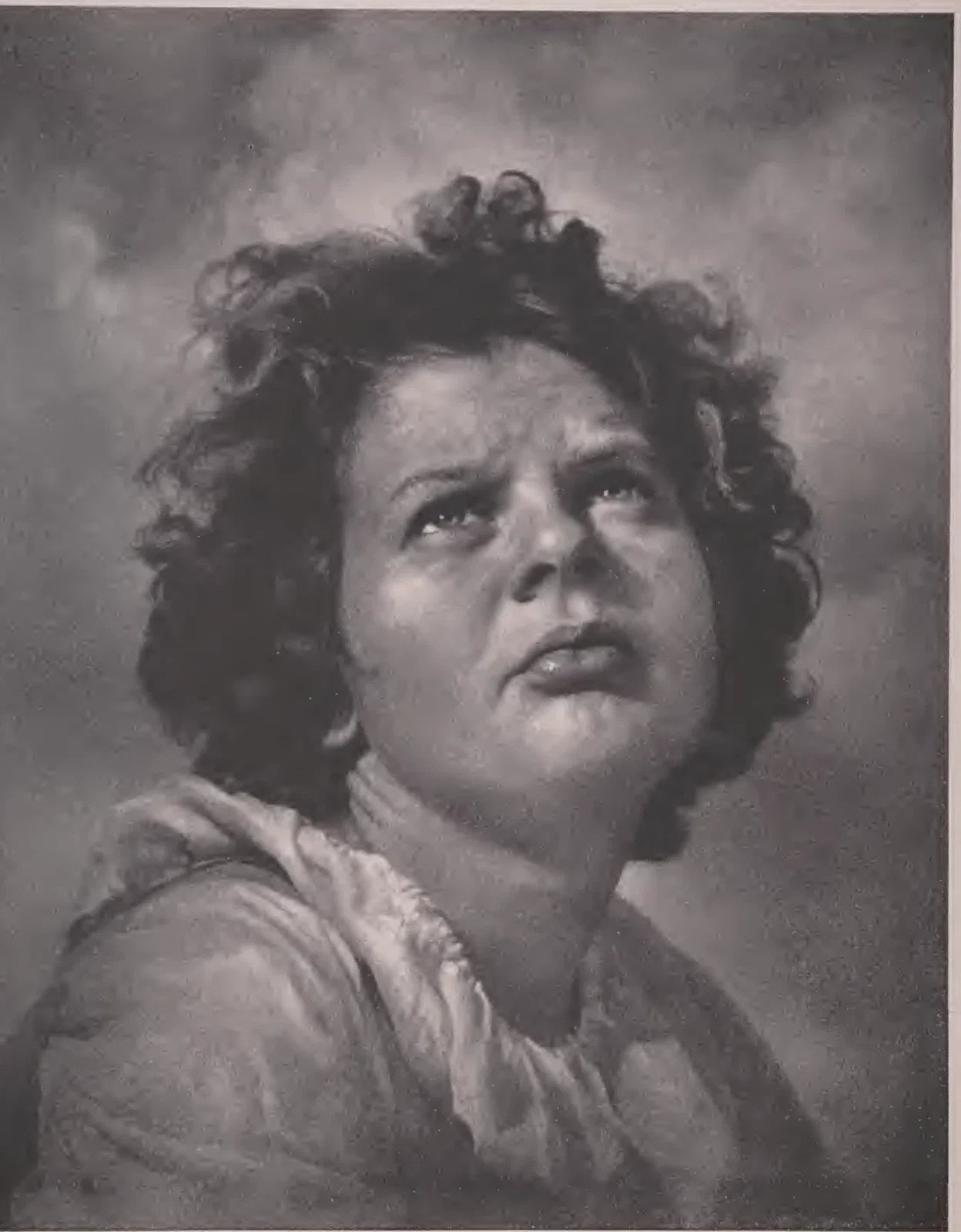
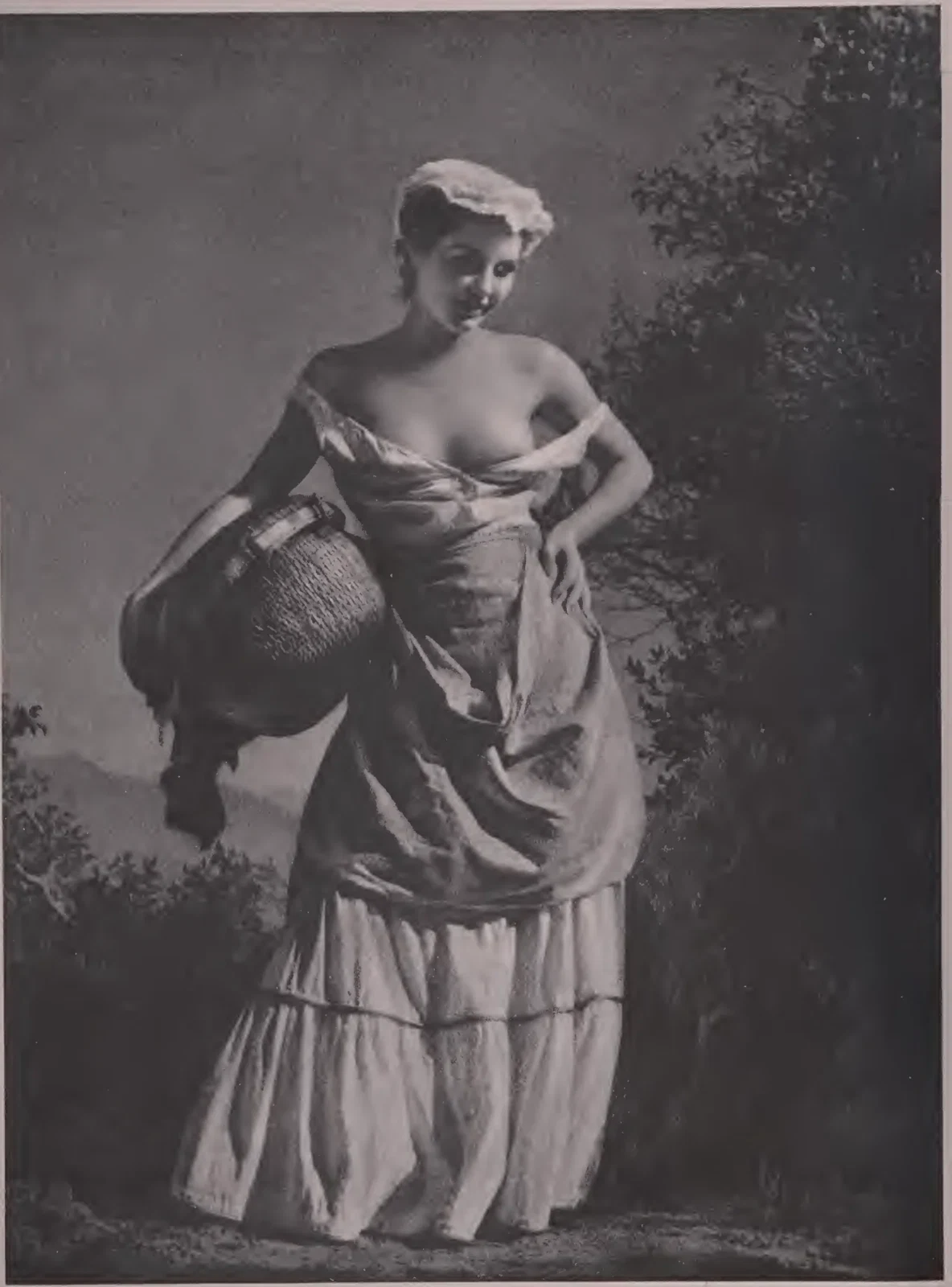
The inspected photographs include an upward-looking child and a posed woman whose drapery and vessel organise the composition. Direction of gaze, distribution of light and the shape of a body communicate before a technical explanation is given. Mortensen’s commentary then proposes how those effects should work. Comparing his account with the picture allows the reader to assess a particular artistic choice, while keeping his polemical judgments recognisable as the position of a photographer arguing for his own practice.