Life and career
William Elliot Griffis first met Japanese students at Rutgers in New Jersey. In the early years of the Meiji era he accepted an invitation to teach in Fukui. The move took him from an American college to a former castle town whose leaders were adapting their schools to a changing system of government. He later taught science in Tokyo before returning to the United States.
Griffis became a Congregational minister, but Japan remained a lifelong occupation. He collected letters, photographs and accounts from people who had taken part in the changes he witnessed. The collection at Rutgers preserves this material alongside his manuscripts. It records an exchange that began with Japanese students travelling to America and continued through his teaching and friendships in Japan.
Work and ideas
The Mikado’s Empire, published in 1876, combined a history of Japan with recollections of Griffis’s years there. Later books addressed religion, biography and the education of younger readers. His position changed across them. A teacher recalling his own classroom could write from direct experience, while a reteller of traditional stories depended on what others had told, written or drawn.
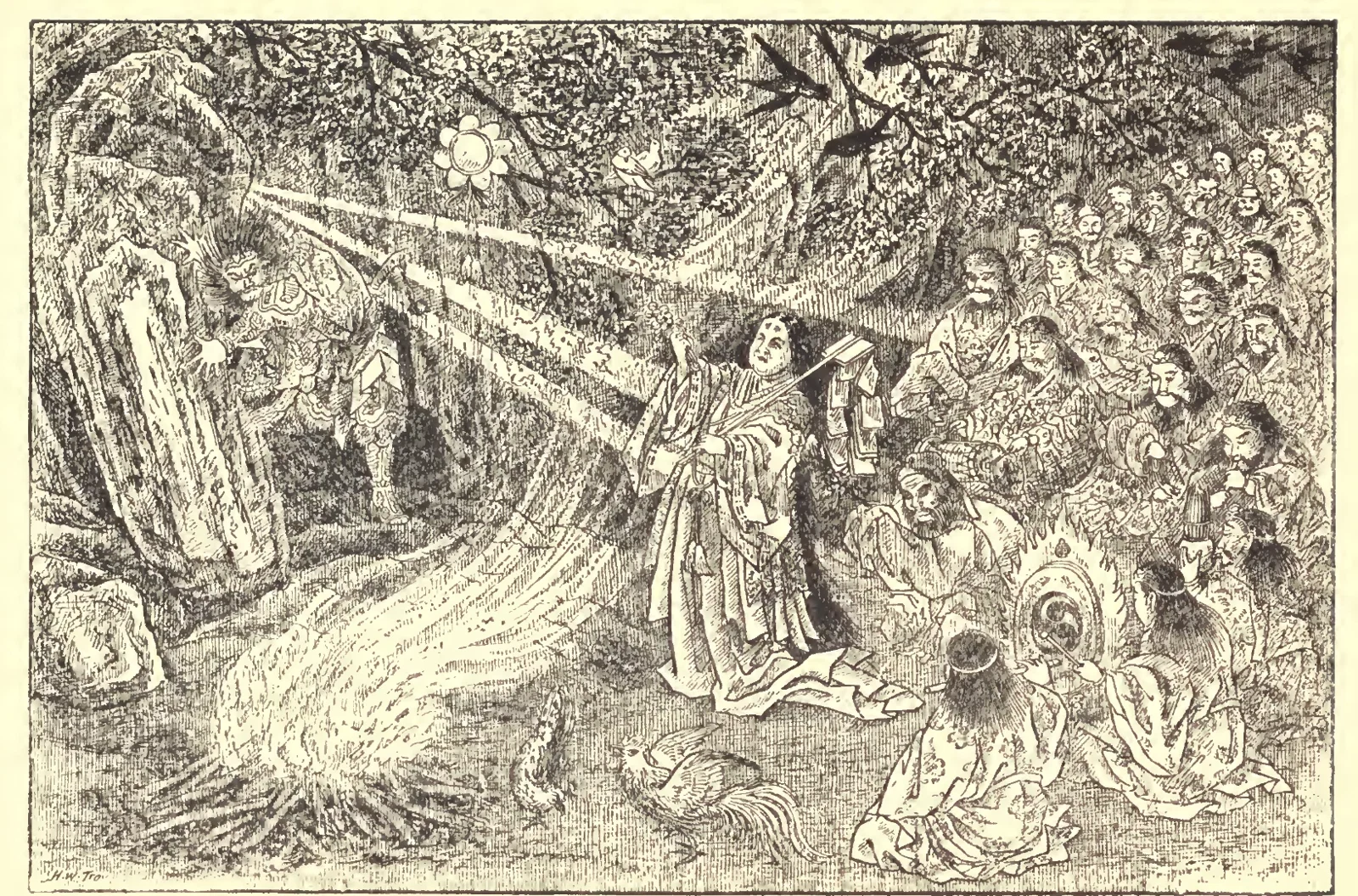
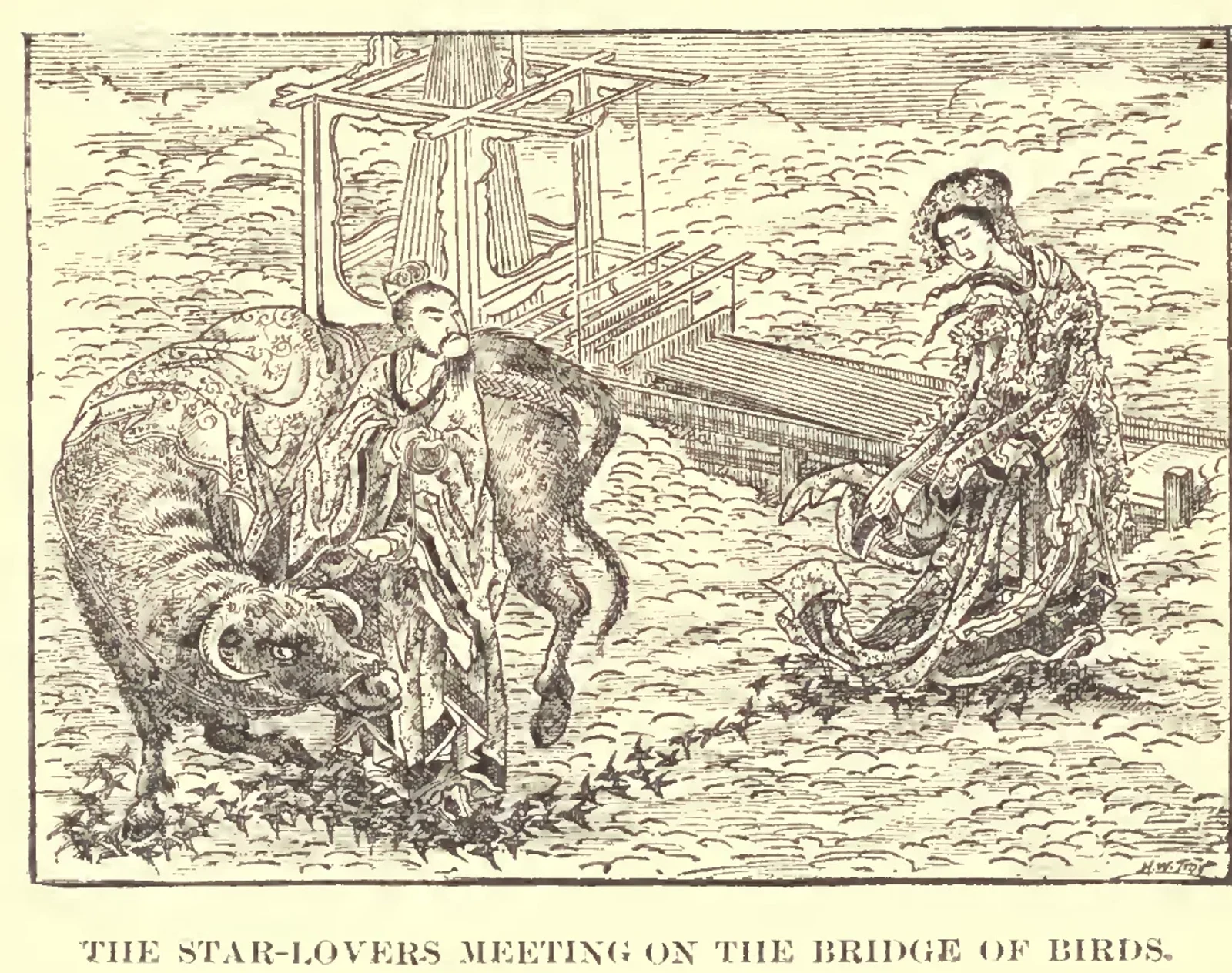
In the preface to his fairy tales Griffis acknowledged that dependence. He credited drawings by Ozawa Nankoku, identified a picture of Yorimasa as a student’s work and named the engraver Henry W. Troy. The illustrated volume thus preserves traces of the Japanese artists and pupils whose work reached American readers alongside Griffis’s English prose.