Building and the search for a different society
Garver was born in Martinsburg, West Virginia, in 1867. His family moved to Kansas and then Fulton, Missouri, where he attended school and Westminster College. Working with his uncle, architect Morris Frederick Bell, brought him into building design and the management of a telephone exchange. In 1890 he went to the cooperative colony at Topolobampo, Mexico, an experiment that made social reform part of his own experience.
After returning, he supervised work on the University of Missouri’s new quadrangle and attended the 1893 World’s Parliament of Religions in Chicago. Architectural practice continued alongside writing and political activity. He published socialist pamphlets and stood for governor of Missouri as the Socialist Party’s candidate in 1908. His later life included residence in Springfield and Tulsa. He died in 1953; the State Historical Society of Missouri preserves his manuscripts, political writings, correspondence and family material.
The novel and its brotherhoods
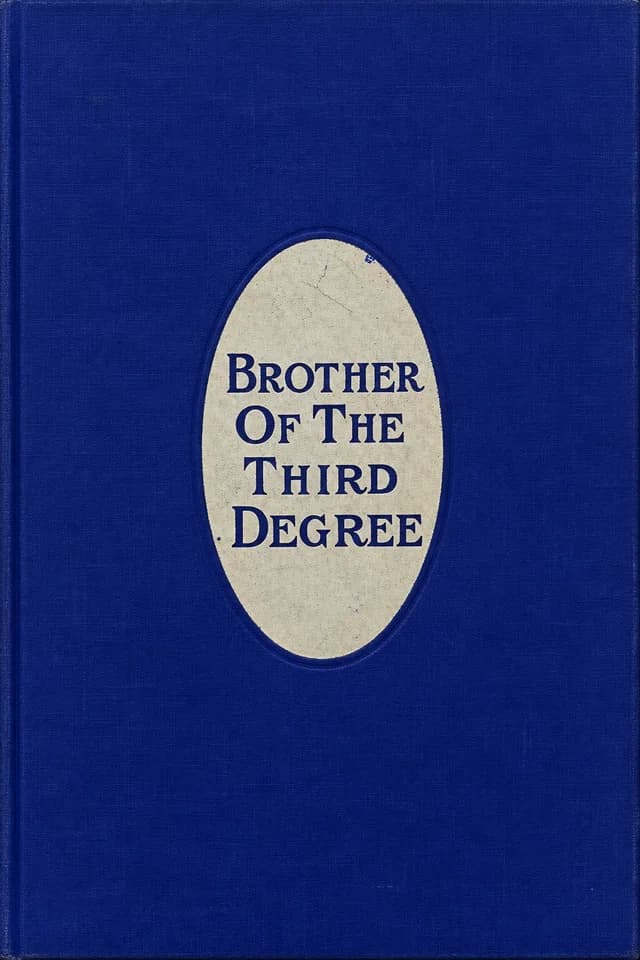
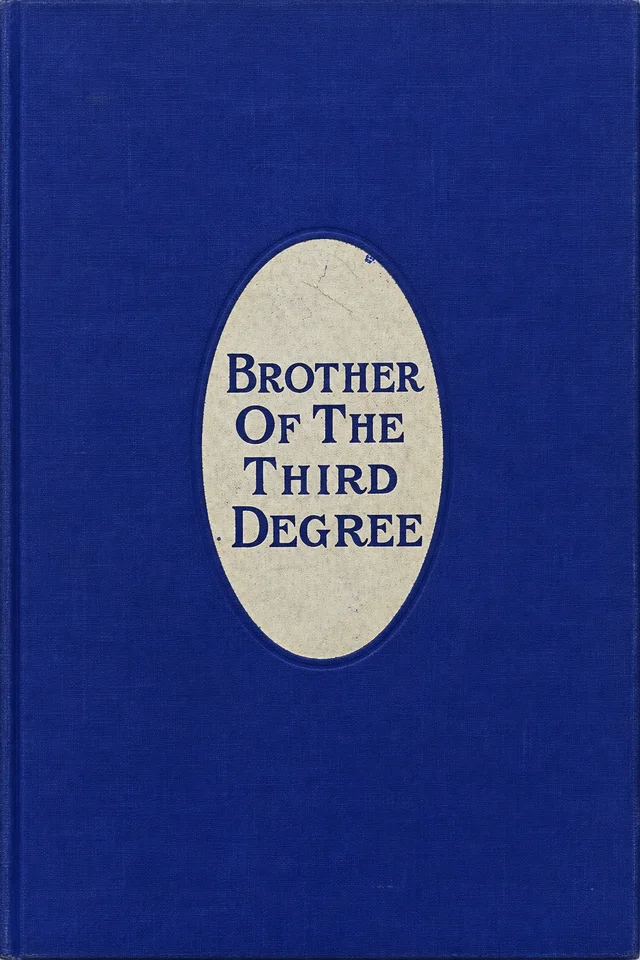
The held title page dates Brother of the Third Degree to 1894 and names the Arena Publishing Company of Boston. Its opening narrator, Alphonso Colono, is a Mexican of Spanish descent born in Paris. His parents’ learning and mysterious education prepare the way for his own encounters with hidden teachings. The narrative moves through love, trials, rival brotherhoods and the intervention of initiates in political events.
Garver makes initiation a test of conduct as well as an encounter with extraordinary powers. The story imagines a struggle over how knowledge should be used and what sort of social order it should serve. Its figures and vocabulary draw on the Theosophical and occult interests of the period, while the plot expands into European conflict and the possibility of a transformed future. The author’s brief preface expressly separates the views expressed in the novel from responsibility on the part of the societies and individuals it mentions. It is an imaginative treatment of esoteric ideals, rather than a factual record of secret control over history.