Life and career
Meinhold grew up on Usedom, the Baltic island where his father was a pastor. He entered the ministry himself. Before he became known outside Germany for The Amber Witch, he published descriptions of Rügen and Usedom and a volume of humorous travel writing. The landscape, churches and local speech of the island were familiar to him long before he turned them into the setting of a supposed historical manuscript.
An early version of the story, about a pastor’s daughter in Coserow, encountered the Viennese censor in 1826. Meinhold later reworked it in imitation of seventeenth-century German. Extracts published in 1841 and 1842 attracted the attention of King Friedrich Wilhelm IV, who asked about the manuscript. When told it was fiction, he asked to see Meinhold’s own text.
Work and ideas
In The Amber Witch the apparent author is Abraham Schweidler, a pastor trying to save his daughter from an accusation of witchcraft during the Thirty Years’ War. Meinhold gave this invented witness an editor who explained how he had found the damaged papers in a church. The supposed discovery helped account for gaps in the story and gave readers a reason to trust its surviving fragments.
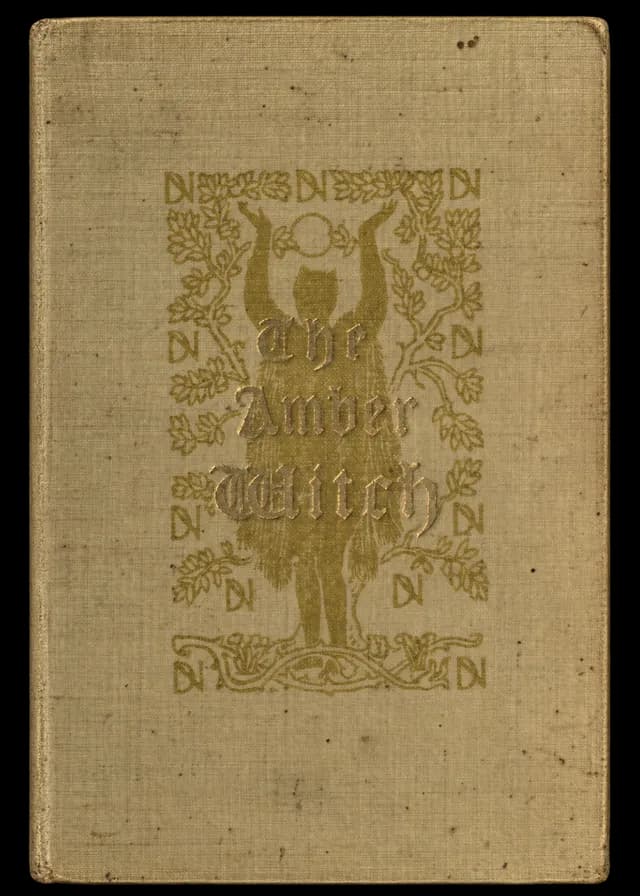
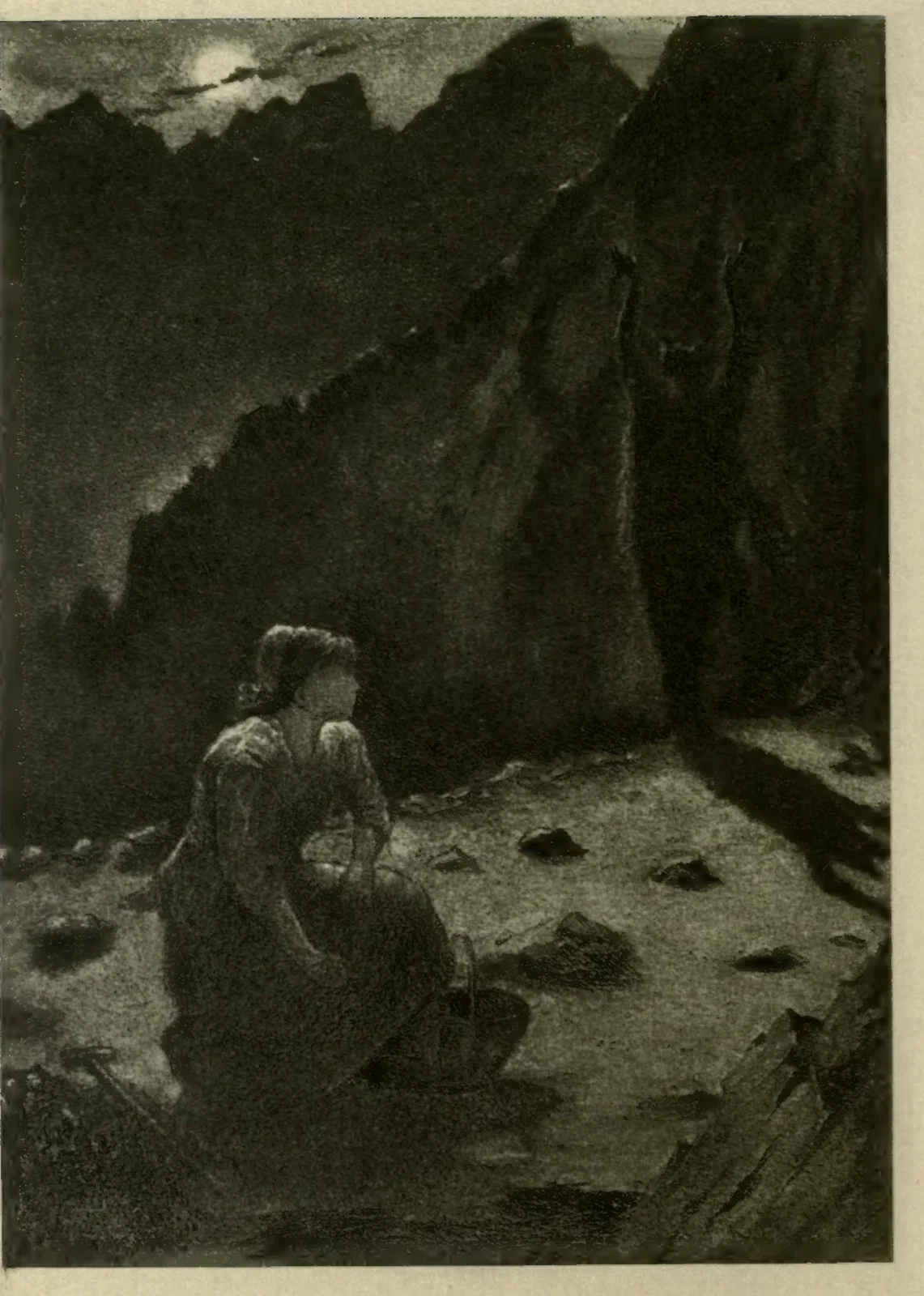
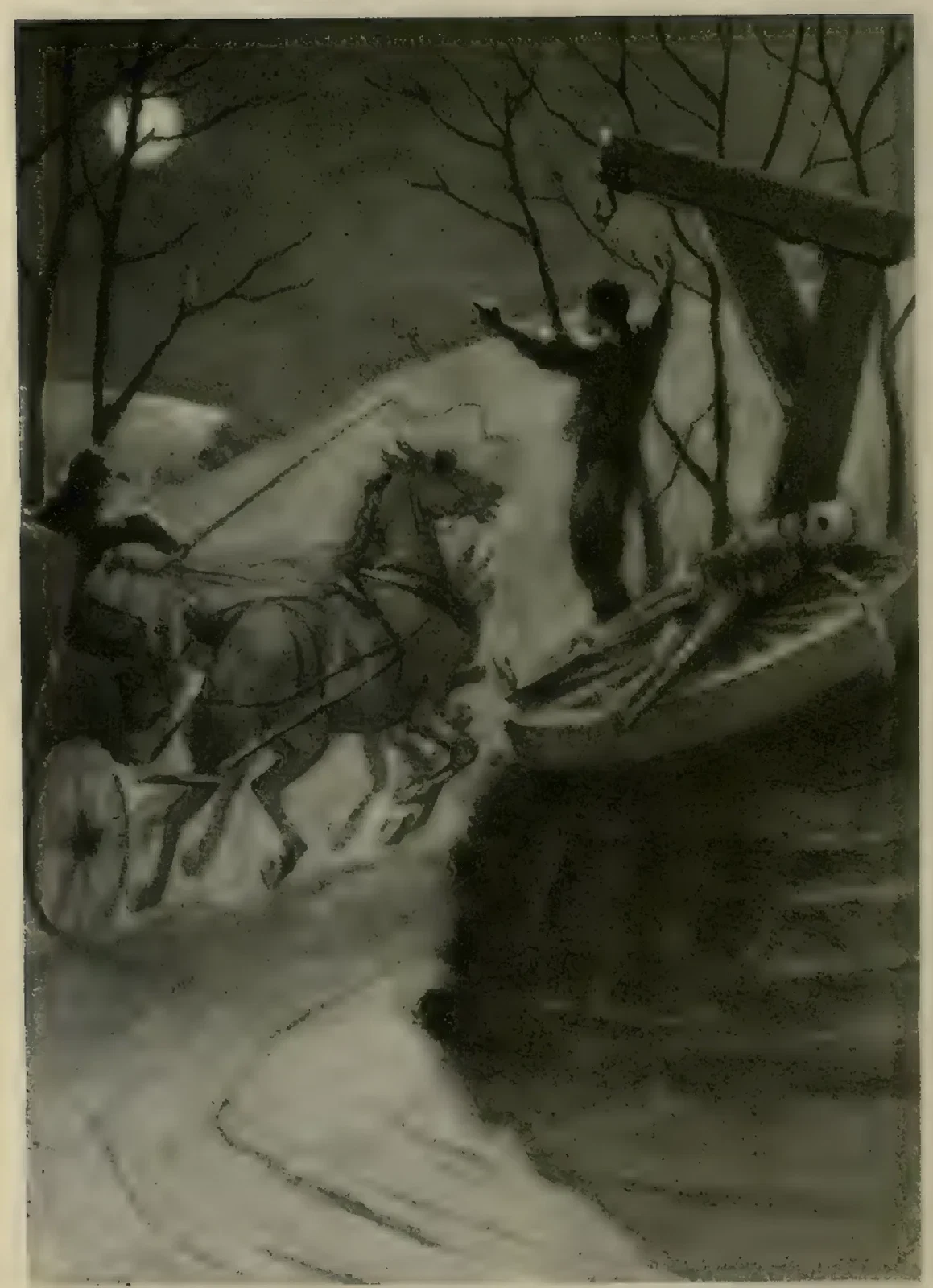
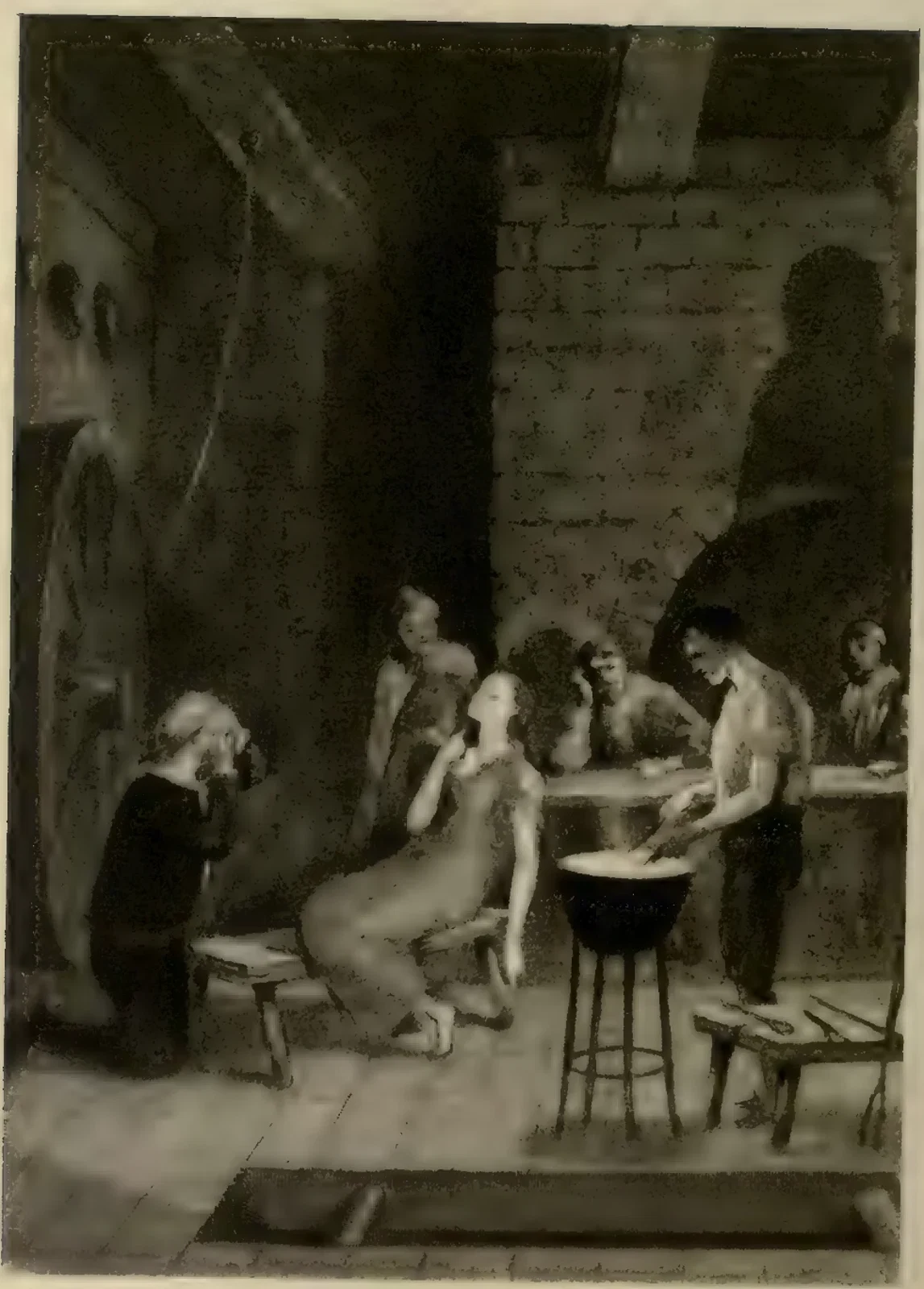
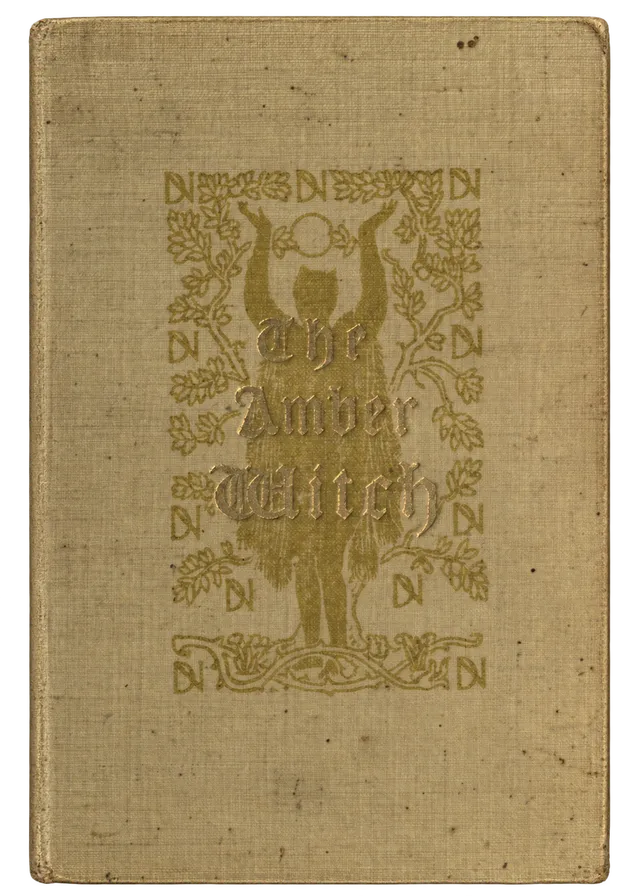
Lady Duff Gordon translated the novel into English. The 1895 David Nutt edition in Lumitheca bears the marks of a further generation of readers: Philip Burne-Jones supplied the illustrations, including an apparition on the Streckelberg. The island of Meinhold’s childhood had become a setting English readers could picture as well as read about.