An occult career with an incomplete personal record
Historical research by Joscelyn Godwin, Christian Chanel and John Patrick Deveney identifies Burgoyne with Thomas Henry Dalton and dates his birth approximately to 1855 from prison records. Their account describes his development as a medium under Max Theon. The familiar story of a Scottish physician’s son roaming the moors belongs to a later account by the Church of Light; the historians caution against accepting that romantic portrait.
Burgoyne became associated with the Hermetic Brotherhood of Luxor, whose public activity emerged in the 1880s. His lessons and The Light of Egypt drew hostile attention from Theosophical writers. An 1892 article in The Path identified him as the book’s author and attacked both its teaching and its commercial circulation. The historians could not establish a death record. Frequently repeated dates of 1894 or 1895 therefore do not provide a secure ending to a poorly documented personal life.
A polemical system of soul and stars
The held George Redway printing of 1889 describes The Light of Egypt as being in two parts. These divisions belong to the early book and should be distinguished from a later second volume. Its preface says that private lessons have been prepared for wider circulation and asserts spiritual authority for their conclusions.
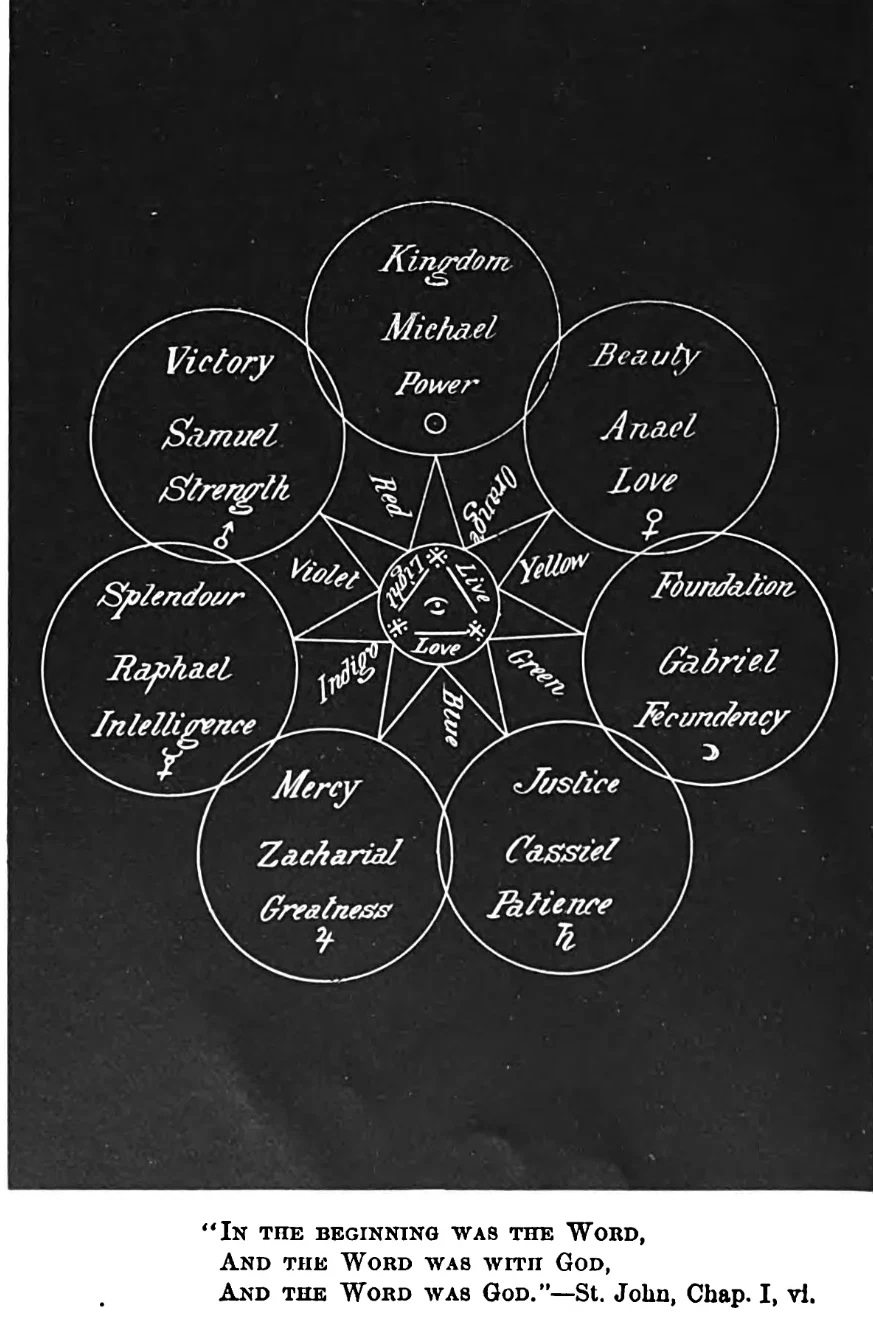
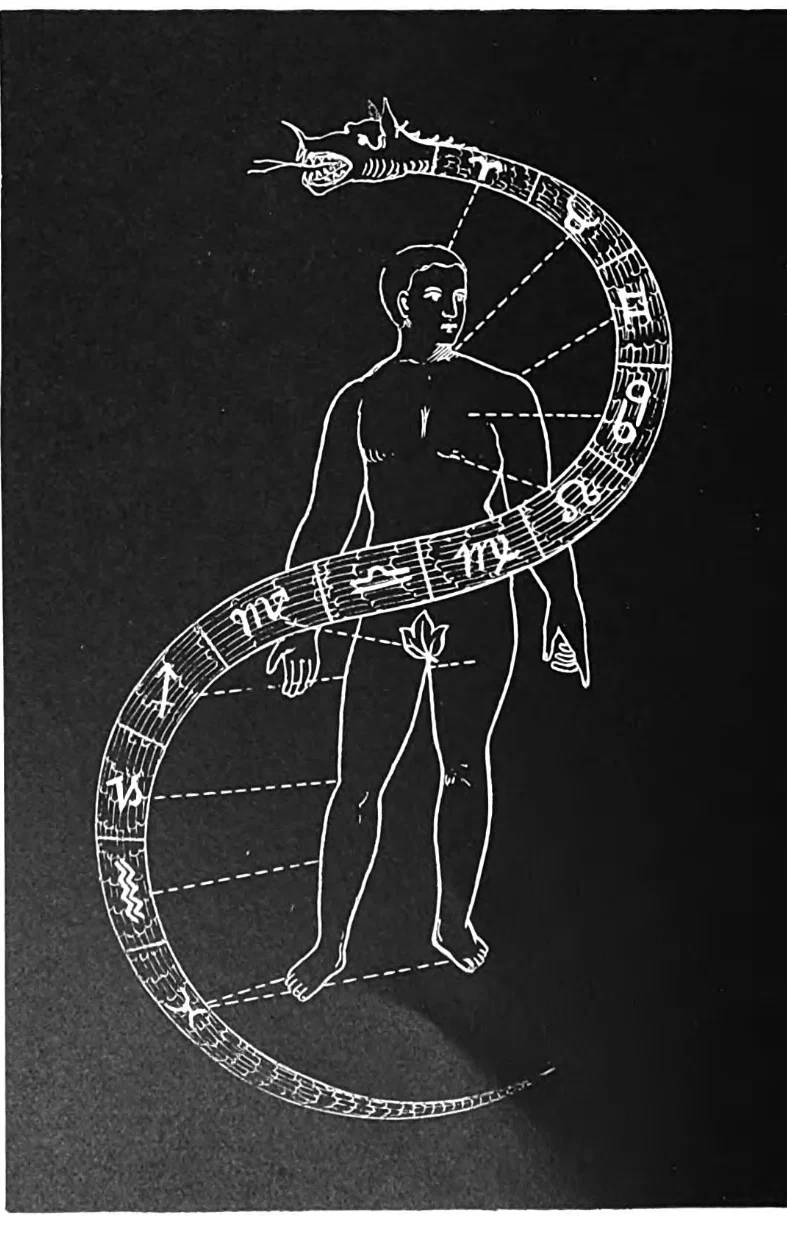
The dedication and preface place a supposedly rising Western race against a supposedly declining Orient. That racial hierarchy shapes the attack on competing accounts of karma and reincarnation. Discussions of spirit, matter, polarity and celestial correspondence then build the proposed occult system. The language of forces and laws supports a metaphysical account whose declared certainty depends on its claimed spiritual source. Reading the argument beside its polemical framing shows how the book joins cosmology with a struggle over who may speak for occult truth.