From Calcutta student to international teacher
Born Narendranath Datta in Calcutta in 1863, Vivekananda studied Western philosophy and history and became involved with the Brahmo movement. His encounter with Ramakrishna at Dakshineshwar developed into a lasting discipleship. His father’s death in 1884 brought financial hardship; after Ramakrishna died in 1886, he helped organise the monastic community at Baranagar.
Travelling through India deepened his concern with poverty and education. His addresses at Chicago’s Parliament of Religions in 1893 led to further teaching in America and Britain. Returning to India in 1897, he founded the Ramakrishna Mission, joining religious teaching with organised social service. Belur became the permanent home of the monastic order. He died in 1902. Books assembled from his teaching helped give this international work a continuing readership.
Action, character and a life of obligations
Karma Yoga begins by considering what actions leave behind in a person: habits, tendencies and the formation of character. The chapter Each Is Great in His Own Place turns to differing responsibilities, including those of a householder. Family, earning and help to others enter the spiritual argument alongside renunciation.
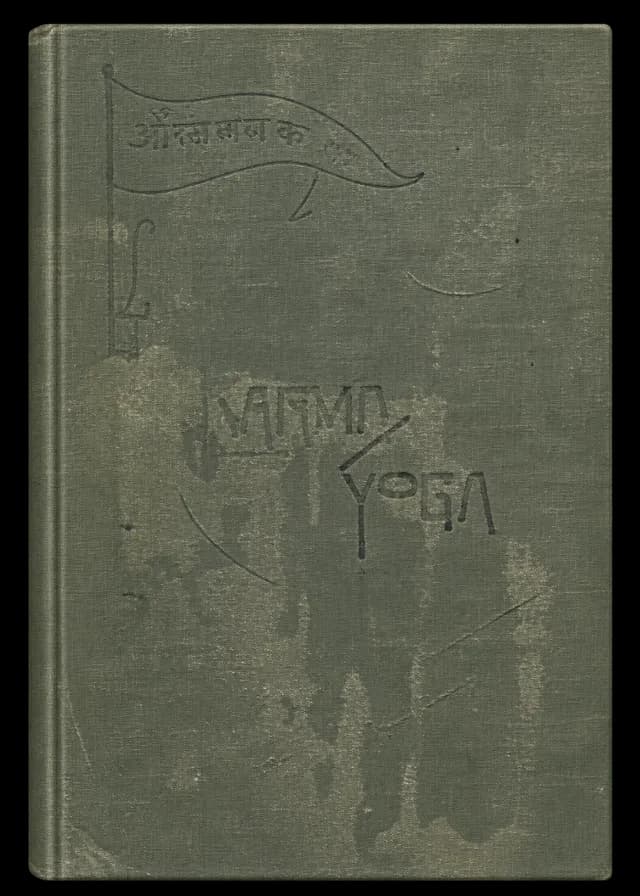
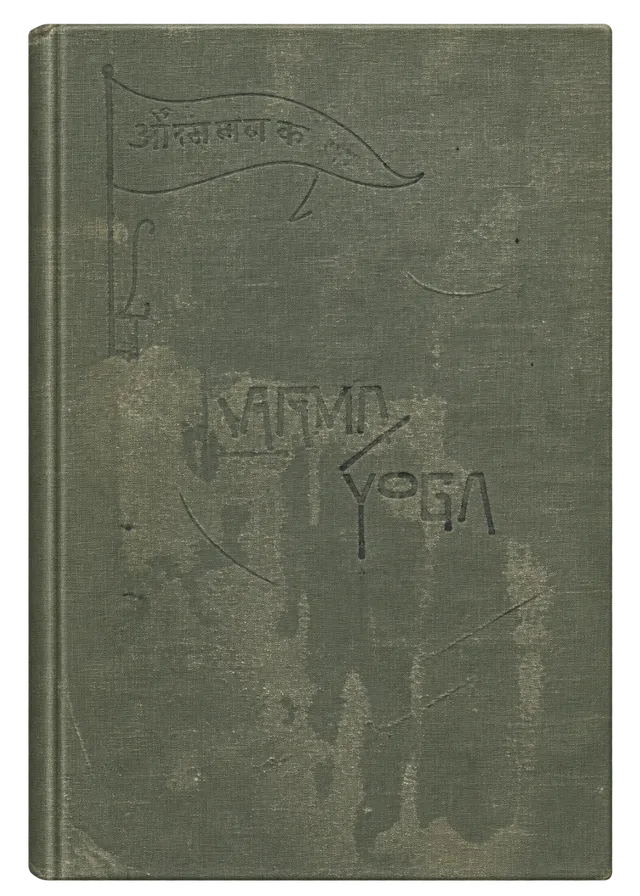
The preferred English reading copy here is the 1939 New York volume Karma-Yoga & Bhakti-Yoga, published by the Ramakrishna-Vivekananda Center. The library listing features Karma Yoga within that combined book. Its chapters on duty, self-abnegation and freedom develop the distinction between performing work and becoming attached to its fruits. Non-attachment therefore concerns a person’s relationship to action and its outcome within a life of obligations. The account rests on Vivekananda’s Vedantic understanding of the self and liberation.