Study, monastic life and international teaching
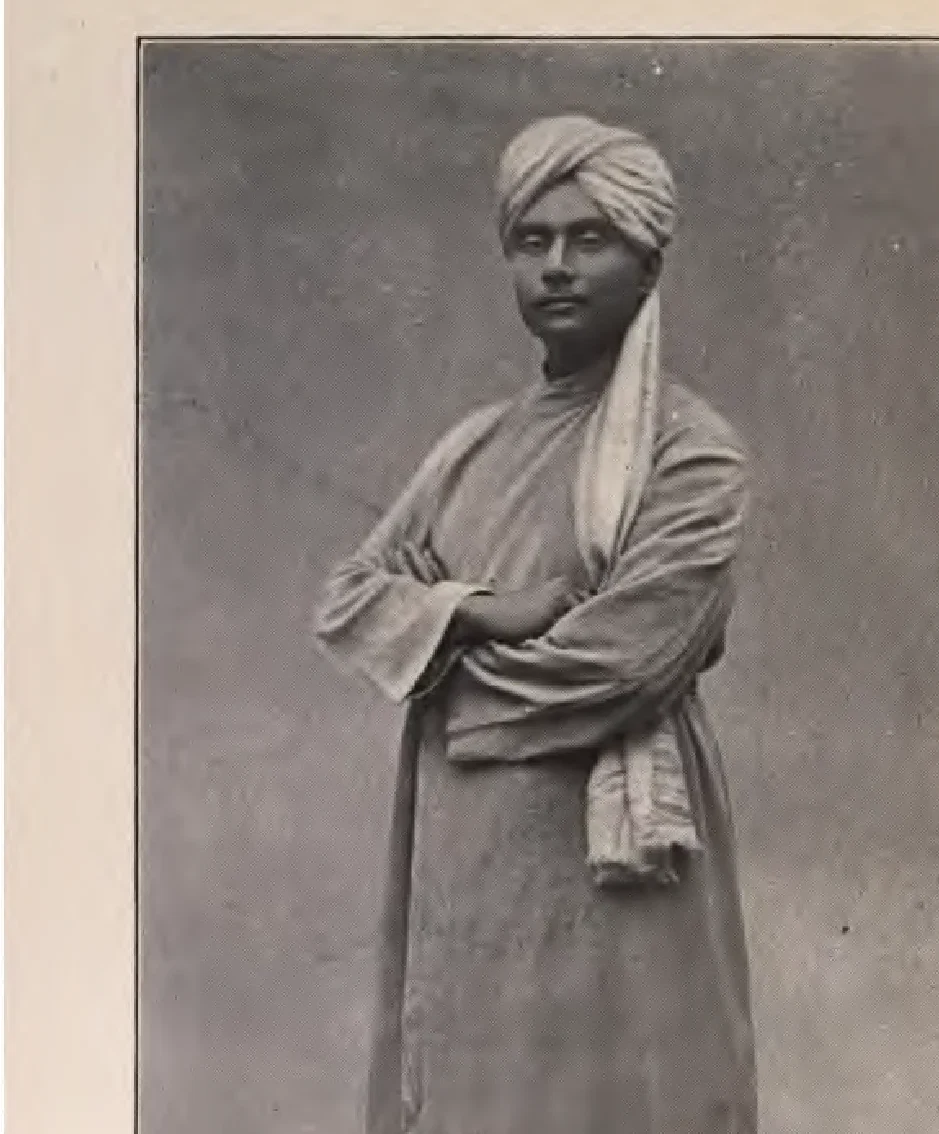
Born Kaliprasad Chandra in Calcutta in 1866, Abhedananda developed interests in Sanskrit and philosophy before becoming a disciple of Ramakrishna. After his teacher’s death he joined the early monastery at Baranagar, where study and meditation became central to his life. Years of travel within India followed.
Vivekananda invited him to London in 1896, and in 1897 he took charge of the Vedanta Society in New York. Lectures, classes and publications presented Vedanta to new audiences over a long American period. He returned to India in 1921; further travel preceded his Calcutta organisation in 1923. He continued teaching and writing until his death in 1939.
A religious argument through examples and objections
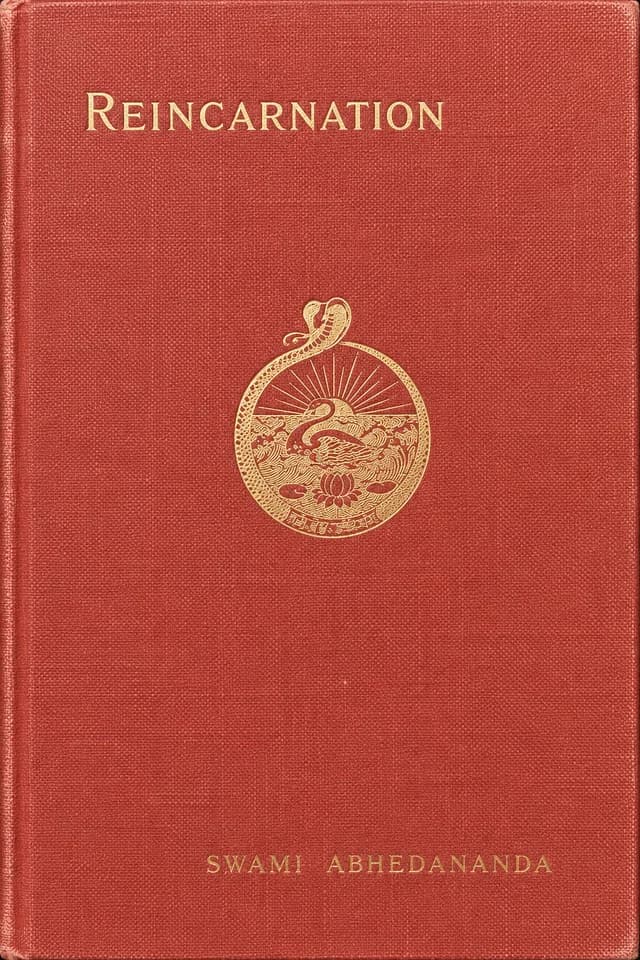
The New York Vedanta Society book here calls itself a new and enlarged edition of Five Lectures on Reincarnation. Its contents distinguish reincarnation, heredity, evolution, resurrection and transmigration. These subjects form a sequence of philosophical and religious arguments, framed by Abhedananda’s Vedantic commitments.
The opening moves from visible effects to invisible causes and introduces a subtle body carrying powers and impressions. Seeds, sleep and an insect’s emergence illustrate ways that continuity might persist through change. The lectures also ask why previous lives are not remembered and consider what can remain latent. Reading the objection beside the response shows how memory, character and inherited bodily traits are related within his account. The familiar examples explain the proposed concepts while the conclusions depend on the religious framework that connects them.