Law, ballads, novels and a burden of debt
Born in Edinburgh in 1771, Scott spent part of his childhood in the Borders after an illness left a lasting impairment in his right leg. He studied at Edinburgh University, entered legal training and became an advocate in 1792. Marriage to Charlotte Carpentier followed in 1797. His appointment as sheriff-depute of Selkirkshire gave him a continuing legal office alongside literary work.
Collecting and reworking ballads led to Minstrelsy of the Scottish Border. Popular narrative poems preceded Waverley, published anonymously in 1814, and a succession of historical novels. Abbotsford became the centre of his family and collecting life. The collapse of connected printing and publishing firms in 1826 left heavy debts, and he pledged future literary earnings towards repayment. His wife died that year. Declining health accompanied sustained work until his death in 1832.
An apparition and the account made of it
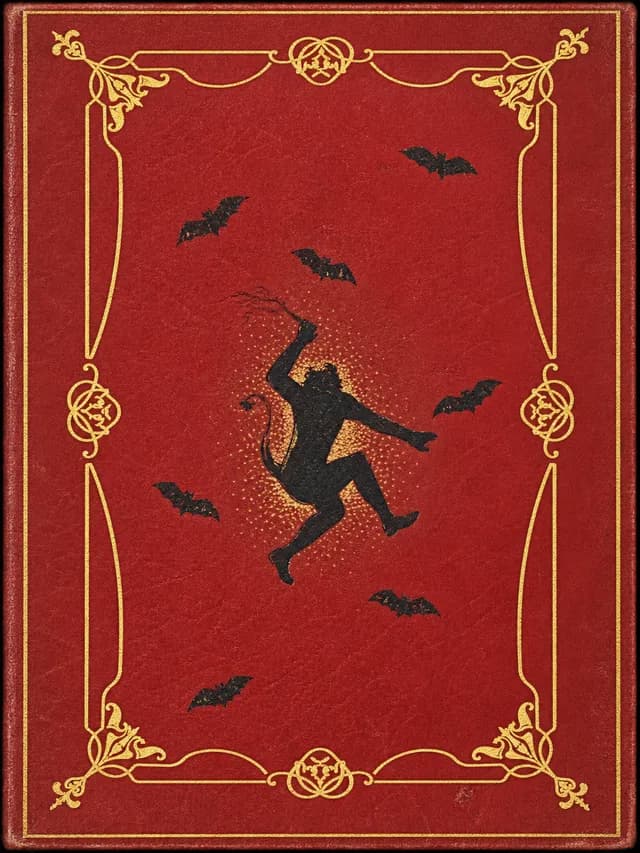
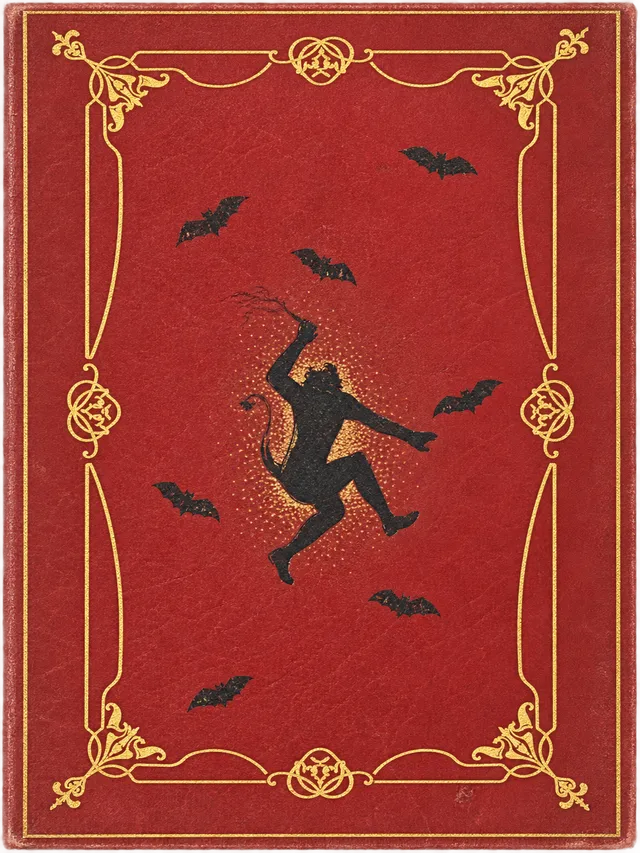
Letters on Demonology and Witchcraft appeared in 1830. The held Routledge volume is the third edition of 1887, with an introduction by Henry Morley. Its later editorial setting belongs to a different moment from Scott’s letters, which move among supernatural stories, reported experiences and explanations.
Early discussions consider witnesses such as the Berlin bookseller Friedrich Nicolai, whose vivid visions led to competing interpretations. A case attributed to Dr Gregory likewise separates the sufferer’s anticipated apparition from a physician’s account of it. Scott’s arrangement makes those different voices audible. The book asks how belief gains force through expectation, remembered stories and social authority, while its own explanations preserve the assumptions of an early nineteenth-century observer.