Sanskrit scholarship and philosophical exchange
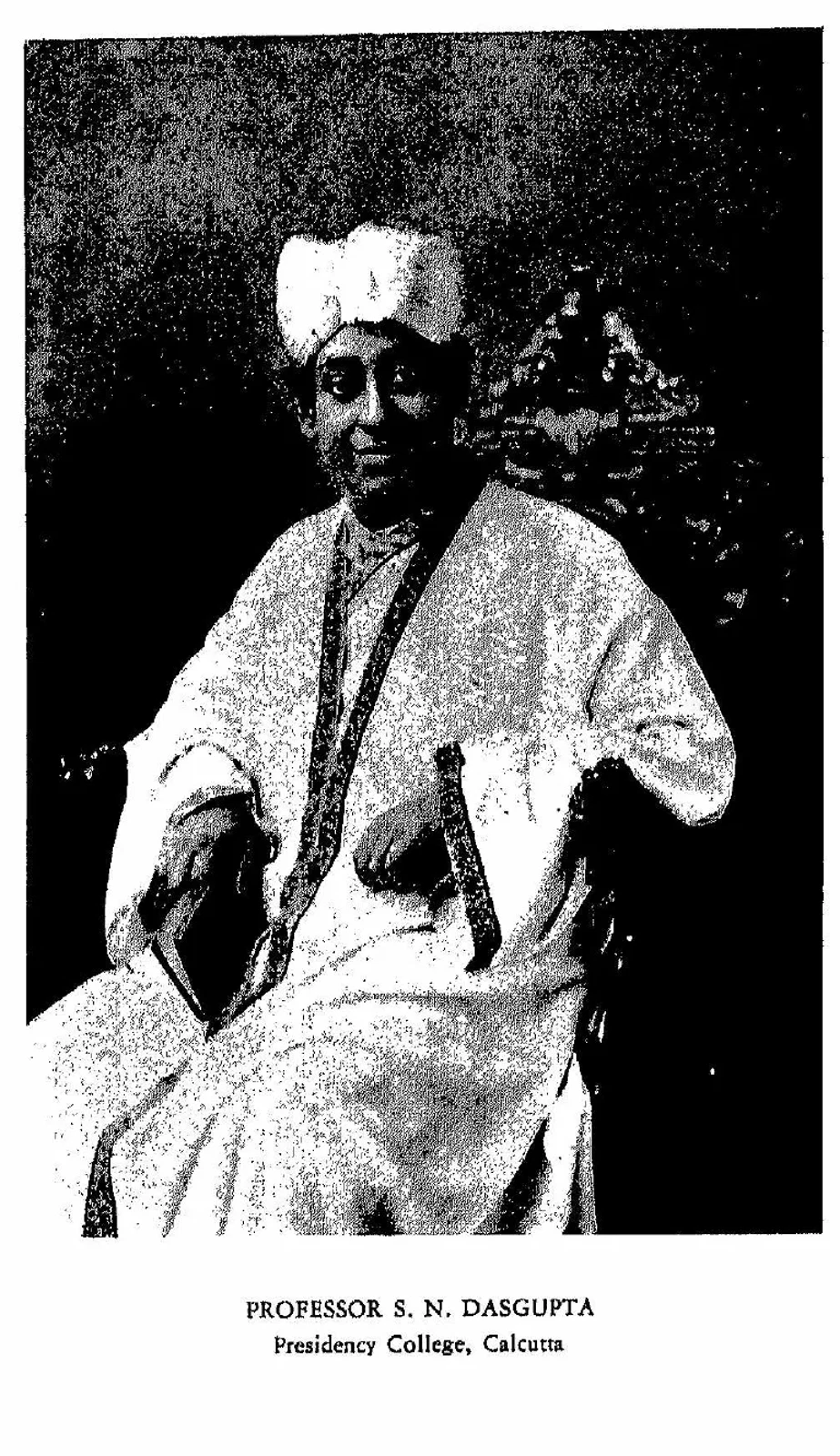
Born at Kushtia in 1887, Dasgupta studied Sanskrit and Western philosophy in Calcutta and taught at Rajshahi and Chittagong. A Calcutta doctorate was followed by research at Cambridge, where he studied with J. M. E. McTaggart and received a second doctorate in 1922. His work moved between the textual study of Indian traditions and contemporary philosophical debate.
Returning to India, he became professor of philosophy at Presidency College and, in 1931, principal of the Government Sanskrit College in Calcutta. He later held a university chair in mental and moral science. International congresses and lectures brought his interpretations to audiences beyond India, while writing extended from philosophy to Sanskrit literature, aesthetics and poetry. He died in 1952. The five-volume History of Indian Philosophy remains the larger scholarly undertaking behind his more concentrated lectures.
Different relations between practice and knowledge
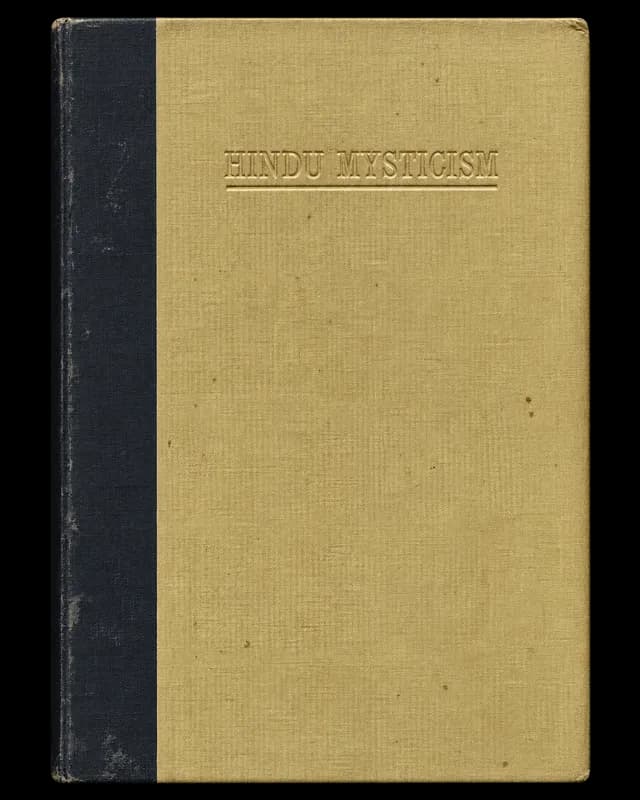
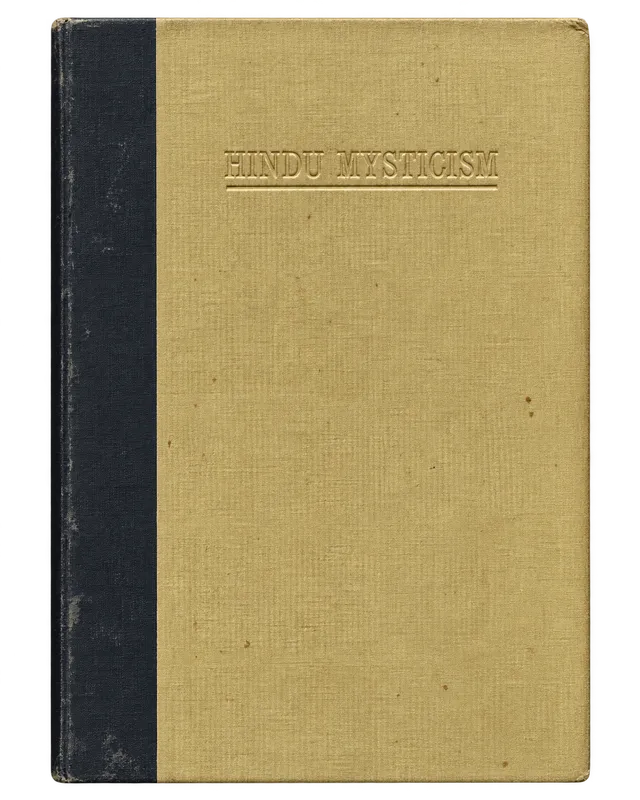
Hindu Mysticism gathers lectures delivered at Northwestern University, with a preface dated Calcutta, 1927. The Frederick Ungar copy here is a later reprint. Dasgupta explains that the chosen title arose partly from concern over how an American audience would understand the word Indian; the contents also include Buddhist thought.
The opening lecture analyses sacrificial action believed to produce effects through exact performance. Yoga places moral preparation before specialised discipline, while the account of devotion approaches the divine through love and intimacy. These differences give the book its comparative structure. Rather than reducing spiritual practice to a single experience, the lectures ask what counts as authority, training and knowledge within particular traditions. Their limited compass and historical standpoint are acknowledged in the preface, which frames the volume as an outline for a wider audience.