Life and career
Richard Wilhelm trained as a Protestant minister and went to Qingdao as a missionary. He spent much of his adult life in China, learning the language and working with Chinese scholars. The relationship that most shaped his reputation as a translator was with Lao Nai-hsüan, a scholar of the Book of Changes. Their conversations gave Wilhelm access to a living tradition of interpretation alongside the written commentaries.
Wilhelm later taught in Beijing. In 1924 he took up a professorship in Chinese studies at Frankfurt, and the following year became director of its China Institute. His surviving papers include diaries, lecture notebooks, correspondence, drawings and his own library. They document a career spent teaching in both countries, as well as the translation work by which he became known to English readers.
Work and ideas
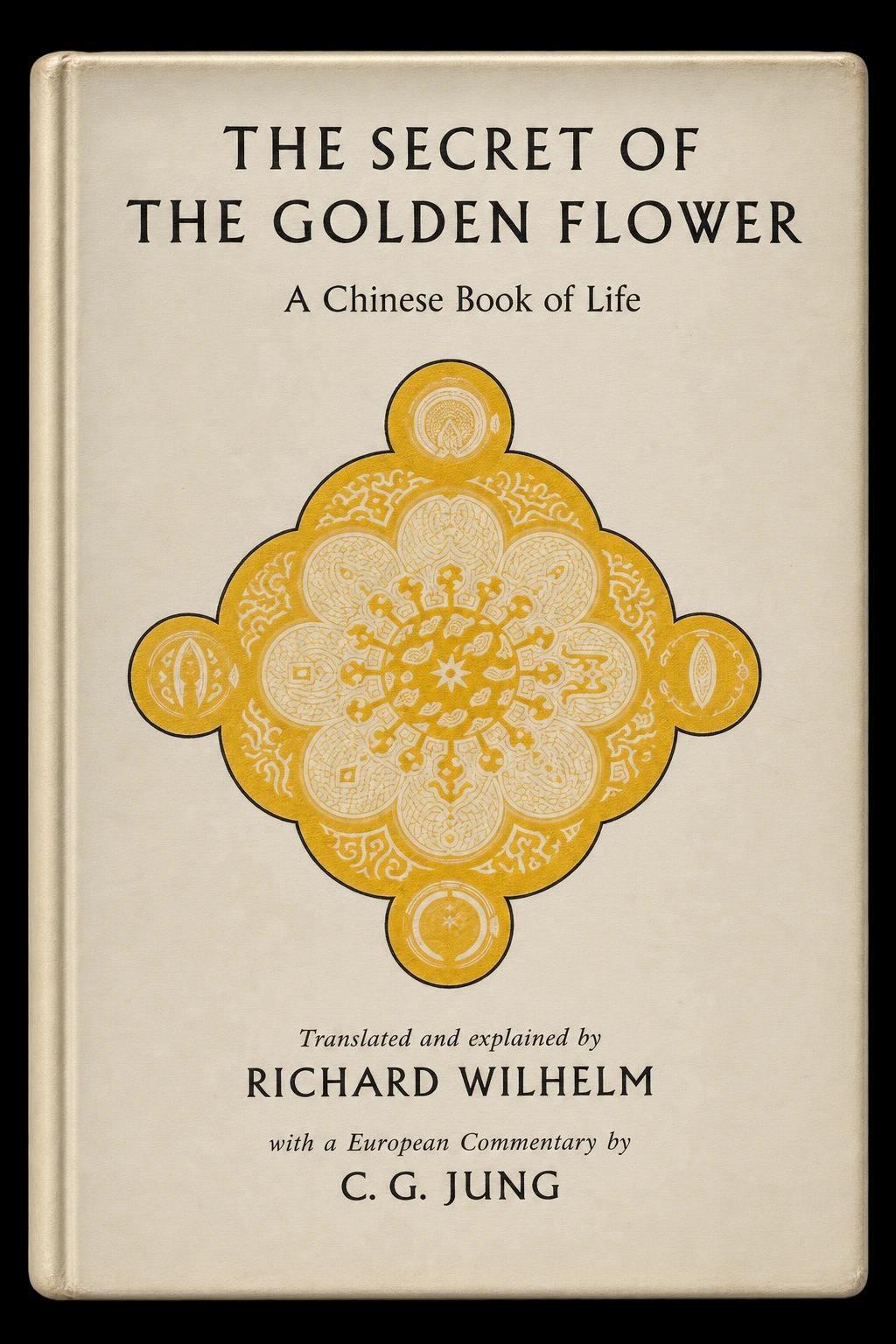
His German version of the I Ching combined the terse statements attached to the hexagrams with explanations of how generations of readers had understood them. It subsequently reached a much larger English-language audience through Cary F. Baynes, who translated Wilhelm’s German text. Lao Nai-hsüan, Wilhelm and Baynes each had a distinct part in the transmission of the book.
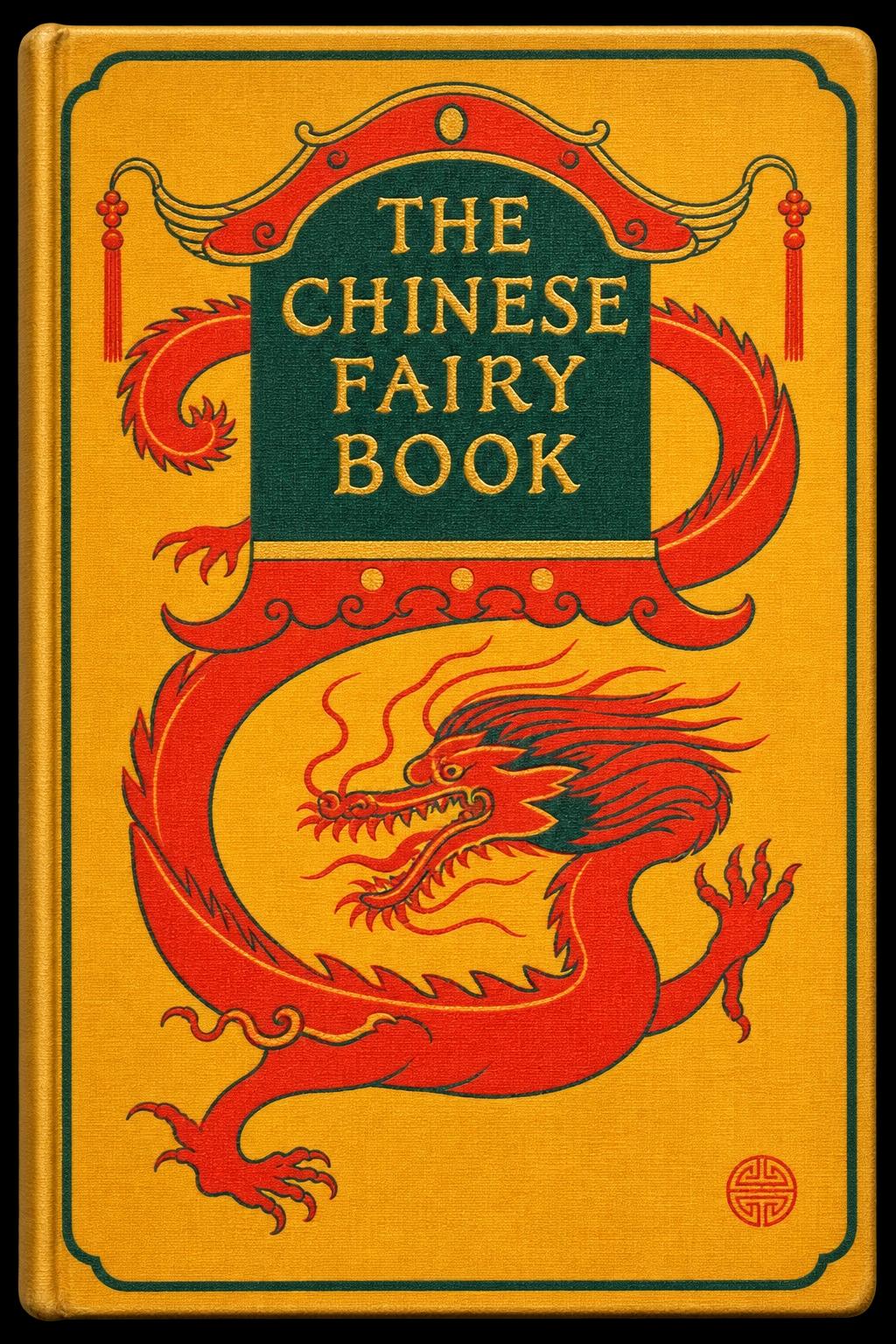
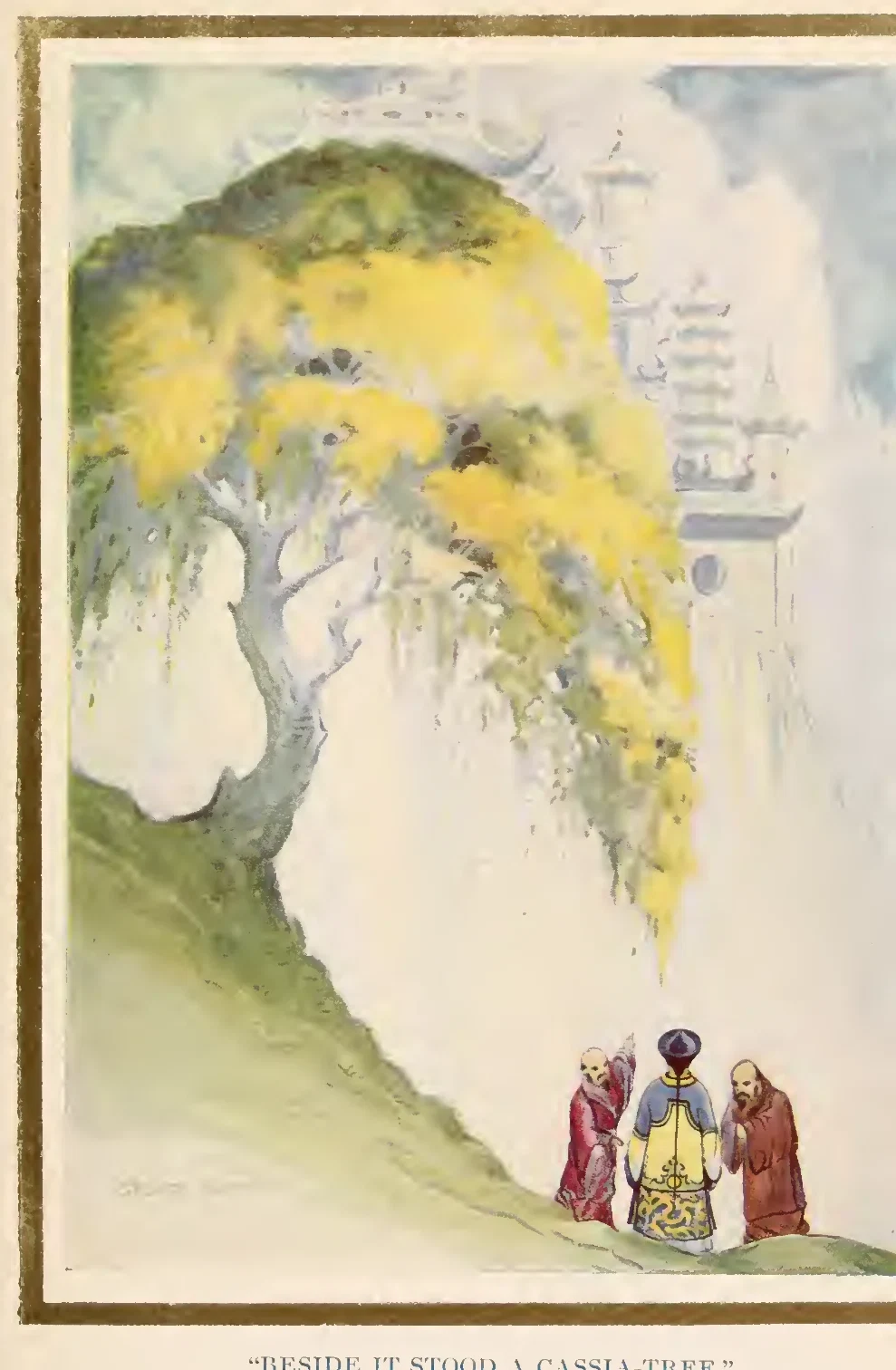
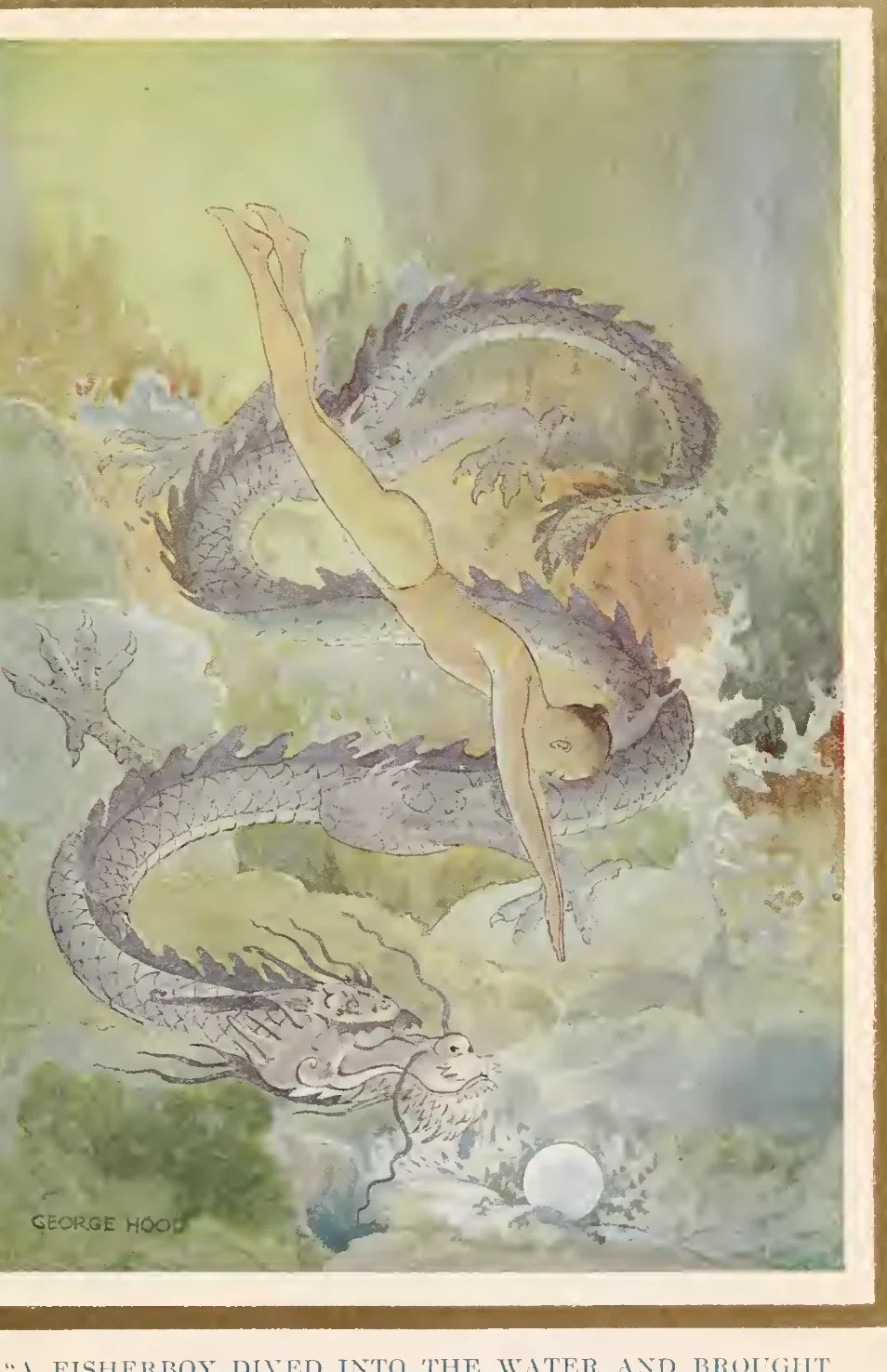
In The Chinese Fairy Book Wilhelm worked with a different body of material, gathering tales of immortals, animals, domestic life and adventure. The English volume names him as editor. Frederick H. Martens translated the tales into English and George W. Hood illustrated them. Its title page preserves a chain of collaboration easily lost when the volume is catalogued under Wilhelm’s name alone.