Revolution, exile and a theatre of his own
Wagner was born in Leipzig in 1813 and worked in several European cities before becoming a court conductor in Dresden. His involvement in the uprising of 1849 forced him to flee to Switzerland. During exile he developed the ideas about music and drama that shaped his later work.
The support of King Ludwig II of Bavaria helped him pursue increasingly ambitious projects. At Bayreuth he established a theatre suited to his operas, and the complete Ring cycle was performed there in 1876. His essays also promoted antisemitic ideas, including in Judaism in Music. That prejudice forms part of his influence and public legacy alongside the continuing performance of his works.
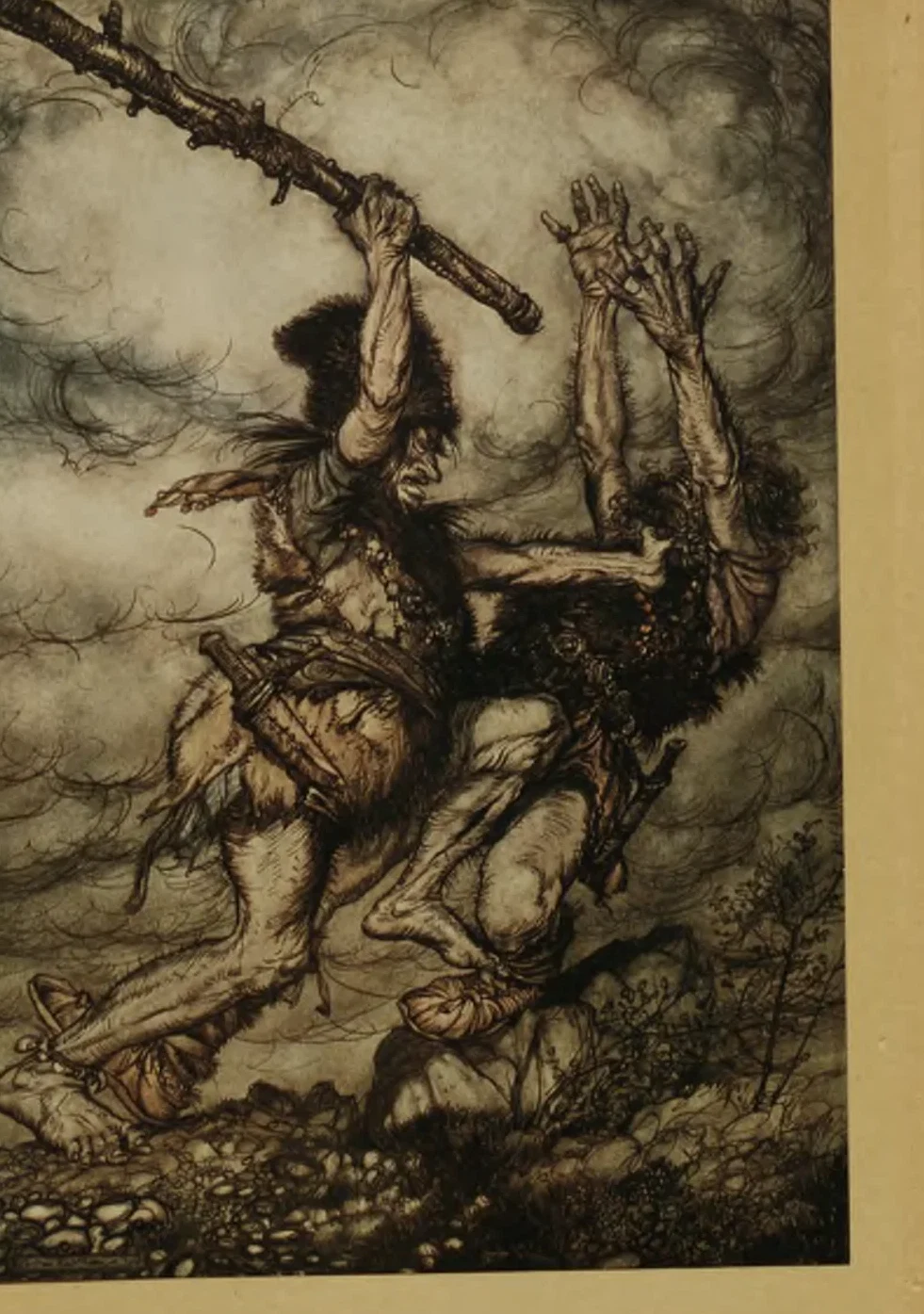
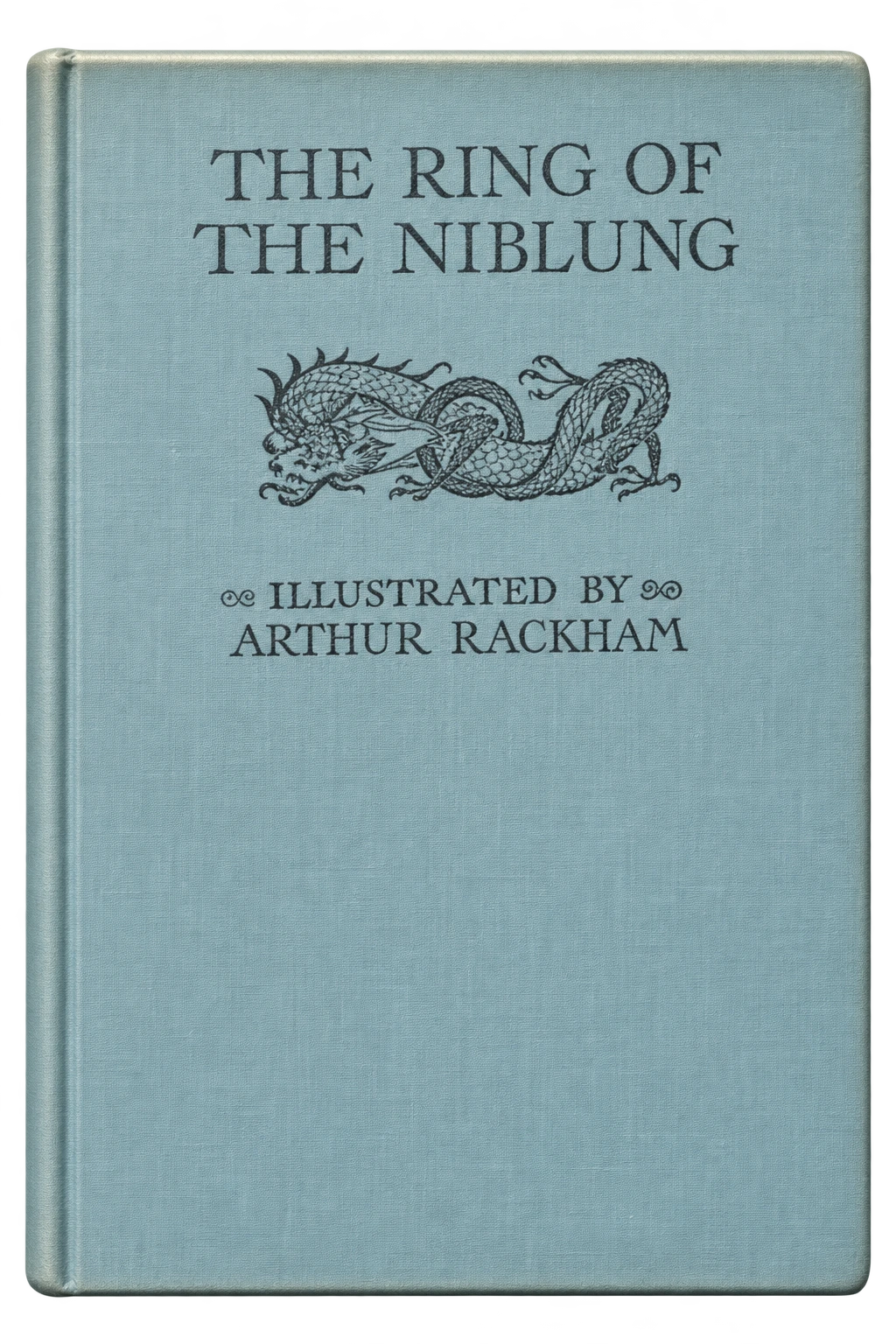
The operas become illustrated books
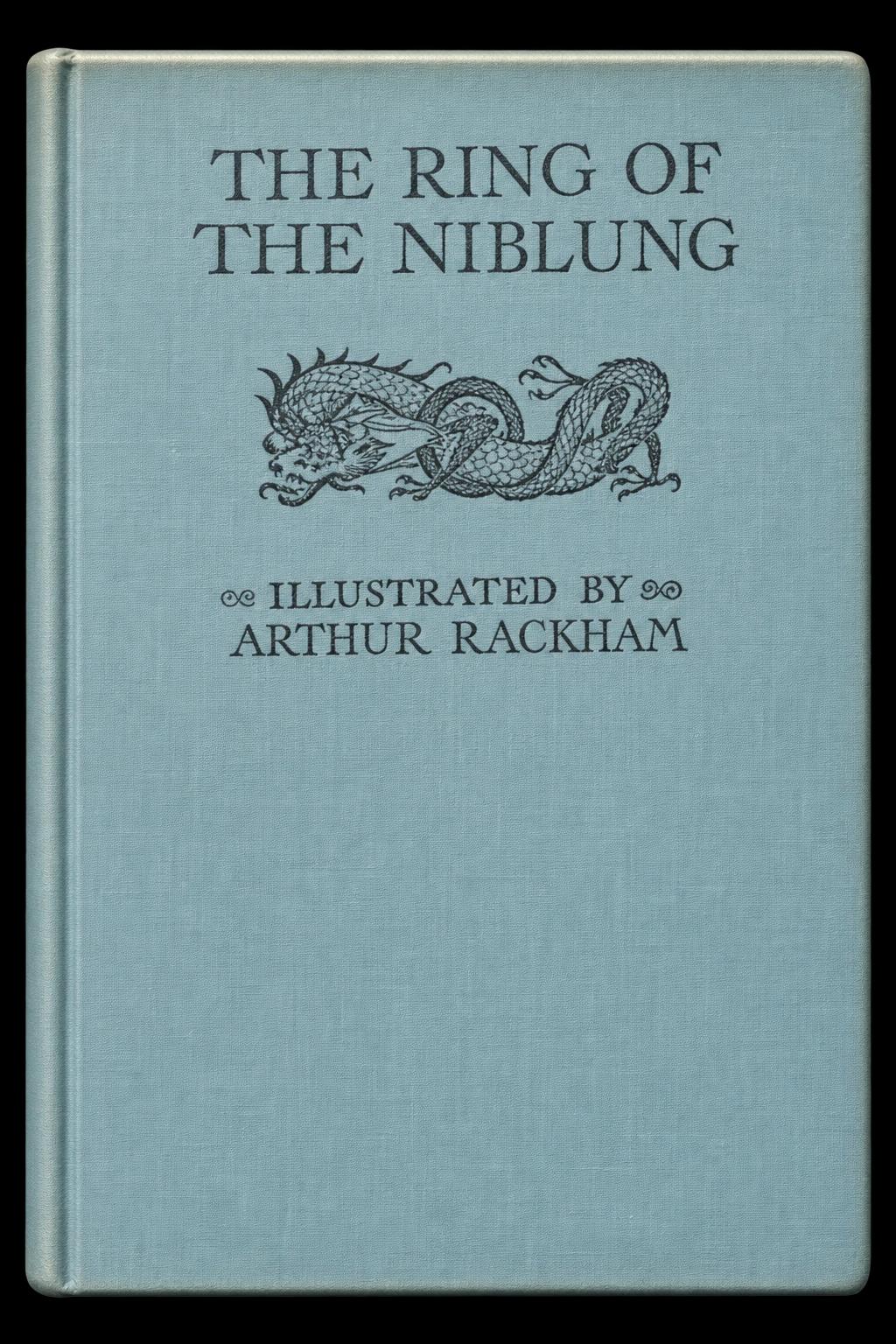
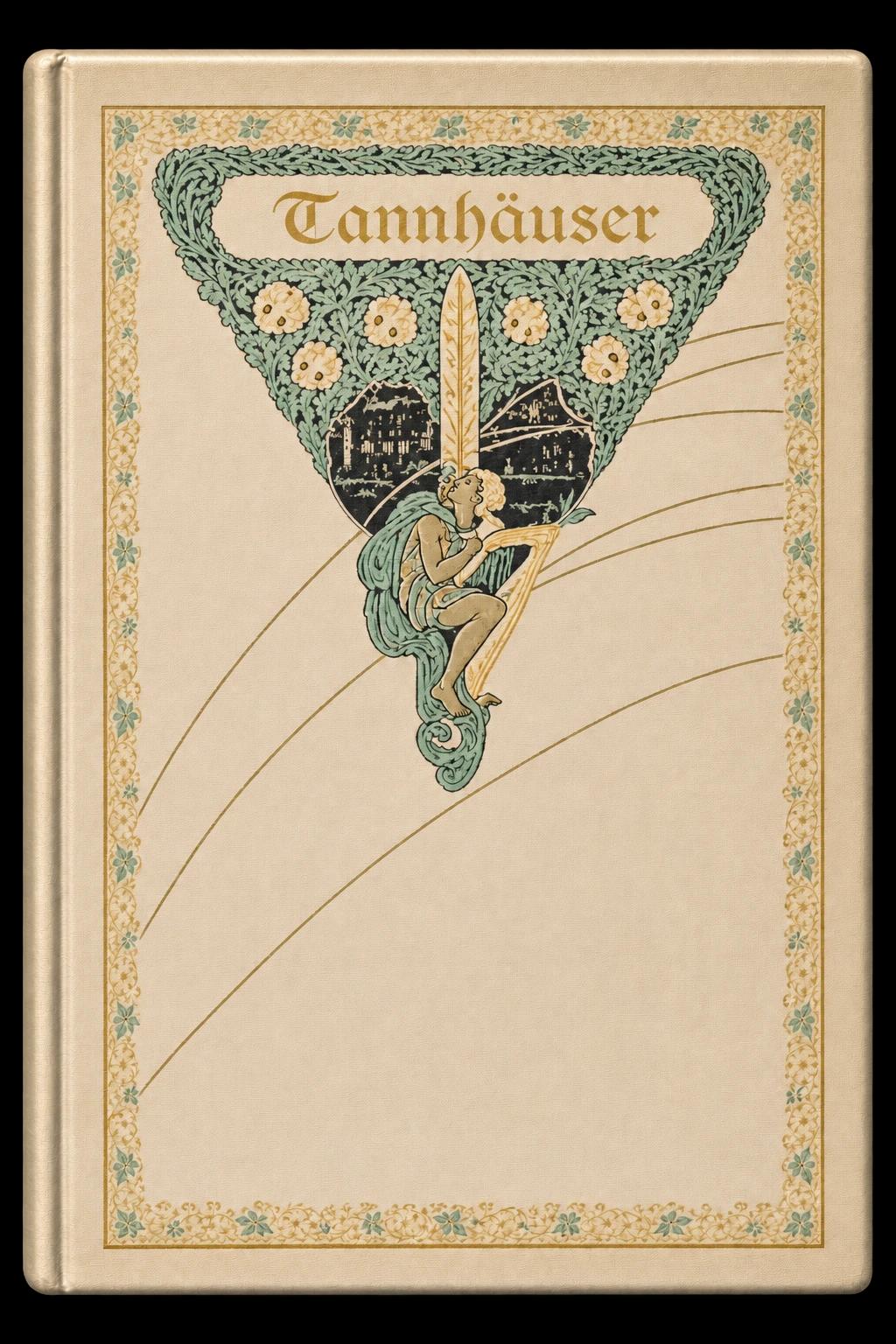
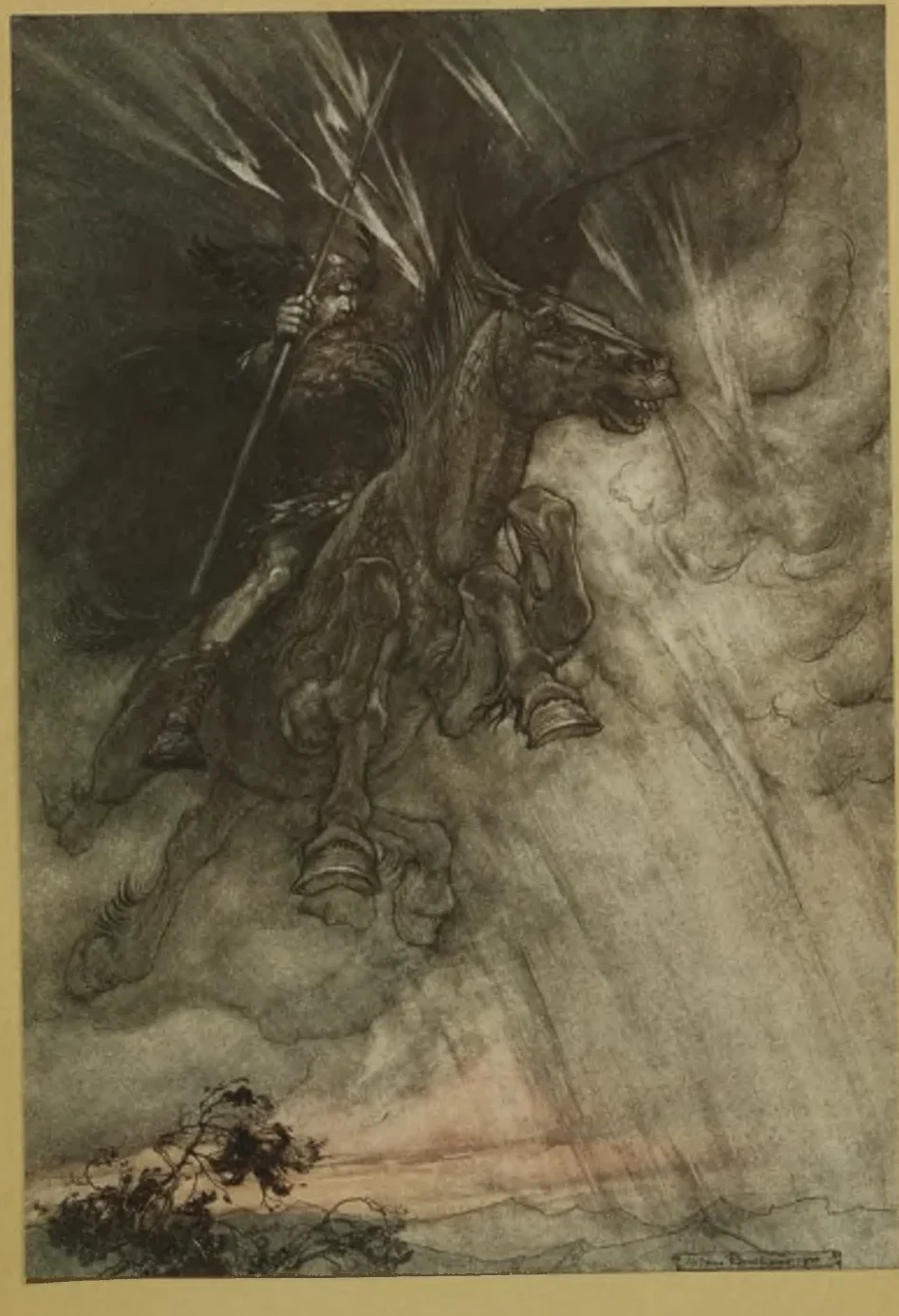
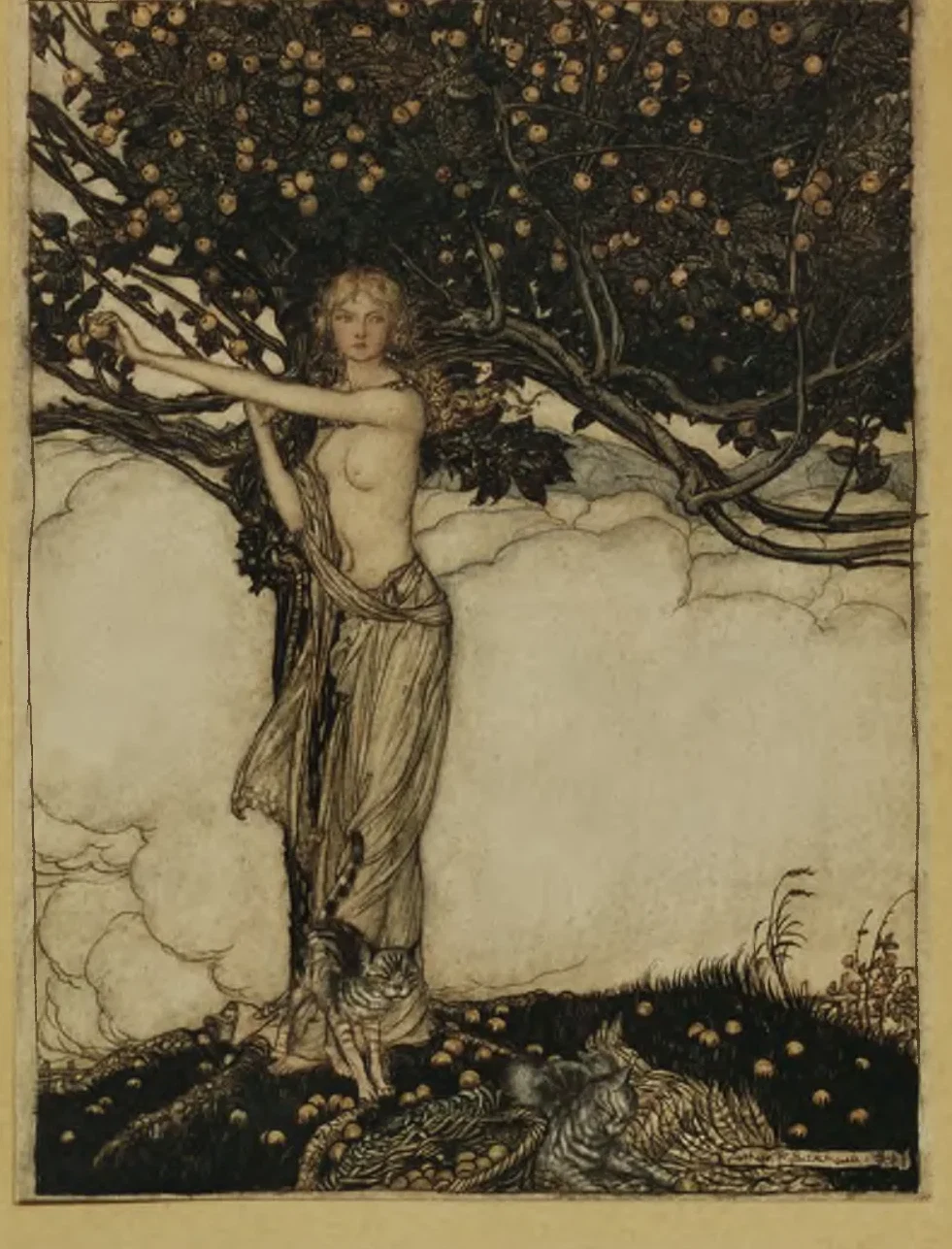
The Ring follows a treasure whose changing ownership binds gods, giants and humans into destructive bargains. Margaret Armour supplies the English translation in Lumitheca’s volume, with illustrations by Arthur Rackham. Dialogue and stage directions retain the work’s dramatic form. Tannhäuser reaches the page differently. T. W. Rolleston retells the legend, and Willy Pogany designs its lettering, ornament and pictures. His elaborate book gives the journey between Venus’s realm and the human world a pace of its own.