Two writing careers under different names
Heldmann was born in London in 1857. His father, a German-Jewish convert to Christianity, moved from the lace trade into school teaching after financial difficulties. From 1880 Heldmann published boys’ school and adventure stories, becoming a contributor and then co-editor of Union Jack under G. A. Henty. That association ended in 1883.
In 1884 he was sentenced to eighteen months’ hard labour for obtaining goods and money by false pretences. After release he rebuilt his publishing career: stories under the Richard Marsh name appeared from 1888. The name combined his first name with his mother’s maiden surname. A large output of novels and short fiction followed, including crime, humour, romance and horror. He died in 1915. The Beetle’s later prominence represents one part of this sustained professional production.
Shelter, threat and incomplete testimony
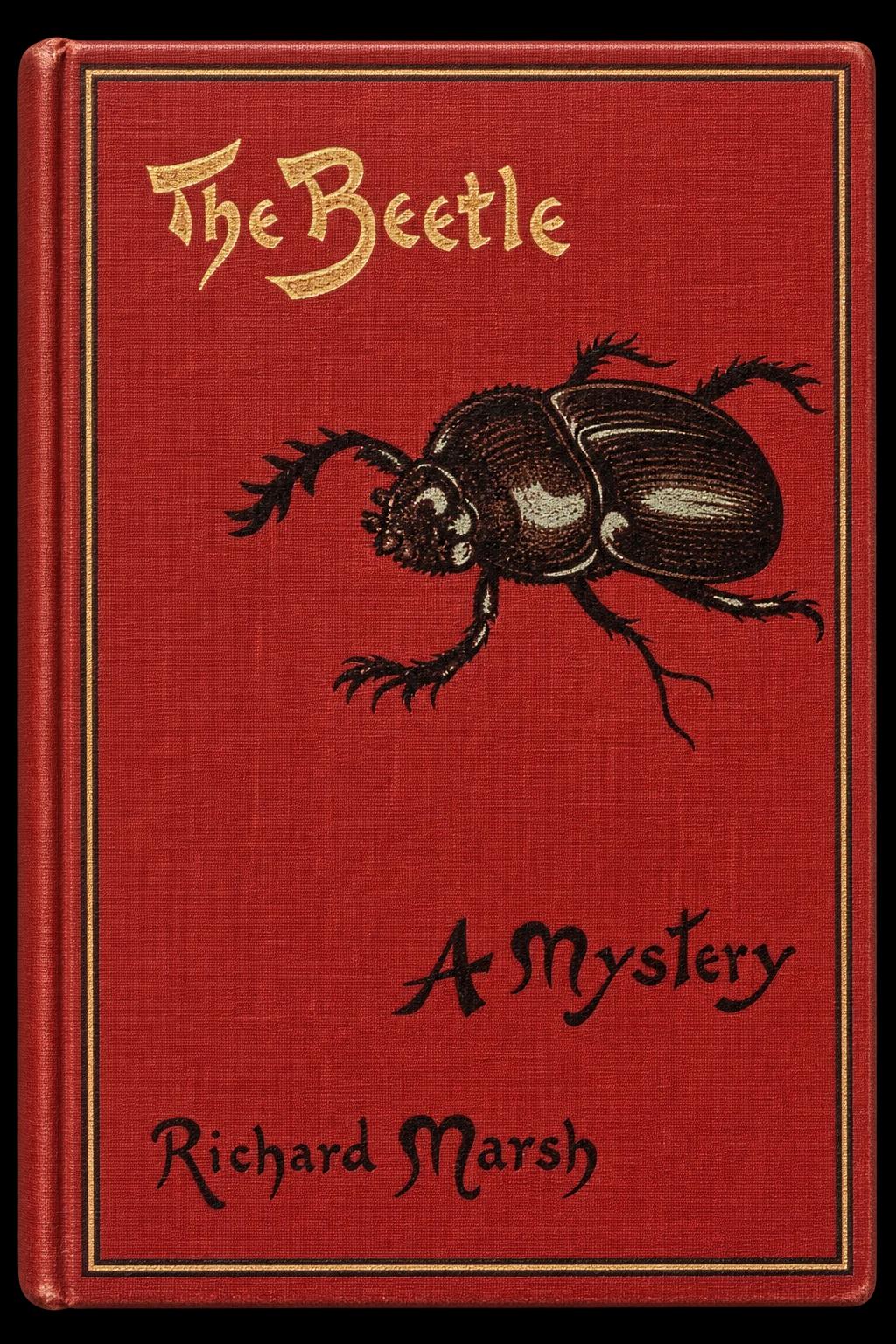
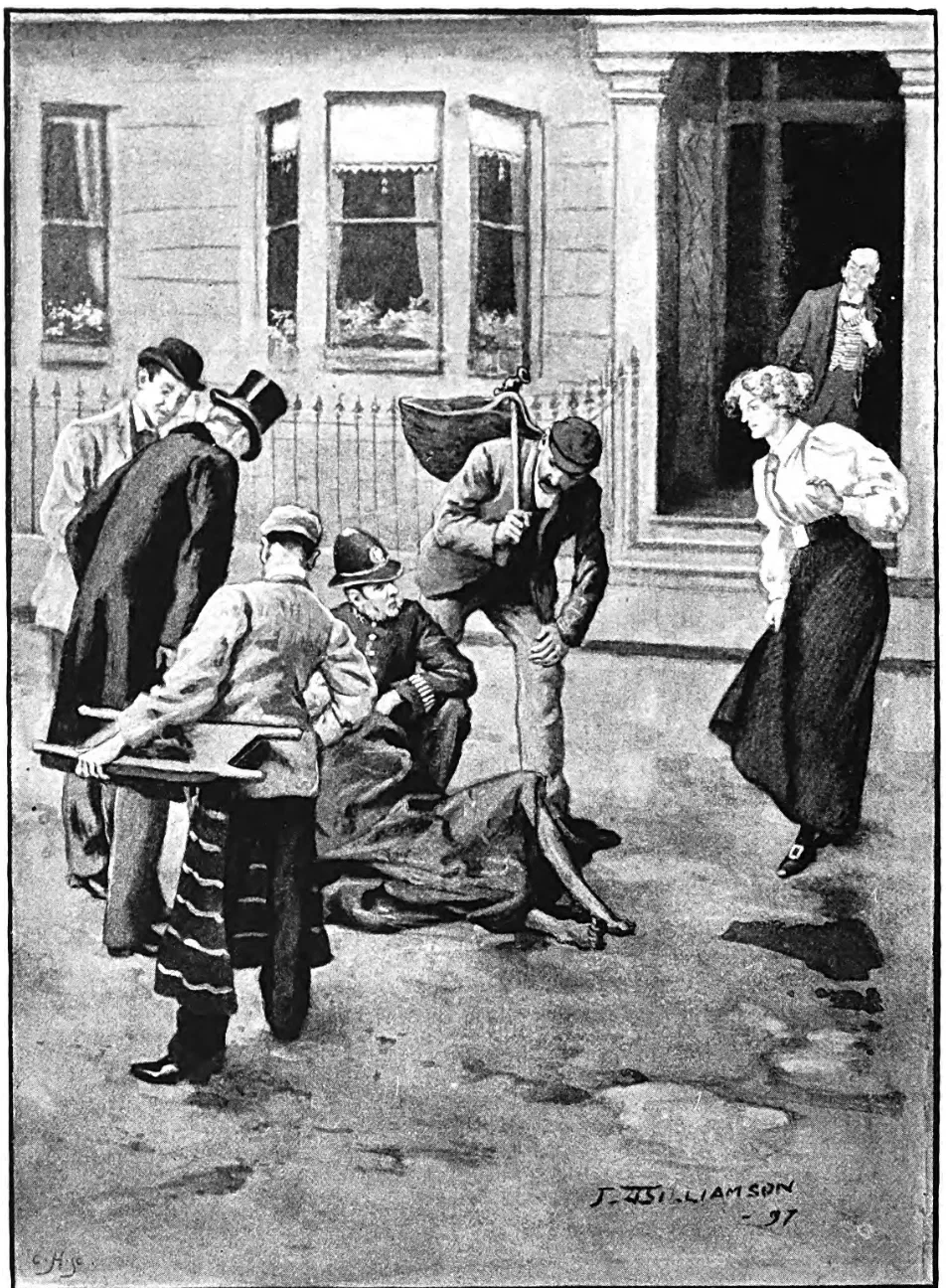
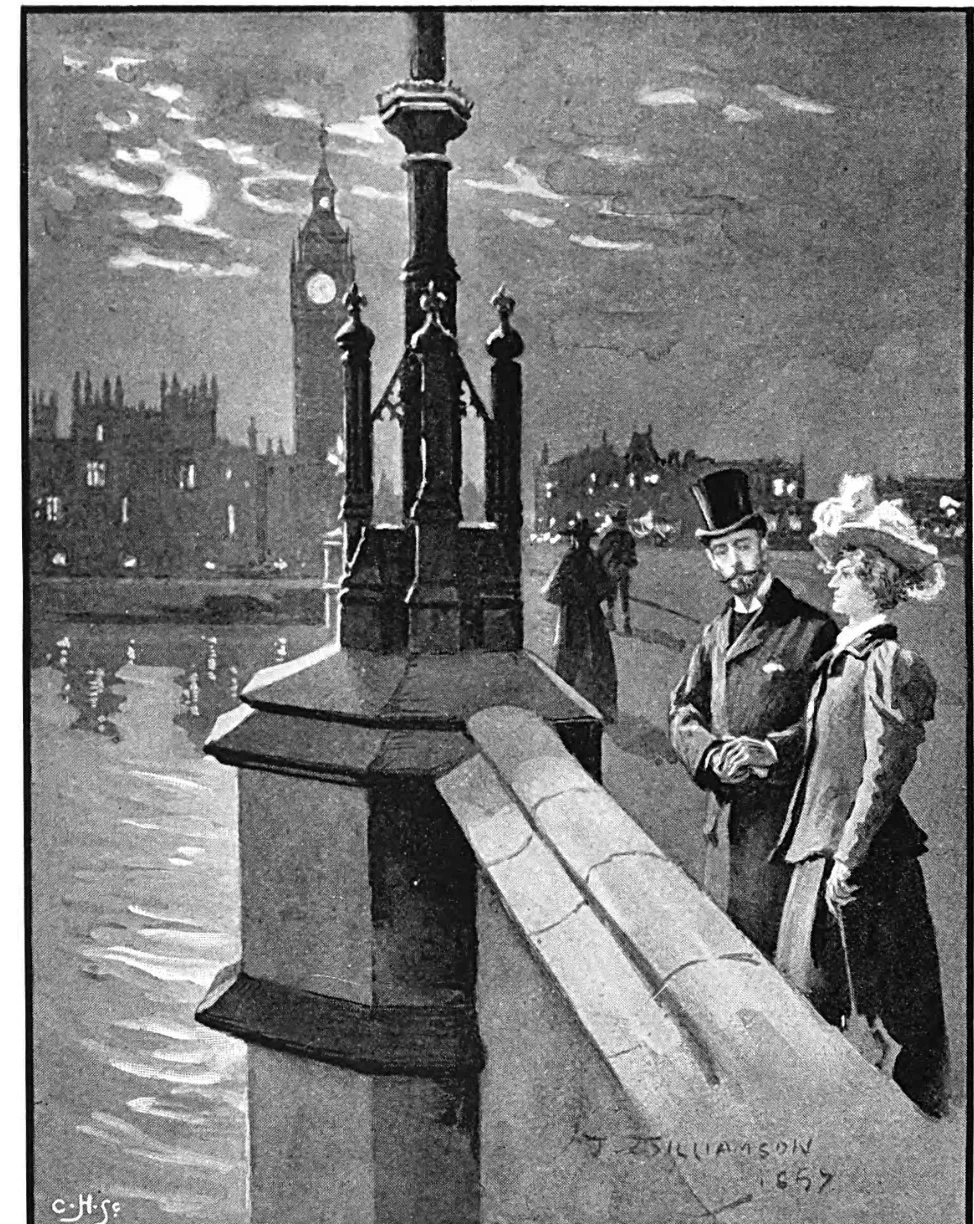
The 1897 Skeffington edition of The Beetle credits John Williamson as illustrator. The opening follows a man refused admission to a workhouse, making exclusion and exhaustion frightening before the central supernatural threat emerges. The need to enter another house is already understandable when shelter becomes danger.
Changing narrators divide the mystery among witnesses whose knowledge and certainty differ. Public reputation, concealed experience and uncertain appearances overlap without settling into a single reliable view. Later inquiry depends on who entered or left a house and what an observer actually saw. Racial and imperial stereotypes help construct the threatening visitor; they belong to the novel’s historical language of fear. The tension grows through these partial accounts and their gaps, with Williamson’s pictures adding a separate visual interpretation.