A literary circle and an imagined antiquity
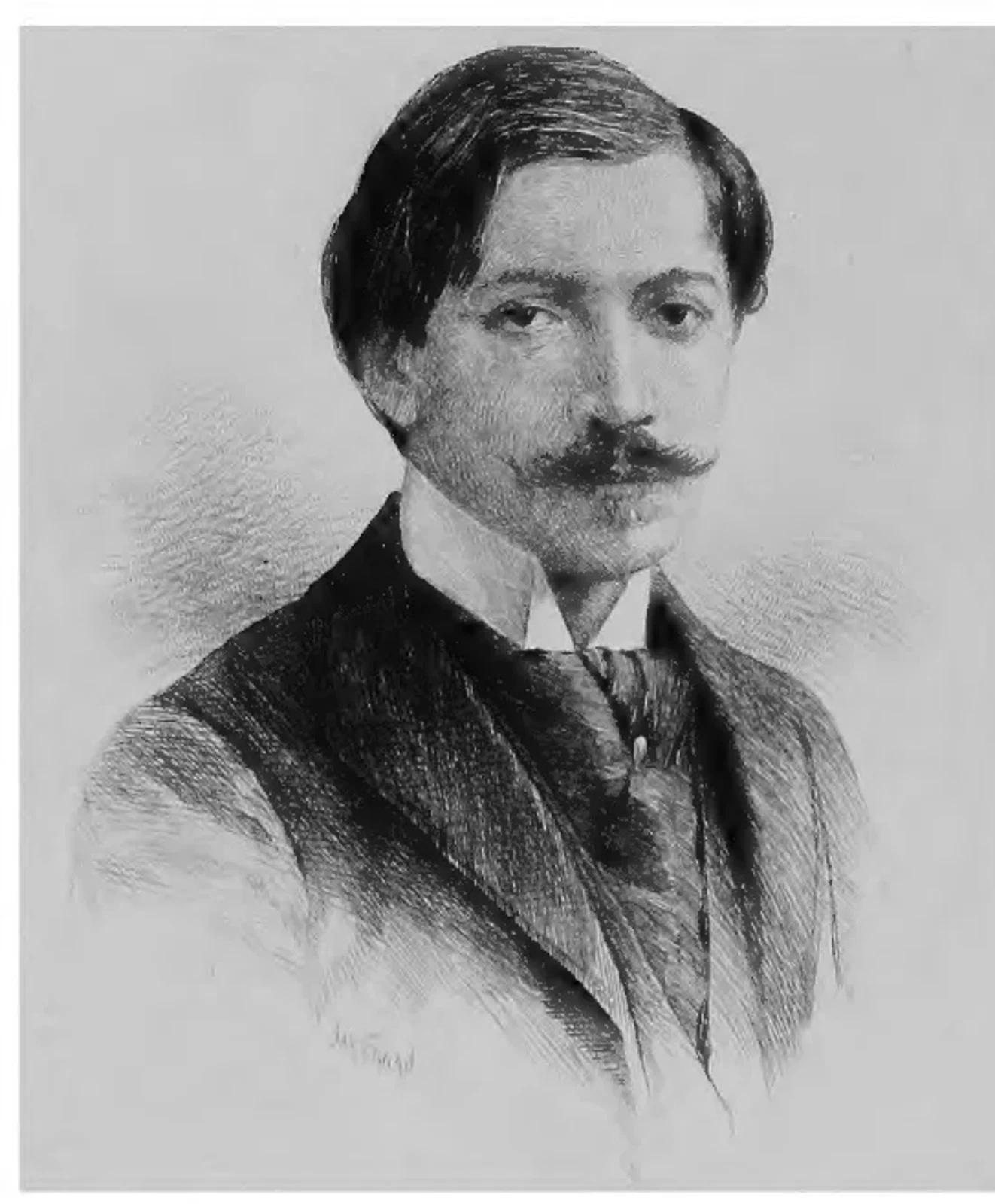
Born Pierre Louis at Ghent in 1870, Louÿs became part of French literary life as both writer and editor. In 1891 he launched La Conque, a small poetry review whose contributors included Paul Valéry and André Gide alongside admired older writers. The surviving issues show the publishing relationships through which his generation entered print.
The Songs of Bilitis appeared in the mid-1890s, followed by the success of Aphrodite in 1896. Ancient settings and erotic imagination became closely associated with his name. His work also reached music, notably through Debussy’s settings of Bilitis poems. The national-library record identifies an amateur photographer as well as a poet and novelist. He died in Paris in 1925. The literary networks and different forms of making behind his writing complicate the apparent simplicity of its ancient voices.
A fictional poet given a documentary frame
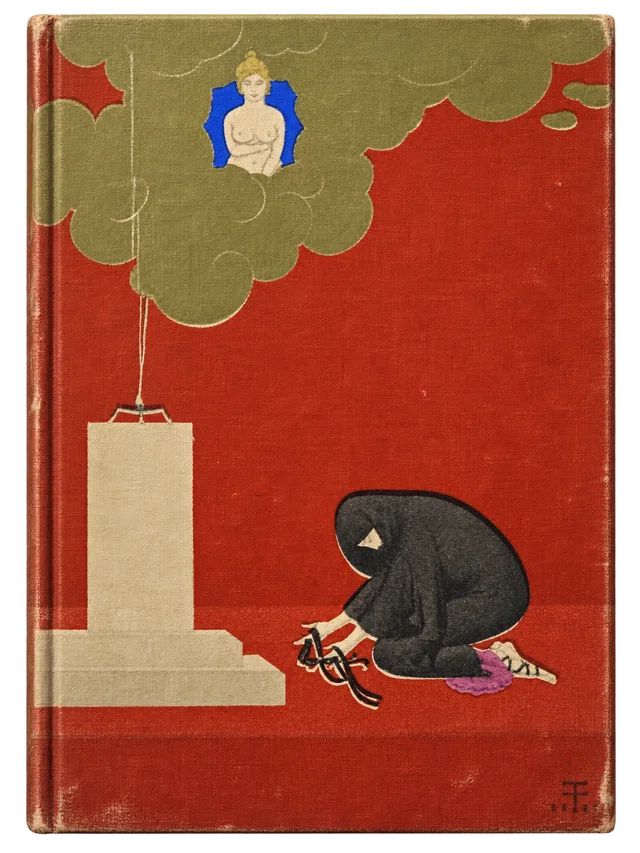
The Aldus Society English edition here was privately printed in 1904 and credits Horace Manchester Brown with translating from Louÿs’s French. Bilitis and the purported earlier Greek source are Louÿs’s inventions. Brown’s English translation belongs to the actual publication history of that modern work.
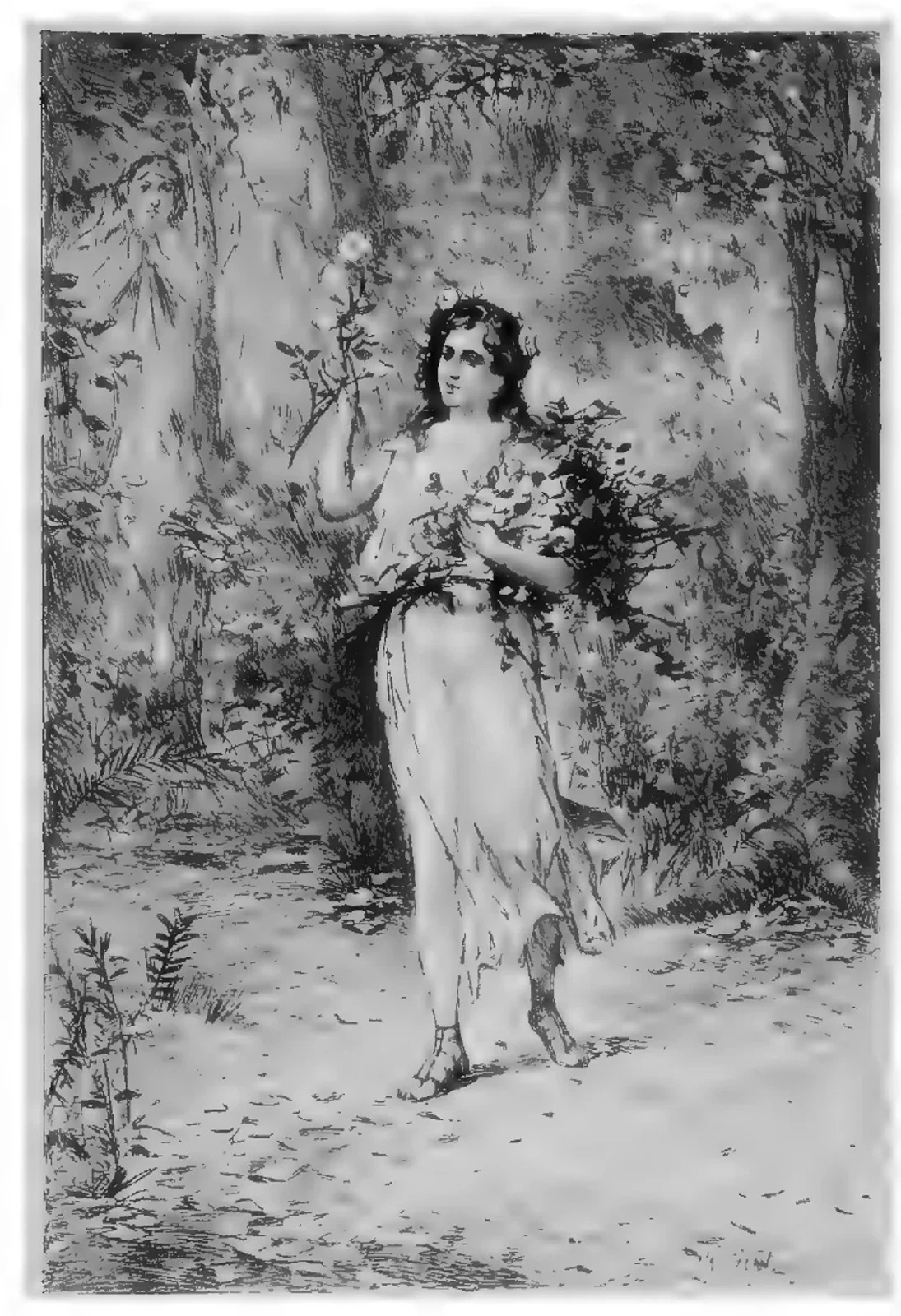
The opening Life of Bilitis supplies Pamphylia as a birthplace, a Greek father, a Phoenician mother and memories of domestic life. References to a scholar and conjectured dates add the tone of an edited discovery. These details prepare an intimate voice whose remembered encounters appear to come from a recoverable individual. The poems and their surrounding biography work together, allowing a modern writer’s imagined antiquity to acquire the persuasive texture of personal testimony.