A scholar in the Seljuk world
Khayyam belonged to Nishapur’s learned world in the eleventh and twelfth centuries. Exact dates remain disputed. Contemporary and near-contemporary accounts describe a respected philosopher and scientific authority, while his own works provide evidence that can be distinguished from later stories. In 1074–75 Sultan Malik Shah summoned him with other astronomers for the establishment of an observatory, probably at Isfahan.
His mathematical work included the classification and geometric solution of cubic equations and an examination of Euclid’s postulates. A commentary on Euclid was completed in 1077; his philosophical writing also engaged with Avicenna. The quatrains associated with him have a complicated transmission, and the expanding corpus cannot be accepted wholesale as an authenticated personal record. A poetic speaker’s attitudes to wine, belief or pleasure consequently need not supply a simple account of the historical scholar’s convictions.
Persian attribution, English poetry and illustrated design
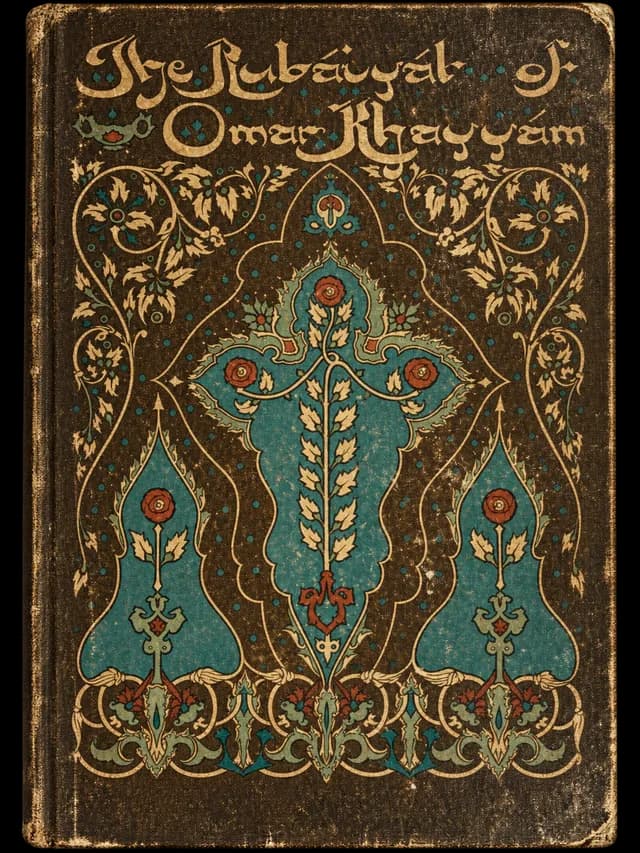
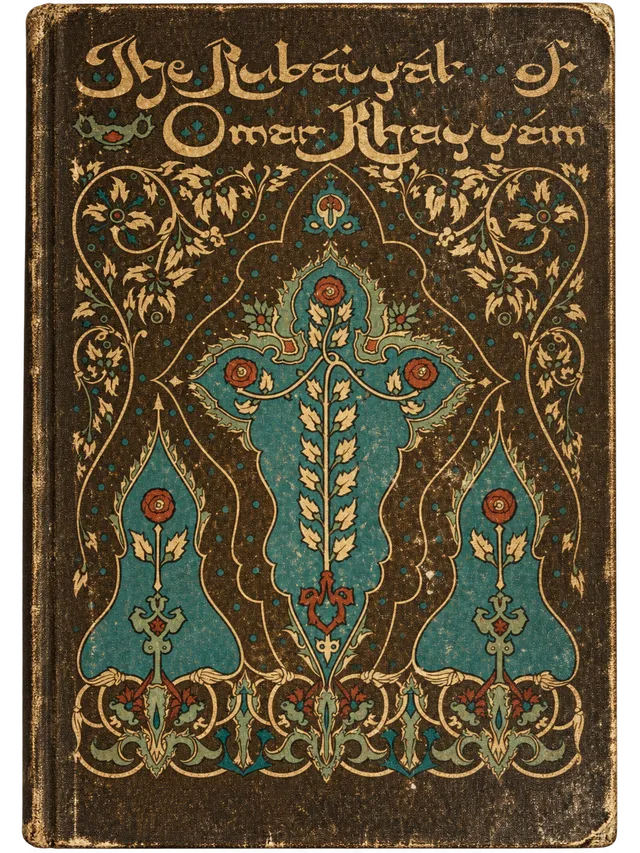
The 1909 Crowell Rubaiyat here presents FitzGerald’s English rendering with Willy Pogány’s art and decoration. These contributions belong to different historical settings: an attributed Persian poetic tradition, a nineteenth-century English literary transformation and an illustrated book shaped for a later readership.
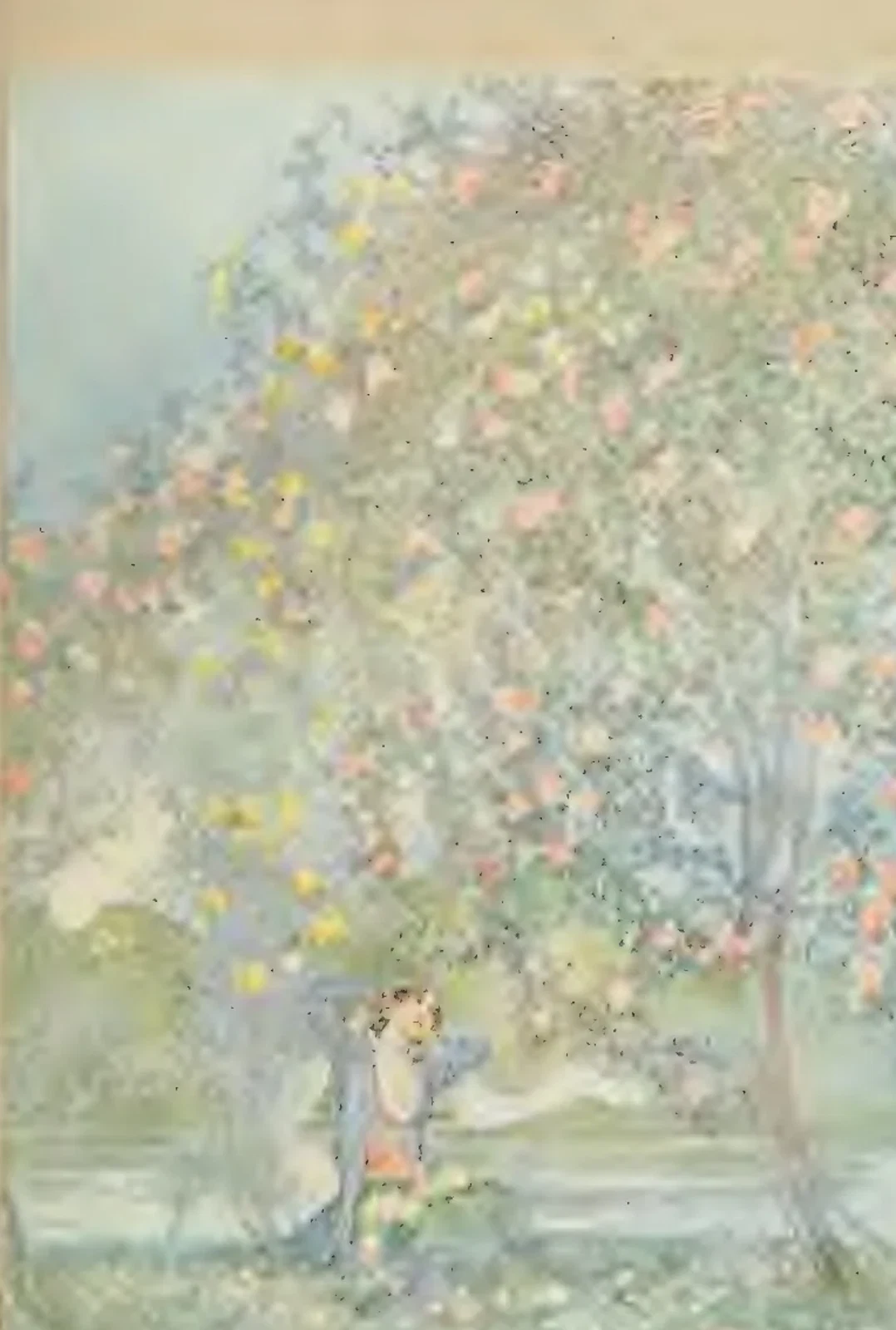
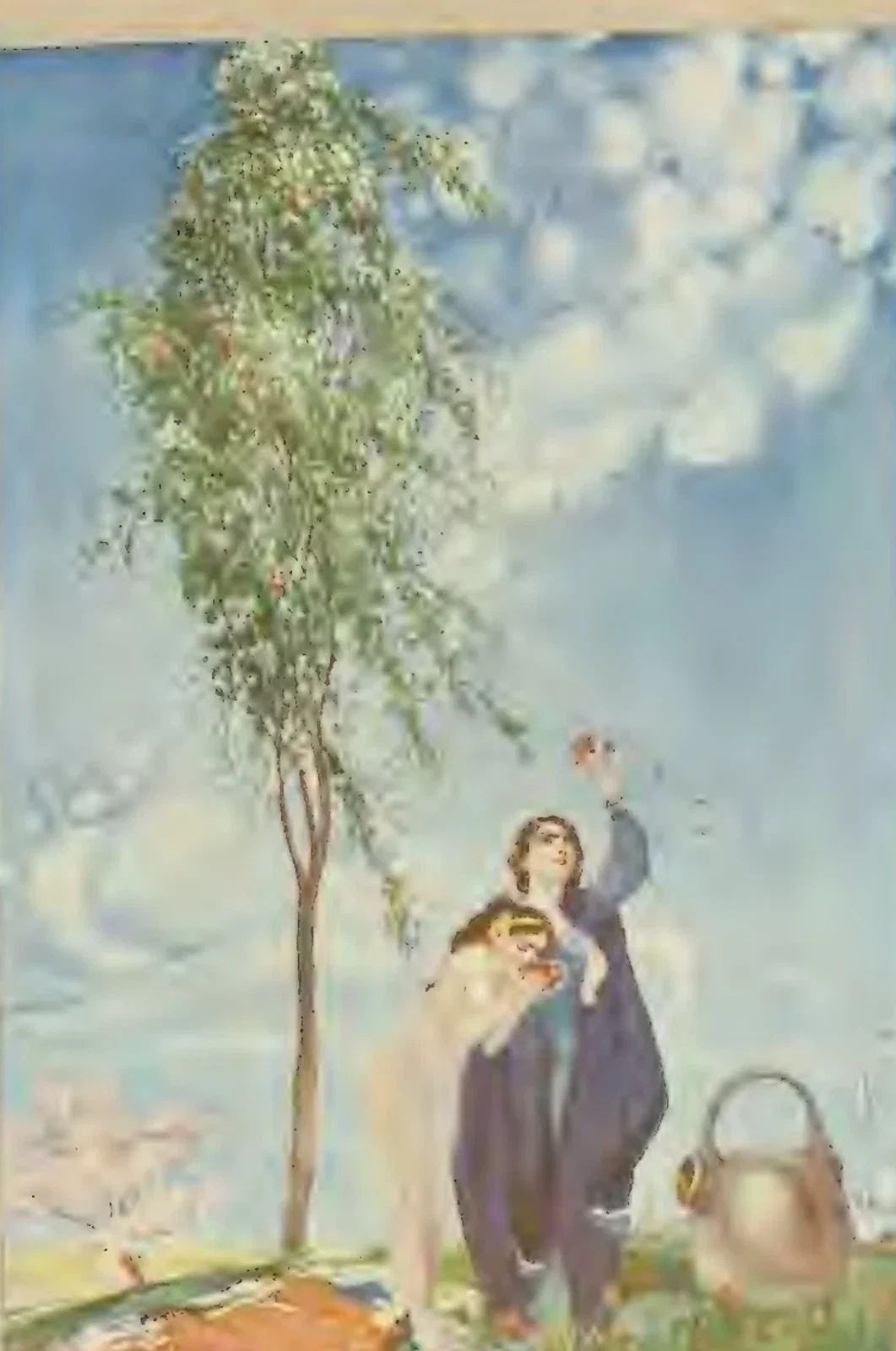
The opening quatrains move between dawn, awakening, the cup and the brevity of life. Pogány gives a few lines the scale of a complete visual event through an ornamental initial, border and arrangement of space. Painted scenes and decorated verse leaves then alternate, changing the pace of reading. Their beauty comes partly from this coordination of words and design, while the contributions of FitzGerald and Pogány remain visible alongside the name under which the Persian poems travelled.