Life and career
Michael Maier studied medicine and moved between several German-speaking courts in search of support for his research. In Prague he served the emperor Rudolf II, whose court drew physicians, astronomers, artists and collectors. Alchemy had a place in that world both as a practical inquiry into substances and as an art whose practitioners sought patrons willing to pay for prolonged experiments.
After Rudolf’s death Maier travelled and published extensively. He spent time in England and took part in the debates provoked by the appearance of the Rosicrucian manifestos. He defended the idea of a learned brotherhood dedicated to reform. His printed defences establish his interest in the movement while leaving open the question of what organisation, if any, lay behind its first anonymous publications.
Work and ideas
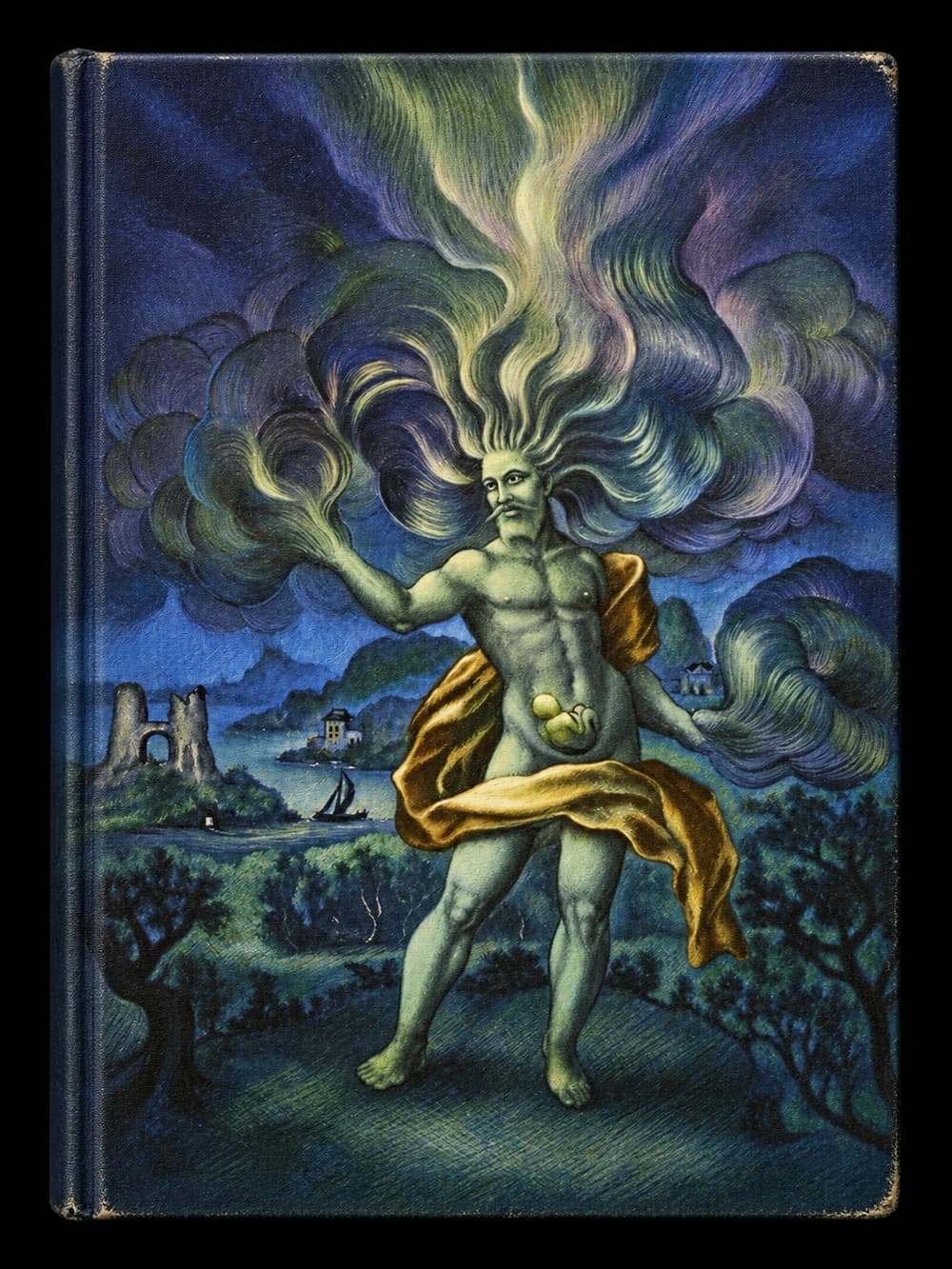
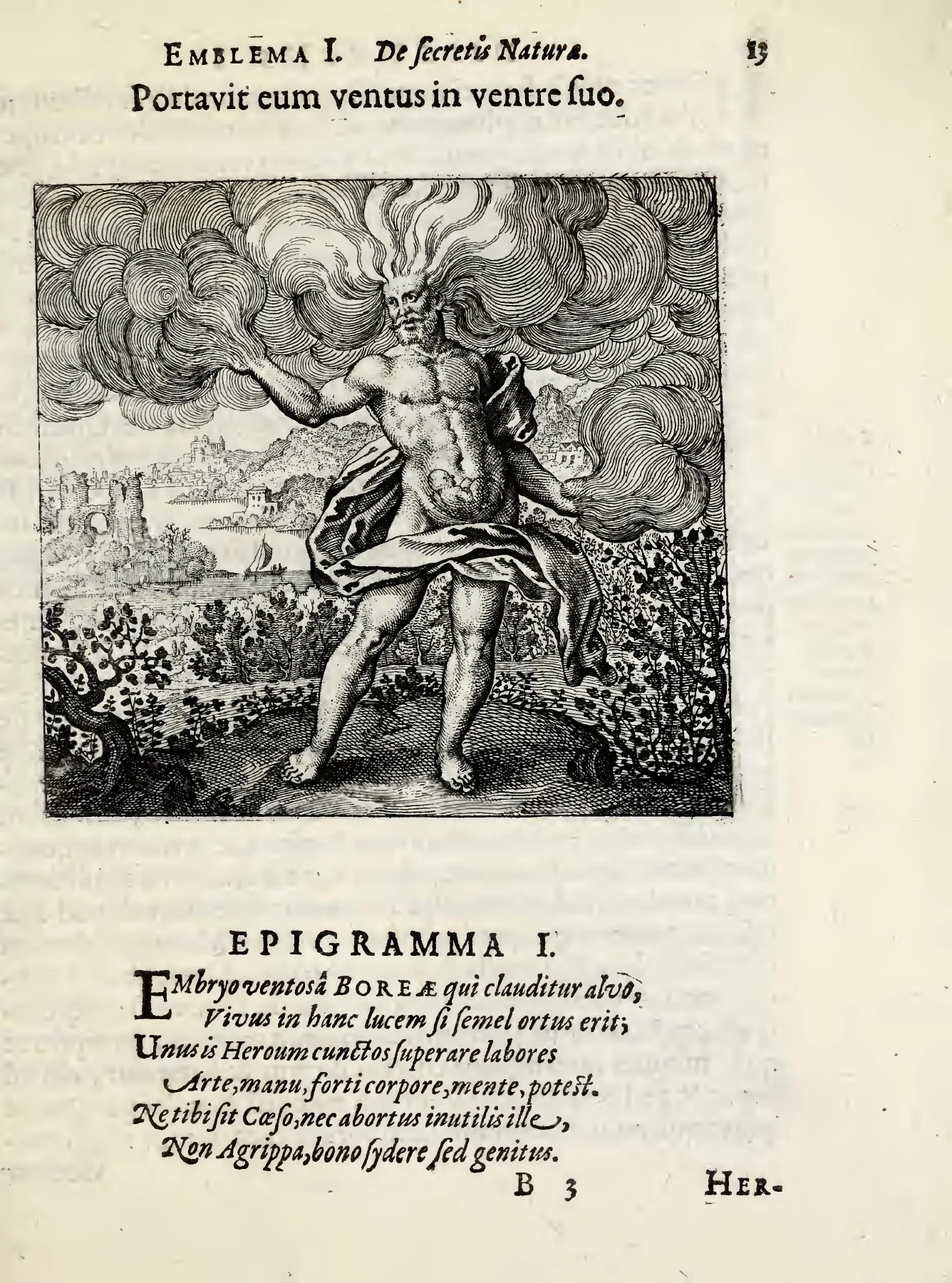
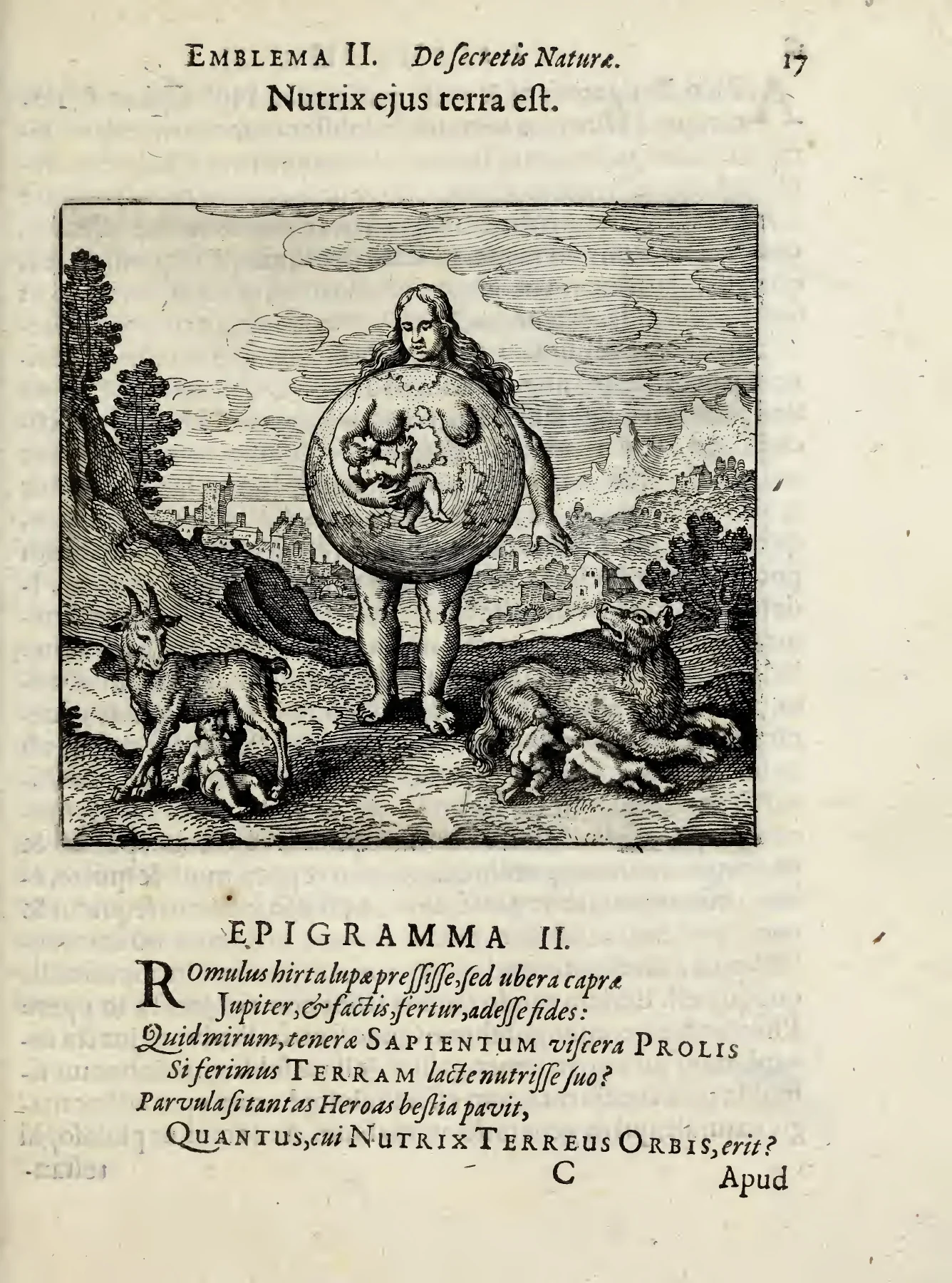
For Atalanta Fugiens he drew on the classical story of a race in which Hippomenes delays the swift Atalanta by dropping golden apples. Each of fifty emblems combines a picture, verse, a prose discussion and music for three voices. A pursuing voice, a fleeing voice and the slower part of the golden apple give the myth a form that singers can perform.
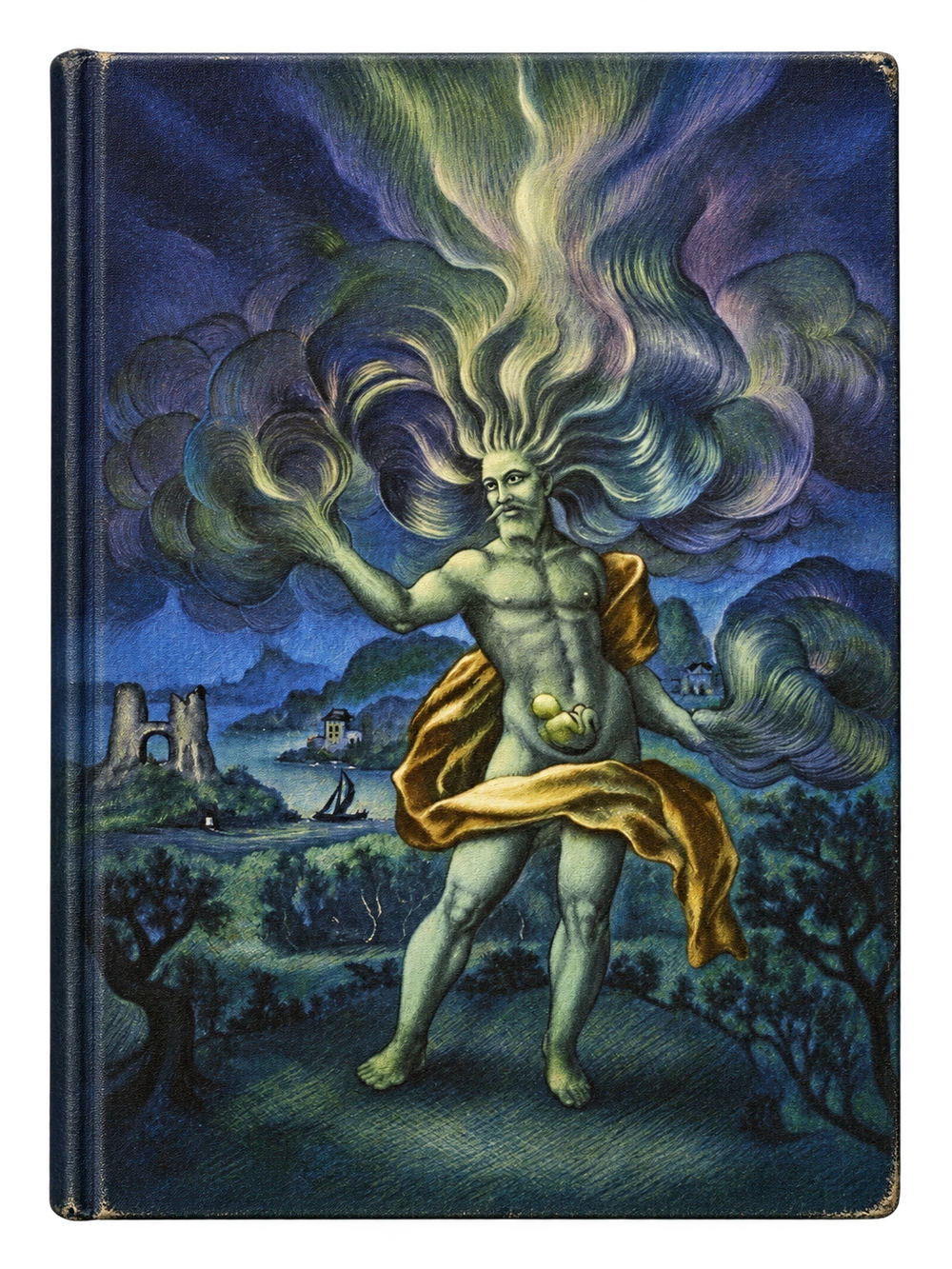
Johann Theodor de Bry published the book at Oppenheim. Its engravings have often circulated separately as examples of alchemical imagery. Returned to the page, they belong to an unusually elaborate collaboration between writer, printer, engraver and performer. The modern scholarly edition Furnace and Fugue reunites the printed emblems with performances of the music for which Maier wrote them.