From the engine room to the lecture platform
Heindel wrote under an adopted name. His widow, Augusta Foss Heindel, recalled that the young Carl Louis von Grasshoff learned engineering in the Glasgow shipyards, went to sea on a trading steamer and later worked in New York. In Los Angeles he took up astrology and began speaking on occult subjects. The San Francisco earthquake of 1906 interrupted one of his lecture tours, and he continued north to Seattle.
Three years later a series of Seattle lectures brought together the first members of the Fellowship. Printing their textbook took Heindel to Chicago, where he corrected proofs himself. He and Augusta subsequently established a headquarters at Mount Ecclesia in Oceanside, California. The publishing work he had begun with a single volume continued there through the remaining years of his life.
The diagrams and the teachings
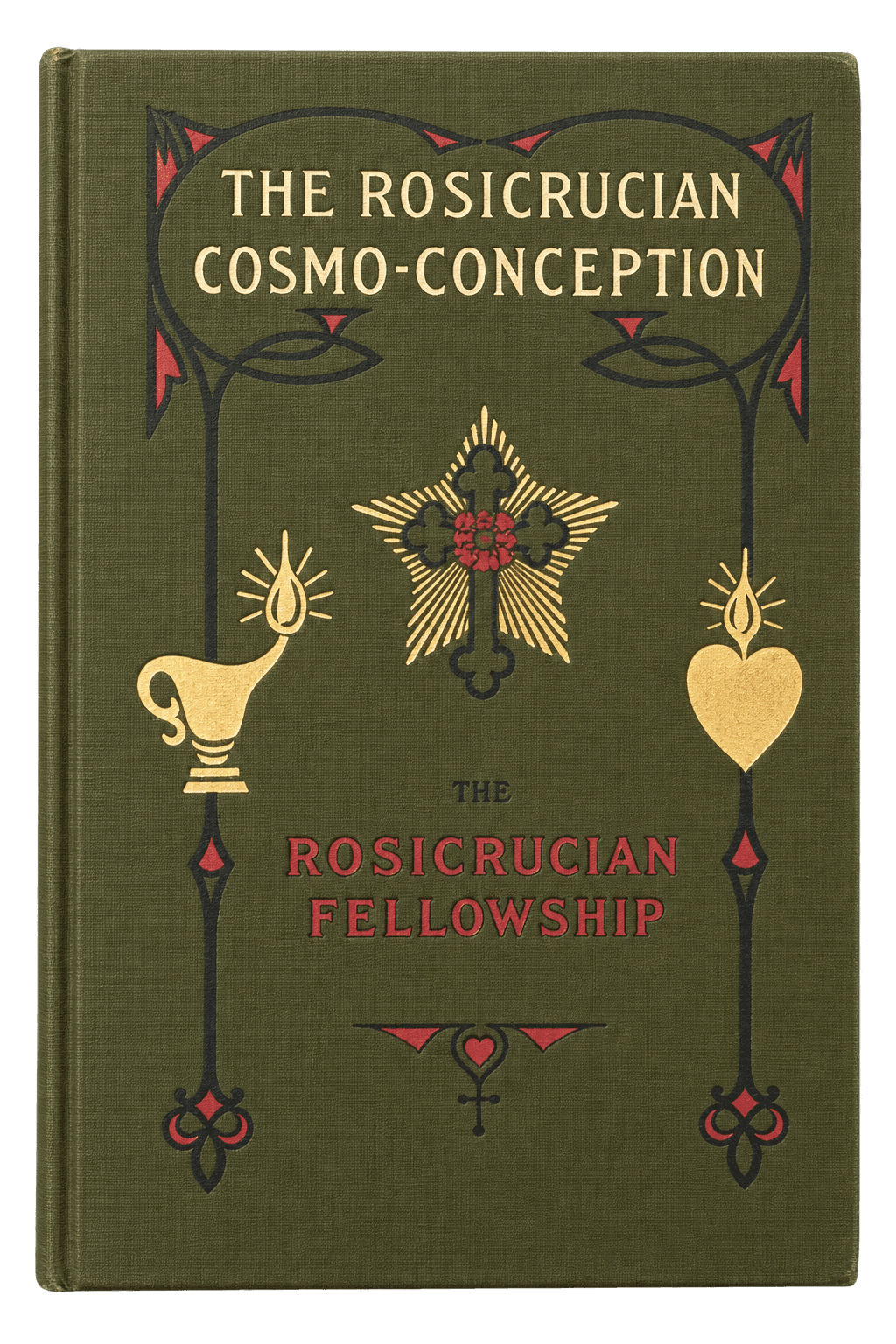
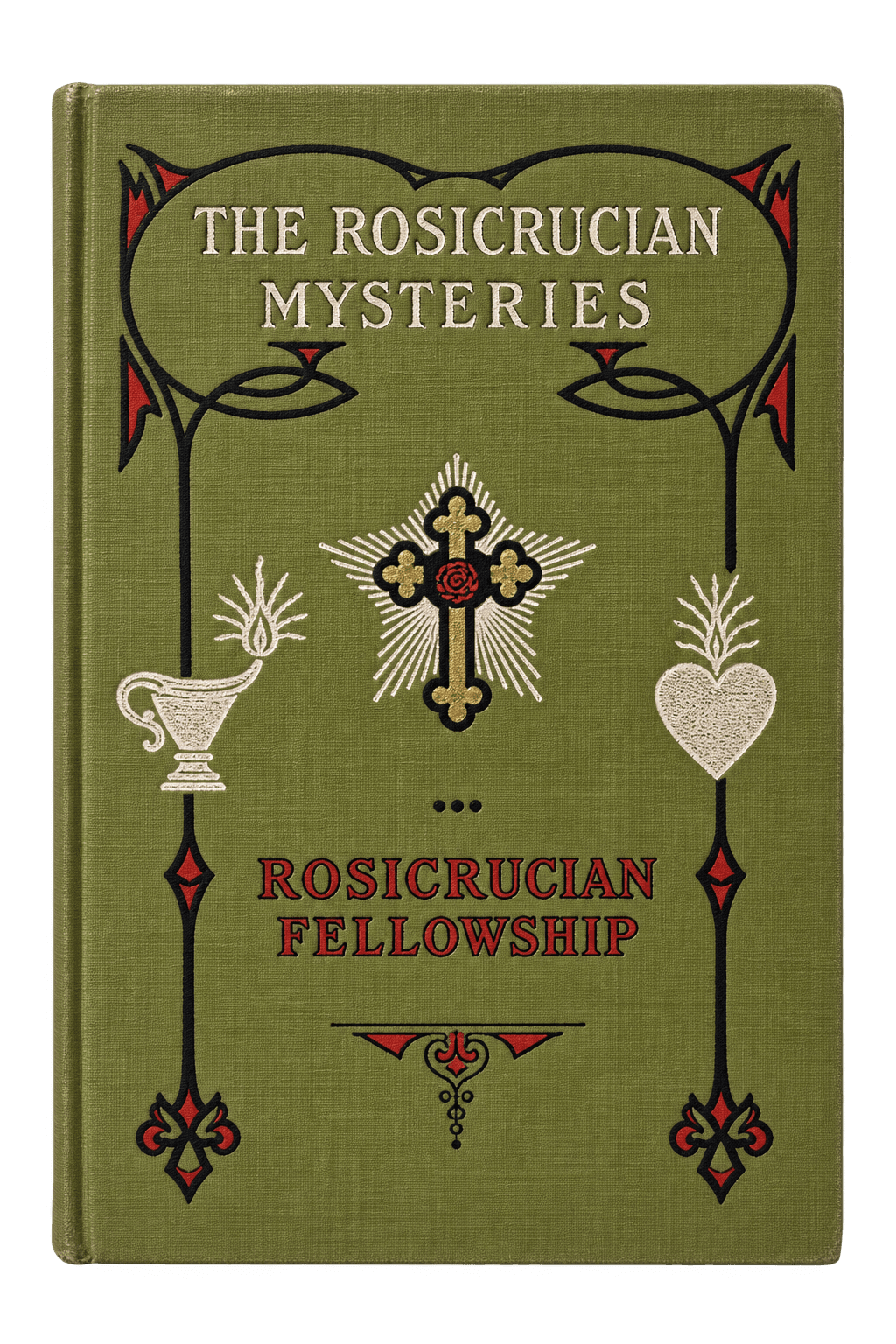
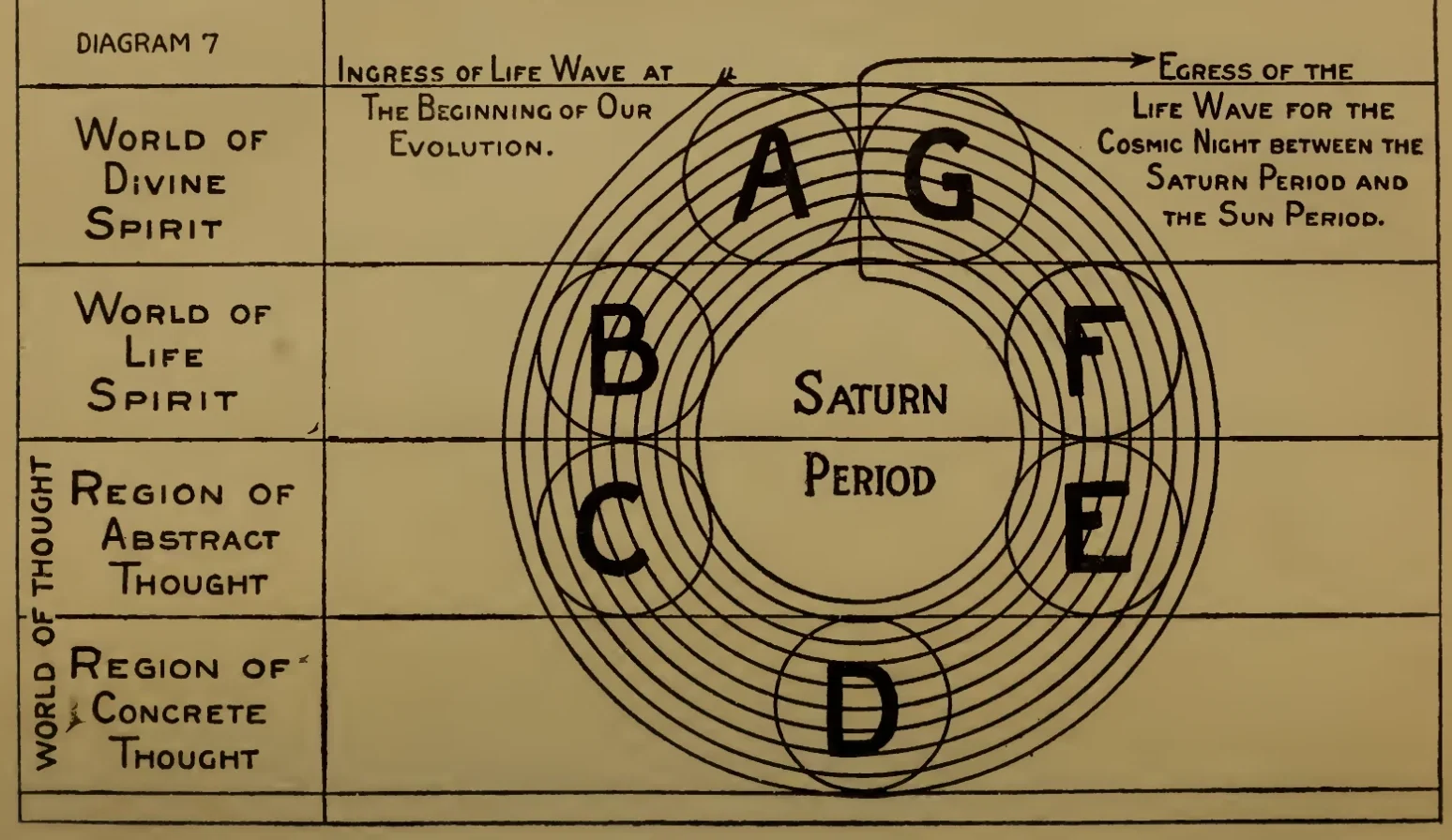
The first edition of The Rosicrucian Cosmo-Conception acknowledges both Rudolf Steiner and Alma von Brandis. Its diagrams offer students a way to follow Heindel’s account of successive lives and stages of creation. Even the distinction he draws between the chemical and etheric regions of the physical world has its own place on a chart. In The Rosicrucian Mysteries he begins a step earlier, explaining to newcomers what he understood by the Rosicrucian Order and why he had founded a fellowship to teach its ideas.
Heindel believed that human beings developed through successive lives. He attributed his instruction to spiritual teachers he called the Elder Brothers of the Rosicrucian Order. Augusta’s account preserves this explanation of the books’ origins as part of the Fellowship’s own history.