A lawyer turns to poetry and drama
Maeterlinck grew up in a prosperous French-speaking family in Ghent and studied law at its university. Poetry and theatre soon drew him away from legal practice. His collection Serres chaudes and his play La Princesse Maleine both appeared in 1889. The strange, confined worlds of these early works helped establish his place among the Symbolists.
Death and uncertainty recur in L’Intruse and Pelléas et Mélisande. Characters struggle to put their fears into words while events seem to move beyond their control. Alongside the plays, Maeterlinck wrote essays and books about the natural world, including bees and flowers. The Nobel Prize in Literature in 1911 recognised a career that had already carried his work well beyond Belgium.
The children who search for happiness
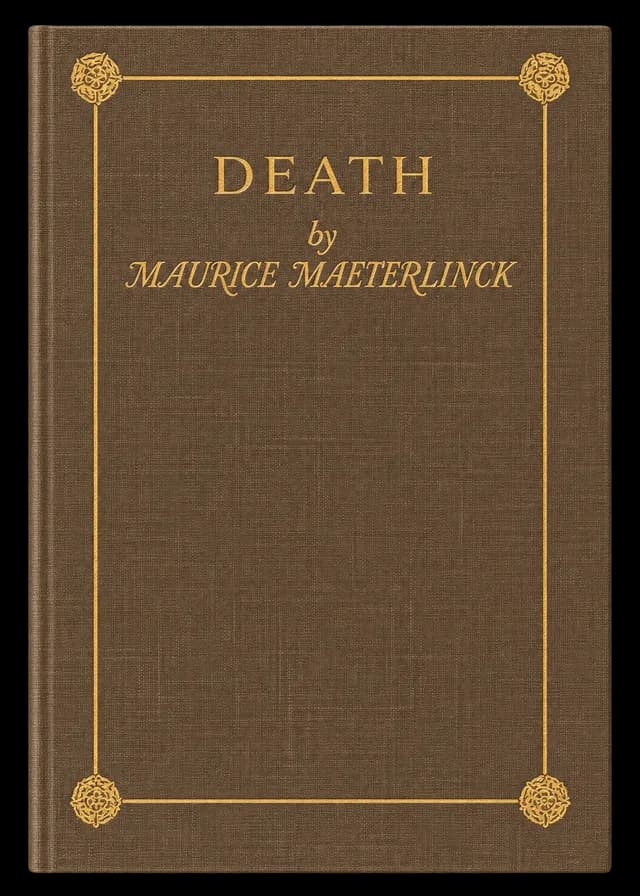
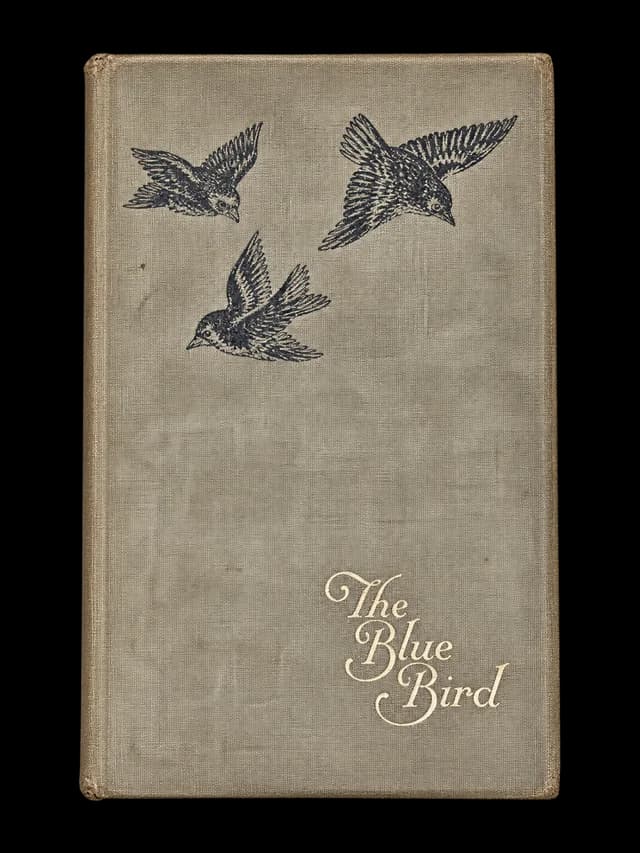
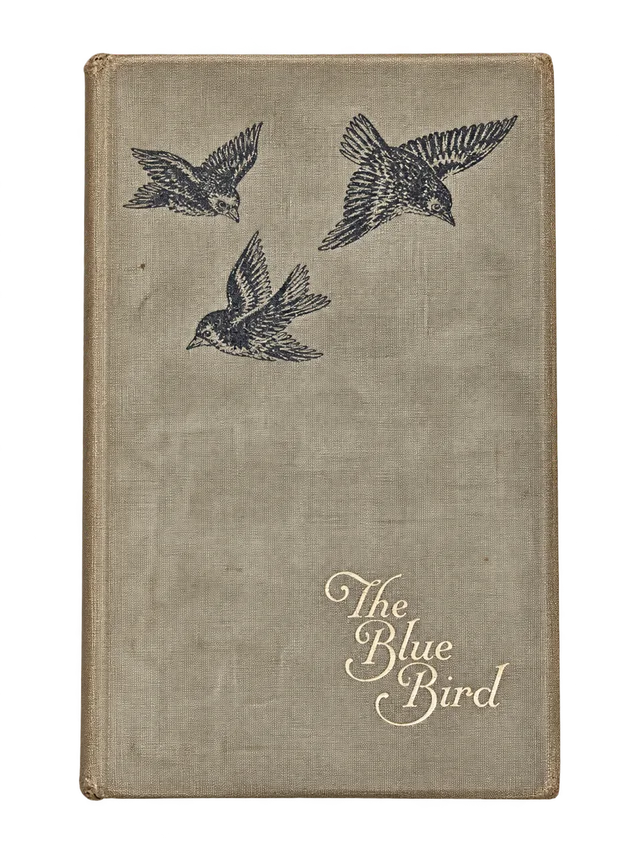
In The Blue Bird, Tyltyl and Mytyl visit the dead and the children waiting to be born as they search for a bird that promises happiness. Animals and household objects acquire voices, while the stage directions call for transformations of light and scenery. Alexander Teixeira de Mattos’s English translation records alterations made during the play’s performance history. He also translated the two essay books held here. Death examines the fears surrounding the end of life, while Mountain Paths gathers reflections that move among remembrance, consciousness and moral responsibility. The Blue Bird copy held here is a 1955 printing.