Scientific research and historical materials
Chikashige was born in 1870 and graduated in chemistry from the Imperial University in 1894. Teaching preceded an appointment at Kyoto, where his career developed through inorganic chemistry and metallography. Study in Europe included work with the metallurgist Gustav Tammann, and he helped introduce metallographic methods into Japan.
He became the first director of Kyoto’s Institute for Chemical Research in 1927, serving until 1930. Analysis of Chinese and Japanese archaeological materials informed his writing on ancient chemical culture. These investigations accompanied interests in Zen, classical Chinese poetry and tea, described in recent scholarship as part of a literati chemist’s varied life. He died in 1941. His historical study belongs within that scientific and cultural practice.
Alchemy beside the analysis of made things
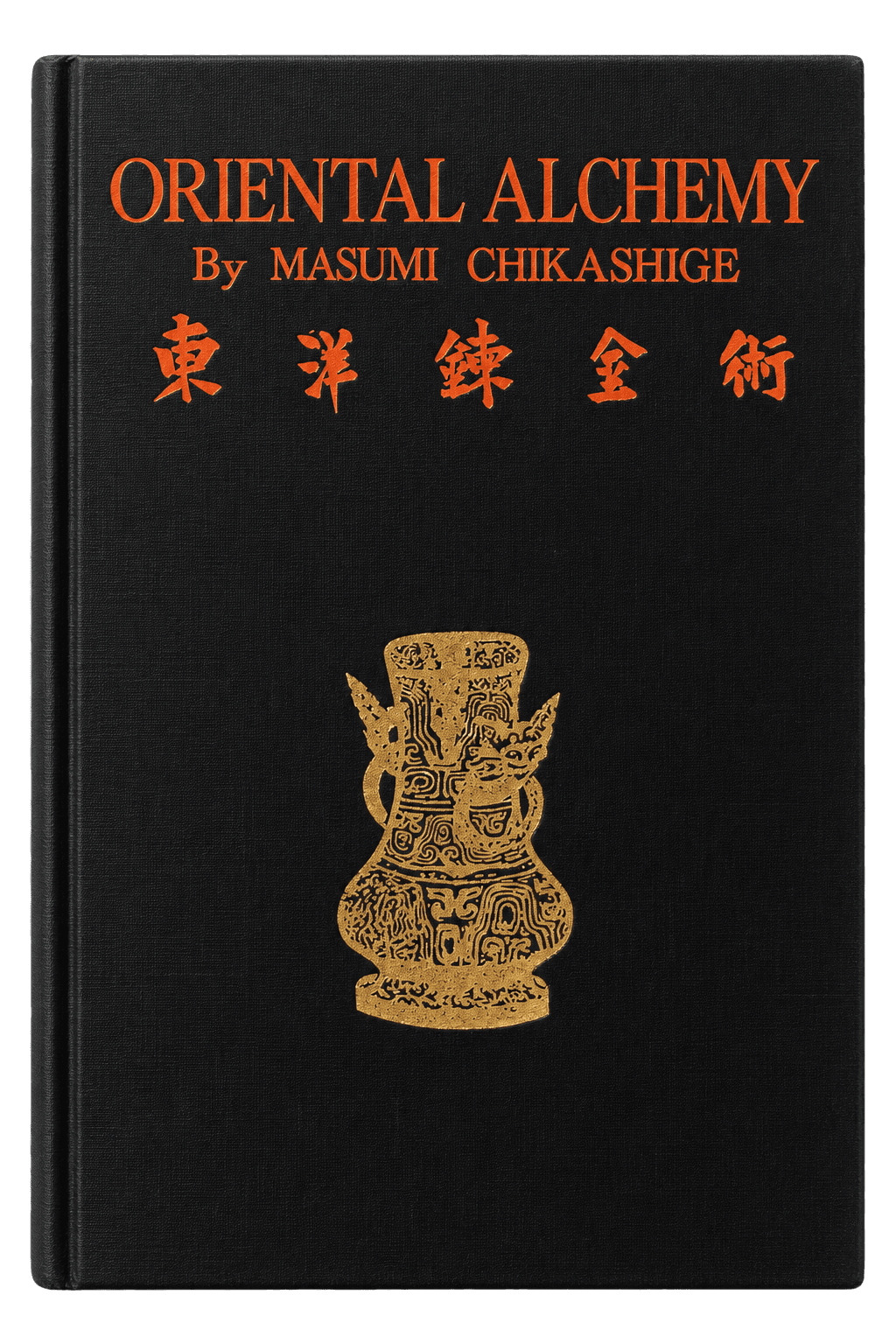
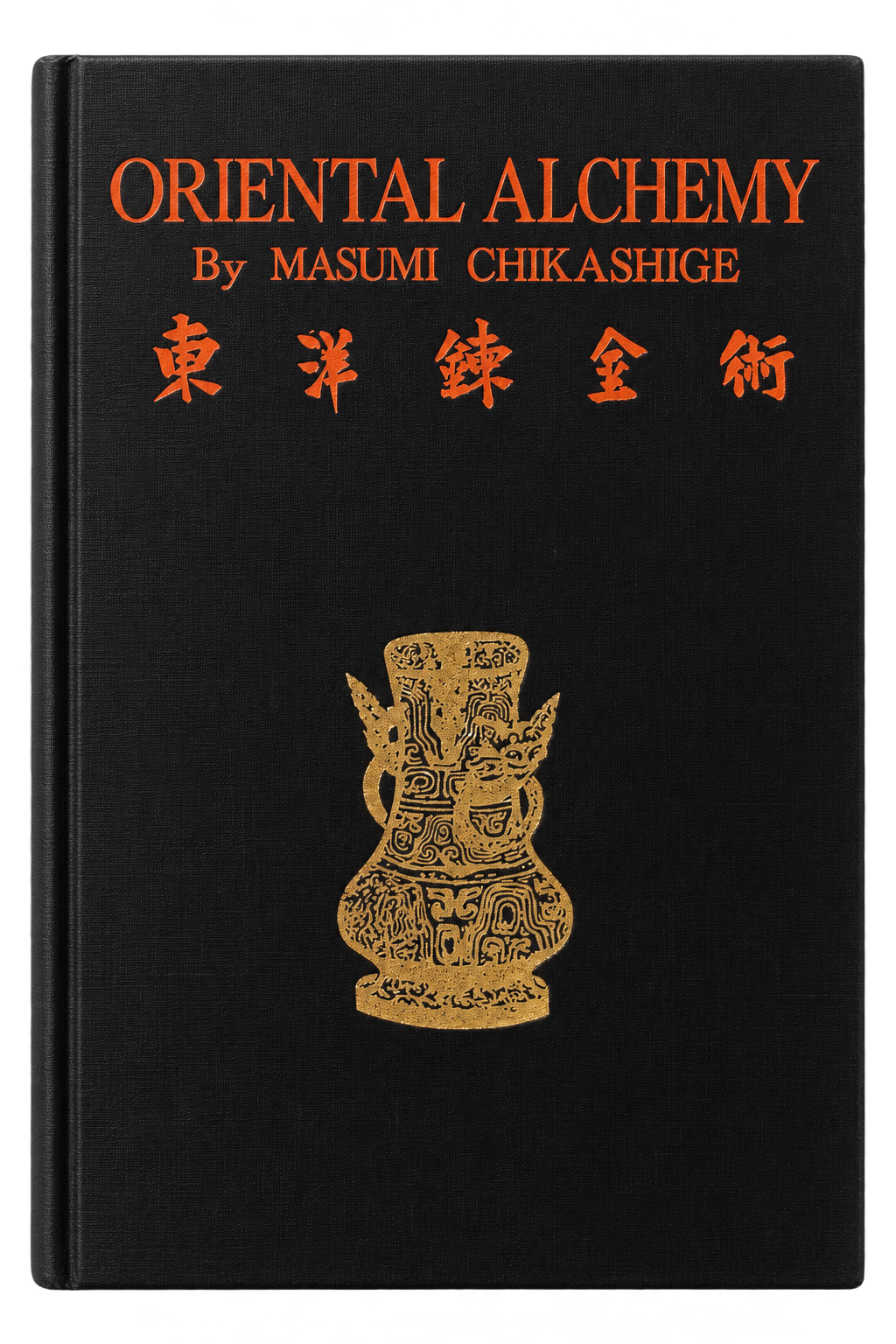
The 1936 English book is titled Alchemy and Other Chemical Achievements of the Ancient Orient, often shortened to Oriental Alchemy. It covers Chinese alchemy, bronzes and Japanese swords. A translation note credits his former pupil Nobuji Sasaki and explains that material was omitted, revised or supplemented for the English presentation.
The earlier preface acknowledges help with bronze analyses, sword sections and drawings of forging methods. Such credits show how laboratory work, technical illustration and historical interpretation support different parts of the account. Chikashige distinguishes an earlier theory from practical achievements that can be examined through their surviving products. A material analysis can establish features of an object without proving every broader conclusion attached to it. The book’s interest lies in this movement between texts, things and historical explanation.